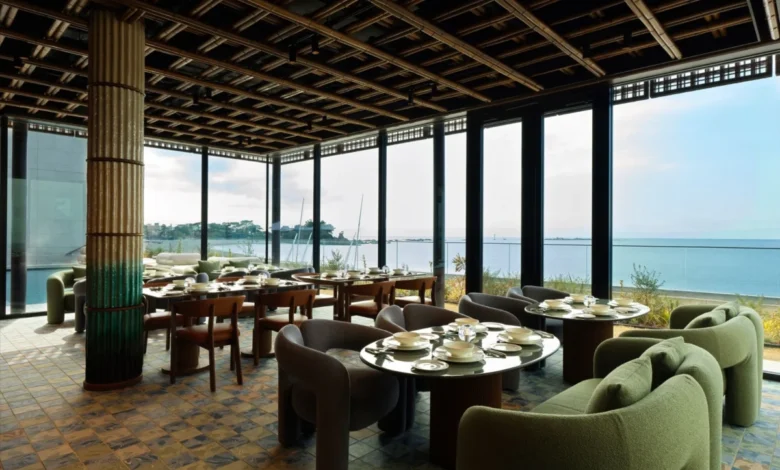
Situated just sixty minutes by road or rail from the relentless kinetic energy of central Tokyo, Casa Caban Hayama emerges as a serene architectural counterpoint to the Japanese capital. This seaside sanctuary, overlooking the tranquil expanse of Sagami Bay, represents more than a mere hotel opening; it is the culmination of a decade-long creative dialogue between Spanish architect Patricia Urquiola and the Japanese lifestyle powerhouse Tomorrowland. As the first standalone hotel venture from a company that has, since 1978, redefined the intersection of fashion and interior design in Japan, Casa Caban Hayama functions as a living laboratory for the concept of "weaving"—a thematic thread that ties the building’s structural identity to Tomorrowland’s historical roots in knitwear.
A Chronology of Collaboration
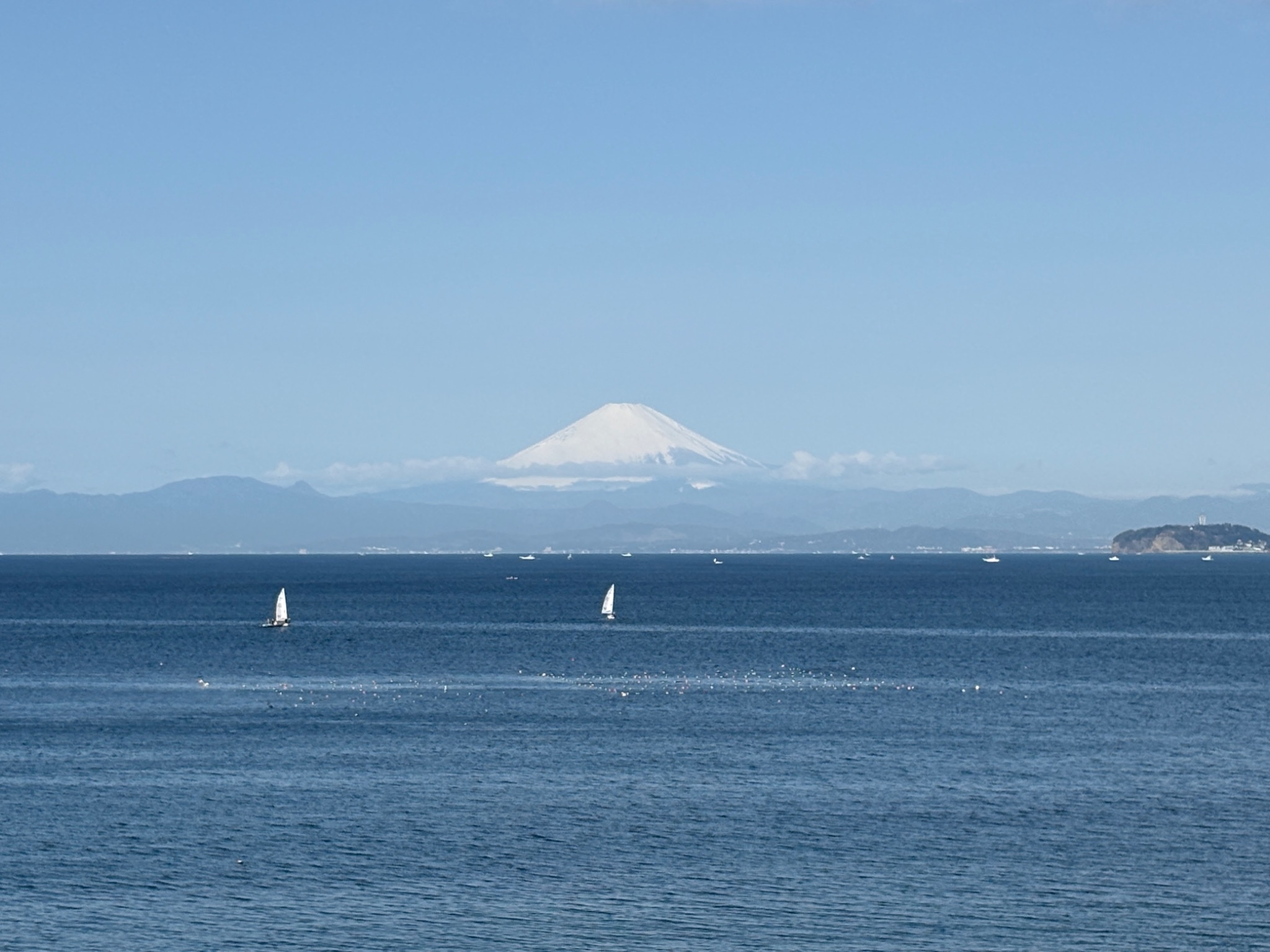
The genesis of Casa Caban Hayama dates back approximately ten years, originating in a professional and personal meeting between Patricia Urquiola, the celebrated creative director of Cassina, and Hiroyuki Sasaki, the chairman of Tomorrowland. At the time, the site was occupied by a modest café—the company’s inaugural foray into the hospitality sector. Recognizing the potential of the coastal location, which offers rare, unobstructed views toward Mount Fuji, the two visionaries began conceptualizing a destination that would serve as an extension of the Tomorrowland worldview.
The project moved from abstract discussion to architectural execution over several years, requiring a meticulous balancing act between contemporary design and the environmental sensitivities of the Hayama coastline. By treating the hotel as a "vast canvas," Urquiola sought to create a spatial narrative that felt both intimate and expansive. The development phase prioritized sustainable construction methods and the integration of local artisanal techniques, culminating in a property that officially marks Tomorrowland’s formal transition into the high-end boutique hospitality market.
Architectural Language and the Motif of Weaving
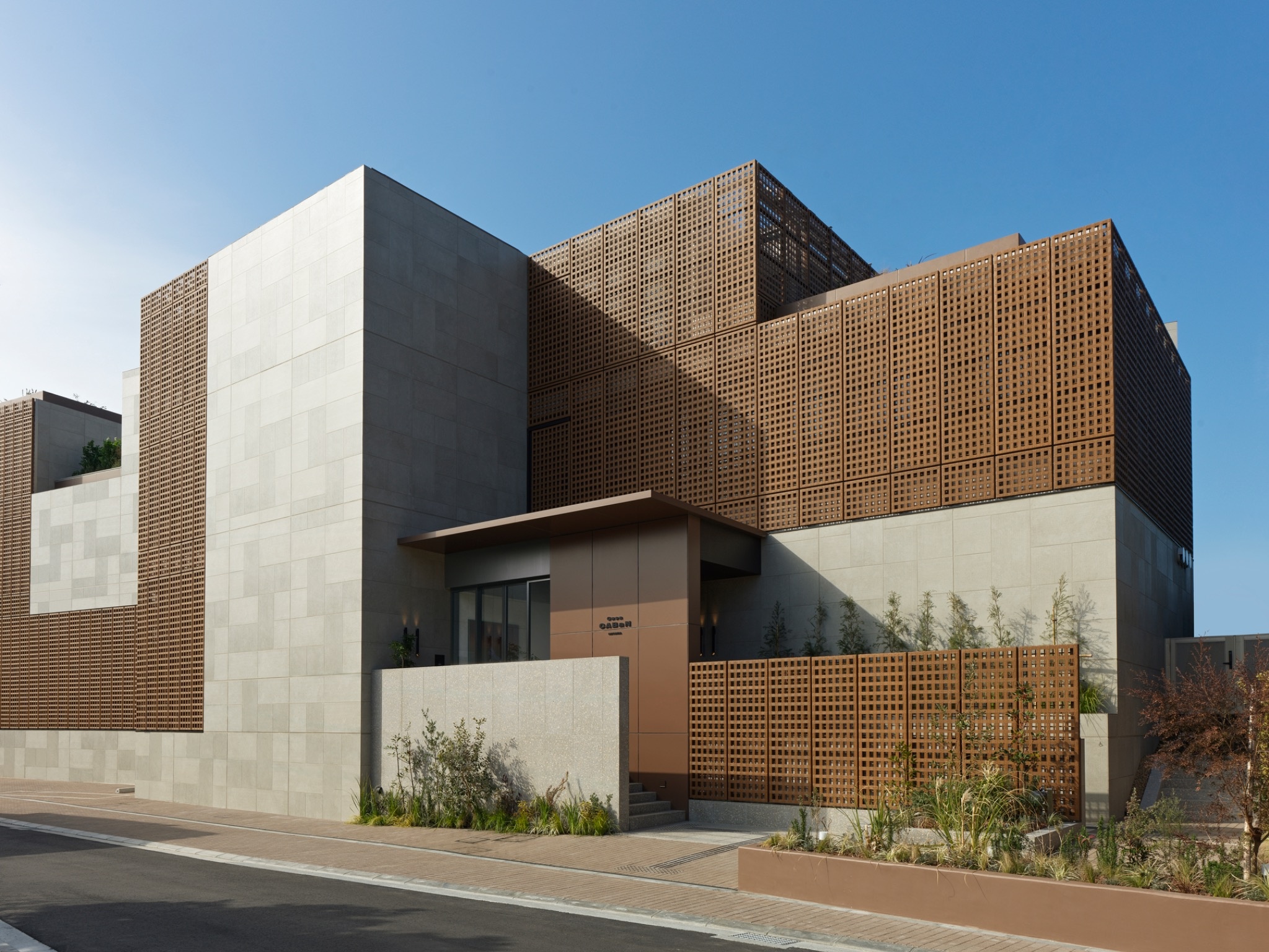
The structural integrity of Casa Caban Hayama is governed by the leitmotif of "weaving," a complex design strategy that manifests in both macro and micro elements of the building. This is not merely an aesthetic choice but a technical homage to the textile industry that birthed Tomorrowland.
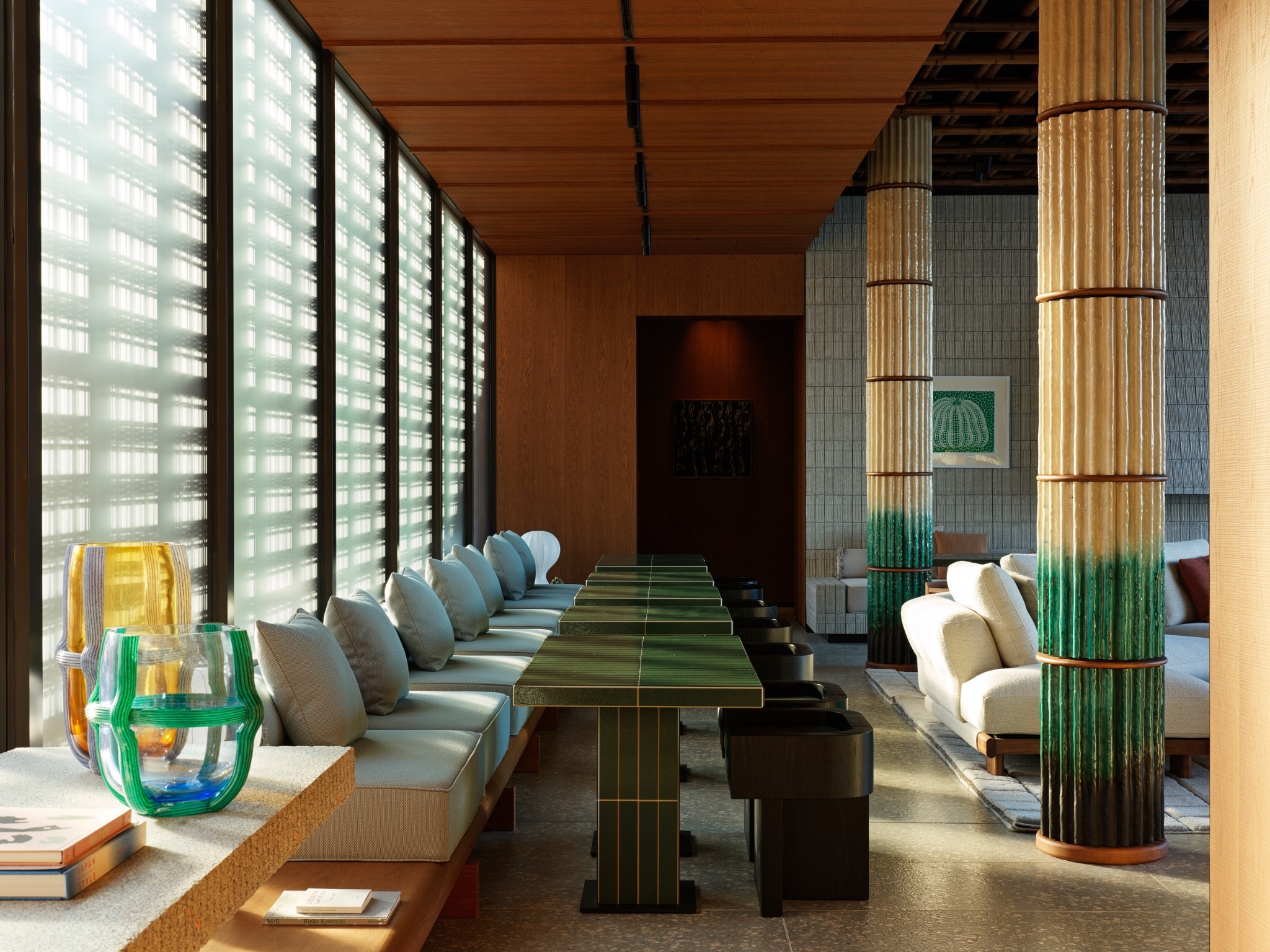
On the exterior, the concrete façade is meticulously scored with a grid of vertical and horizontal lines, softened by handwoven panels constructed from recycled polyethylene—a material choice that underscores the hotel’s commitment to modern sustainability. The interior ceiling of the lounge features bamboo elements crafted by Kyoto artisans, who were commissioned to reinterpret the interlaced motif, bridging the gap between historical Japanese craftsmanship and contemporary spatial design.
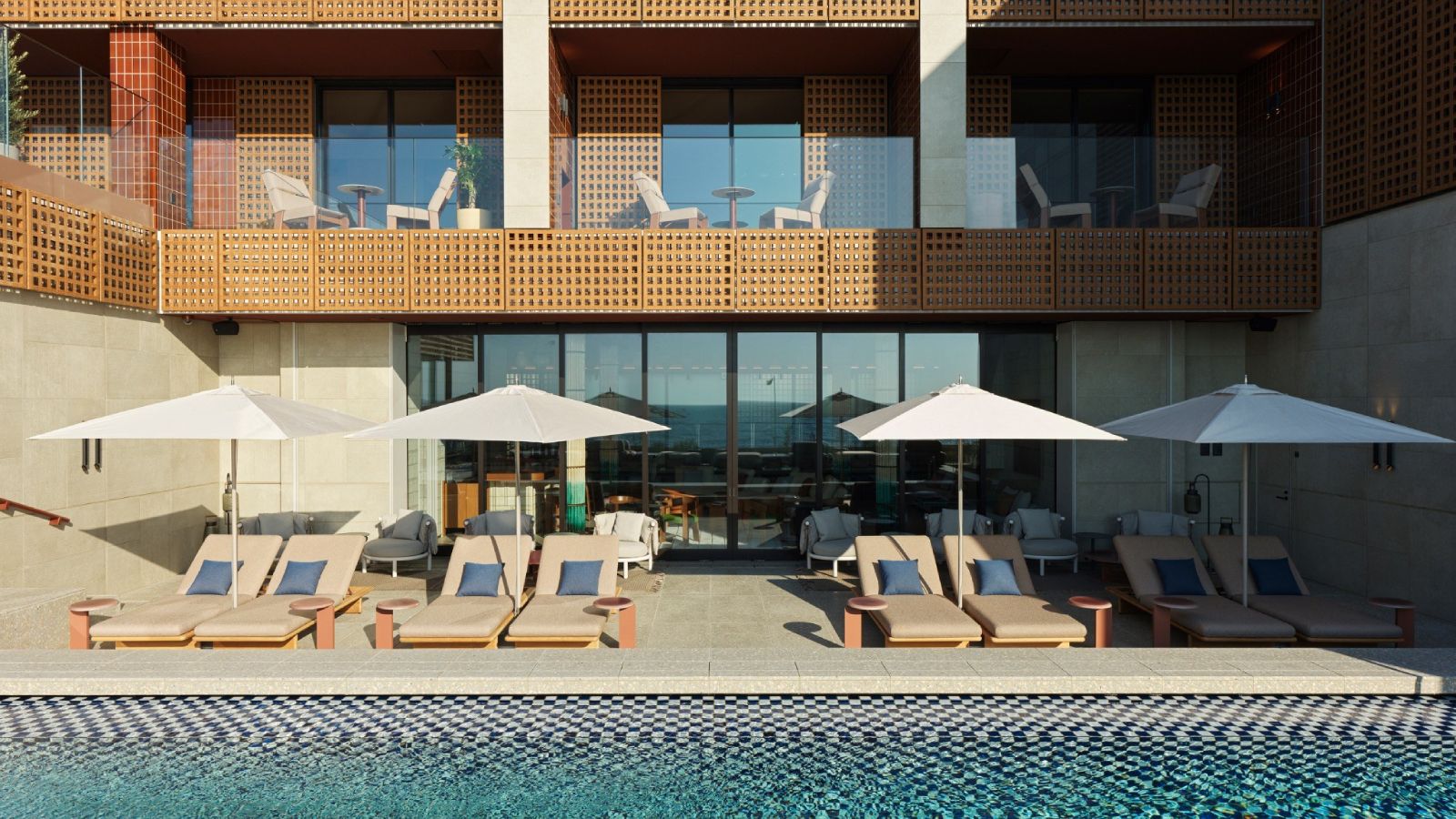
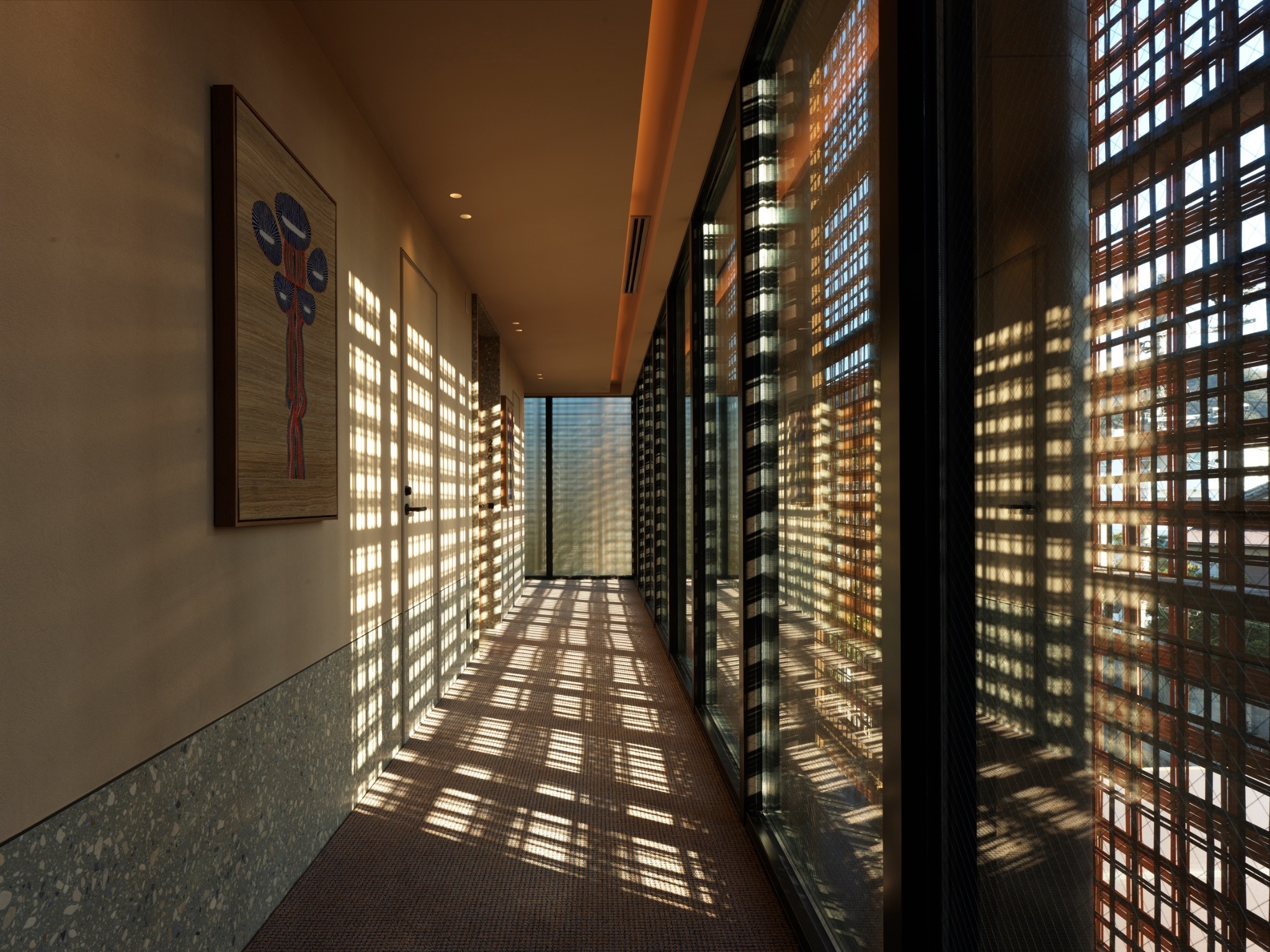
Further reinforcing this theme, the louvres throughout the guest rooms and corridors function as functional art. Unlike standard horizontal blinds, these incorporate vertical elements to create a cross-hatched pattern that regulates sunlight, casting shifting geometric shadows throughout the day. The swimming pool serves as a focal point of this design philosophy, with its floor adorned in a blue-and-white checkerboard pattern. This is a deliberate nod to the tenugui, the traditional Japanese cotton towel, effectively anchoring the international design language of Urquiola within a deeply local cultural context.
Materiality and Artistic Integration
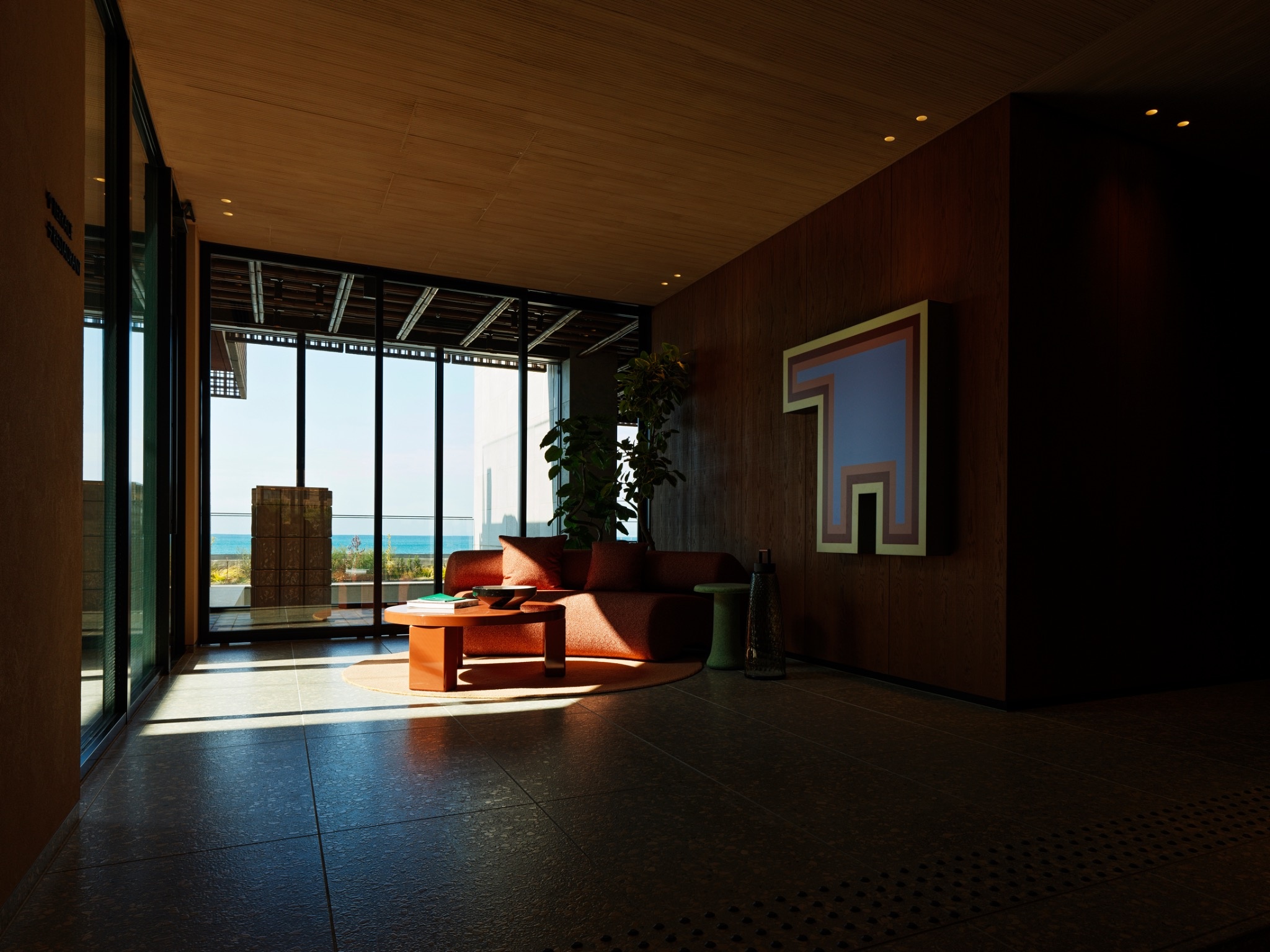
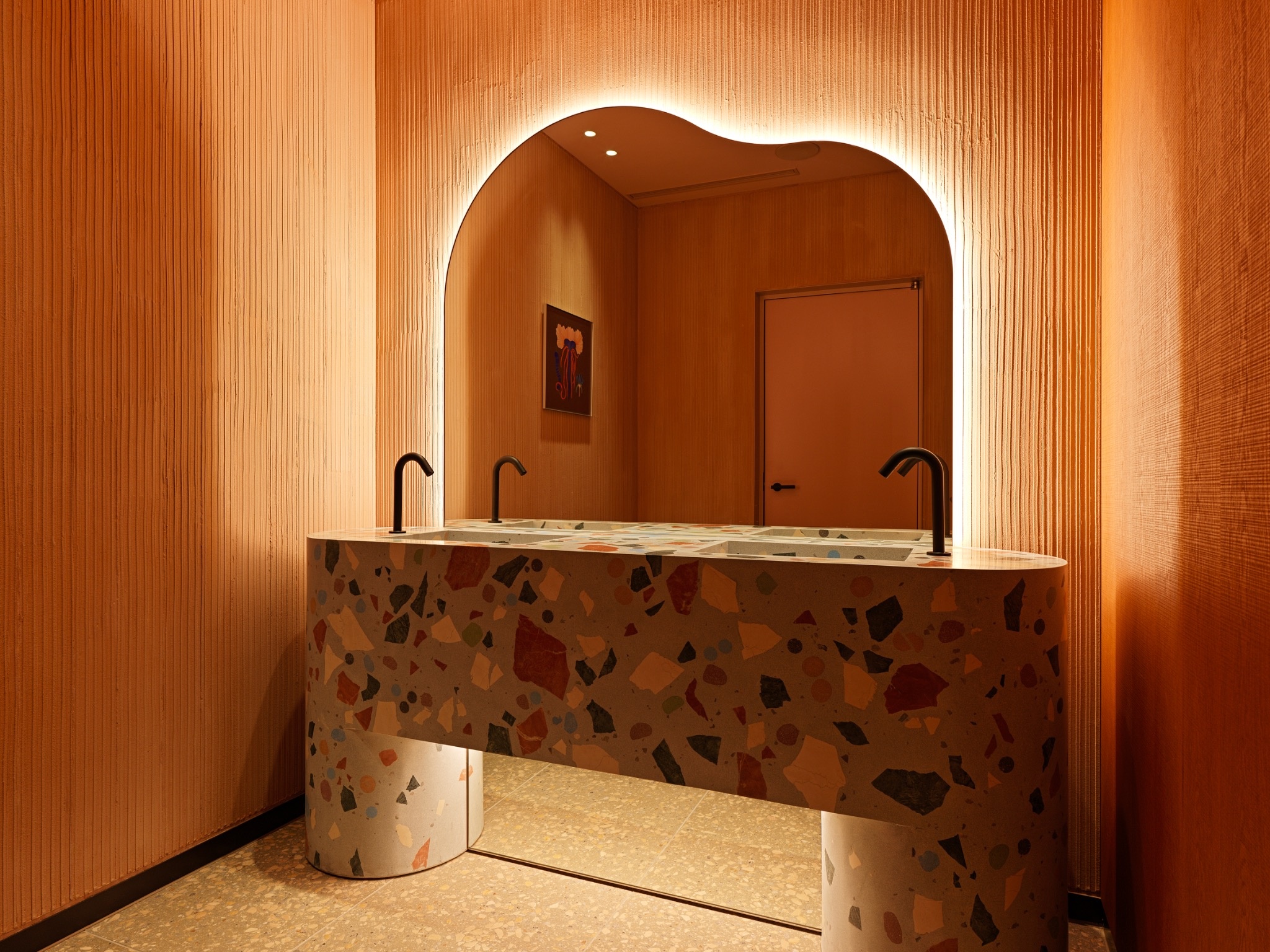
The interior design scheme relies on a sophisticated palette of earthy tones and deep ocean blues, designed to mirror the meeting of land and sea. Urquiola has curated an environment where every object serves a purpose, utilizing furniture and lighting from premier manufacturers such as Flos, Moroso, Kettal, Glas Italia, and cc-tapis. Many of these pieces were bespoke modifications of existing designs, ensuring a sense of exclusivity within the property.
A significant artistic feature is the application of suminagashi, the ancient Japanese art of ink marbling. This technique is applied to resin-based roof-tile forms that line the entrance hall, as well as to the ceramic cladding of the lounge’s structural columns. By using lightweight resin to mimic the appearance of traditional ceramic tiles, the design achieves visual weight without compromising the building’s structural load-bearing requirements. This attention to material science is indicative of Urquiola’s broader approach: a seamless fusion of functionality, history, and innovative modernism.
The Guest Experience: A Study in Refined Minimalism
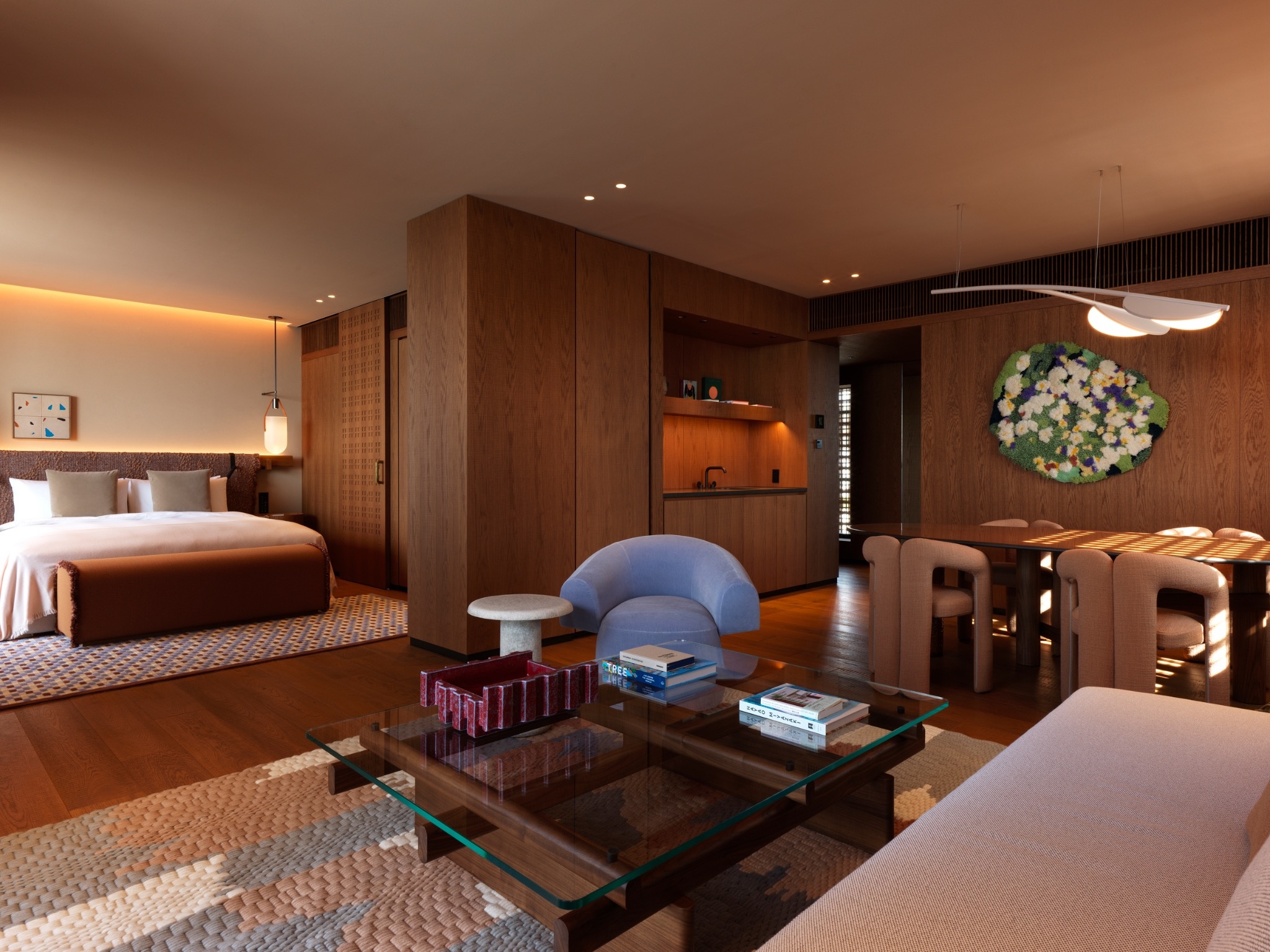
Casa Caban Hayama operates with fourteen exclusive rooms, each positioned to maximize the coastal vista. The property’s flagship accommodation, the Caban Suite, spans 173 square meters and includes two expansive rooftop terraces. The interior features a curated collection of high-design furniture, such as the Cassina Mon Cloud sofa and custom rugs by cc-tapis, all unified by a cohesive color palette of terracotta and neutral tones.
The Hayama Suite, while smaller at 89 square meters, offers a more eclectic aesthetic. Here, lilac accents provide a striking contrast against warm copper finishes, creating a space that feels both avant-garde and deeply comforting. In all guest areas, the focus remains on the "art of doing nothing"—the concept of far niente. The hotel intentionally eschews traditional spa facilities, such as yoga studios or treatment rooms, in favor of encouraging guests to engage with the natural environment.
Morning routines are replaced by the traditional Japanese evening bath, supported by high-quality products based on botanical and marine extracts. The tactile experience of the stay is further enhanced by the use of Egyptian Giza cotton for bed linens and pyjamas, and Supima cotton for towels—all curated by Tomorrowland Home to reflect the brand’s standard for textile excellence.
Culinary and Operational Excellence
The hotel’s dining program is a reflection of the surrounding Miura Peninsula’s seasonal bounty. The primary dining room offers an Italian-influenced menu that incorporates Japanese culinary techniques, featuring locally sourced delicacies such as baby anchovies (shirasu) and Hayama sea urchin, alongside charcoal-grilled Hayama Ishii beef.
In a departure from the rest of the property, the B1 level houses Ashitaba, a minimalist Japanese restaurant that serves an omakase menu. Notably, this is the only space in the hotel not designed by Urquiola, providing a visual and atmospheric change of pace for guests. The lounge bar, restricted to overnight residents, offers a sophisticated menu of cocktails and non-alcoholic alternatives, often incorporating herbs grown in the hotel’s private garden. The commitment to local sourcing extends to the smallest details, such as the provision of complimentary bottled water sourced from the foothills of Mount Fuji.
Market Implications and Strategic Positioning
The establishment of Casa Caban Hayama marks a strategic inflection point for Tomorrowland. By pivoting into the hospitality sector, the company is diversifying its revenue stream while simultaneously creating a physical environment that acts as a brand beacon. For the luxury traveler, the hotel offers a rare opportunity to live within a fully realized environment designed by one of the world’s most influential architects.
From an economic perspective, the project reflects the growing trend of high-end lifestyle brands leveraging their aesthetic equity to enter the hospitality market. By providing an immersive experience, Tomorrowland is able to deepen customer loyalty in a way that traditional retail environments cannot. The decision to make the restaurant and the B1 level—which includes a retail space selling footwear and bags designed by Urquiola—accessible to non-hotel guests also serves as a foot-traffic generator, integrating the property into the local community while maintaining the exclusivity of the residential floors.
Conclusion
Casa Caban Hayama is a testament to the power of a unified creative vision. By marrying the structural ingenuity of Patricia Urquiola with the textile heritage of Tomorrowland, the project has successfully transformed a quiet residential stretch of Hayama into a sophisticated destination for design enthusiasts. The hotel does not attempt to replicate the high-octane atmosphere of international resorts; instead, it offers a measured, contemplative, and aesthetically rigorous experience. In an era where hospitality is often defined by standardized luxury, Casa Caban Hayama stands out as a singular, carefully woven fabric of design, culture, and coastal serenity.
Related posts: