11/11 Singles Day Sale Marks the Start of the 2024 Global Electronics Discount Season

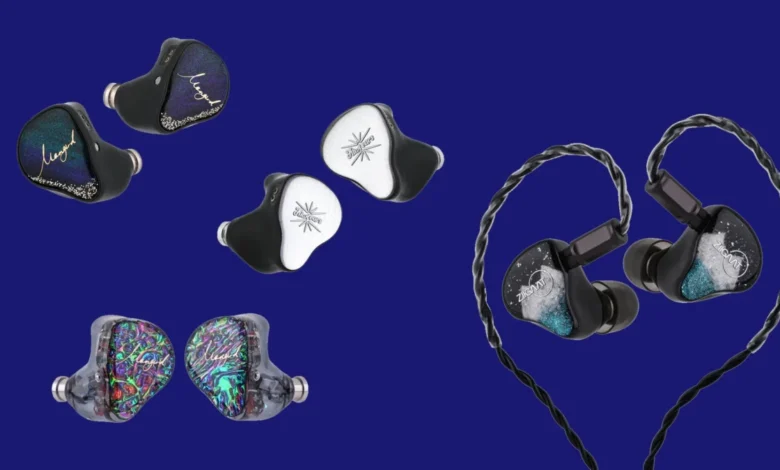
The 11/11 Global Shopping Festival, colloquially known as Singles Day, has officially commenced, signaling the beginning of the end-of-year retail surge that culminates in Black Friday and Cyber Monday. While historically rooted in Chinese e-commerce, the event has evolved into a global barometer for consumer electronics pricing, particularly within the high-fidelity audio market. Among the categories seeing significant activity this year is the In-Ear Monitor (IEM) segment, a niche yet rapidly expanding sector of the professional and audiophile audio market.
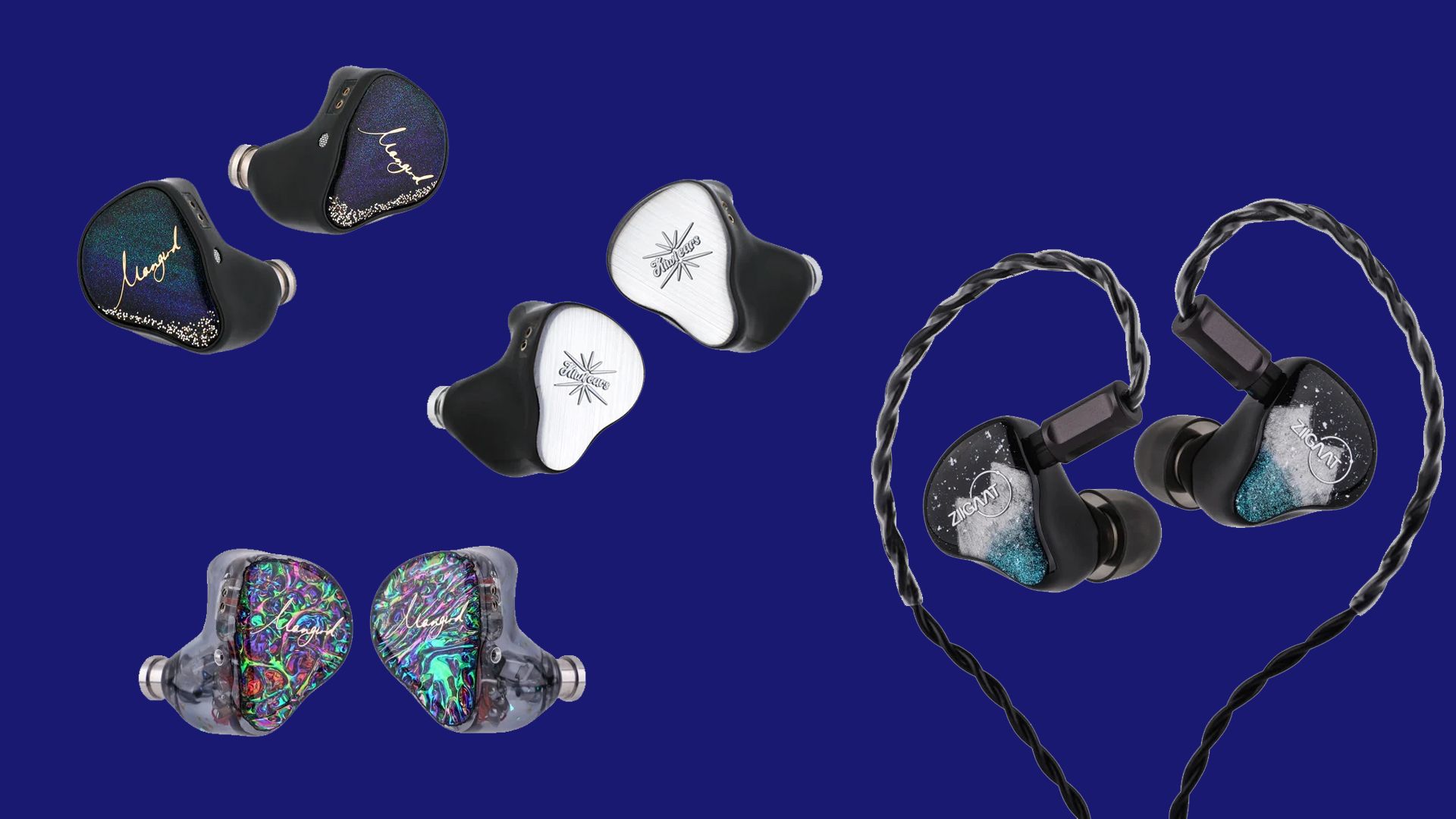
Retailers and distributors such as Linsoul are currently leveraging the 11/11 window to implement aggressive price adjustments across their portfolios. The shift from mass-market consumer earbuds to high-performance wired IEMs represents a broader trend in audio consumption, where consumers are increasingly prioritizing sound fidelity, build quality, and repairability over the convenience of wireless connectivity.
The Evolution of the 11/11 Shopping Phenomenon
Originally conceived in the 1990s as a lighthearted celebration for single individuals, November 11th was transformed into a commercial juggernaut by Alibaba in 2009. Over the past 15 years, it has surpassed traditional Western retail holidays in terms of gross merchandise value (GMV). In 2024, the event serves as a strategic precursor to Black Friday, allowing manufacturers to clear inventory and capture early-bird spending.
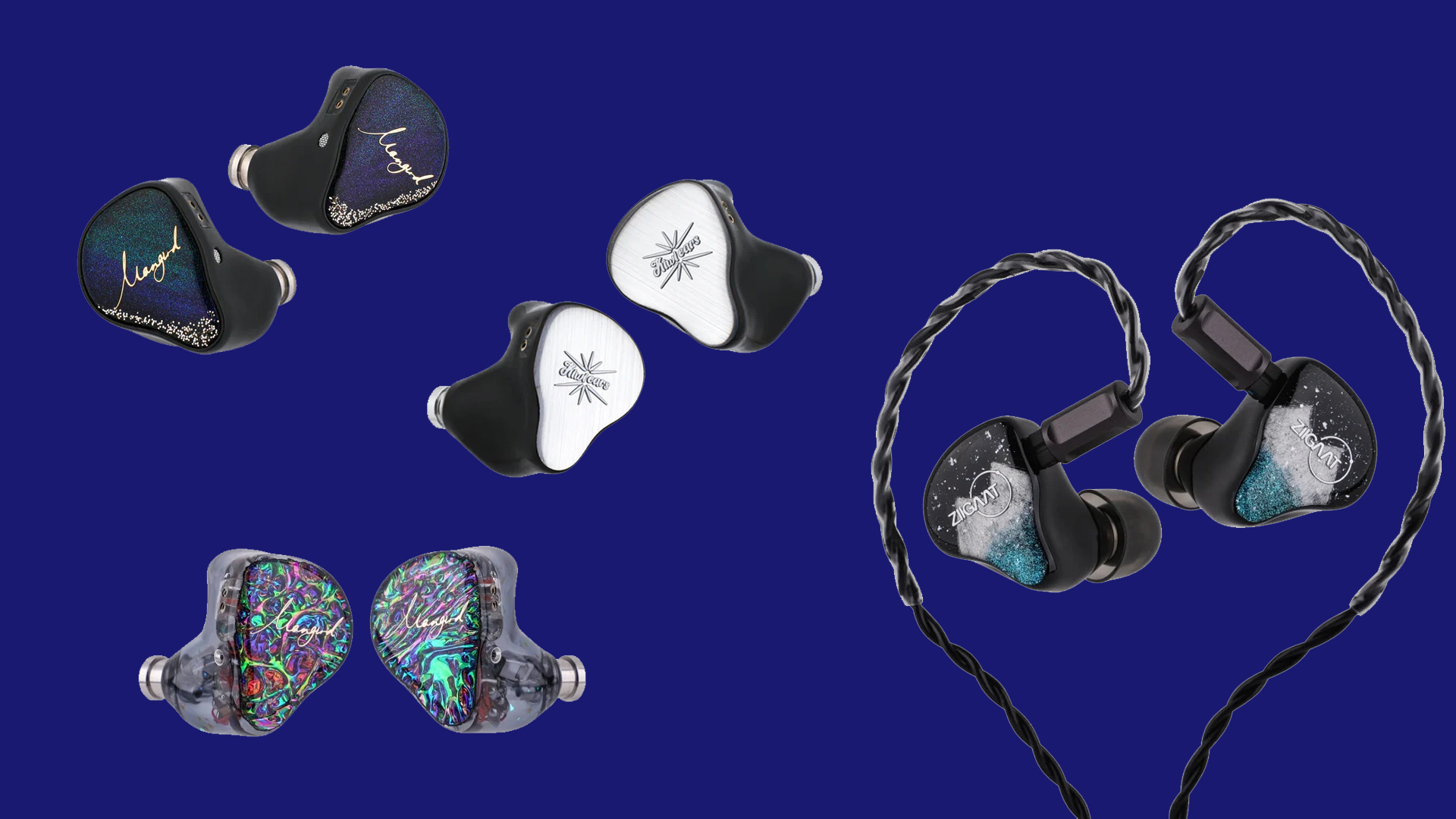
For the audio industry, the 11/11 sale is a critical juncture. Unlike traditional seasonal clearance sales, this period often features the introduction of new hardware and significant discounts on flagship models that have been on the market for less than a year. The current focus on IEMs highlights a shift in market demographics: younger, tech-savvy users are moving toward professional-grade monitoring equipment that was once reserved for musicians and sound engineers.
Market Analysis: Why IEMs are Gaining Traction
The surge in demand for IEMs is supported by several factors. First, the resurgence of high-resolution audio streaming and the availability of affordable, high-quality digital-to-analog converters (DACs) have made the jump to wired audio more accessible. Second, the "chi-fi" (Chinese high-fidelity) movement has democratized audio engineering, allowing boutique brands to produce monitors that compete with established legacy brands at a fraction of the cost.
Quality control has also seen a marked improvement. Previously, budget IEMs were criticized for inconsistent manufacturing. Today, major distributors have established rigorous testing protocols, ensuring that the sound signatures—whether V-shaped, neutral, or warm—are consistent across production runs. This reliability has bolstered consumer confidence, allowing for a more robust secondary and primary market.
Key Product Highlights and Pricing Dynamics
The current market landscape is characterized by a high degree of segmentation. Several models have emerged as industry benchmarks during this year’s sales cycle:

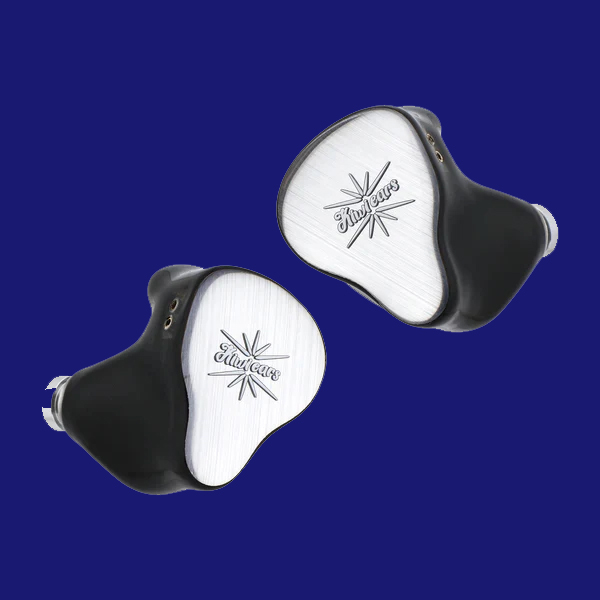
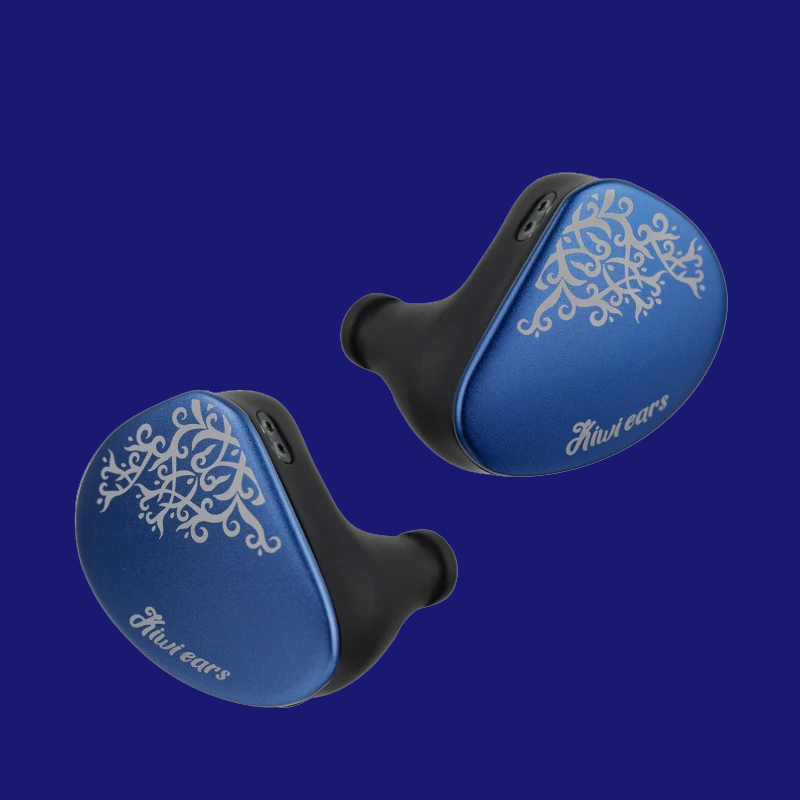
- The Mid-Range Standard: The Kiwi Ears KE4, which saw a reduction from $199 to $169, is widely considered the current benchmark for modern, versatile IEMs. Its popularity stems from a refined midrange performance and a balanced bass response, making it a "safe" recommendation for both casual listeners and entry-level audiophiles.
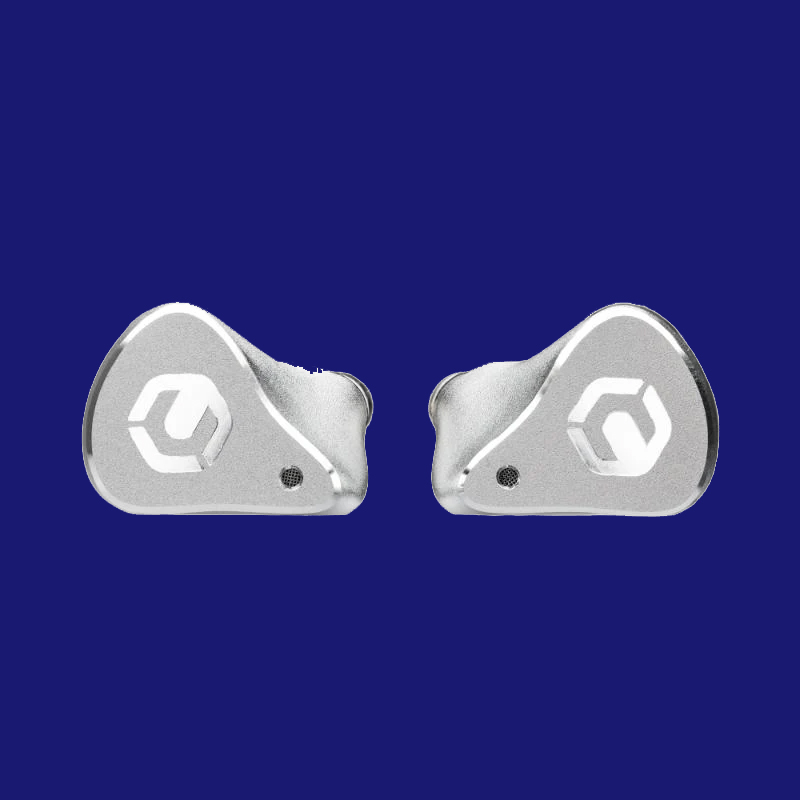
- The Analytical Choice: The Ziigaat Horizon targets the segment of the market that prioritizes treble extension and detail retrieval. While typically described as "bright," its design philosophy caters to users who prefer a clinical, separation-heavy sound profile.
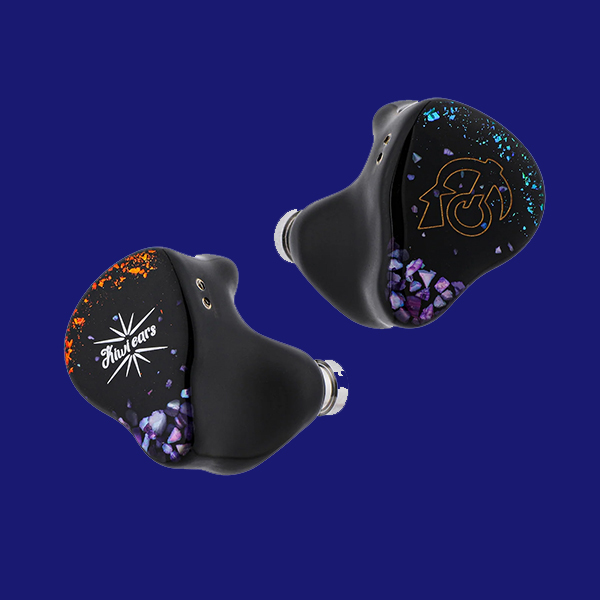
- Budget-Friendly Alternatives: Models like the Kiwi Ears Cadenza II have brought high-end design aesthetics to the sub-$50 price point. At the current sale price of $42, these units represent the entry-level tier of the audiophile journey, offering a "fun" V-shaped signature that emphasizes both bass impact and high-frequency sparkle.
- The Reference Tier: At the higher end of the spectrum, the CrinEar Reference, priced at $315, represents a premium offering aimed at enthusiasts seeking a neutral, balanced frequency response. This model illustrates the "diminishing returns" curve often discussed in audio circles, where incremental improvements in clarity and soundstage come at a significant premium.
- Bass-Centric Offerings: The Kiwi Ears HBB Punch caters specifically to the "basshead" demographic. By emphasizing lower-frequency resonance, it addresses a specific consumer demand that standard, balanced-tuned earphones often fail to meet.
The Role of Specialized Distributors
The role of distributors like Linsoul cannot be overstated in the current supply chain. By curating catalogs and providing direct-to-consumer access, these entities act as gatekeepers for quality. They bridge the gap between niche manufacturers in Shenzhen and global consumers, providing warranty support and technical guidance that was historically unavailable in the import-heavy audio market.
Their influence is so profound that the introduction of "in-house" brand lines—such as the upcoming Linsoul Avant—signals a move toward vertical integration. This indicates that distributors are no longer just middlemen; they are becoming active participants in the design and engineering process, using data gathered from their sales platforms to inform future product development.
Broader Economic Implications
The 11/11 sale is more than just a series of discounts; it is a diagnostic tool for the health of the consumer electronics sector. High engagement in the IEM category suggests that consumers remain willing to spend on "hobbyist" gear despite broader macroeconomic concerns. The focus on wired, durable, and repairable products also reflects a growing consumer skepticism toward the planned obsolescence often associated with Bluetooth earbuds, which have lithium-ion batteries with limited lifespans.
Furthermore, the logistical efficiency of these sales cycles demonstrates the maturation of global supply chains. As retailers optimize their delivery times and warehouse management, the distance between the factory floor and the consumer’s ear continues to shrink.
Looking Ahead to Black Friday
As the 11/11 period concludes, the data gathered by manufacturers will likely dictate the strategies for Black Friday. If specific models underperform, consumers can expect even steeper discounts toward the end of November. Conversely, high-demand items may see stock shortages, leading to a tightening of prices.
For the prospective buyer, the current environment offers a unique opportunity to enter the world of high-fidelity audio. Whether one is seeking the analytical precision of a monitor tuned for studio work or the warm, immersive sound signature favored by casual listeners, the current market offers a level of choice and price-to-performance value that was unimaginable a decade ago.
The shift is clear: the audio industry is moving away from the "disposable" tech model toward a sustainable, performance-oriented future. As the 11/11 sales draw to a close, the focus now turns to whether this momentum can be sustained through the holiday season, setting the tone for consumer electronics trends in 2025.