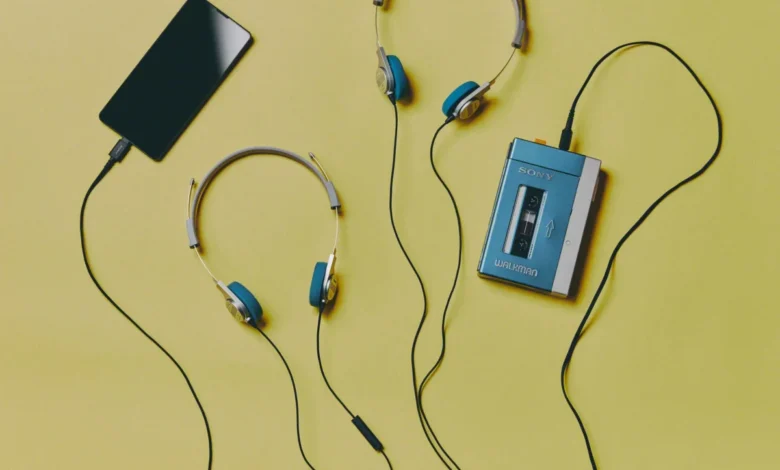
The landscape of personal audio is currently witnessing a paradoxical shift, as the dominance of wireless, noise-canceling, and computationally intensive earbuds encounters a formidable challenger: the humble wired headphone. For years, the industry marched toward a seamless, tether-free future, yet a growing demographic of audiophiles and style-conscious consumers is actively reversing course. Driven by a fascination with "newtro" aesthetics—the marriage of new technology with retro design—Sony has responded to this cultural undercurrent by reissuing one of its most storied pieces of hardware: the Sony MDR-3R.
This release represents more than a simple product launch; it is a calculated acknowledgment of the enduring legacy of the 1980s personal audio revolution. By updating the internals of a design that originally defined the portability of music, Sony is attempting to bridge the gap between the convenience-oriented modern listener and the tactile, analog-centric sensibilities of the past.
A Chronology of Portable Sound
To understand the significance of the MDR-3R, one must look back at the late 1970s and early 1980s. In 1979, Sony changed the trajectory of consumer electronics forever with the introduction of the TPS-L2 Walkman. This device did not just play music; it created a private space for the user in a public environment. Accompanying these devices were the MDR-3 headphones, which became the gold standard for portable listening.
The MDR-3 were characterized by their open-backed design, extreme lightweight profile, and distinct, brightly colored foam earpads. They were comfortable, portable, and, crucially, allowed the listener to maintain a level of situational awareness, a feature that stands in stark contrast to the aggressive noise isolation of modern In-Ear Monitors (IEMs). Throughout the 1980s, the MDR-3 and its successors became synonymous with urban mobility and the rise of the mixtape culture.
For decades, these headphones lived on only in the secondary market. Collectors’ forums and vintage audio archives have long documented the fervor surrounding original pairs, despite the inevitable degradation of the foam pads over time. The "cassette futurism" movement, which celebrates the aesthetic of the analog era, eventually elevated the MDR-3 to cult status, prompting Sony to realize that the intellectual property it held was far from obsolete.

Design Integrity Meets Modern Connectivity
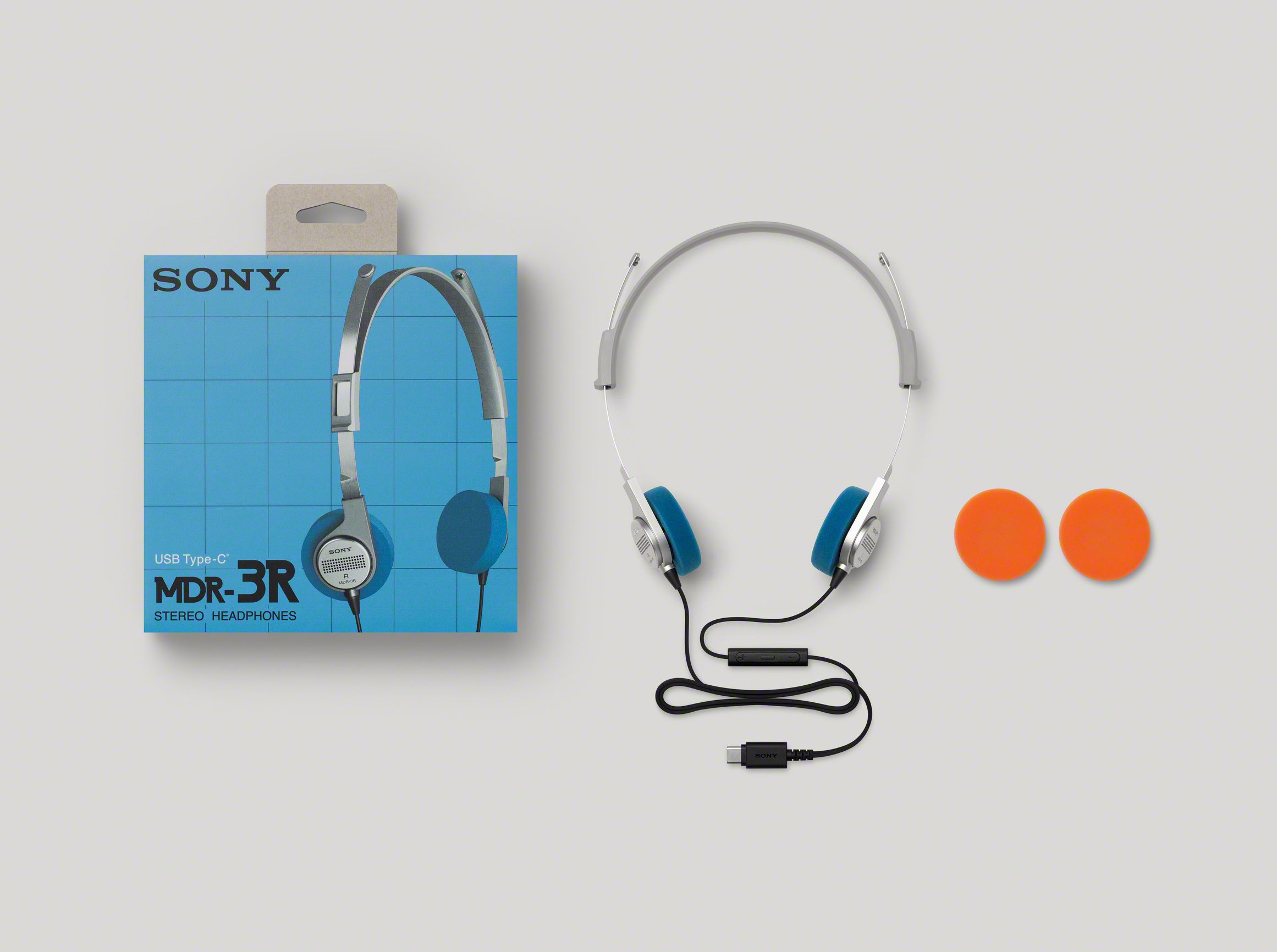
The newly unveiled MDR-3R adheres strictly to the original’s visual DNA. The slender, stainless steel headband sliders remain, providing the same minimalist aesthetic that made the original so recognizable. The aluminum detailing and the specific, perforated pattern over the drivers are preserved, ensuring that the unit retains its heritage charm.
However, beneath this retro exterior lies a significant engineering overhaul. The primary challenge for Sony was to ensure that a device designed for analog cassette players could function in an ecosystem dominated by digital streaming and high-bitrate files. The company has revised the internal drivers to reflect contemporary acoustic standards. The 23mm drivers have been meticulously re-engineered based on the original technical blueprints but tuned for modern bass response and frequency clarity.
The most pragmatic update is the inclusion of a USB Type-C connector. This shift allows the headphones to interface directly with modern smartphones, tablets, and laptops, bypassing the need for bulky external DACs (Digital-to-Analog Converters) or adapters. The addition of an inline remote control—capable of handling volume, playback, and voice assistant integration—modernizes the utility of the device without disrupting the classic silhouette. Furthermore, the inclusion of a built-in microphone positions the MDR-3R as a functional tool for professional calls and remote work, catering to the modern hybrid-office lifestyle.

Market Data and the "Wired" Renaissance
Market research indicates that the "wired" trend is not merely a niche hobbyist preference but a growing segment of the headphone market. According to recent consumer electronics reports, the interest in wired headphones has seen a consistent, albeit modest, uptick over the past three years. This trend is often attributed to three factors: lower latency for gaming, the absence of battery-life anxiety, and the psychological appeal of "analog" hardware in an increasingly digital, intangible world.
At a weight of just 38 grams, the MDR-3R is currently the lightest over-ear headphone in Sony’s global lineup. This is a deliberate design choice aimed at "fatigue-free" listening. In an era where many wireless headphones weigh upwards of 250 to 300 grams due to internal batteries and complex circuitry, the MDR-3R offers a minimalist alternative that prioritizes long-term comfort.
A Strategic Collaboration: Stranger Things
Sony has augmented the launch of the MDR-3R by leaning into the cultural phenomenon of Stranger Things. The hit Netflix series has been a primary driver of the "80s revival" aesthetic in popular culture. By offering a limited-edition version of the MDR-3R in a red-and-black colorway—reminiscent of the show’s color palette and the general "Upside Down" aesthetic—Sony is effectively marketing to a generation that did not experience the original 80s boom but is deeply invested in its romanticized version.
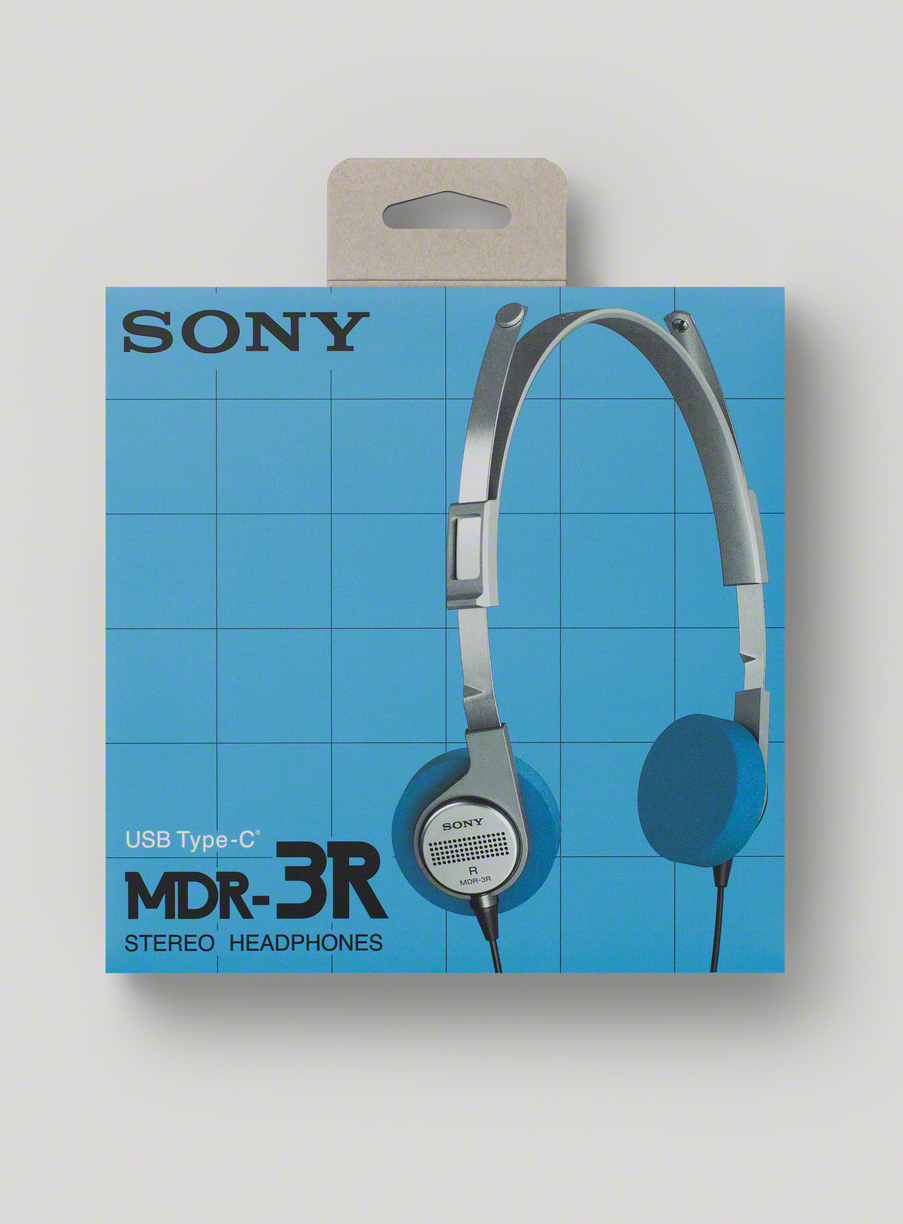
This collaboration is a masterclass in demographic targeting. It connects with older consumers through genuine nostalgia and attracts younger consumers through pop-culture relevance. By packaging the headphones in designs that mirror the original boxes from four decades ago, Sony is capitalizing on the "unboxing" experience, a vital component of modern retail success.
Implications for the Audio Industry
The reintroduction of the MDR-3R highlights a broader shift in how legacy electronics companies manage their back-catalogs. Rather than letting older designs fall into obscurity, there is an increasing incentive to "remaster" hardware just as film studios remaster classic cinema.
The implication for the industry is clear: consumers are seeking a return to simplicity. While wireless technology continues to advance, the complexity of managing Bluetooth pairing, firmware updates, and battery degradation has created a "convenience fatigue." The MDR-3R provides a solution that is "plug-and-play" in the most literal sense.

Furthermore, this move suggests that Sony is confident in its ability to compete on sound quality even at a lower price point. By pricing the standard MDR-3R at £49 (€59) and the limited edition at £59 (€69), Sony is positioning these headphones as an accessible entry point for consumers who want a reliable, high-fidelity experience without the high costs associated with premium wireless noise-canceling headphones.
Future Outlook
As the line between retro-nostalgia and high-end audio continues to blur, the success of the MDR-3R will likely serve as a litmus test for future reissues. If these units perform well, it is highly probable that other manufacturers will begin digging through their archives to revive classic designs.
For now, the Sony MDR-3R stands as a testament to the fact that good design is cyclical. By honoring the technical limitations of the past while embracing the digital necessities of the present, Sony has crafted a product that feels both familiar and refreshingly modern. Whether the consumer is a nostalgia-seeking audiophile or a Gen-Z trend follower, the MDR-3R offers a tangible, lightweight, and surprisingly sophisticated way to engage with music in an increasingly digital world. As the market for retro-tech matures, the "wired" comeback seems less like a passing fad and more like a permanent correction to the overly complex nature of contemporary personal audio.
Related posts: