
Wyoming Got Its First Us Bicycle Route

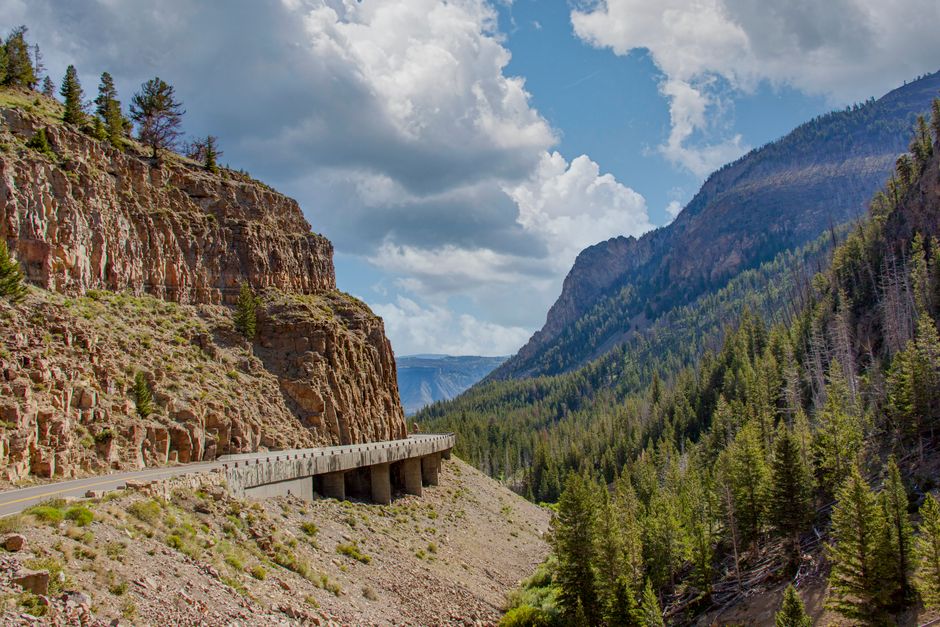
Wyoming Designated as its First Official US Bicycle Route: USBR 217 Marks a New Era for Cycling Tourism and Infrastructure
Wyoming has officially been recognized with its first U.S. Bicycle Route (USBR), designated as USBR 217. This significant achievement marks a pivotal moment for the state’s cycling community, outdoor recreation enthusiasts, and its burgeoning tourism sector. USBR 217, a 217-mile route traversing scenic landscapes and connecting significant cultural and natural attractions, will undoubtedly reshape how cyclists experience Wyoming and provide a substantial boost to local economies along its path. The establishment of USBR 217 is the culmination of years of dedicated advocacy, planning, and collaboration between state agencies, cycling organizations, and local stakeholders. This route is not merely a painted line on a map; it represents a commitment to developing world-class cycling infrastructure, promoting sustainable tourism, and highlighting the unparalleled natural beauty and unique heritage of the Cowboy State. The designation process involved rigorous evaluation by the Adventure Cycling Association, the national coordinating body for U.S. Bicycle Routes, ensuring that USBR 217 meets stringent criteria for safety, connectivity, and appeal.
The genesis of USBR 217 can be traced back to a grassroots movement within Wyoming’s cycling community, which recognized the immense potential for bicycle tourism in the state. Wyoming, known for its vast open spaces, dramatic mountain ranges, and iconic national parks like Yellowstone and Grand Teton, offers an extraordinary canvas for cycling adventures. However, without a formally recognized and connected network of bicycle routes, the state’s offerings remained largely untapped by the growing national and international cycling tourism market. Enthusiasts envisioned a route that would showcase the diverse topography, from rolling plains to rugged mountain passes, while also connecting smaller communities, providing access to historical sites, and offering opportunities for wildlife viewing. This vision was championed by organizations such as Bike Wyoming and individual advocates who tirelessly worked to identify suitable corridors, assess road conditions, and gather support from local governments and land managers. The Adventure Cycling Association, with its extensive experience in mapping and promoting long-distance cycling routes, played a crucial role in guiding Wyoming through the application and designation process. Their expertise ensured that USBR 217 would be a route that not only met their high standards but also provided a safe and enjoyable experience for cyclists of all levels.
USBR 217 is strategically designed to offer a comprehensive and immersive cycling experience, weaving through some of Wyoming’s most captivating regions. The route begins its journey in Laramie, a historic college town nestled at the foot of the Snowy Range. From Laramie, USBR 217 heads north, tracing a path that encompasses a remarkable array of natural wonders and cultural landmarks. Cyclists will traverse the high plains, offering panoramic vistas of the vast Wyoming landscape, and then ascend into the Medicine Bow-Routt National Forest, renowned for its pristine alpine lakes, dense pine forests, and abundant wildlife. Key points along the route include the historic Fort Laramie National Historic Site, a vital outpost during the westward expansion of the United States, and the Oregon Trail, where cyclists can pedal in the footsteps of pioneers. The route also offers access to areas popular for outdoor recreation, such asCurt Gowdy State Park and Vedauwoo Recreation Area, known for their distinctive granite rock formations. The final segment of USBR 217 culminates in Douglas, another town steeped in Wyoming history, particularly its connection to the cattle industry and its proximity to the interpretive center for the Oregon, California, and Mormon Trails. The deliberate selection of these points ensures that USBR 217 is not just a scenic ride but an educational and historically enriching journey.
The economic implications of USBR 217 for Wyoming are projected to be substantial. Bicycle tourism is a rapidly growing segment of the outdoor recreation industry, with cyclists often spending more per day than other types of tourists due to their need for lodging, food, and cycling-related services. By formalizing and promoting USBR 217, Wyoming is positioning itself as a premier destination for this lucrative market. Towns and communities located along the route are poised to benefit from increased visitor spending, leading to job creation and economic diversification. Local businesses, including bike shops, campgrounds, restaurants, and lodging establishments, can expect a surge in demand. Furthermore, the establishment of a designated bicycle route encourages investment in cycling infrastructure, such as improved road shoulders, signage, and designated camping areas, which can also attract local cyclists and improve overall quality of life. The long-term vision is for USBR 217 to become a recognized and sought-after cycling destination, drawing riders from across the nation and beyond, further solidifying Wyoming’s reputation as an outdoor recreation haven. The Adventure Cycling Association’s marketing efforts, coupled with state-level promotion, will be instrumental in reaching a broad audience of potential cyclists.
Ensuring cyclist safety and providing adequate infrastructure were paramount considerations throughout the planning and designation of USBR 217. The route was carefully selected to prioritize roads with lower traffic volumes and wider shoulders where possible. While some sections may still require cyclists to share the road with motorized traffic, the designation process emphasized the need for clear signage and, where feasible, the development of off-road or separated bike paths. The Adventure Cycling Association’s rigorous route-finding criteria include an assessment of traffic volume, road surface conditions, and the availability of services. In Wyoming, this involved extensive reconnaissance by experienced cyclists and collaboration with the Wyoming Department of Transportation (WYDOT) to identify sections that best meet safety and comfort standards. WYDOT has been a key partner in this initiative, committed to supporting the development of cycling infrastructure and promoting safe cycling practices. Ongoing efforts will focus on improving signage, providing updated route information, and potentially advocating for further infrastructure enhancements in the future to ensure USBR 217 remains a safe and enjoyable experience for all cyclists. Educational campaigns aimed at both motorists and cyclists will also play a vital role in fostering a culture of shared road use and mutual respect.
The establishment of USBR 217 is not an endpoint but rather a significant milestone in Wyoming’s broader commitment to expanding its cycling infrastructure and promoting outdoor recreation. The success of this first official U.S. Bicycle Route is expected to pave the way for the development of additional routes within the state, further connecting communities and highlighting the diverse landscapes that Wyoming has to offer. This initiative aligns with the growing national trend of investing in active transportation and recreational trails as a means of promoting health, sustainability, and economic development. As more cyclists discover the joys of traversing Wyoming by bicycle, the state stands to gain a reputation as a world-class cycling destination, attracting a new demographic of travelers and fostering a deeper appreciation for its natural and cultural heritage. The collaborative spirit that brought USBR 217 to fruition will undoubtedly serve as a model for future endeavors, ensuring that Wyoming continues to evolve as a premier destination for outdoor adventure and a leader in bicycle tourism. The long-term vision for cycling in Wyoming includes not only the expansion of the USBR network but also the integration of local trails and cycling-friendly amenities, creating a truly comprehensive and accessible cycling experience for residents and visitors alike.


