
Puffling Patrol Westman Islands

Puffling Patrol Westman Islands: A Comprehensive Guide to Puffins and Their Protection
The Westman Islands, a volcanic archipelago off the south coast of Iceland, are renowned for their dramatic landscapes, abundant birdlife, and most notably, their thriving population of puffins. Between April and September, these charismatic seabirds, with their distinctive clown-like faces and colorful beaks, flock to the cliffs of the islands, creating a spectacle that draws visitors from around the globe. Central to the preservation of these charming creatures is the dedicated work of the puffling patrol, a volunteer initiative focused on rescuing and rehabilitating injured or disoriented puffins, particularly during their fledgling season. This article delves into the ecological significance of puffins on the Westman Islands, the challenges they face, the vital role of the puffling patrol, and how visitors can contribute to their conservation.
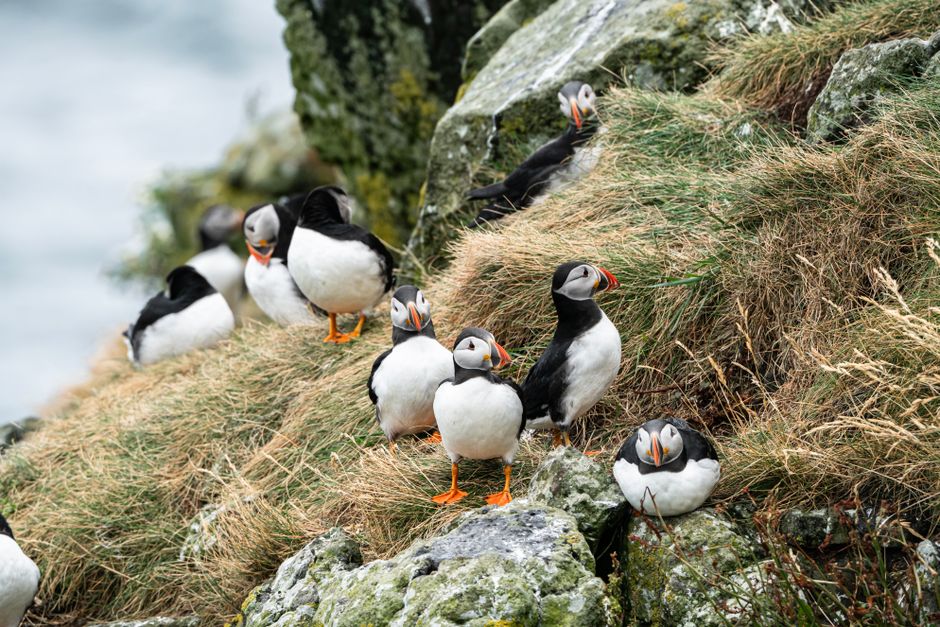
Puffins, scientifically known as Fratercula arctica, are a species of seabird belonging to the auk family. They are commonly referred to as "sea parrots" or "clowns of the sea" due to their vibrant orange legs, striking facial markings, and their comical waddle on land. Westman Islands, particularly the island of Heimaey, provide crucial breeding grounds for these birds. Their nesting habits are fascinating; they excavate burrows into the soft soil of the cliffs, where they lay a single egg. Both parents share incubation duties and the arduous task of feeding their chick, known as a puffling, with small fish. The abundance of sandeels and herring in the waters surrounding the Westman Islands directly supports the dietary needs of the puffin population, underscoring the importance of healthy marine ecosystems for their survival. The unique geological formations of the islands, with their steep cliffs and accessible nesting sites, create an ideal habitat for puffins to raise their young away from terrestrial predators.
The puffling season, typically from late August to early September, presents a critical juncture in the puffin lifecycle. Young pufflings, having spent weeks in their burrows being fed by their parents, are ready to fledge. This involves their first flight out to sea, a journey fraught with peril. On clear, moonlit nights, young puffins can become disoriented by artificial lights from coastal communities, including those on the Westman Islands. Mistaking these lights for the moon reflecting on the water, they may fly inland instead of out to sea, landing in streets or gardens, exhausted and vulnerable. This phenomenon is the primary catalyst for the establishment and operation of the puffling patrol. Without intervention, these disoriented pufflings are at high risk from traffic, predators, and dehydration.
The puffling patrol is a grassroots, volunteer-driven effort that has become an integral part of Westman Islands’ conservation strategy. Comprised of local residents, tourists, and dedicated bird enthusiasts, the patrol operates primarily during the fledgling period. Their mission is to patrol the towns and surrounding areas, particularly at night, searching for grounded pufflings. Armed with knowledge of puffin behavior and handling techniques, volunteers carefully collect these disoriented birds. The collected pufflings are then transported to designated rehabilitation centers, where they are examined by veterinarians or experienced wildlife rehabilitators.
The rehabilitation process involves a critical assessment of the puffling’s health. Factors such as dehydration, injuries sustained during their disorientation flight, and any potential physical ailments are addressed. Once deemed healthy enough, the pufflings are typically kept in a controlled environment where they are fed a diet of small fish. This period allows them to regain their strength and prepare for their return to the sea. A crucial aspect of the rehabilitation is ensuring the pufflings are in peak condition before release, maximizing their chances of survival. The success of the puffling patrol hinges on the dedication and collective effort of its volunteers, who selflessly donate their time and energy to safeguard these vulnerable birds.
The ecological significance of puffins extends beyond their intrinsic value as a species. As a keystone species, their presence and health are indicators of the overall well-being of the marine environment. A decline in puffin populations can signal broader issues such as overfishing, pollution, and climate change impacting their food sources and breeding habitats. Therefore, the protection of puffins on the Westman Islands is not merely about saving individual birds; it’s about safeguarding an entire ecosystem. Their nesting behavior also contributes to the soil aeration of the cliffs, playing a role in the island’s unique micro-ecosystems.
For visitors to the Westman Islands, the opportunity to witness puffins in their natural habitat is a major draw. Boat tours to the cliffs, particularly those that circumnavigate the islands, offer excellent vantage points for observing puffin colonies. Walking along the cliff paths, while maintaining a safe distance, also allows for close-up viewing. However, responsible tourism is paramount to minimizing disturbance to these sensitive creatures. It is crucial to follow designated paths, avoid loud noises, and refrain from attempting to touch or feed the puffins. Respecting their space ensures their breeding success and overall well-being.
The puffling patrol actively engages with the public, raising awareness about puffin conservation. Information booths are often set up, and volunteers are available to answer questions and provide guidance on how visitors can help. Tourists can contribute to the puffling patrol in several ways. Firstly, by being mindful of their impact on the environment and adhering to responsible tourism guidelines. Secondly, by donating to local conservation organizations that support the puffling patrol. These donations help fund rehabilitation supplies, veterinary care, and educational materials. Some accommodations on the Westman Islands may also have donation boxes or information about supporting the patrol.
During the puffling season, visitors can also participate directly, albeit under the guidance of experienced patrol members. Some organizations offer opportunities for supervised participation in the night-time patrols, allowing individuals to contribute to the search and rescue efforts. This hands-on experience provides a profound understanding of the challenges puffins face and the importance of the patrol’s work. It’s an opportunity to witness firsthand the dedication of the local community and to make a tangible difference in the lives of these endearing birds.
The challenges faced by puffins are multifaceted. Climate change is a significant threat, leading to changes in sea temperature and ocean currents, which can disrupt the availability of their primary food sources. Overfishing of sandeels and herring also depletes their food stocks, forcing them to travel further to forage, which can be detrimental to both parents and chicks. Pollution, particularly plastic waste, poses another danger, as puffins can ingest plastic debris or become entangled in it. The artificial lights from human settlements, as previously mentioned, are a direct cause of puffling disorientation during their fledging period. Understanding these threats is crucial for effective conservation efforts.
The long-term success of puffin conservation on the Westman Islands relies on a multi-pronged approach. This includes continued research into puffin populations and their ecological needs, sustainable fishing practices to ensure food security, efforts to mitigate climate change impacts, and ongoing public education and awareness campaigns. The puffling patrol is a vital component of this strategy, acting as a crucial safety net for disoriented pufflings. Their work not only saves individual birds but also highlights the broader conservation challenges facing these iconic seabirds.
The economic benefits of puffin tourism on the Westman Islands are undeniable. The presence of large puffin colonies attracts a significant number of visitors, supporting local businesses such as hotels, restaurants, and tour operators. This economic incentive further underscores the importance of protecting the puffin population. Sustainable tourism practices that prioritize the well-being of the birds and their habitat are essential to ensure this symbiotic relationship continues to thrive. Balancing tourism with conservation is a key objective for the Westman Islands community.
The puffling patrol is a testament to the power of community action and dedication to wildlife conservation. It is a proactive and compassionate response to a natural phenomenon that, without intervention, would lead to significant puffin mortality. The ongoing success of the patrol relies on continued volunteer recruitment, public support, and collaboration with local authorities and environmental organizations. The future of puffins on the Westman Islands is inextricably linked to the continued efforts of this remarkable initiative. Visitors seeking an authentic and meaningful experience on the Westman Islands are encouraged to learn more about the puffling patrol and consider how they can contribute to this vital conservation effort. Their participation, whether through donations, responsible tourism, or direct volunteering, plays a critical role in ensuring the survival of the beloved puffins for generations to come. The puffling patrol Westman Islands is more than just a rescue mission; it’s a symbol of Iceland’s commitment to protecting its natural heritage.


