
Tag Costa Rica Travel

Tag Costa Rica Travel: Your Ultimate Guide to Pura Vida Adventures
Costa Rica, a jewel of Central America, beckons travelers with its unparalleled biodiversity, lush rainforests, pristine beaches, and the infectious philosophy of "Pura Vida." This comprehensive guide delves into the core of Costa Rica travel, offering actionable advice, highlighting key destinations, and providing the essential information needed to plan an unforgettable journey. From adrenaline-pumping activities to serene nature escapes, Costa Rica offers a spectrum of experiences catering to every type of explorer. Understanding the nuances of its geography, climate, and cultural offerings is paramount to maximizing your trip. The country, roughly the size of West Virginia, is divided into several distinct regions, each possessing its unique charm and attractions. The Northern Plains are home to volcanoes like Arenal, while the Pacific coast boasts world-class surfing and vibrant beach towns. The Caribbean coast offers a distinct Afro-Caribbean culture and slower pace of life, and the Central Valley is the agricultural heartland and home to the capital city, San José. Mastering the art of Costa Rica travel involves strategically planning your itinerary to experience the diversity this compact nation offers without excessive travel time.
Navigating Costa Rica: Transportation and Logistics
Efficient transportation is fundamental to a successful Costa Rica travel experience. The primary international gateway is Juan Santamaría International Airport (SJO) near San José, with Daniel Oduber Quirós International Airport (LIR) in Liberia serving as a secondary option, particularly for those heading to the Guanacaste region. Within Costa Rica, several transportation methods are available. Shared shuttles are a popular and convenient option, connecting major tourist destinations with comfortable, air-conditioned vans. These can be booked in advance or through local tour operators. Private transfers offer more flexibility and comfort, ideal for groups or those with specific time constraints, albeit at a higher cost. For the adventurous and budget-conscious, public buses are an extensive and affordable network, though journeys can be longer and require more planning. Renting a 4×4 vehicle is recommended for those seeking to explore off-the-beaten-path locations, especially in the rainy season, as many rural roads can become challenging. GPS or reliable offline maps are essential. Domestic flights, operated by airlines like Sansa and Nature Air, offer a time-saving solution for covering longer distances, connecting key hubs like San José, La Fortuna, Tambor, and Tortuguero. Booking these in advance is advisable, especially during peak season. Embrace the concept of "Tico time" when planning your travel; flexibility and patience are key. Understanding the driving conditions, which can vary significantly, and accounting for potential road closures or delays due to weather is crucial for realistic time management.
Essential Costa Rica Destinations: A Region-by-Region Breakdown
Arenal Volcano National Park & La Fortuna: This iconic region is a must-visit for its dramatic volcanic landscapes and geothermal activity. The star attraction is the majestic Arenal Volcano, though current regulations restrict climbing to its slopes. The surrounding area is a playground for adventure seekers. Hike through lava fields and secondary rainforests in the park, keeping an eye out for wildlife. The highlight for many is experiencing the natural hot springs, heated by the volcano’s internal warmth. Options range from luxurious resorts with elaborate spa facilities to more rustic, natural pools. La Fortuna, the nearby town, offers a vibrant hub with a wide array of hotels, restaurants, and tour operators. Activities abound, including zip-lining through the canopy, rappelling down waterfalls (canyoning), white-water rafting on the Pacuare or Sarapiquí rivers, and exploring the Mistico Arenal Hanging Bridges Park for a unique perspective of the rainforest. The La Fortuna Waterfall provides a refreshing dip after a moderate hike. Birdwatching opportunities are exceptional here, with toucans, parrots, and various hummingbirds commonly sighted. For those interested in agriculture, coffee and chocolate tours offer insight into these crucial Costa Rican exports.
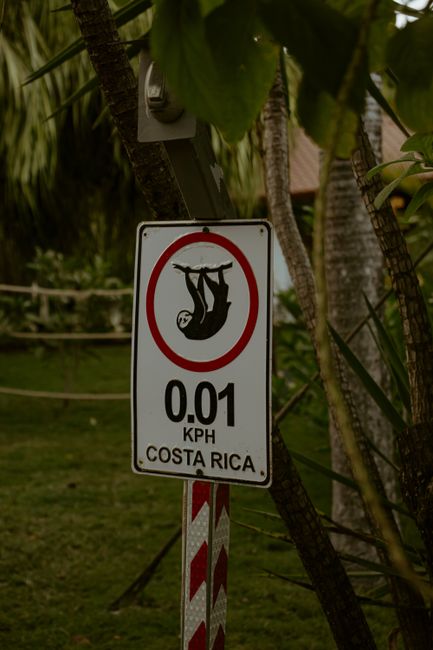
Manuel Antonio National Park: Located on the Central Pacific coast, Manuel Antonio is a postcard-perfect blend of rainforest, white-sand beaches, and abundant wildlife. Despite its relatively small size, it is one of the most biodiverse places in Costa Rica. The park trails lead through lush vegetation where you are almost guaranteed to spot sloths, monkeys (howler, capuchin, and squirrel monkeys), iguanas, and a plethora of bird species. The beaches within the park, such as Playa Manuel Antonio and Playa Espadilla Sur, are stunning and ideal for swimming and sunbathing. It’s important to note that the park has a daily visitor limit, and purchasing tickets in advance online is highly recommended to avoid disappointment, especially during peak season. Outside the park’s boundaries, the town of Manuel Antonio and its neighbor Quepos offer a wide range of accommodations, from luxury villas to budget-friendly hostels, as well as a vibrant dining scene and numerous tour operators for activities like catamaran tours, snorkeling, and surfing lessons. The sunset views from the hillside restaurants overlooking the Pacific are legendary.
Monteverde Cloud Forest Reserve: Perched high in the Tilarán Mountains, Monteverde offers a completely different, yet equally captivating, ecosystem: the cloud forest. Characterized by its perpetual mist and dense vegetation draped in mosses, ferns, and orchids, this region provides a unique wildlife viewing experience. The Monteverde Cloud Forest Biological Preserve and the Santa Elena Cloud Forest Reserve are the prime locations for exploring this ethereal environment. Guided walks are highly recommended to spot elusive creatures like the resplendent quetzal, a bird of breathtaking beauty. The ecosystem is incredibly rich, with countless insect species, amphibians, and mammals. Beyond hiking, Monteverde is a hub for adventure tourism. Its renowned zip-lining tours are among the longest and highest in the country, offering an exhilarating perspective of the forest canopy. Hanging bridges, like those in the Selvatura Park, provide a more serene way to explore the upper levels of the forest. Coffee, chocolate, and sugar cane tours are also popular, offering a taste of the region’s agricultural heritage. The cooler climate of Monteverde makes it a welcome respite from the heat of the lowlands.
Tortuguero National Park: Accessible primarily by boat or small aircraft, Tortuguero on the Caribbean coast is a remote and enchanting destination famous for its network of canals and its critical role as a nesting ground for green sea turtles. The "Amazon of Costa Rica" offers a unique jungle experience with abundant wildlife easily observable from boat tours. Expect to see caimans, crocodiles, river otters, monkeys, sloths, and an incredible array of waterbirds. The primary draw, especially between July and October, is witnessing the majestic ritual of sea turtles nesting on the beaches. Guided night tours are essential for this experience. The village of Tortuguero itself is car-free and charming, with a relaxed Afro-Caribbean vibe. The journey to Tortuguero is part of the adventure, often involving a scenic boat ride through winding rivers and canals. Kayaking or canoeing through the smaller waterways offers an intimate encounter with the ecosystem.
Guanacaste Province (Pacific Coast): Known for its dry tropical forests, volcanic landscapes, and stunning Pacific coastline, Guanacaste is a popular destination for beach lovers and surfers. Towns like Tamarindo, Playa Conchal, Nosara, and Santa Teresa offer diverse experiences, from lively surf towns with a bohemian vibe to more upscale resorts. Tamarindo is a bustling hub with excellent surfing schools, a vibrant nightlife, and a wide range of restaurants and shops. Playa Conchal is famous for its beach made of crushed seashells. Nosara and Santa Teresa are renowned for their world-class surf breaks, yoga retreats, and more laid-back atmosphere. Beyond the beaches, Guanacaste offers opportunities for exploring Rincón de la Vieja National Park, with its geothermal mud pots, hot springs, and hiking trails. Horseback riding through the dry forests is another popular activity. The dry season (December to April) is ideal for beach activities, while the green season (May to November) brings lush landscapes and fewer crowds.
The Osa Peninsula & Corcovado National Park: For the truly intrepid and nature-focused traveler, the Osa Peninsula is an unparalleled destination. Home to Corcovado National Park, often described as the "most biologically intense place on Earth" by National Geographic, this region is a haven for wildlife. Jaguars, Baird’s tapirs, scarlet macaws, and all four Costa Rican monkey species can be found here. Access to Corcovado is strictly regulated, and guided tours are mandatory, ensuring the preservation of this pristine environment. Lodging options are typically eco-lodges, emphasizing sustainability and immersion in nature. Reaching the Osa Peninsula often involves a domestic flight to Drake Bay or Puerto Jiménez, followed by boat or 4×4 transport. Hiking within Corcovado is challenging but incredibly rewarding for those seeking an authentic wilderness experience. Birdwatching is exceptional, and marine life in the surrounding waters, including humpback whales (during migration seasons), dolphins, and sharks, is abundant.
Costa Rica Travel Tips: Maximizing Your Pura Vida Experience
Best Time to Visit: Costa Rica experiences two main seasons: the dry season (December to April) and the green season (May to November). The dry season is characterized by sunshine and lower humidity, making it ideal for beach activities and hiking. However, it is also the peak tourist season, meaning higher prices and larger crowds. The green season sees more rainfall, typically in the form of afternoon showers, which keeps the landscape lush and vibrant. This season offers lower prices, fewer tourists, and excellent opportunities for wildlife viewing, especially for migratory birds and nesting turtles. The Caribbean coast, however, has a slightly different microclimate with rain possible throughout the year.
Packing Essentials: Pack light, breathable clothing suitable for warm and humid weather, including t-shirts, shorts, and long pants for hiking and mosquito protection. A rain jacket or poncho is indispensable, regardless of the season. Sturdy, waterproof hiking boots or shoes are crucial for exploring rainforests and volcanic trails. Comfortable sandals or flip-flops are suitable for beachwear. Don’t forget swimwear, a hat for sun protection, sunglasses, and reef-safe sunscreen. Insect repellent with DEET is highly recommended. A reusable water bottle will help reduce plastic waste and save money. Binoculars are a fantastic addition for wildlife viewing. A small backpack or daypack is useful for excursions. Consider bringing a waterproof bag for electronics. A universal adapter might be necessary for charging devices.
Health and Safety: Consult your doctor about recommended vaccinations and any necessary preventative measures. Dengue fever and Zika virus are present, so mosquito protection is vital. Tap water is generally safe to drink in most tourist areas, but bottled water is readily available if you have concerns. Be mindful of your surroundings and take precautions against petty theft, especially in crowded areas. Always be aware of rip currents when swimming in the ocean. Respect wildlife and maintain a safe distance; never feed wild animals. Inform someone of your itinerary and expected return times, especially when venturing into remote areas.
Currency and Budgeting: The official currency is the Costa Rican Colón (CRC), but US dollars are widely accepted in tourist areas. It’s advisable to carry some colones for smaller purchases and local markets. Credit cards are accepted in most hotels, restaurants, and larger shops. ATMs are available in most towns. Costa Rica can be an expensive destination, especially for luxury accommodations and high-adventure activities. However, budget-friendly options exist through hostels, local sodas (small, family-run restaurants serving traditional meals), and utilizing public transportation. Planning and booking in advance can often secure better deals.
Cultural Etiquette: Costa Ricans are known for their friendliness and politeness. A simple "Hola" (hello) and "Gracias" (thank you) go a long way. Tipping is not mandatory but is appreciated for good service; a tip of 10% is customary in restaurants if a service charge isn’t already included. Learning a few basic Spanish phrases will enhance your interactions and demonstrate respect for the local culture. Embrace the "Pura Vida" lifestyle – a philosophy of enjoying life’s simple pleasures, living in harmony with nature, and maintaining a positive outlook.
Sustainable Travel in Costa Rica: Costa Rica is a global leader in ecotourism, and it’s crucial for visitors to be responsible stewards of its natural beauty. Choose eco-lodges and tour operators committed to sustainable practices, such as waste reduction, water conservation, and supporting local communities. Minimize your environmental footprint by reducing plastic consumption, respecting protected areas, and not disturbing wildlife. Support local businesses by purchasing handicrafts and dining at local establishments. Leave no trace behind when hiking and be mindful of noise pollution in natural environments. Your choices as a traveler have a direct impact on preserving this precious ecosystem for future generations.
Conclusion for Tag Costa Rica Travel:
Costa Rica travel offers an unparalleled tapestry of adventure, relaxation, and natural wonder. From the fiery peaks of Arenal to the misty heights of Monteverde, the pristine beaches of Manuel Antonio to the wild heart of Corcovado, this Central American gem consistently delivers transformative travel experiences. By understanding the logistical nuances, embracing regional diversity, and committing to responsible travel practices, you can unlock the true essence of "Pura Vida." This comprehensive guide serves as a foundational resource, empowering you to craft an itinerary that aligns with your interests, budget, and desire for authentic exploration. Whether you seek the thrill of zip-lining, the serenity of a rainforest hike, or the simple joy of watching a sunset over the Pacific, Costa Rica promises an unforgettable journey. Plan meticulously, pack wisely, and open your heart to the magic that awaits in this vibrant and welcoming nation.


