The Evolution of Modular Architecture in Potion Commerce and the Application of SOLID Principles

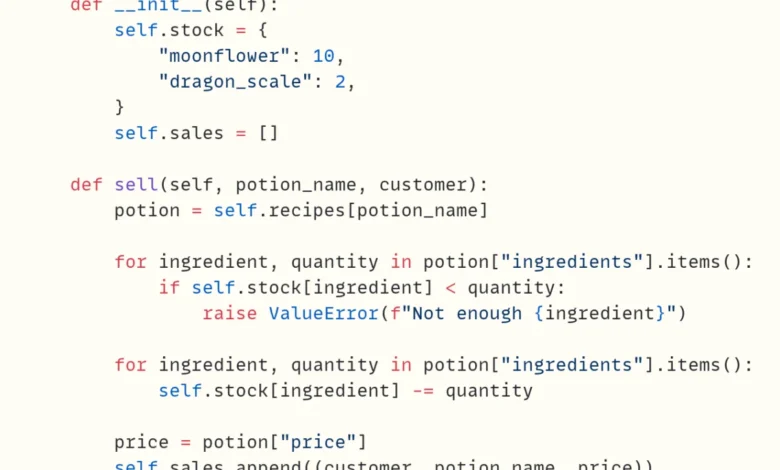
The Potion Shop, a long-standing fixture in the kingdom’s local trade ecosystem, is currently undergoing a radical technological transformation in its administrative and operational backend. For years, the shop maintained a modest but consistent operation supported by a reliable supply chain of moonflower and a specialized logistics network consisting of three owls tasked with the delivery of order confirmations and customer notifications. However, as the demands of the market have grown—specifically regarding the upcoming Moon Festival and the introduction of complex loyalty schemes—the shop’s original, monolithic software architecture has begun to falter under the weight of its own success.
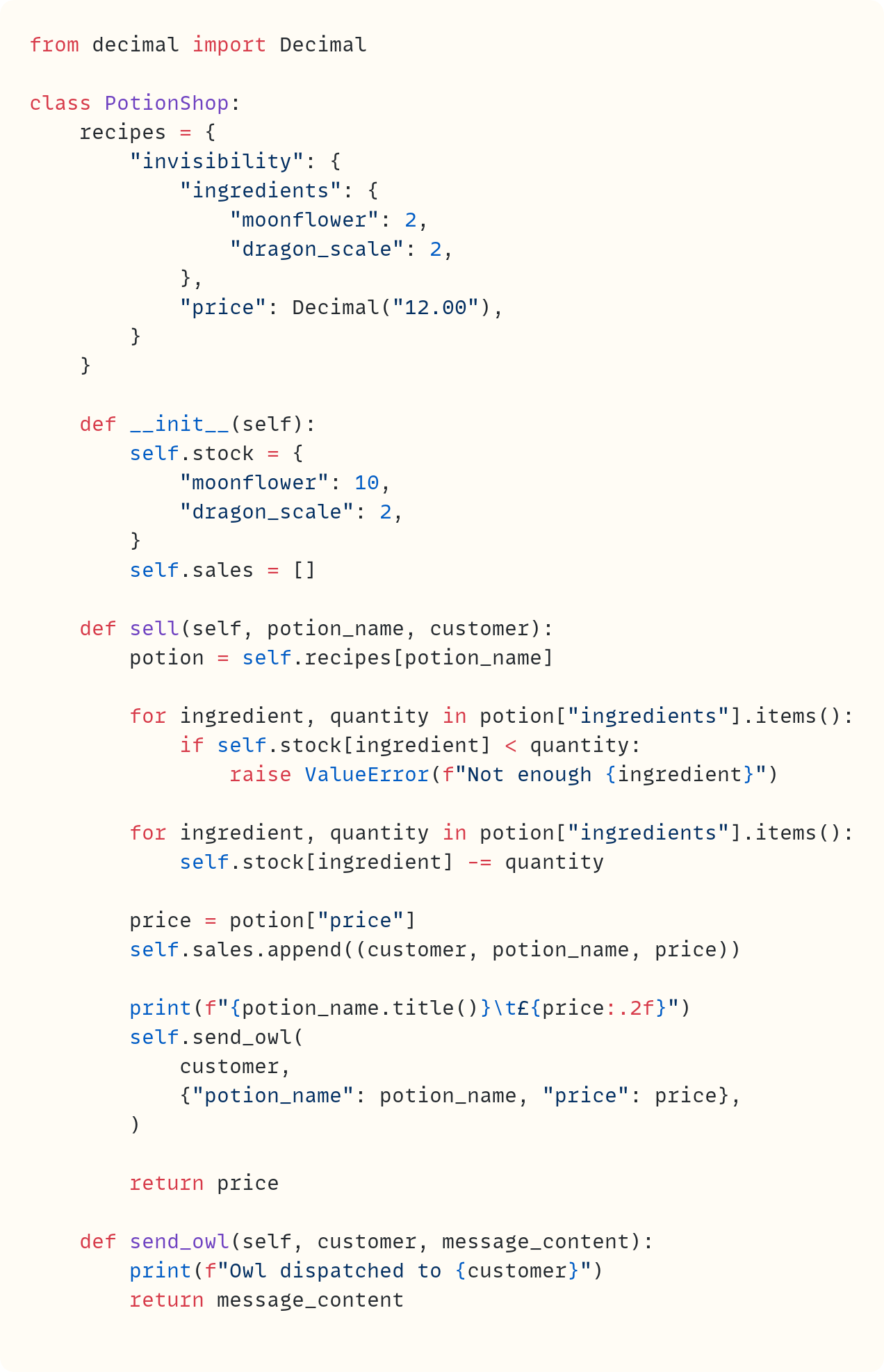
The shift toward a modular, decoupled software structure marks a significant turning point for the enterprise. By adopting the principles of object-oriented design—specifically the Single Responsibility Principle—the shop is moving away from a single, overburdened coordination method toward a specialized, service-based architecture. This transition is not merely an IT upgrade; it is a fundamental shift in how the kingdom’s small-to-medium businesses manage inventory, pricing, and customer relations in an increasingly digital era.

The Anatomy of a Monolith and the Cost of Complexity
Historically, the Potion Shop utilized a centralized system where a single method, .sell(), was responsible for everything: verifying stock, calculating prices, applying discounts, generating labels, recording sales in a ledger, and dispatching owls. Initially, this simplicity was an asset. When the shop was small, having a single entry point for all business logic meant that order execution was straightforward and predictable.
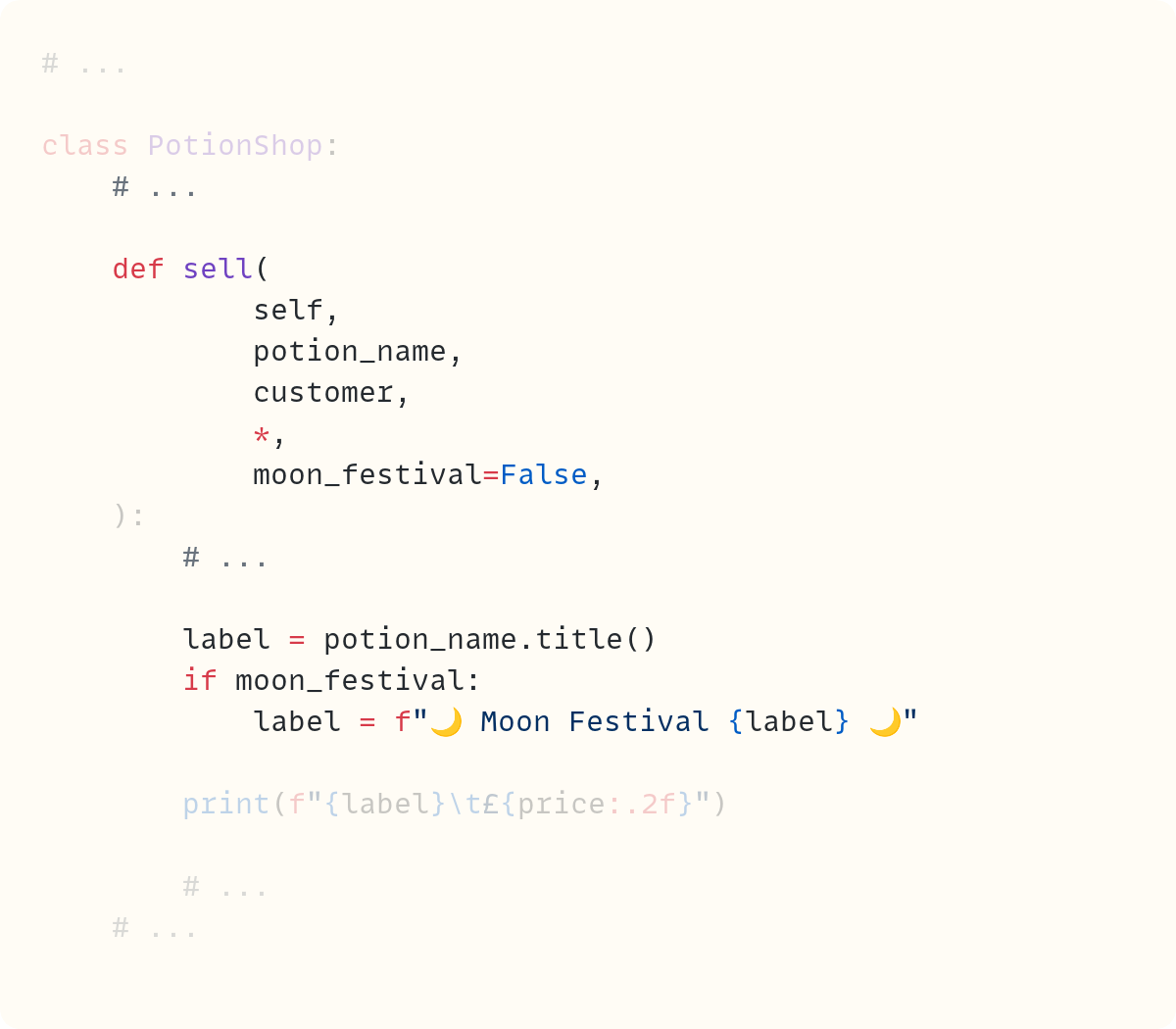
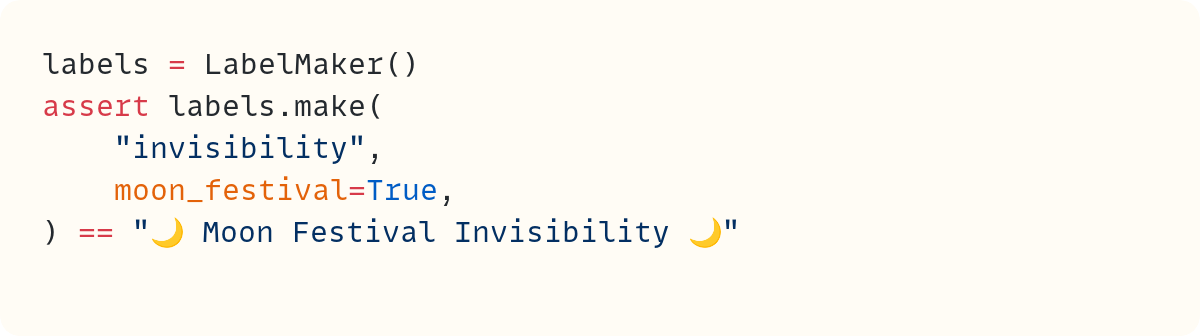
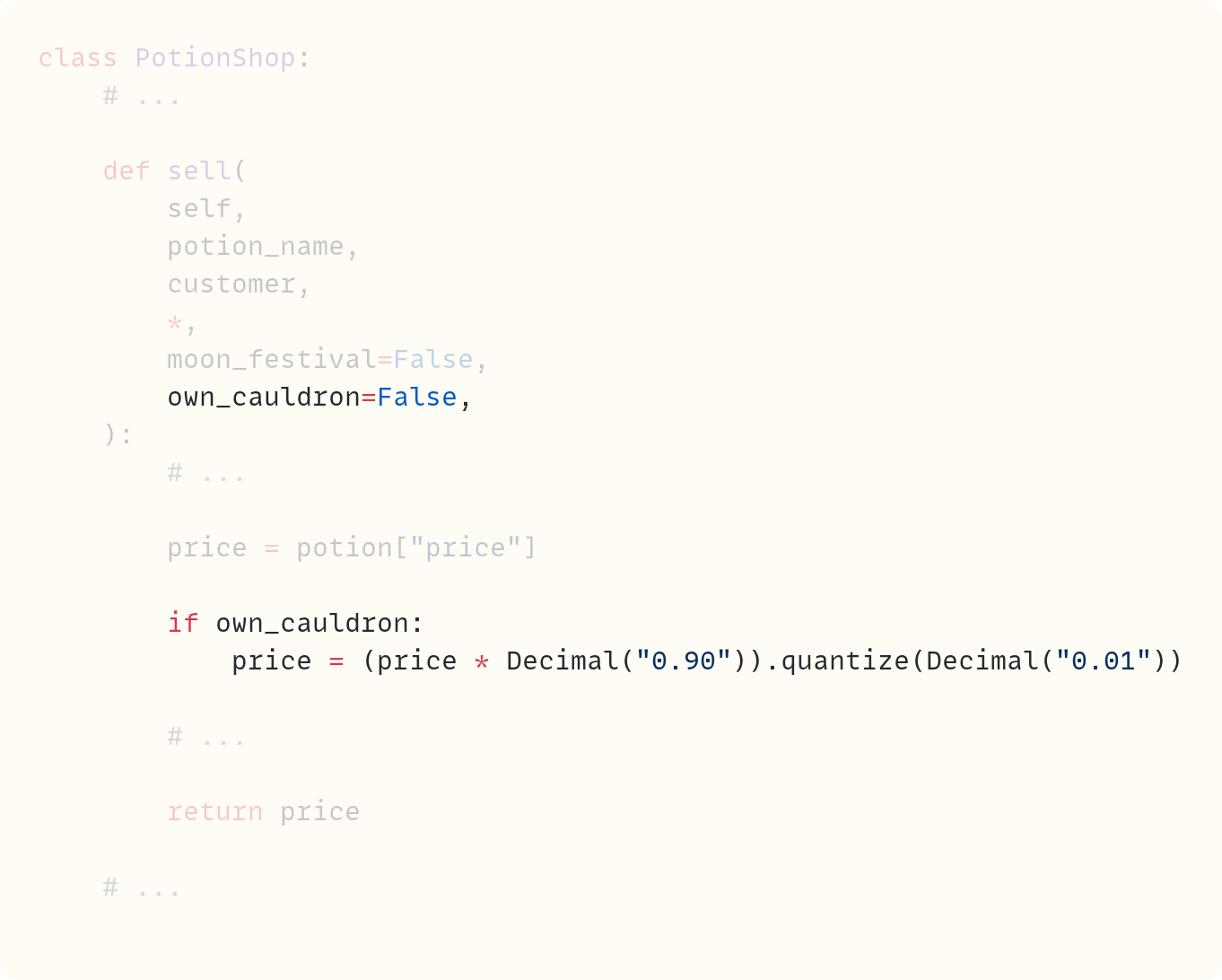
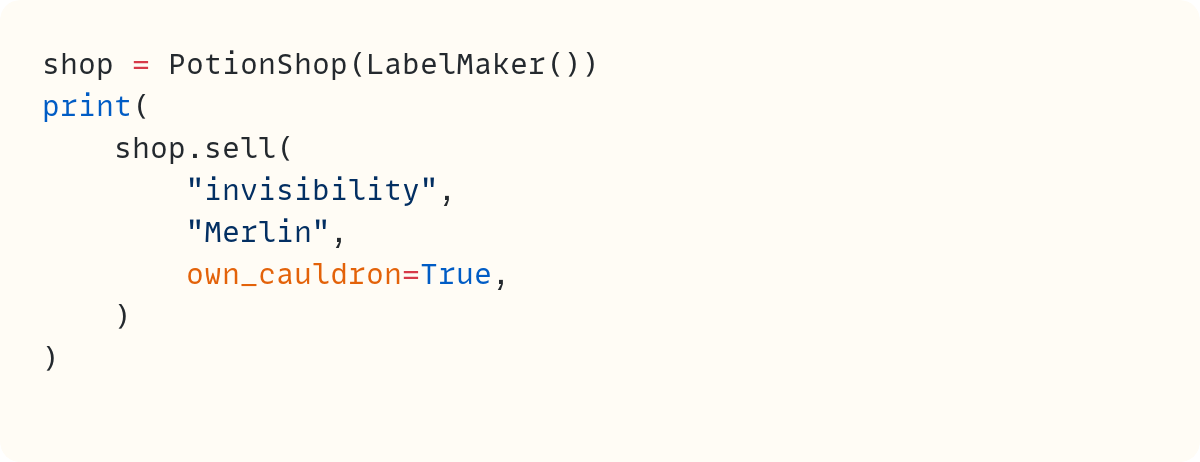
However, as business requirements diversified, the cracks in this design became apparent. The "Moon Festival" request—which required custom labels—was the first indicator that the monolithic approach was unsustainable. To implement this, developers were forced to modify the existing .sell() method, injecting conditional logic that had nothing to do with sales processing. When the business owner later requested a 10% discount for customers providing their own cauldrons, the method grew further in complexity.

This accumulation of unrelated responsibilities led to a "fragile code" state. A change in how a label was printed could theoretically cause a bug in how stock was deducted or how a price was calculated. Furthermore, testing became an arduous process. To verify that a label was being generated correctly, a developer had to perform a full mock sale, which involved inventory updates and owl dispatching—side effects that were not required for the simple task of testing a label string.
The 2024 Transition: A Chronology of Refactoring
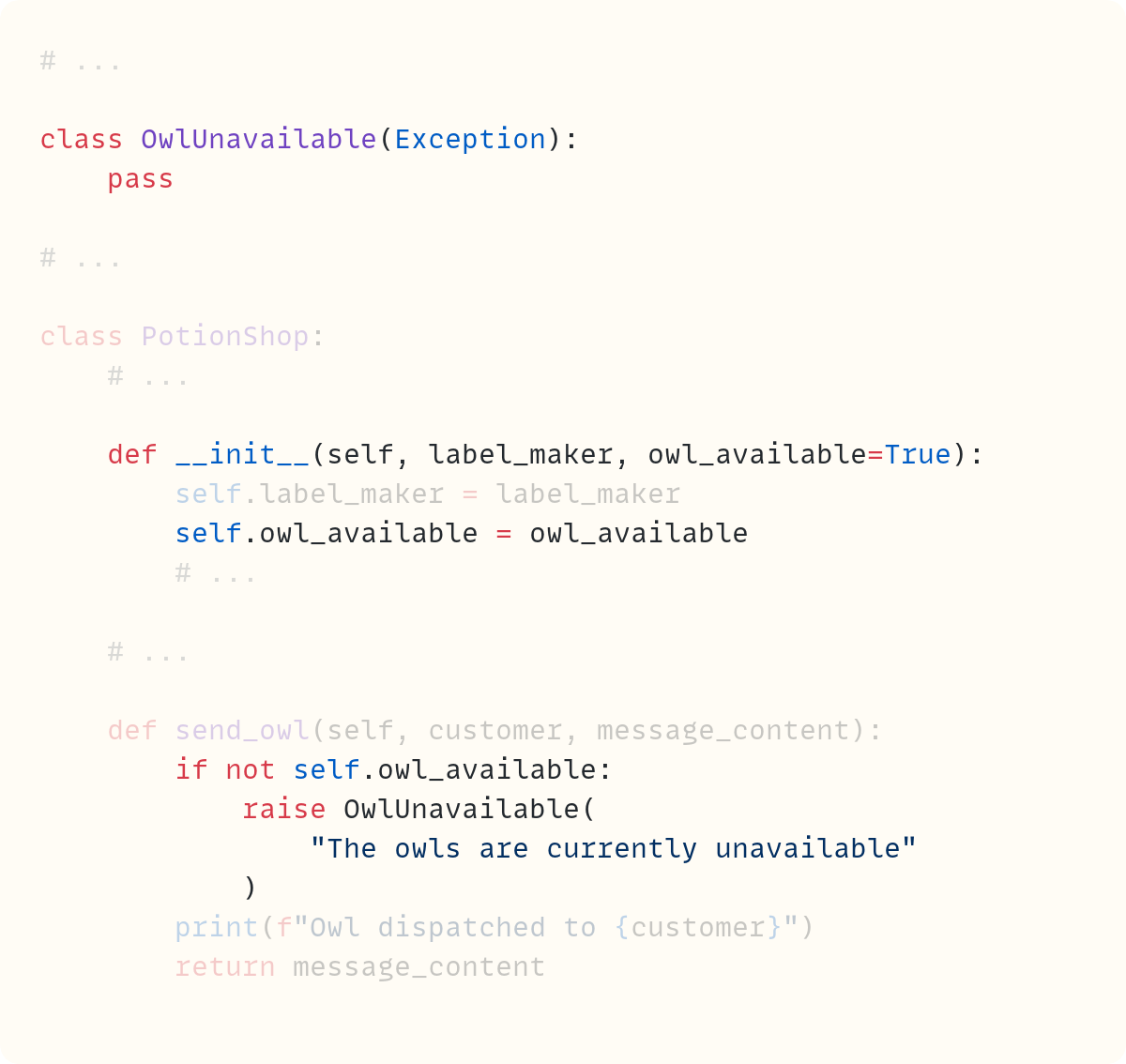
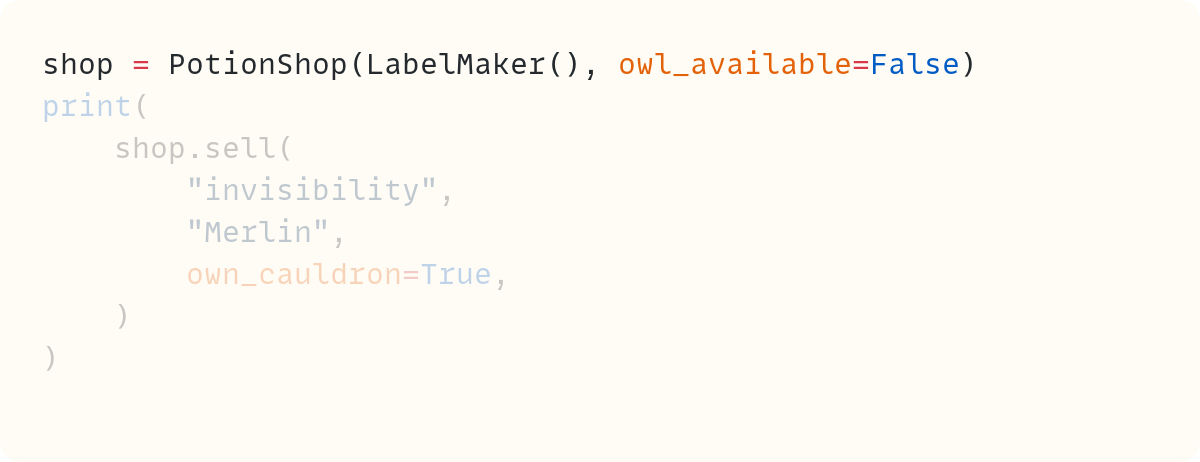
The decision to modernize the infrastructure followed a series of operational failures. In late 2024, a severe thunderstorm grounded the shop’s owl fleet, rendering the notification service completely unavailable. Under the old system, the lack of an available owl caused the entire sales process to crash. Because the system was not modular, the shop could not finalize a sale without successfully sending an owl, leading to a complete halt in revenue.
The subsequent investigation revealed that the code had already deducted inventory and recorded the transaction in the ledger before the owl service failed. This created a data integrity issue: stock had been removed, but the sale was left in a "hanging" state without a confirmation.
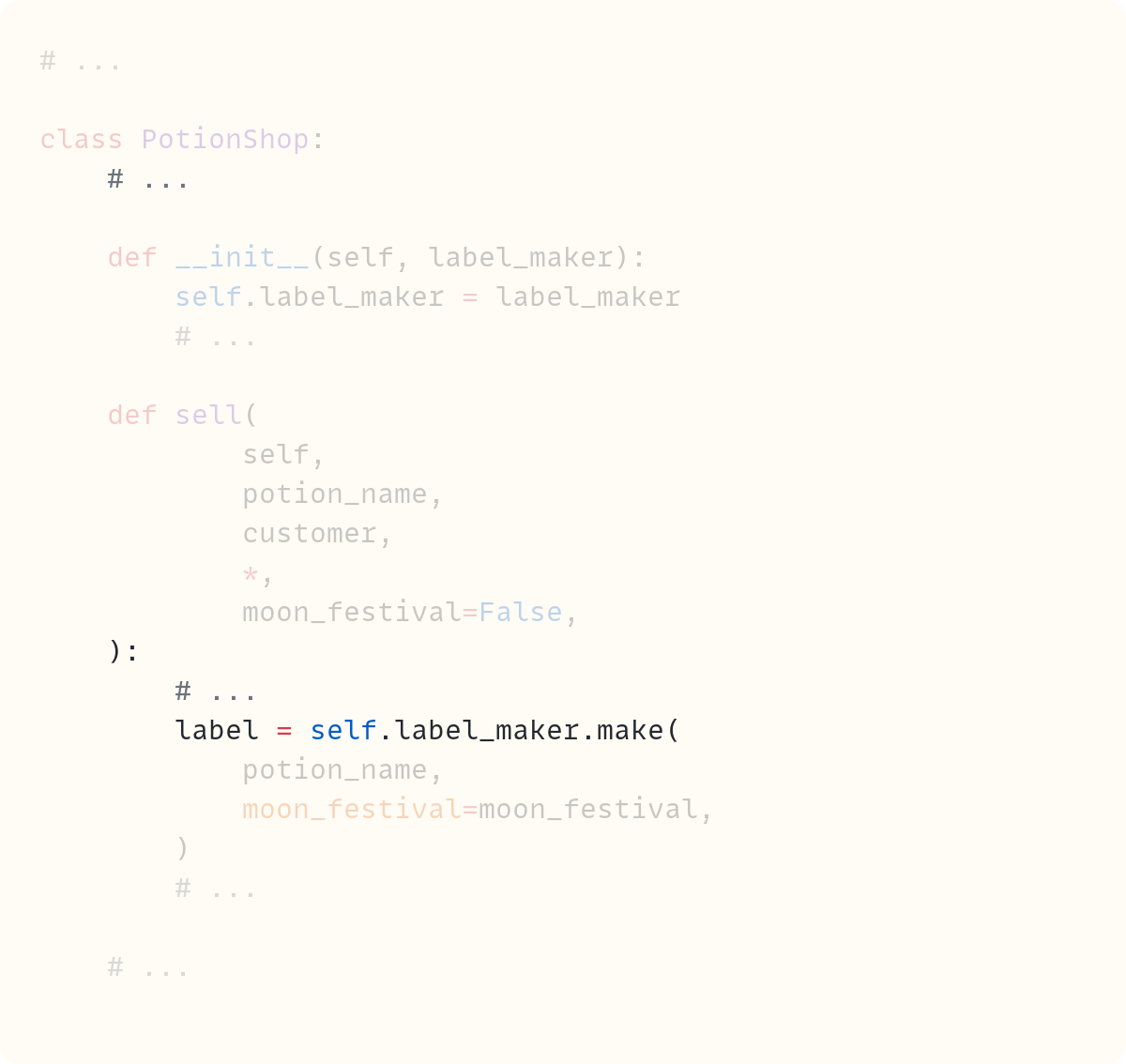
Following this, the IT department implemented a multi-stage refactoring plan:

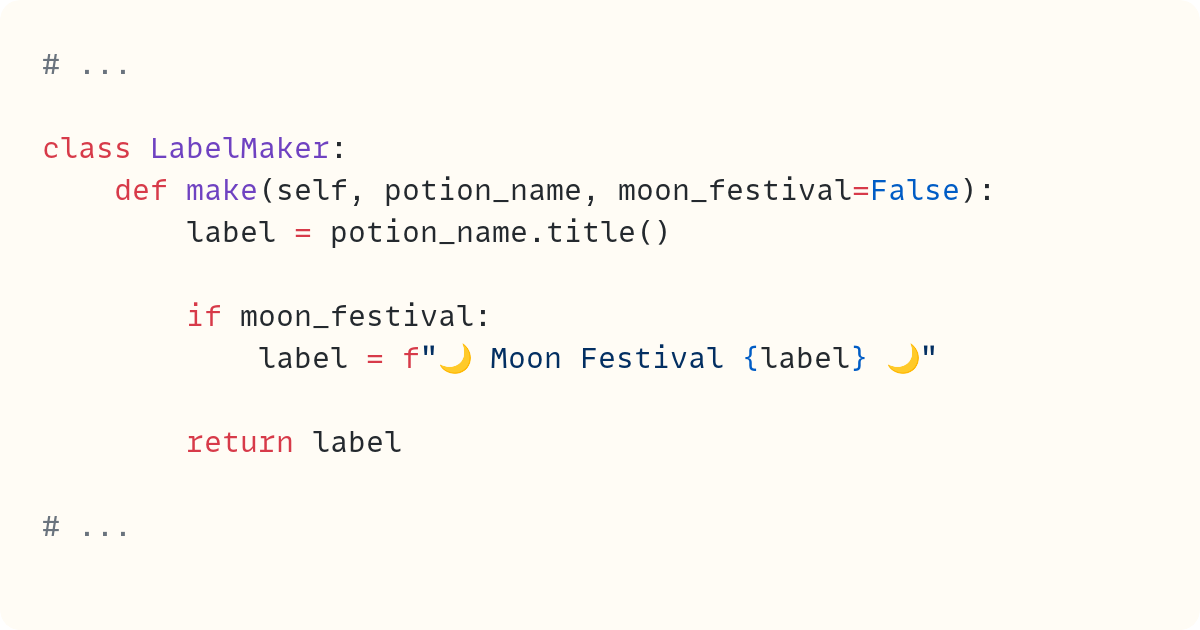
- Extraction of Logic: The label creation, pricing logic, and inventory management were extracted into their own respective classes (
LabelMaker,PriceCalculator, andInventory). - Introduction of Collaborative Objects: The shop started receiving these components as collaborators during initialization, a technique known as dependency injection.
- State Management: The sales ledger was updated to support a "pending" status, allowing the shop to record transactions even if the final notification step was delayed by external factors like inclement weather.
Data Integrity and the Role of Specialized Services
The move to specialized classes has provided the shop with granular control over its data. The Inventory class, for instance, now employs a "two-pass" verification method. It checks if all ingredients are available before performing any deductions. This prevents "partial sales," where half the ingredients might be removed before an error is thrown, a significant improvement in business reliability.
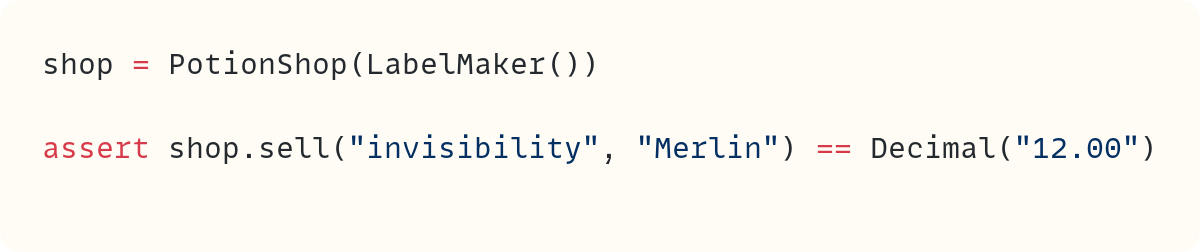
Similarly, the PriceCalculator now manages the math for discounts, such as the 10% reduction for customer-provided cauldrons. By using the Decimal type instead of floating-point numbers, the shop has eliminated rounding errors—a critical step for financial accuracy in a high-volume retail environment.
Industry Implications: The Shift Toward SOLID Design
The Potion Shop’s transition serves as a case study for the broader application of the SOLID principles, particularly the Single Responsibility Principle (SRP). The core tenet of SRP is that a class should have one, and only one, reason to change. By breaking the shop’s operations into RecipeBook, Inventory, PriceCalculator, LabelMaker, SalesLedger, and Notifier, the developers have ensured that a change in the price of dragon scales, for example, will only require an update to the RecipeBook or Inventory classes, rather than a full audit of the sales coordination logic.
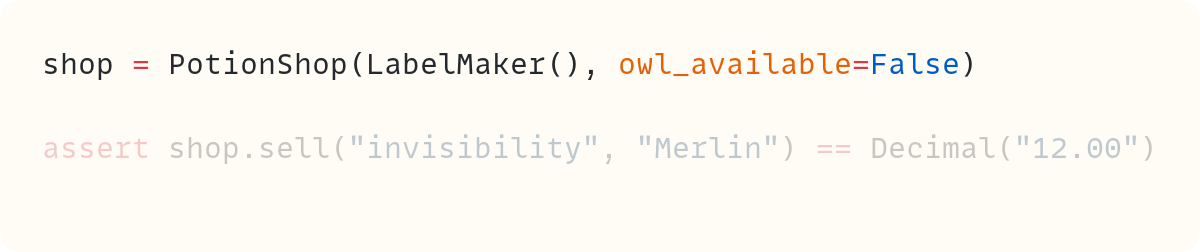
Technical experts suggest that this shift reflects a broader trend in how businesses are approaching software maintenance. In the past, companies often prioritized speed of development at the expense of maintainability. Today, as businesses scale, the cost of technical debt—the cost of "patching" a system that was never designed for growth—is proving to be a primary inhibitor of innovation.
Future-Proofing the Business
The shop owner has already hinted at further expansions: loyalty points, premium packaging, and email-based notification systems to supplement the traditional owl network. In the previous monolithic system, these requests would have been considered high-risk updates. Under the current modular architecture, the shop can integrate these new features as separate "collaborators."
For instance, adding an email notification system would simply involve creating an EmailNotifier class that adheres to the same interface as the existing Notifier class. The PotionShop coordinator would not need to know the technical specifics of how an email is sent; it would only need to know that the object possesses a .send() method.
The ongoing evolution of the Potion Shop demonstrates that while the core business of brewing and selling potions remains unchanged, the infrastructure supporting that business must be flexible. By embracing modularity, the shop has not only ensured it can survive the next thunderstorm but has also laid the groundwork to integrate the next generation of commerce technologies. As the kingdom moves toward an increasingly connected future, the Potion Shop stands as a prime example of how traditional trades can successfully adapt to modern software standards.