Streamlining Enterprise Analytics: Connecting Power BI Directly to Amazon SageMaker Unified Studio Data Catalogs

The integration of business intelligence (BI) tools with robust data science environments has long been a challenge for large-scale enterprises. Historically, organizations utilizing Microsoft Power BI alongside Amazon SageMaker Unified Studio were forced to rely on complex third-party ODBC-JDBC bridges to bridge the gap between their visualization layers and governed data repositories. These intermediaries not only introduced significant technical overhead and maintenance requirements but also imposed additional licensing costs and potential security vulnerabilities. However, a significant architectural shift has occurred with the release of the Amazon Athena ODBC driver version 2.2.0 and later, which now provides native, direct authentication support for Amazon SageMaker Unified Studio. This development marks a pivotal transition in data architecture, allowing analysts to maintain their existing workflows while accessing governed data directly through AWS infrastructure.
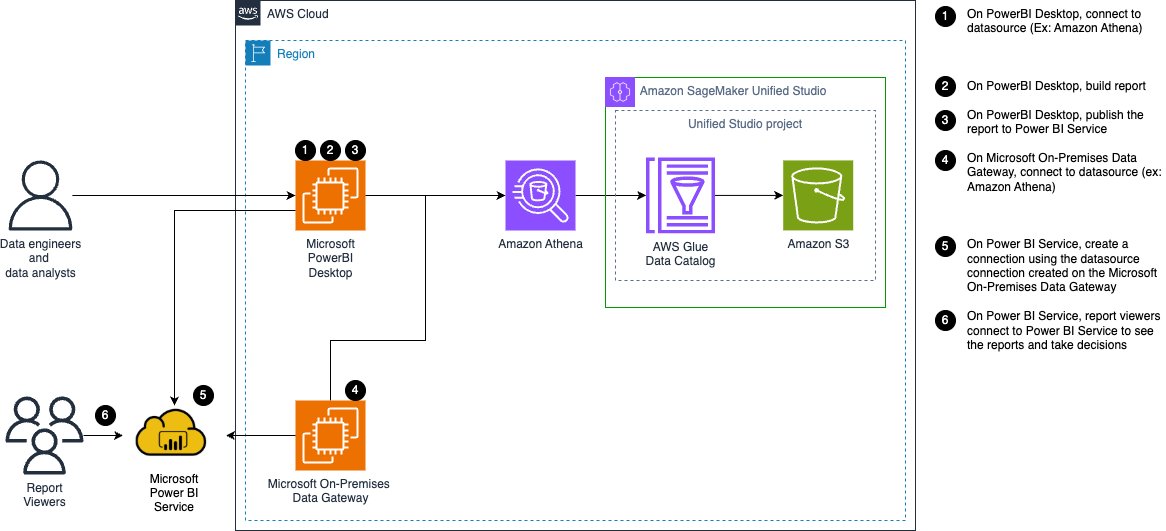
The evolution of this integration is part of a broader trend within the cloud computing sector to reduce "middleware bloat." By eliminating the necessity for third-party bridges, AWS has simplified the stack, reducing the number of moving parts that can fail during critical reporting cycles. For data teams, this means that the pathway from the AWS Glue Data Catalog—the underlying repository for SageMaker Unified Studio data—to a Power BI dashboard is now a direct line, governed by AWS-native identity and access management (IAM) protocols.
The Architectural Shift and Technical Evolution
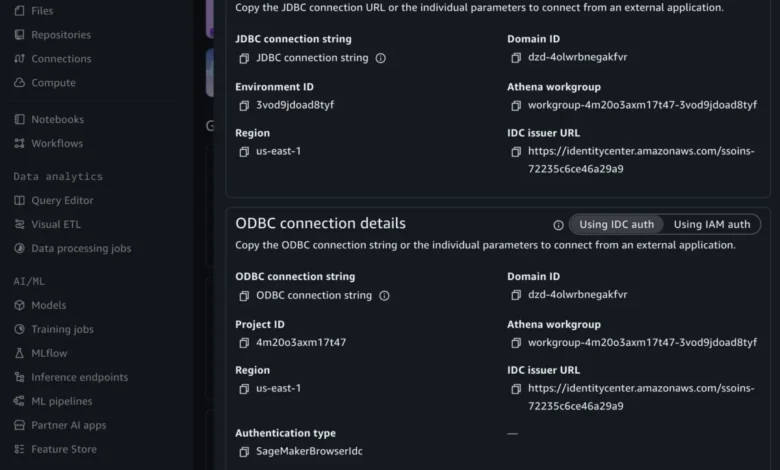
The reliance on third-party bridge software was, for many years, a necessary workaround due to the disparate authentication protocols used by Microsoft’s BI stack and Amazon’s machine learning and data governance tools. In earlier configurations, an ODBC-JDBC bridge acted as a translator, consuming server resources and requiring consistent patching. The introduction of native authentication modes, specifically SageMakerBrowserIdc and SageMakerIam, allows the Athena driver to communicate directly with SageMaker Unified Studio.
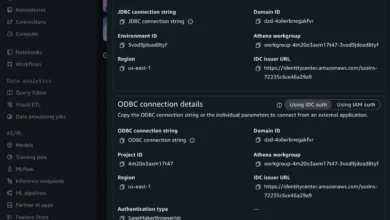
This shift is particularly relevant for research-heavy institutions, such as the University of California, Irvine (UCI). UCI, which manages vast quantities of student and research data across multiple departments, previously struggled with the "workaround culture" of data connectivity. According to Bernadette Theologidy, Manager of Student Analytics at UCI, the shift to a native driver has fundamentally changed their operational efficiency. "Our users rely on Power BI for data visualization and reporting, but connecting to governed data in AWS previously required workarounds," Theologidy noted. "The ODBC connection feature gives a direct path from Power BI into our SageMaker Unified Studio projects—no bridge software, no extra licensing, just a connection string and we’re ready to go."
Two Paths to Integration: DSN-based vs. DSN-less Connectivity
The updated driver offers two primary methods for connecting Power BI to SageMaker, each catering to different operational needs. Understanding these methods is essential for IT architects tasked with deploying these solutions across enterprise environments.
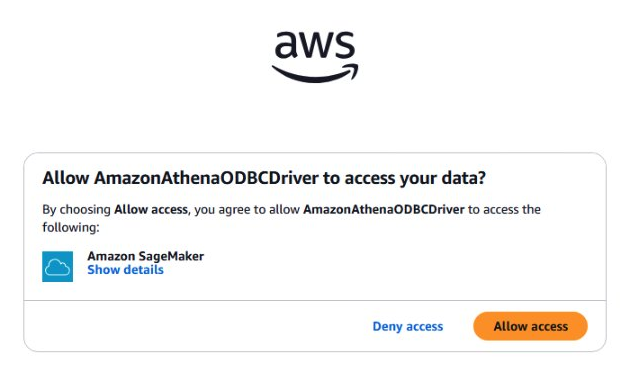
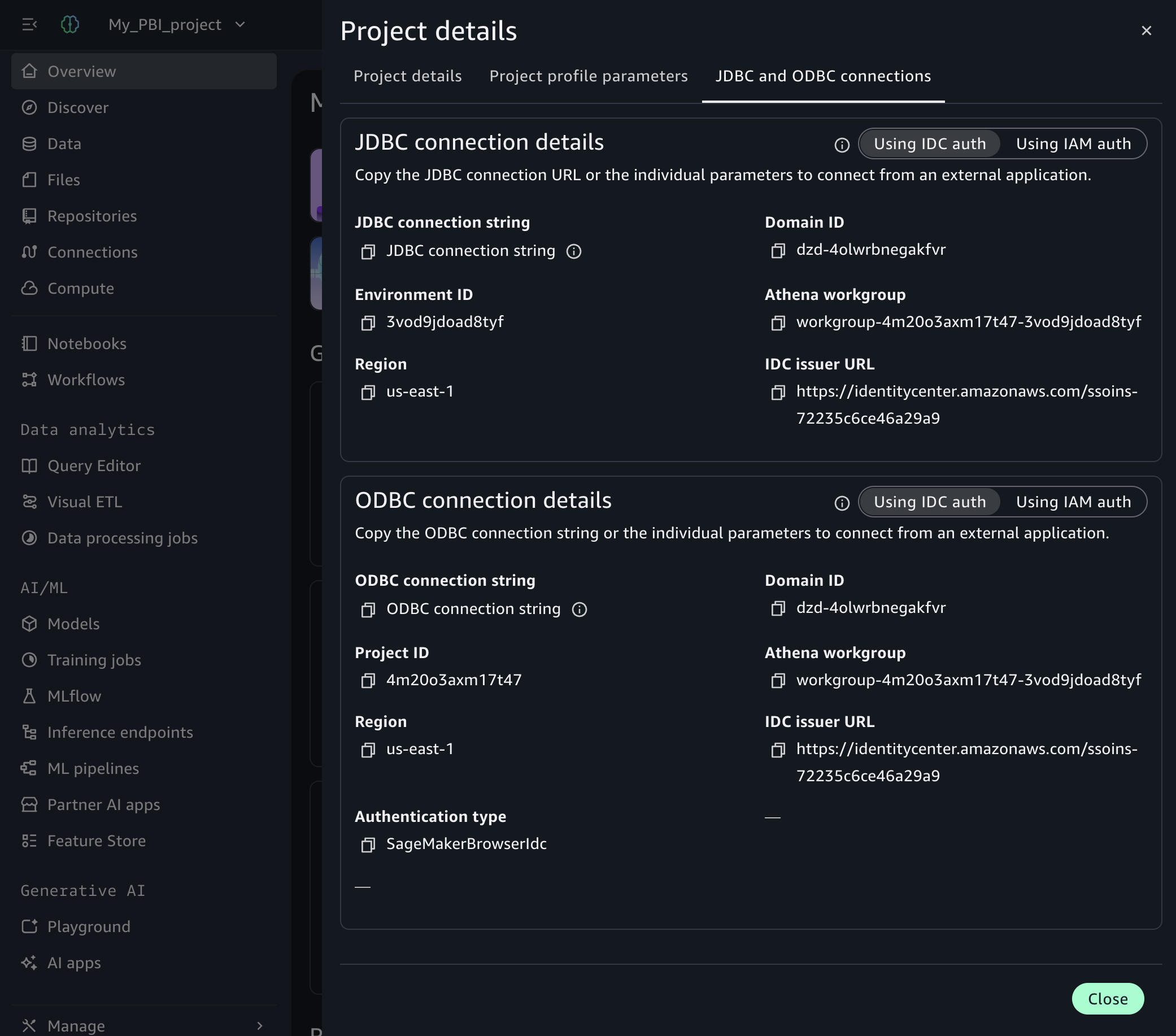
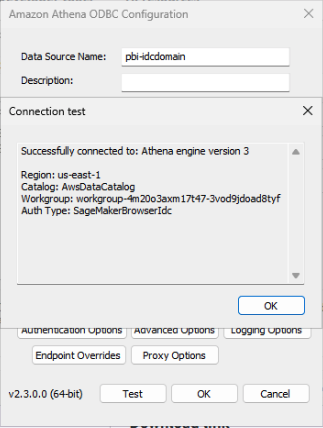
The first method involves a DSN-based connection using the Athena Power BI connector. This is the preferred route for organizations requiring live data access through DirectQuery, as well as those utilizing Import mode. By configuring a Data Source Name (DSN), users can leverage the SageMakerBrowserIdc authentication mode. This method triggers an interactive browser-based authentication flow via IAM Identity Center, making it ideal for individual data analysts who need to authenticate using their corporate SSO credentials. This approach ensures that data access is tied directly to the user’s identity, preserving granular access control policies defined in the AWS environment.
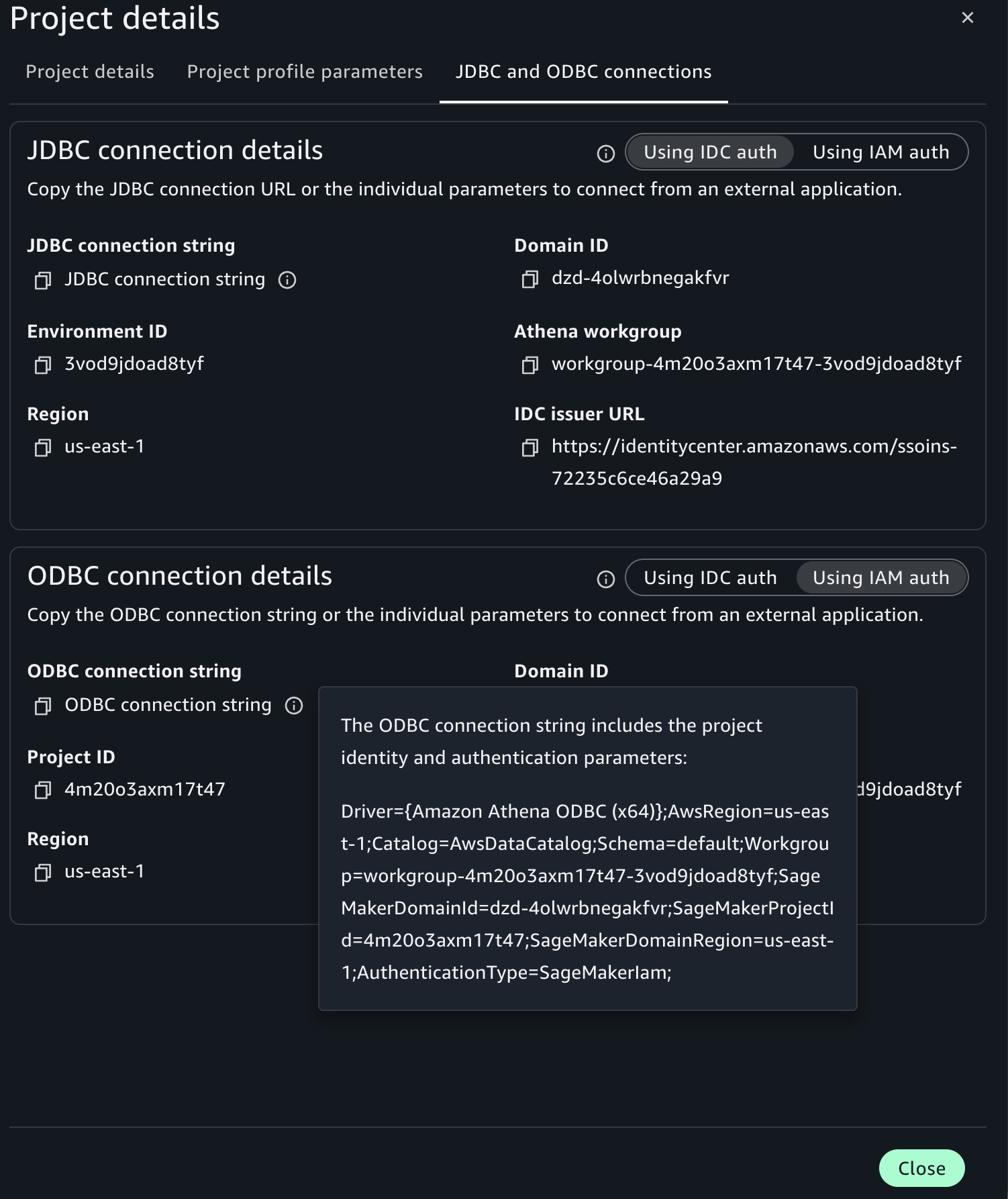
The second method is the DSN-less approach, which utilizes the Power BI ODBC connector via a direct connection string. While this method is highly streamlined—requiring no local DSN configuration—it is limited to Import mode and necessitates the use of SageMakerIam authentication. Because the DSN-less connection does not support the interactive browser-based login required by the browser-based IDC flow, it is specifically designed for automated environments, such as the Power BI Service or on-premises gateways that operate as Windows services without human intervention. In these scenarios, the system authenticates using the instance profile or the service account’s IAM credentials, which rotate automatically, ensuring long-term security without manual credential management.
Data Governance and Security Implications
The implications of this direct integration extend beyond mere convenience; they represent a significant strengthening of data governance. In traditional setups, third-party bridges often operated outside the scope of centralized IAM policies, creating "shadow" access points that were difficult for security teams to audit. By moving to a native connection, every request originating from Power BI is now authenticated through standard AWS protocols.
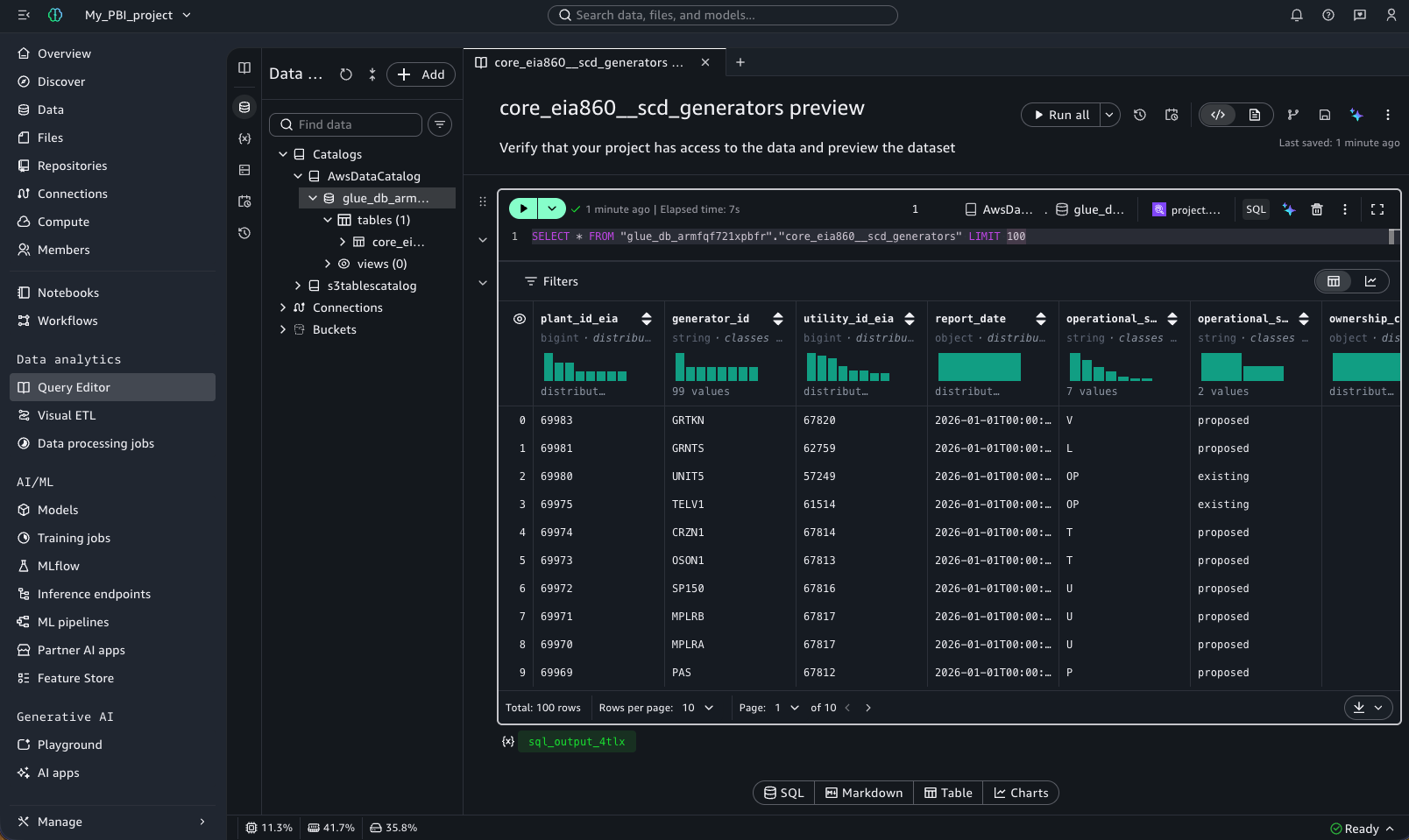
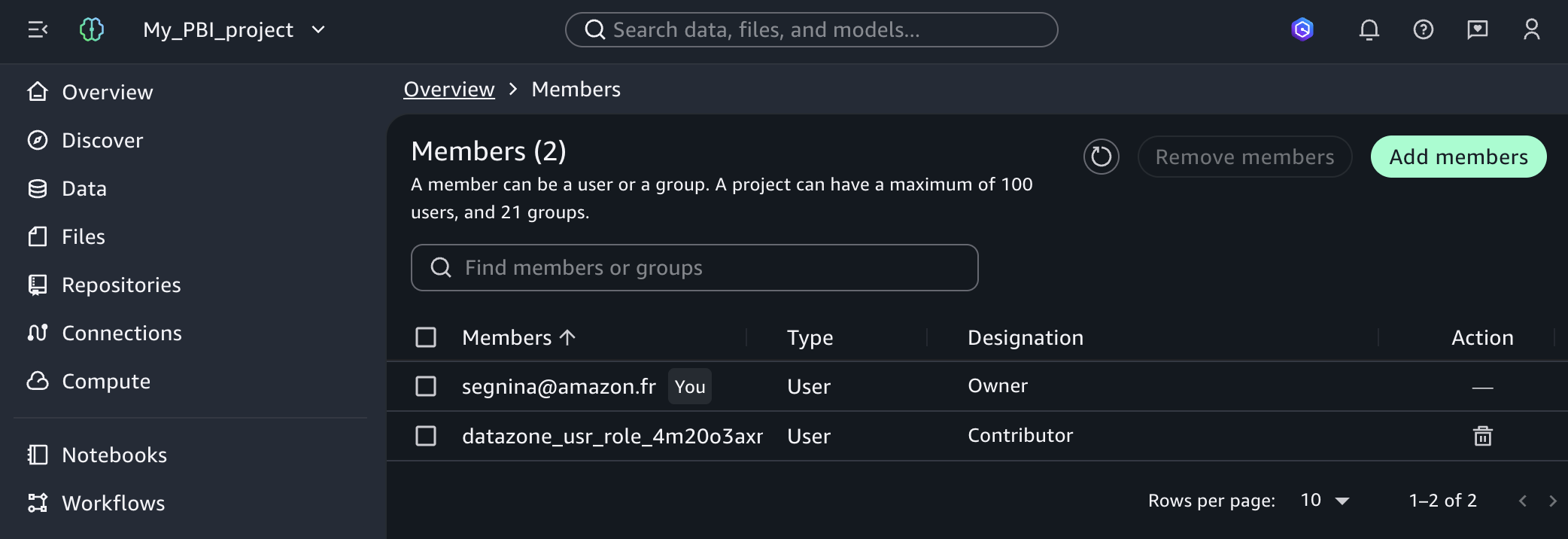
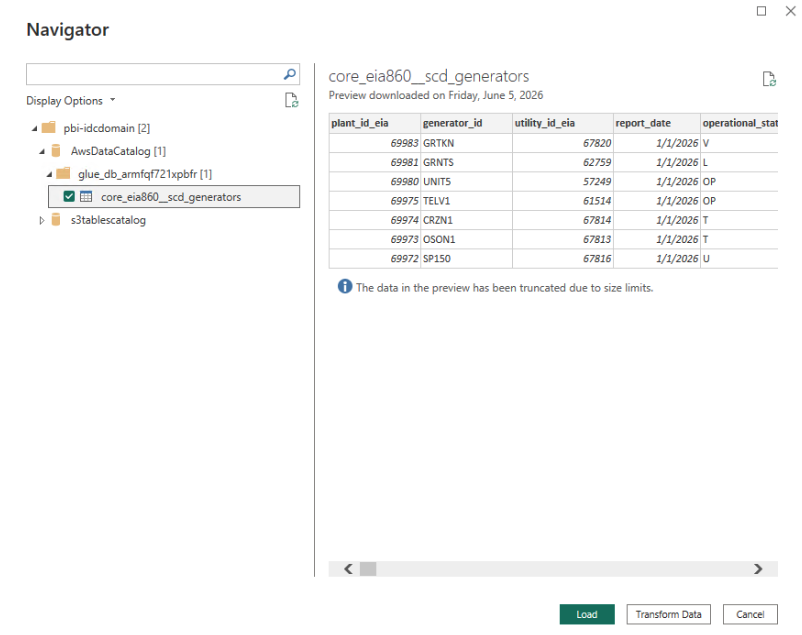
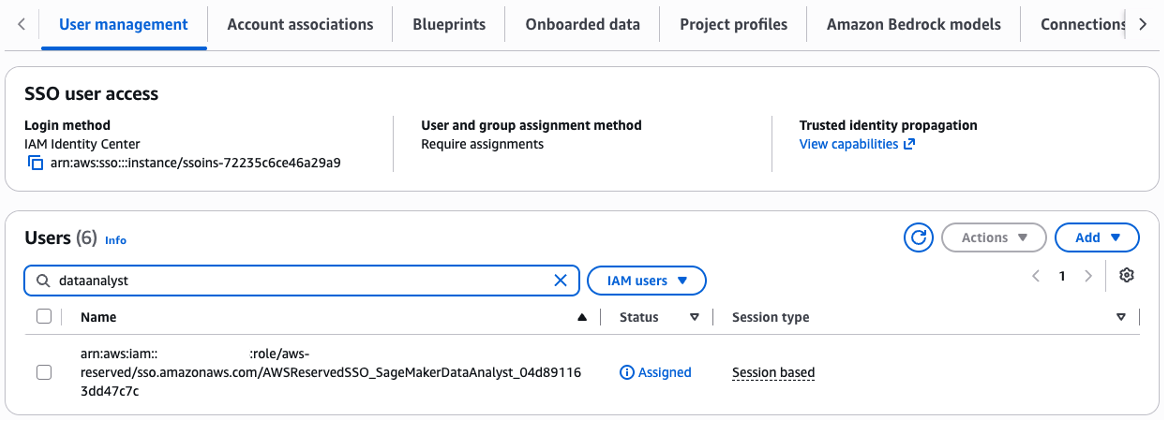
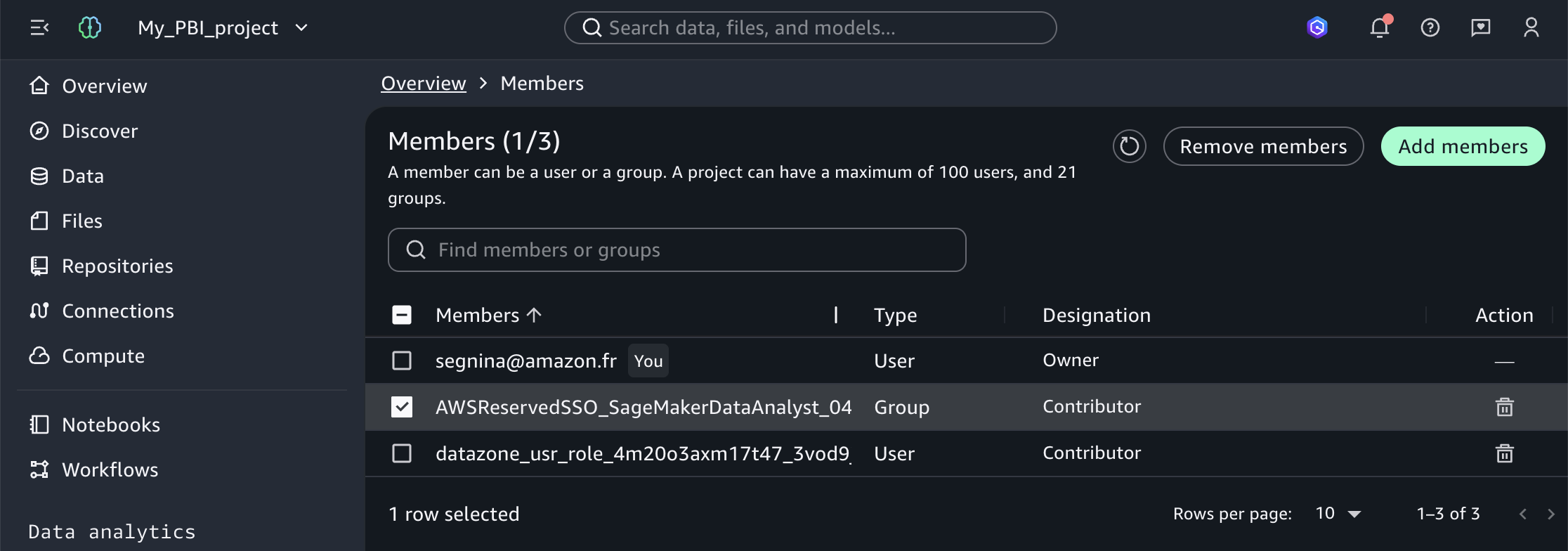
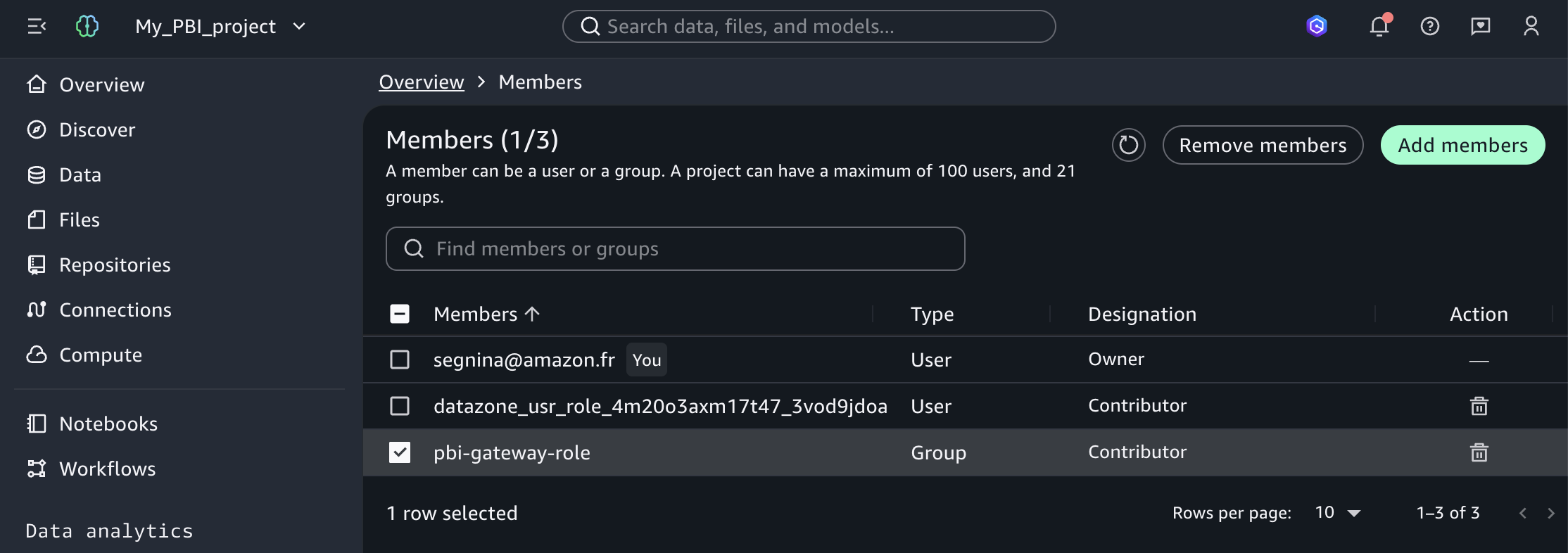
When deploying these connections, organizations must ensure that the identity—whether it be an individual user or a machine-based gateway role—is explicitly granted membership in the relevant SageMaker Unified Studio project. This project-level governance is enforced by the AWS Glue Data Catalog, which acts as the source of truth for metadata and schema definitions. As an analyst queries the EIA-860 generators dataset or other public-utility information, the query engine (Athena) respects the permissions defined within the SageMaker project, ensuring that sensitive research data remains isolated from unauthorized users.
Strategic Impact for Data-Driven Enterprises
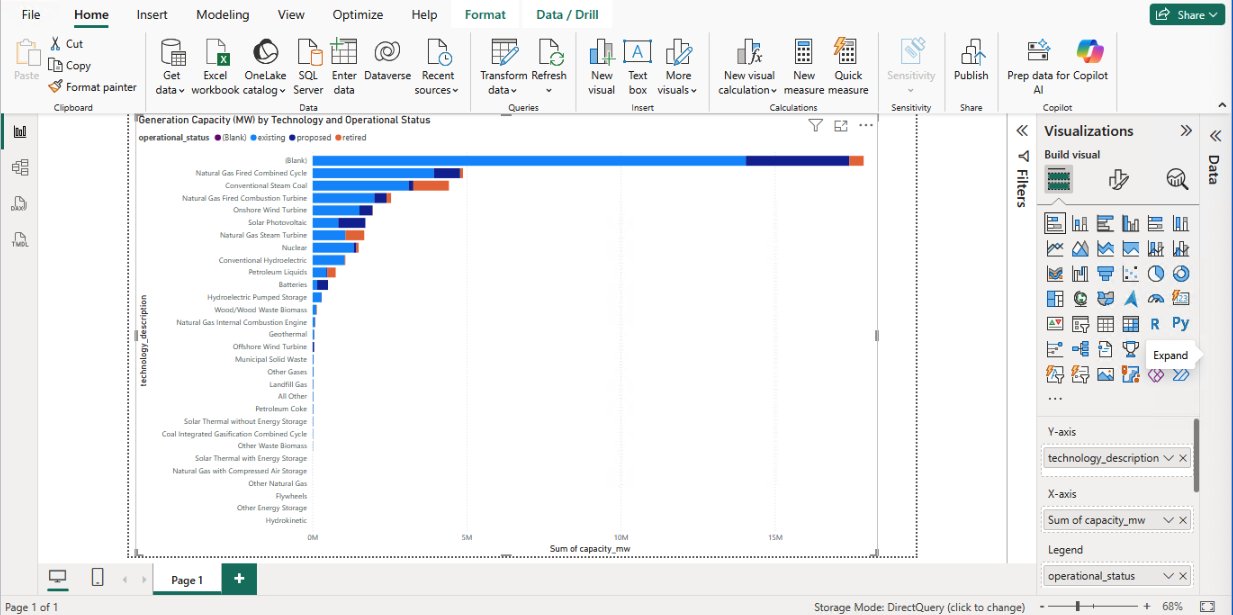
For companies managing large energy fleets, such as those relying on the Public Utility Data Liberation Project, the ability to visualize data in real-time is not just a convenience—it is a competitive necessity. The ability to connect directly to the EIA-860 generators dataset, which tracks generation capacity and technological shifts, allows energy analysts to build high-fidelity dashboards that track the global energy transition.
The integration of Power BI into this ecosystem also offers a compelling alternative to internal proprietary tools. While AWS offers Amazon QuickSight as a fully serverless, pay-per-session BI alternative, many organizations are already deeply entrenched in the Microsoft Power BI ecosystem. For these firms, the ability to "bring their own BI" while keeping their data in the AWS cloud represents the best of both worlds: they retain the analytical power and user-friendly interface of Power BI while benefiting from the scale and governance of the AWS data lake.
Best Practices for Implementation
Successful deployment of this architecture requires a disciplined approach to identity management. Administrators should focus on the following pillars:
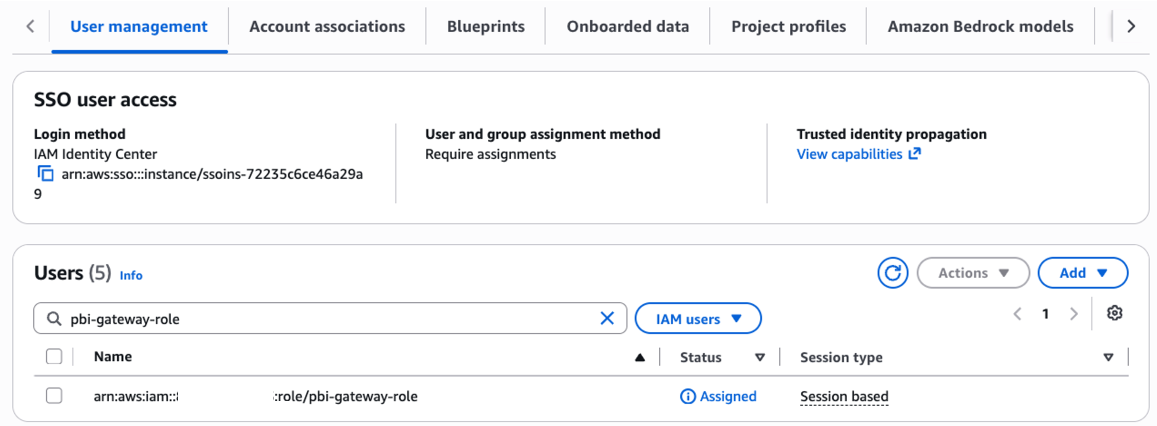
- Role-Based Access Control (RBAC): Always utilize the principle of least privilege. When configuring the Power BI Gateway on an EC2 instance, ensure the attached IAM role contains only the permissions necessary for
datazoneandstsoperations. Avoid using administrative credentials for day-to-day reporting tasks. - Automation of Connectivity: For larger organizations, manual DSN configuration across dozens of machines is prone to error. Leveraging automated deployment scripts—as seen in deployments by companies like ENGIE—can significantly reduce the risk of configuration drift.
- Lifecycle Management: As projects in SageMaker Unified Studio are completed or sunset, administrators must ensure that associated data catalog permissions are revoked. The native driver makes it easier to audit who is accessing what, as every connection string is associated with a specific IAM identity or project role.
- Gateway Performance: When using the on-premises gateway, ensure that the host EC2 instance is sized appropriately for the volume of data being refreshed. Since the gateway acts as the conduit for all Import-mode traffic, it can become a bottleneck if not monitored for CPU and memory utilization.
Future Outlook and Industry Trajectory
The move toward native, driver-based connectivity is a clear signal that cloud providers are increasingly focused on interoperability. By eliminating the reliance on third-party bridge software, AWS is lowering the total cost of ownership (TCO) for enterprises. This shift effectively removes one of the final technical hurdles that prevented organizations from fully migrating their analytical workloads to the cloud while keeping their visualization layer on-premises or within the Microsoft ecosystem.
As businesses continue to navigate the complexity of the "data-to-insight" lifecycle, the importance of seamless integration cannot be overstated. By streamlining the connection between SageMaker Unified Studio and Power BI, AWS has not only improved the workflow for individual data analysts but has also provided a blueprint for how future cloud services should interact with the broader enterprise software landscape. This evolution ensures that as data volumes grow and analytical requirements become more complex, the underlying infrastructure remains resilient, scalable, and—most importantly—transparently governed. The days of fragile, complex workarounds are rapidly coming to an end, giving way to an era of direct, high-performance data integration.
Related posts: