Python Software Foundation Diversity and Inclusion Workgroup Establishes Monthly Virtual Office Hours to Support Global Community Growth

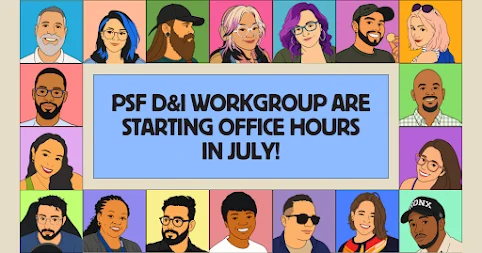
The Python Software Foundation (PSF) Diversity and Inclusion (D&I) Workgroup has officially announced the launch of a new initiative designed to bridge the gap between global community organizers and the foundation’s advisory leadership. Starting Tuesday, July 28, 2026, the workgroup will host monthly "Office Hours" on the official PSF Discord server. This initiative represents a strategic shift toward more synchronous, accessible communication, allowing community members from diverse geographical and linguistic backgrounds to engage directly with workgroup members in a low-pressure, text-based environment.
The PSF, a 501(c)(3) non-profit organization dedicated to the advancement of the Python programming language, oversees a massive global ecosystem. As Python continues to dominate fields such as artificial intelligence, data science, and web development, the need for a cohesive and inclusive community strategy has become paramount. The D&I Workgroup, which serves as an advisory body to the PSF Board of Directors, aims to use these office hours to dismantle the isolation often felt by those performing the labor-intensive work of community building, particularly in underrepresented regions.
Strategic Objectives and Community Support
Community management in the technology sector is frequently a volunteer-driven endeavor that can lead to significant burnout. Organizers often find themselves navigating complex challenges, such as drafting and enforcing Codes of Conduct, securing local funding for meetups, and fostering welcoming environments for newcomers. The PSF D&I Workgroup recognizes that these individuals often operate in silos, wondering if their struggles are unique or shared by others in the global Python ecosystem.
The newly established office hours are intended to serve as a virtual "town square" where these organizers can share resources, seek advice, and provide feedback to the PSF. By facilitating these conversations, the workgroup hopes to gather real-time data on the state of the community, which will, in turn, inform the recommendations they provide to the PSF Board. The focus is not merely on troubleshooting but on fostering a sense of solidarity among those committed to making the Python community the most welcoming in the software world.
Chronology and Global Accessibility Strategy
To ensure that the initiative is truly global, the PSF D&I Workgroup has implemented an alternating schedule designed to accommodate as many time zones as possible. The inaugural session is scheduled for Tuesday, July 28, 2026, at 1:00 PM UTC. Recognizing that a single time slot would inevitably exclude a large portion of the global population, the workgroup has committed to rotating the sessions every month.
The schedule for the first two months is as follows:
- July 28, 2026: 1:00 PM UTC (Primary coverage for Europe, Africa, the Middle East, and parts of Asia and the Americas).
- August 25, 2026: 9:00 PM UTC (Primary coverage for the Americas and the Asia-Pacific region, including Australia and East Asia).
This alternating pattern will continue indefinitely, ensuring that members in cities ranging from Los Angeles to Sydney have the opportunity to participate during their local daytime or early evening hours. The use of the #psf-diversity channel on Discord allows for a persistent record of the conversations, enabling those who cannot attend live to review the transcripts and contribute asynchronously.
Technical Logistics and Inclusionary Design
The choice of Discord as the platform for these office hours reflects a broader trend in open-source communities moving toward modern, interactive communication tools. Unlike traditional IRC (Internet Relay Chat) or mailing lists, Discord provides a user-friendly interface that supports threaded conversations and multi-language support, which are critical for a global workgroup.
Crucially, the office hours will be strictly text-based. This design choice is a deliberate inclusionary tactic. Text-based communication removes the barriers associated with high-speed internet requirements for video calls, accommodates individuals with social or performance anxiety, and provides a more accessible environment for non-native English speakers who may prefer to use translation software or take more time to compose their thoughts.

Furthermore, the workgroup has announced a "Bring Your Own Language" policy. While the main channel will operate primarily in English, the workgroup intends to open specific threads in other languages based on the availability of its members. Expected languages include Spanish, Portuguese, Chinese, Hindi, French, and Persian. This move addresses one of the most significant hurdles in global open source: the linguistic barrier that often prevents talented developers and organizers in the Global South from engaging with international foundations.
Supporting Data: The Growth of the Python Ecosystem
The necessity for such an initiative is backed by the explosive growth of the Python language. According to the TIOBE Index and the annual Stack Overflow Developer Survey, Python consistently ranks as one of the top three most popular programming languages in the world. However, as the user base expands, the demographic data suggests a continuing need for targeted diversity efforts.
Recent community surveys conducted by the PSF and JetBrains highlight that while Python’s reach is global, participation in its governance and high-level community organizing still skews toward North America and Western Europe. By establishing these office hours, the PSF is actively working to lower the barrier to entry for leaders in emerging tech hubs. In regions like West Africa and Southeast Asia, where Python adoption is surging due to its applications in mobile development and data literacy, direct access to the PSF can provide the institutional support necessary to scale local communities safely and inclusively.
Official Responses and Inferred Implications
While formal statements from the entire PSF Board are typically reserved for quarterly reports, the D&I Workgroup’s move is seen by industry analysts as a proactive step toward "decentralized governance." By opening a direct line of communication, the workgroup is effectively democratizing the advisory process.
"The isolation of community work is a real threat to the sustainability of open source," noted one community advocate familiar with the PSF’s operations. "When you are the only person in your city trying to explain what a Code of Conduct is, having a direct link to the PSF D&I Workgroup isn’t just helpful—it’s a lifeline."
The implications of this initiative extend beyond simple Q&A sessions. If successful, the office hours could lead to:
- Policy Refinement: Real-time feedback on PSF grant applications and diversity requirements.
- Resource Localization: Identifying the need for translated documentation and community guidelines in specific regions.
- Leadership Pipelines: Identifying local leaders who can be encouraged to take on larger roles within the PSF ecosystem.
Broader Impact on the Tech Industry
The PSF’s approach serves as a model for other major technology foundations, such as the Linux Foundation or the Apache Software Foundation. As the tech industry faces increasing scrutiny over its diversity and inclusion records, the shift from passive statements to active, scheduled engagement is significant.
The emphasis on "no pressure" participation—allowing users to "lurk" or join from mobile devices—recognizes the reality of the modern workforce. Many community organizers balance their volunteer work with full-time jobs and family responsibilities. By meeting the community where they are (on Discord, via text, at various times), the PSF is acknowledging that inclusion is not just about who is in the room, but how easy it is for them to get into the room in the first place.
Conclusion and Participation Details
As the Python community looks toward the July 28 launch, the D&I Workgroup remains focused on its core mission: advising the PSF on how to make the community a place where everyone, regardless of background, can thrive. The workgroup has invited all interested parties to join the #psf-diversity channel, emphasizing that no question is too small and no contribution is too minor.
For those unable to attend the live sessions, the workgroup maintains an open-door policy via email at [email protected]. The ongoing dialogue facilitated by these office hours is expected to become a cornerstone of the PSF’s community engagement strategy for 2026 and beyond, ensuring that as Python grows, its community remains as robust and diverse as the code itself.