Python Software Foundation Announces Results of the 2026 Board of Directors Election

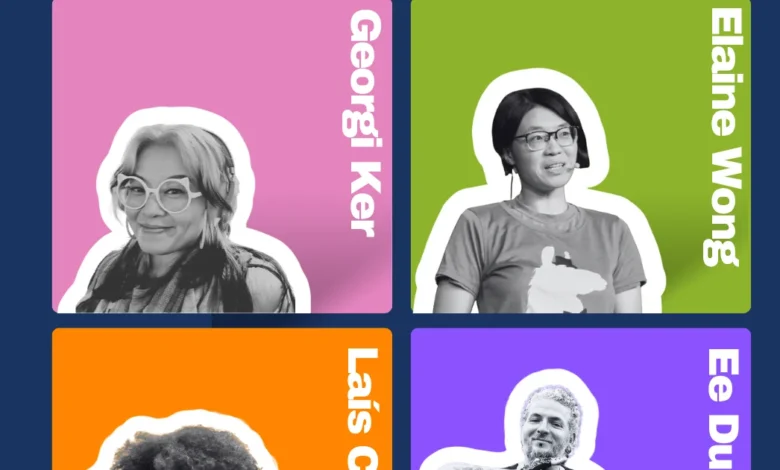
The Python Software Foundation (PSF) has officially concluded its 2026 Board of Directors election, marking a pivotal transition in the leadership of one of the world’s most influential open-source organizations. Following a robust engagement period that saw significant participation from the global Python community, the Foundation has confirmed the appointment of four new and returning members to its governing body. This election cycle, characterized by high voter turnout and the inaugural integration of the Python Packaging Council, highlights the evolving governance structure required to support a programming language that now serves as the backbone of global data science, web development, and artificial intelligence.
The Election Landscape and Voter Engagement
The 2026 election cycle served as a litmus test for the community’s commitment to the Foundation’s long-term sustainability. The PSF, a 501(c)(3) non-profit organization, relies on its Board of Directors to manage the stewardship of the Python intellectual property, oversee the fiscal health of the foundation, and guide the strategic direction of its various initiatives, including the PyCon US conference and the various grant programs that support Python developers globally.
Participation in this year’s election was notably strong. A total of 670 ballots were cast by verified members, successfully exceeding the required quorum threshold. According to the organization’s bylaws, a quorum requires at least one-third of the total affirmed voting membership—which stood at 1,123 at the time of the election—to participate for the results to be binding. Achieving this participation rate reflects a concerted effort by the PSF to mobilize its membership and increase awareness regarding the impact of board-level decision-making.
Chronology of the 2026 Election Process
The election process for the 2026 cycle began months in advance, following a structured timeline designed to ensure transparency and equitable representation.
- Initial Call for Nominations: The process opened in the spring, encouraging community members from diverse geographical and technical backgrounds to nominate themselves or others for board service.
- Campaigning and Outreach: Throughout the summer, candidates engaged with the electorate through forums, written interviews, and community Q&A sessions. A highlight of this cycle was the proactive promotional work spearheaded by current board member KwonHan Bae, who coordinated written interviews with candidates, modeling the effort after independent community reporting initiatives that emerged in previous years.
- Voting Period: The voting window was open for several weeks, providing members with ample time to review candidate platforms and cast their ballots via the OpaVote platform.
- Concurrent Developments: A unique challenge for this year’s election team was the simultaneous execution of the inaugural Python Packaging Council (PPC) election. This required significant logistical coordination to ensure that members were aware of both processes and could participate in each without confusion.
- Certification and Announcement: Following the close of the polls, the election results were verified and formally announced to the public, with detailed tallies made available for transparency until November 10, 2026.
The Changing of the Guard: Honoring Outgoing Leadership
The 2026 transition sees the departure of three prominent figures whose contributions have left an indelible mark on the Python ecosystem. The PSF has formally expressed its gratitude to Cheuk Ting Ho, Chris Neugebauer, and Denny Perez for their years of dedicated service.
Cheuk Ting Ho was instrumental in her role as a board member, contributing to numerous committees and PSF-led programs. Her tenure was marked by a commitment to fostering inclusive community spaces. Chris Neugebauer, a long-serving member of the board, acted as the primary institutional memory regarding the Foundation’s governance and bylaws. His oversight of constitutional changes and procedural integrity has been vital to the PSF’s operational stability. Finally, Denny Perez served with distinction as Treasurer and a member of the Executive Committee. Together, these three leaders were central to the development and ratification of the PSF’s Five-Year Strategic Plan, a comprehensive framework that outlines the Foundation’s goals for growth, funding, and community support through the end of the decade.
Strategic Implications and Future Governance
The incoming board members face a landscape defined by rapid technological change and increasing demands for infrastructure support. As Python continues to be the primary language for AI/ML development, the PSF’s role in ensuring the security and maintenance of the Python Package Index (PyPI) and the broader packaging ecosystem has become a critical national and international security concern.
.png)
The newly elected directors will begin their tenure with a formal onboarding process, followed by their first official board meeting in October. This orientation is designed to bridge the gap between community-driven passion and the fiduciary responsibilities of non-profit governance. One of the first tasks for the new board will be to assess the outcomes of the 2026 election cycle as part of a formal retrospective. The PSF Election Team has indicated that they are actively soliciting feedback via the community discussion forums on discuss.python.org and through their direct email channel to refine the voting process for 2027.
Analysis of the 2026 Election Mechanics
From a structural perspective, the 2026 election serves as a case study in the challenges of managing a decentralized, volunteer-heavy organization. The reliance on electronic voting and the necessity of maintaining a quorum necessitates constant engagement. The introduction of the Python Packaging Council (PPC) election alongside the board election signals a trend toward more specialized governance. The PPC is tasked with the technical and policy oversight of packaging, an area that has historically been one of the most complex segments of the Python community. By separating this responsibility from the general Board of Directors, the PSF is attempting to streamline its focus while ensuring that domain-specific experts have a seat at the table.
The decision to publish the full vote tally on the OpaVote platform remains a cornerstone of the PSF’s commitment to "openness" in open source. In an era where many organizations are shifting toward more opaque governance structures, the PSF’s continued dedication to transparency in its election results—including making the data publicly accessible—remains a distinguishing feature of the organization.
Looking Ahead: The 2027 Cycle
While the current board is just beginning its term, the PSF is already looking toward the future. With at least three board seats expected to become vacant in the 2027 cycle, the Foundation has begun encouraging community members to start exploring the requirements for board service now. The leadership has explicitly advised potential candidates to reach out to current board members to gain a better understanding of the commitment involved.
Serving on the PSF Board is a significant undertaking that requires balancing the needs of the individual contributor, corporate sponsors, and the broader technical community. As the Python language approaches its fourth decade, the challenges of maintaining a "core" library that is used by everyone from middle school students to massive financial institutions will continue to evolve.
The success of the 2026 election, marked by both a high turnout and a smooth administrative process, suggests that the Foundation remains in a strong position to navigate these future challenges. The continued willingness of community members to step into these roles—often at the cost of their personal time and resources—remains the primary engine of the Python ecosystem. As the Foundation looks toward the remainder of 2026 and into 2027, the focus will remain on operational excellence, transparent governance, and the continued empowerment of the global developer community.
For those wishing to review the specific breakdown of the election results or understand the weighted voting metrics used, the official results page on the PSF website provides a comprehensive view of the voting data. These results will remain accessible as a matter of public record until the transition period for the new board is fully complete. Through continued collaboration between the staff, the outgoing and incoming board members, and the wider community, the PSF aims to ensure that Python remains a robust, secure, and accessible tool for the next generation of software development.