
Gray Whale Spotting Pacific Coast

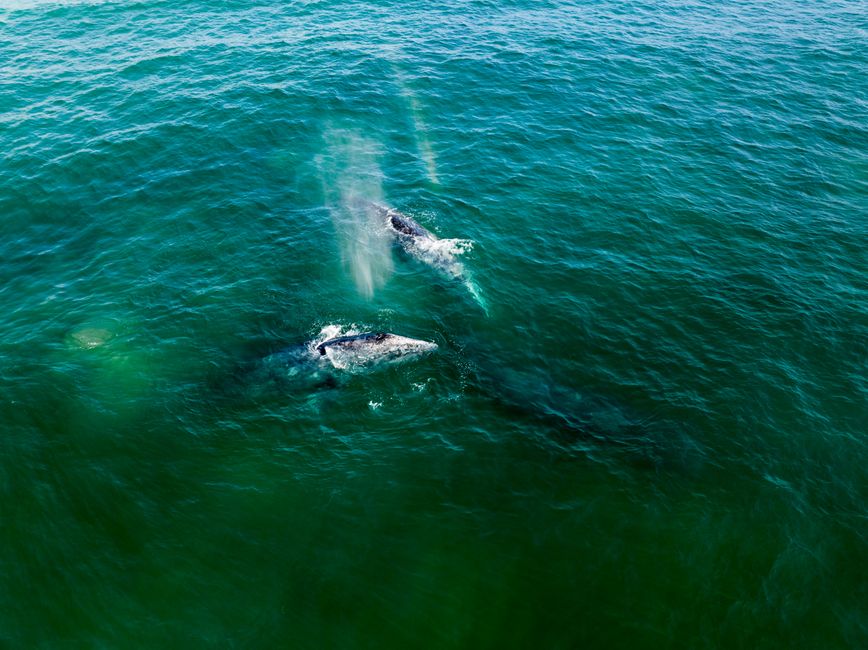
Gray Whale Spotting Pacific Coast: A Comprehensive Guide to Witnessing These Majestic Migrators
The Pacific Coast of North America serves as a vital corridor for the annual migration of gray whales, offering unparalleled opportunities for wildlife enthusiasts to witness these magnificent marine mammals. This comprehensive guide delves into the intricacies of gray whale spotting, providing essential information for maximizing your chances of encountering these gentle giants. From understanding their migratory patterns and optimal viewing locations to essential gear and ethical observation practices, this article equips you with the knowledge needed for an unforgettable Pacific Coast gray whale experience.
Gray whales ( Eschrichtius robustus) undertake one of the longest migrations of any mammal on Earth. Each year, this baleen whale species travels approximately 10,000 to 12,000 miles round trip, migrating between their summer feeding grounds in the Arctic waters of the Bering, Chukchi, and Beaufort Seas and their winter breeding and calving lagoons in the warmer waters off Baja California, Mexico. This incredible journey is dictated by instinct and driven by the need to feed on nutrient-rich benthic organisms in the cold Arctic and to reproduce in protected, warm waters where newborn calves have a higher chance of survival. The migration is not a single, monolithic movement but rather a staggered progression, with individuals and pods moving at their own pace, influenced by factors such as age, sex, pregnancy status, and environmental conditions. Understanding this cyclical nature is fundamental to successful gray whale spotting along the Pacific Coast.
The southbound migration, typically from December through May, sees pregnant females and cows with calves leading the charge, often hugging closer to shore. They are followed by other adults, and finally, younger, non-breeding individuals. This southbound journey is generally slower and more spread out than the northbound migration. The northbound migration, occurring from February to June, is a much more rapid and consolidated movement. Whales are eager to return to their rich feeding grounds in the Arctic. As they travel north, they often travel in larger pods, sometimes with mothers and calves still maintaining a slightly more coastal route, but generally, the northbound passage is characterized by greater speed and a broader offshore distribution, although they still utilize coastal currents and shallower waters for navigation and feeding opportunities. This difference in speed and density between the two migratory legs significantly impacts spotting strategies.
The Pacific Coast offers a diverse array of prime gray whale spotting locations, each with its unique advantages. From California to Washington, several coastal communities have become renowned for their reliable sightings. In California, Monterey Bay is a world-class destination, boasting deep waters and a rich marine ecosystem that attracts whales close to shore. The Monterey Bay National Marine Sanctuary is a protected area that supports a thriving population of marine life, making it a consistent hotspot. Further south, Dana Point, often referred to as the "Dolphin and Whale Watching Capital of the West," offers excellent opportunities, particularly during the peak southbound migration. San Diego also provides good viewing opportunities, with many tour operators departing from its harbor. As you move north into Oregon, Depoe Bay is a standout location, known for its dramatic coastline and the fact that gray whales often feed close to shore in its nutrient-rich waters. Newport and the Oregon Dunes National Recreation Area also offer good prospects. Washington State’s San Juan Islands, while more known for resident orcas, also experience gray whale activity, particularly during the northbound migration as they may forage in these productive waters. Edmonds and Westport are also popular departure points for whale watching tours in Washington. Each location offers different perspectives and peak viewing windows, making it crucial to research the specific timing for your chosen destination.
Choosing the right time of year is paramount for successful gray whale spotting. The southbound migration generally begins in December and extends through May, with peak activity often observed between January and April, especially for mothers and calves closer to shore. This period is ideal for spotting the more vulnerable individuals. The northbound migration commences in February and continues through June, with the peak usually occurring from March to May. This is when you’ll see a greater density of whales and a faster pace of movement. For the most consistent sightings, aim for the shoulder seasons, when both migrations are in full swing and whales are actively navigating along the coast. Early morning and late afternoon often offer the best viewing conditions, as the lighting is more favorable for photography and the whales can be more active as they feed or travel. Calm seas are also a significant advantage; choppy waters can make spotting whales more challenging and can lead to a less comfortable experience on a boat.
Gray whale watching can be undertaken from land or by sea. Land-based viewing offers a more accessible and often cost-effective experience. Numerous coastal viewpoints, state parks, and designated whale-watching spots along the Pacific Coast provide elevated perspectives of the ocean. Look for areas with clear, unobstructed views of the water. Binoculars are essential for scanning the horizon and identifying whale spouts, breaches, and other surface behaviors. Many state parks and marine reserves have interpretive centers or volunteer docents who can assist with sightings and provide valuable information about the whales. For an even more immersive experience, taking a whale watching tour by boat is highly recommended. Numerous reputable tour operators depart from harbors up and down the coast. These vessels are equipped with experienced captains and naturalists who know the best areas to find whales and can offer insights into their behavior and biology. Opt for tours that prioritize responsible whale watching practices, ensuring minimal disturbance to the animals. Choosing a smaller vessel might offer a more intimate experience, while larger boats can provide more stability in choppier seas.
Essential gear significantly enhances your gray whale spotting experience. For both land and sea-based viewing, high-quality binoculars are non-negotiable. A magnification of 7x or 10x is generally recommended, providing a good balance between field of view and stability. A spotting scope can be beneficial for land-based viewing from a distance, allowing for detailed observation. Camera equipment, from smartphones with zoom lenses to professional DSLR cameras, can help capture memories. Consider a telephoto lens for capturing close-up shots of whales. Dress in layers, as coastal weather can be unpredictable and change rapidly. Waterproof and windproof outer layers are essential, even on sunny days, as ocean spray and wind can make it feel much colder. Sunscreen, hats, and sunglasses are crucial to protect yourself from the strong sun, especially when spending extended periods outdoors. For boat tours, motion sickness medication might be advisable if you are prone to seasickness. A waterproof bag or case is highly recommended to protect your electronics and valuables from sea spray.
Understanding gray whale behavior is key to successful spotting. The most obvious sign of a gray whale is its spout, a plume of water and air expelled from its blowhole. This powerful exhalation can reach heights of 10-12 feet and is often the first indication of a whale’s presence. The spout is shaped like a heart or a kidney, a distinctive characteristic that helps differentiate it from other whale species. Gray whales are also known for their "fluke-up" dives, where they arch their backs and lift their tail flukes out of the water before descending. This behavior allows them to dive deeper and can be a beautiful sight. Breaching, where a whale leaps entirely out of the water, is a rare but spectacular display. While often associated with other whale species, gray whales are known to breach occasionally, though less frequently than humpbacks. "Spyhopping" is another fascinating behavior where a whale raises its head vertically out of the water to observe its surroundings. This allows them to see above the surface and may be an indication that they are aware of boat traffic or other activity. Observing their surface behaviors, such as pectoral fin slapping or body rolling, can also offer clues to their activity and mood.
Responsible whale watching is paramount to the conservation of gray whales and their habitat. Adhering to a strict code of conduct ensures minimal disturbance to these magnificent animals. Maintain a safe and respectful distance; in most areas, boats are required to stay at least 100 yards away from gray whales. Avoid sudden movements or loud noises that could startle or stress the whales. Never chase or herd whales, and always allow them to approach you if they choose. If a whale appears to be actively avoiding you, back off immediately. Avoid swimming or diving with whales, as this can be dangerous for both the whales and the humans involved. Support tour operators who are committed to responsible whale watching practices and have trained staff who adhere to regulations. Educate yourself and others about the importance of marine conservation and the threats facing whale populations. By prioritizing ethical observation, we can ensure that future generations will have the opportunity to witness the incredible gray whale migration.
The conservation status of the gray whale has been a subject of ongoing attention. While they were once hunted to near extinction, populations have shown remarkable recovery thanks to international protection efforts and the establishment of marine sanctuaries. However, challenges remain. Climate change, ocean noise pollution, entanglement in fishing gear, and vessel strikes are ongoing threats that can impact whale health and survival. Continued research and monitoring are crucial to understand population dynamics, migratory patterns, and the effects of environmental changes. Supporting organizations dedicated to marine mammal conservation and advocating for policies that protect ocean ecosystems are vital steps in ensuring the long-term survival of the Pacific gray whale population. By becoming informed and responsible observers, you contribute to the ongoing success story of gray whale conservation.
Beyond the direct experience of spotting a whale, the journey along the Pacific Coast offers a wealth of complementary natural and cultural experiences. Many of the coastal towns renowned for whale watching also boast charming harbors, delicious seafood restaurants, and fascinating marine museums. Exploring tide pools, visiting lighthouses, and enjoying scenic coastal hikes can enrich your trip. The biodiversity of the Pacific Coast is immense; keep an eye out for other marine life such as dolphins, sea lions, harbor seals, and a variety of seabirds that often accompany whale pods or inhabit the same waters. These sightings add another layer of wonder to your Pacific Coast adventure. Researching local flora and fauna and understanding the broader marine ecosystem can deepen your appreciation for the interconnectedness of life in this dynamic environment.
In conclusion, gray whale spotting along the Pacific Coast is a deeply rewarding experience that connects individuals with the awe-inspiring power and beauty of nature. By understanding their migratory patterns, choosing optimal viewing locations and times, utilizing appropriate gear, and practicing responsible observation, you can significantly increase your chances of witnessing these majestic creatures. The Pacific Coast provides an unparalleled stage for this annual spectacle, offering not just whale sightings but a holistic immersion in a vibrant coastal ecosystem. The continued success of gray whale populations hinges on ongoing conservation efforts and the mindful engagement of those who come to admire them. Your journey to witness the gray whale migration is more than just a vacation; it’s an opportunity to contribute to the understanding and protection of one of the ocean’s most incredible journeys.


