Adobe MAX 2026: Navigating the Intersection of Human Creativity and Artificial Intelligence

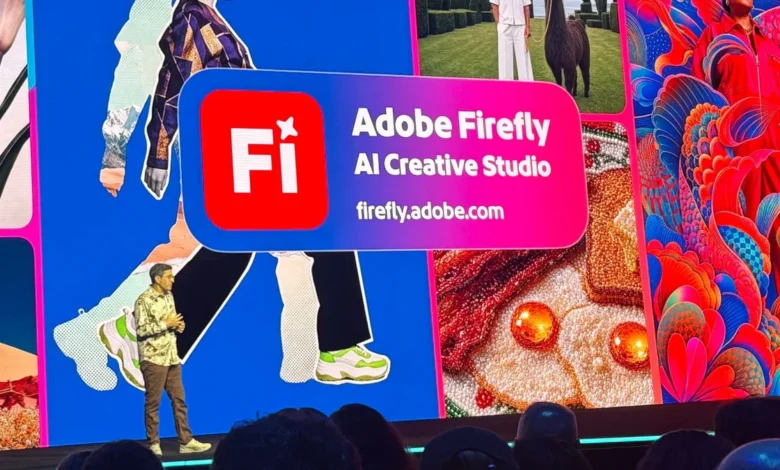
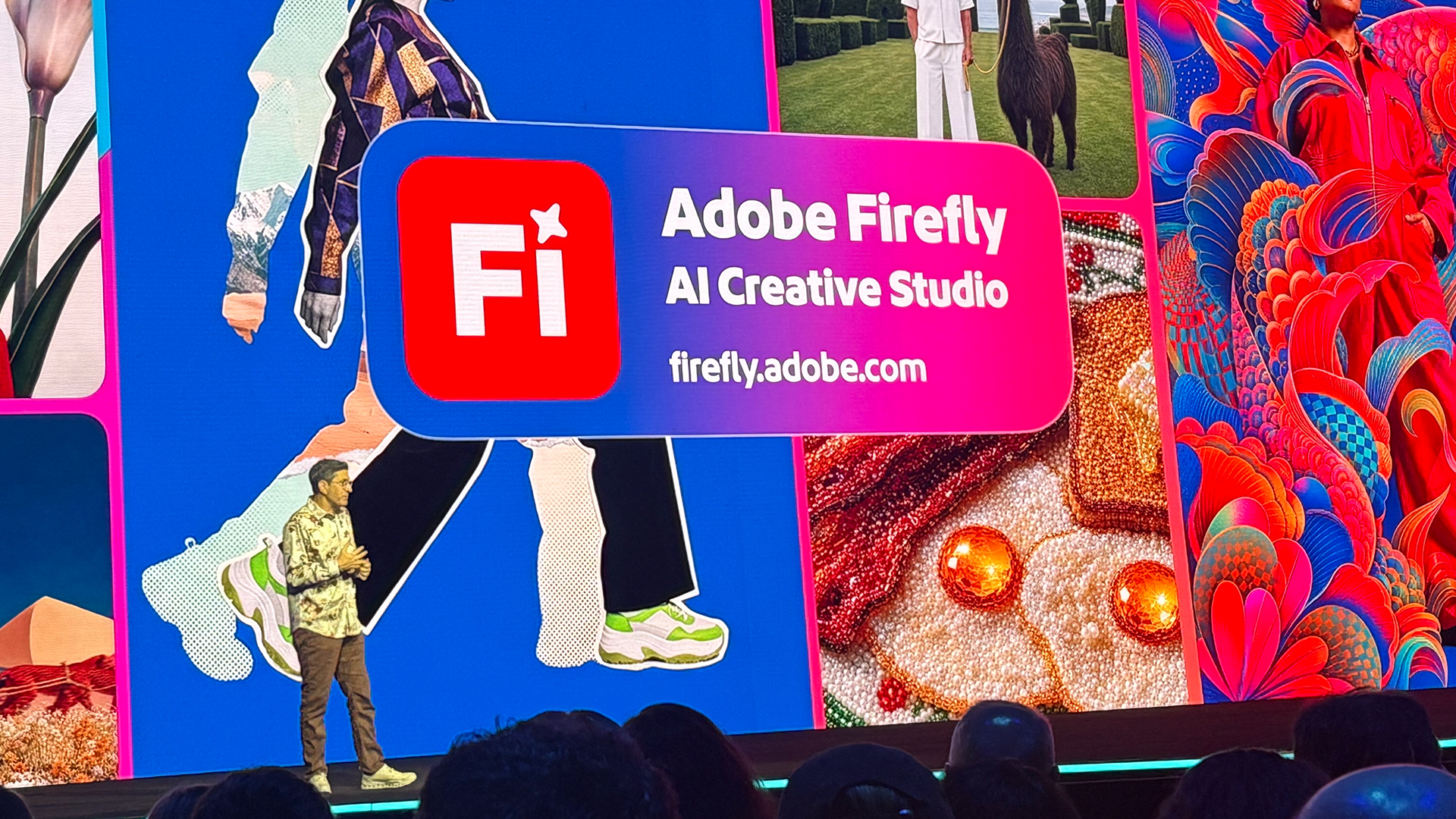
Adobe MAX 2026 has commenced, marking a pivotal moment in the evolution of digital creative software as the company leans heavily into generative artificial intelligence. The annual conference, which serves as the premier global gathering for designers, developers, and creative professionals, has shifted its focus from incremental feature updates to a fundamental reimagining of the creative workflow through the integration of Adobe Firefly and an expansive suite of AI-driven partnerships.
The Evolution of the Adobe Creative Ecosystem
The current iteration of Adobe MAX represents a significant departure from the company’s traditional software cycles. Historically, the Creative Cloud suite was defined by manual precision—the mastery of tools like the Pen tool in Illustrator or complex masking in Photoshop. In 2026, the narrative has transitioned toward "AI-assisted production," where the software acts as an active collaborator rather than a passive canvas.
This strategic pivot began in earnest several years ago with the introduction of Firefly, Adobe’s generative AI model trained on a curated dataset designed to be commercially safe. By 2026, that initial experiment has blossomed into a comprehensive infrastructure. The integration is no longer limited to standalone features; it is now woven into the fabric of the Creative Cloud ecosystem. During the keynote addresses, leadership articulated a vision where AI handles the repetitive, labor-intensive aspects of production, theoretically freeing human artists to focus on conceptual design and high-level strategy.
Chronology of the AI Transition
To understand the current state of Adobe’s product roadmap, one must look at the rapid acceleration of the last 36 months:
- 2023: Adobe introduces Firefly in beta, marking the company’s formal entry into generative AI with a promise of "ethics-first" development.
- 2024: The widespread implementation of Generative Fill in Photoshop creates a paradigm shift in image editing, setting a new industry standard for content manipulation.
- 2025: Adobe expands its partnership ecosystem, integrating third-party AI models and data-processing tools into Creative Cloud, signaling a move toward an open-platform architecture.
- 2026: Adobe MAX focuses on the "Creative Studio" concept, where AI-powered automation enables creators to scale their output across multiple media formats simultaneously.
The Burden of the Modern Creator
A central theme at this year’s conference is the mounting pressure on the contemporary creative professional. Industry data suggests that the demand for digital content has increased by approximately 40% year-over-year, while the average budget per creative project has remained stagnant or decreased in real terms.
This "content crunch" has forced graphic designers, motion artists, and photographers to expand their skill sets rapidly. It is no longer sufficient to be a specialist in a single discipline. The modern creative is frequently expected to function as a web designer, social media strategist, and video editor, often within the constraints of a single project timeline. Adobe’s leadership, including incoming CEO Anil Chakravarthy and Vice President Deepa Subramaniam, highlighted this reality during their presentations. They argue that the company’s "rich learning ecosystem" and AI-driven automation tools are not intended to replace the creative professional but to provide the necessary leverage to survive in an high-velocity media landscape.
Addressing the Skepticism
The adoption of AI in the arts has been met with significant resistance from professional guilds and individual creators. Concerns regarding copyright, the devaluation of manual labor, and the potential for a "homogenization" of design aesthetics remain at the forefront of the conversation.
Adobe has responded to these concerns with a dual approach: emphasizing the "human-in-the-loop" philosophy and reinforcing their commitment to intellectual property safety. By training Firefly on Adobe Stock assets and public domain content, the company has attempted to differentiate itself from competitors whose models rely on scraped web data. During the keynote, leadership emphasized that "creativity is a way of life" at Adobe, a sentiment designed to soothe anxieties regarding the dehumanization of the design process. They posited that the software is "meeting the user where they are," providing a safety net for those overwhelmed by the pace of technological change.
Strategic Implications and Industry Partnerships
The most notable announcement at Adobe MAX 2026 is the deepening of the partnership between Adobe and Google. This collaboration suggests a future where Adobe’s creative intelligence is integrated directly into the broader data-processing capabilities of the web.
This move has profound implications for the industry. By aligning with large-scale cloud providers, Adobe is positioning its tools to be the backbone of the next generation of web-based content creation. If Photoshop becomes fully interoperable with enterprise-grade data management and cloud-based AI, the barrier to entry for complex creative work will drop significantly. For the individual designer, this could mean faster turnaround times; for the industry, it signals a move toward a more integrated, automated, and hyper-efficient production environment.
Supporting Data and Market Outlook
According to recent industry analysis, the generative AI market in the design and media sector is projected to grow at a compound annual growth rate (CAGR) of over 25% through 2030. Adobe’s dominance in this space is underpinned by its massive user base, currently estimated at over 30 million Creative Cloud subscribers.
The integration of AI features is not merely a feature set update; it is a retention strategy. By reducing the time-to-market for creative assets, Adobe is ensuring that its subscription model remains indispensable to agencies and freelancers alike. However, the reliance on these tools brings its own set of risks, particularly regarding the potential for "AI fatigue," where the influx of machine-generated content leads to a decline in perceived value for digital work.
Looking Toward the Future
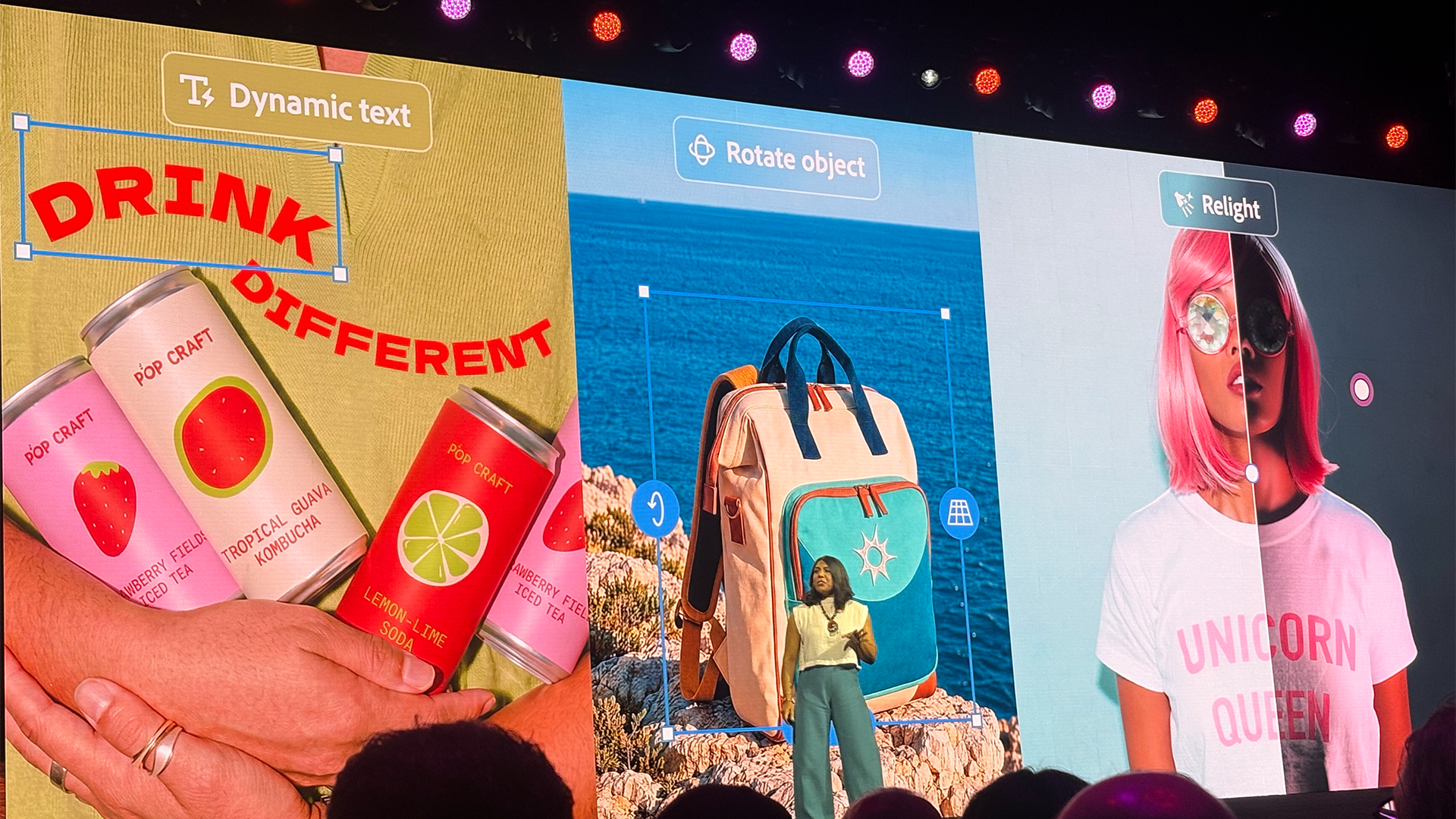
As Adobe MAX 2026 concludes, the consensus among attendees remains cautiously optimistic. The technical demonstrations—ranging from advanced motion tracking to automated layout generation—showcase a level of sophistication that was unimaginable just a few years ago.
However, the fundamental question persists: how much of the creative process can be delegated to an algorithm before the human element is lost? Adobe’s messaging suggests they are aware of this existential risk. They are framing AI not as an autonomous creator, but as a "co-pilot" that requires human intent, curation, and oversight.
For the industry, the challenge lies in maintaining the integrity of the craft while utilizing these new efficiencies. As tools become more powerful, the role of the creative professional may shift from the "maker" of assets to the "curator" of ideas. Whether this transition empowers the creative class or limits their agency remains to be seen. What is clear, however, is that the era of manual-only workflows is coming to a close, and the tools demonstrated at Adobe MAX 2026 are setting the trajectory for the next decade of digital design.
Summary of Key Takeaways
- AI Integration is Ubiquitous: Firefly is no longer an add-on; it is the core of the Adobe ecosystem, designed to assist across every facet of the creative workflow.
- Addressing Market Pressures: Adobe is positioning its AI tools as a solution to the growing demand for content, aiming to save time for overworked designers.
- Ethical Commitment: The company continues to lean on its "ethics-first" branding, emphasizing that its models are trained on safe, licensed, or public-domain imagery.
- Strategic Partnerships: Collaborations with major tech firms like Google indicate that Adobe intends to be the primary interface for content creation in a cloud-native, AI-driven future.
As the conference moves into its specialized workshops and technical deep-dives, the focus will undoubtedly remain on how these tools perform in real-world, high-pressure environments. The sentiment of "cautious hope" expressed by attendees suggests that while the industry is wary of the rapid pace of change, there is a recognized necessity for tools that can keep up with the modern demands of content creation. Adobe, for its part, seems committed to positioning itself as the bridge between traditional artistry and the uncertain, automated future of the creative industry.