Preserving the Legacy of Black Modernism through the Getty Foundation and National Trust for Historic Preservation Grantees

The preservation of the American architectural canon has long been criticized for its narrow focus, often prioritizing the works of white, European-descended architects while allowing the physical history of marginalized communities to slip into obsolescence. However, a significant shift is underway as the Getty Foundation and the National Trust for Historic Preservation announce their latest round of grants under the "Conserving Black Modernism" program. This initiative, designed to protect and celebrate the contributions of Black architects to the modernist movement, has identified five historically significant sites to receive $150,000 each in funding. These grants are part of a broader $4.85 million investment distributed since the program’s inception in 2022, aimed at providing the technical and financial resources necessary to ensure these landmarks survive for future generations.
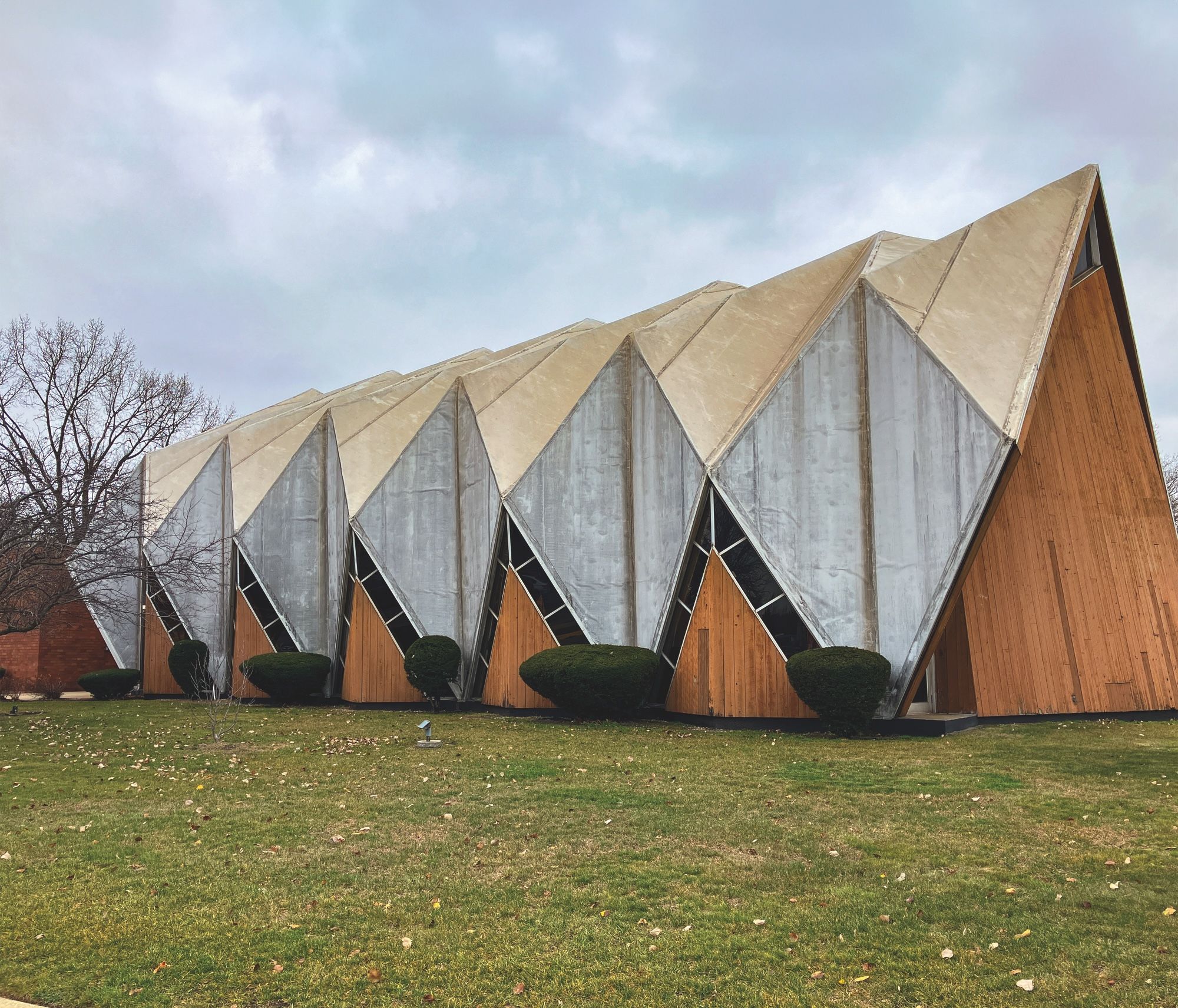
Among the primary beneficiaries is Central City Plaza in Milwaukee, Wisconsin, a site that once served as a beacon of Black economic self-determination. Designed in 1973 by Alonzo Robinson Jr., the first licensed African American architect in the state of Wisconsin, the plaza was a manifestation of the New Formalist style—a rare architectural choice for the region. In its heyday, the complex was a thriving commercial ecosystem, housing professional offices, a bowling alley, and a celebrated restaurant that bridged the gap between traditional soul food and high-end French cuisine. After decades of neglect and the threat of demolition, the site is now poised for a resurgence. The grant will facilitate a comprehensive strategic report to guide the restoration of its signature concrete panels and sweeping porticos, while also supporting its current occupant, the Salvation Army, in expanding its community services.
The Genesis of Conserving Black Modernism
The "Conserving Black Modernism" program emerged from a partnership between the Getty Foundation and the National Trust’s African American Cultural Heritage Action Fund. Launched two years ago, the program seeks to rectify the historical omission of Black designers from the narrative of American Modernism. Modernist architecture, characterized by its emphasis on function, clean lines, and the use of industrial materials like glass and steel, is often viewed through the lens of figures like Frank Lloyd Wright or Mies van der Rohe. By centering the work of Black architects, the Getty and the National Trust are expanding the definition of the movement to include the social, political, and cultural resilience inherent in these structures.
According to Joan Weinstein, director of the Getty Foundation, the program is about more than just physical repairs. "Teaming up with the National Trust over the past five years has allowed us to take actionable steps to preserve underrepresented sites that embody Black excellence in design, activism, and resilience," Weinstein stated. The program identifies sites through a rigorous application process, targeting those that are not only architecturally significant but also under immediate threat from urban decay, climate change, or redevelopment pressures.
A Chronology of Grantees: 2024 Selection
The five sites selected in this cycle represent a diverse cross-section of the African American experience in the mid-to-late 20th century. Each location tells a story of a community carving out space within a society that often sought to exclude them.
1. Martin Luther King Jr. Humanities Center, Houston, Texas
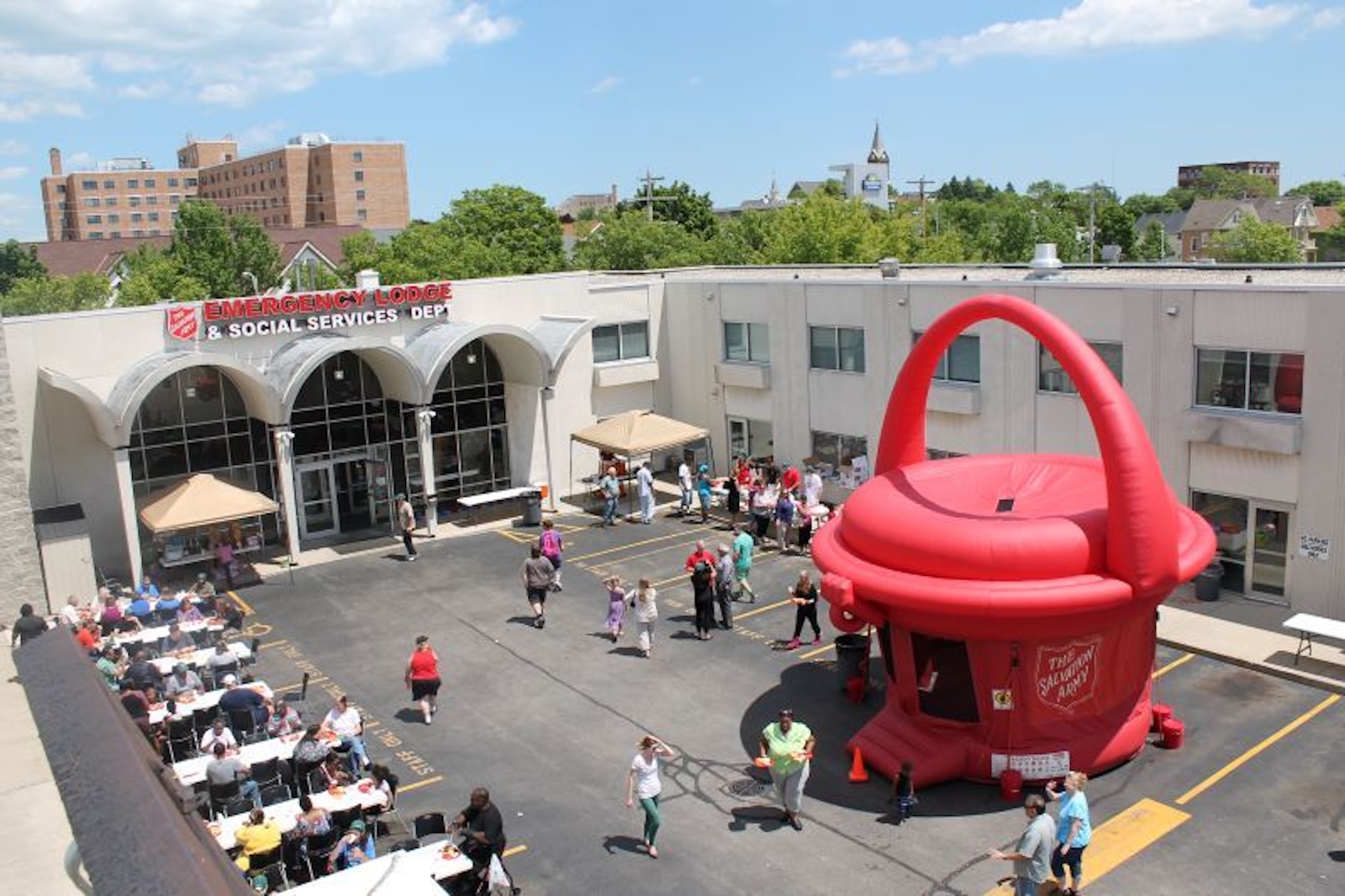
Completed in 1969 at Texas Southern University, a Historically Black College and University (HBCU), this building was designed by John Saunders Chase Jr. Chase’s story is one of monumental "firsts": he was the first African American to enroll at the University of Texas at Austin’s School of Architecture and the first licensed Black architect in the state of Texas. The Humanities Center was finished just one year after the assassination of its namesake. Its design—featuring a central volume of stacked discs and a sweeping roofline—was intended to evoke a sense of forward momentum and intellectual gravity. Chase would later become a founding member of the National Organization of Minority Architects (NOMA), and the current grant will fund a preservation priority report to protect his architectural legacy.
2. The Park-Johnson Hall at Fisk University, Nashville, Tennessee
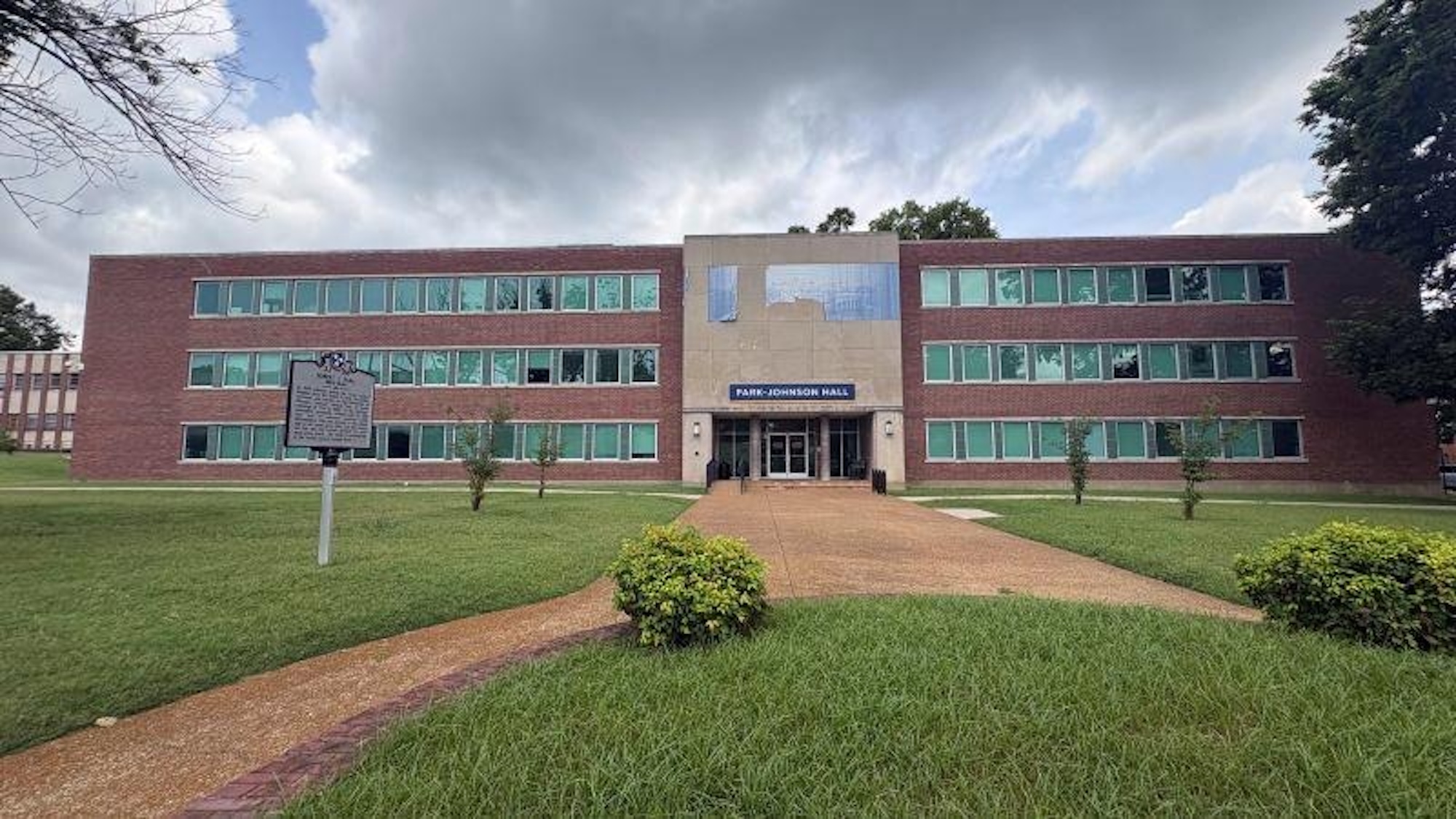
Fisk University, another prominent HBCU, is home to the Park-Johnson Hall, designed in 1954 by Moses McKissack III. McKissack was a founding partner of McKissack & McKissack, the oldest Black-owned architecture firm in the United States. The firm’s history is a testament to multi-generational resilience, with roots stretching back to a paternal grandfather who learned the building trade while enslaved. The Park-Johnson Hall is a three-story, red-brick structure that exemplifies the transition from traditional academic architecture to modernist proportions. The grant will support a management plan to document the firm’s extensive contributions to the Fisk campus.
3. Southwest Corridor, Boston, Massachusetts
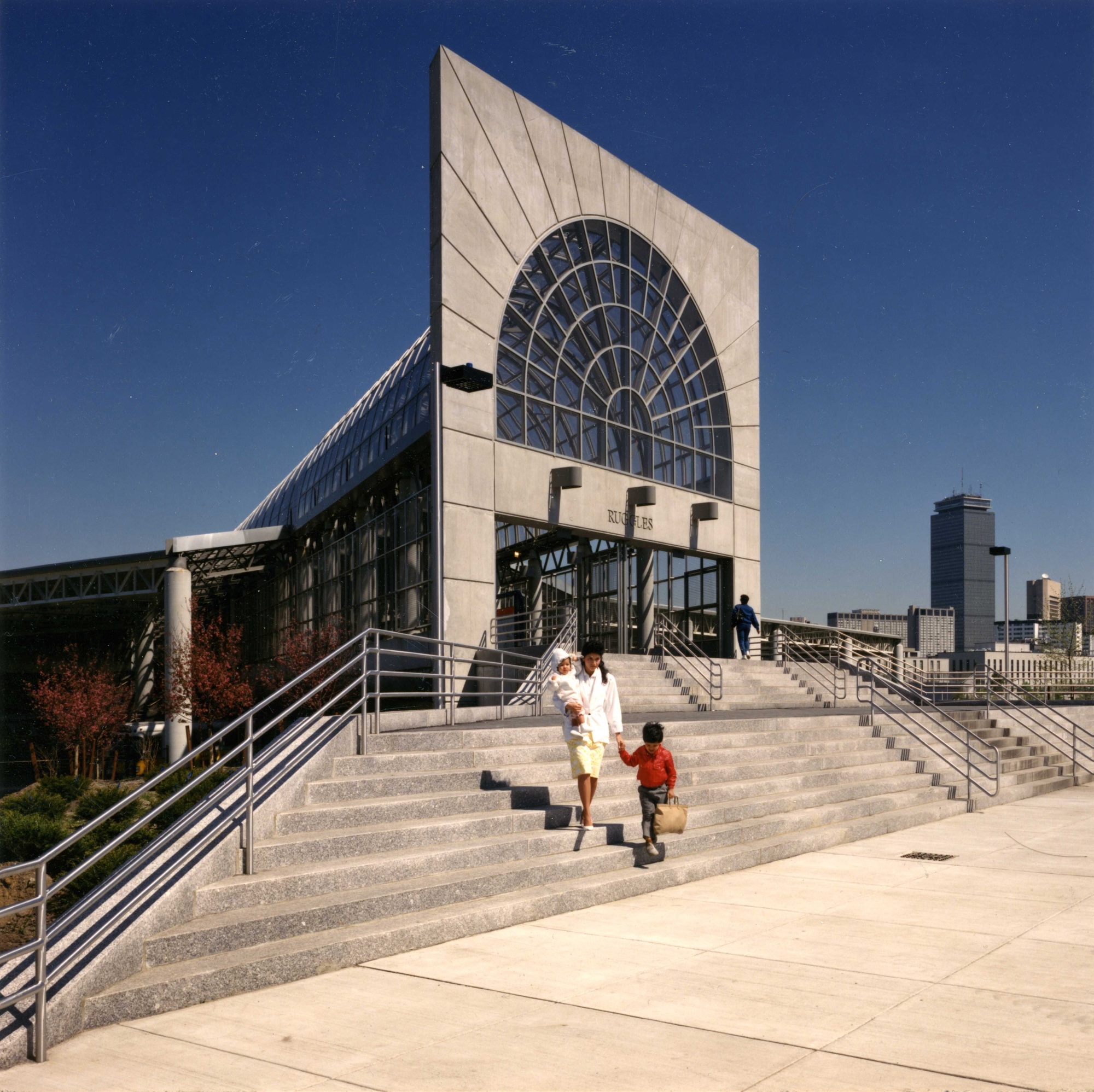
The Southwest Corridor is a unique entry in this cycle, as it represents a victory of community activism over destructive urban planning. In the 1960s, a 12-lane highway was slated to cut through the heart of Boston’s Black neighborhoods. Following years of intense protest, the project was halted, and the land was instead used to create a four-mile transit line and a 52-acre linear park. The project was led by the Black-led firm Stull & Lee, Inc. The Ruggles Transit Station, a centerpiece of the corridor, is a landmark of Postmodern design. The Getty funding will be used for high-tech documentation, including 3D modeling and photography, to preserve the history of this "people-first" infrastructure.
4. St. Mark AME Zion Church, East Chicago, Indiana
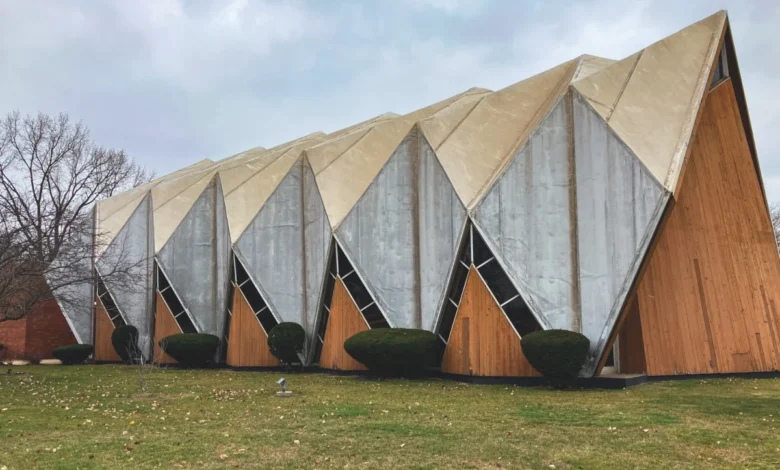
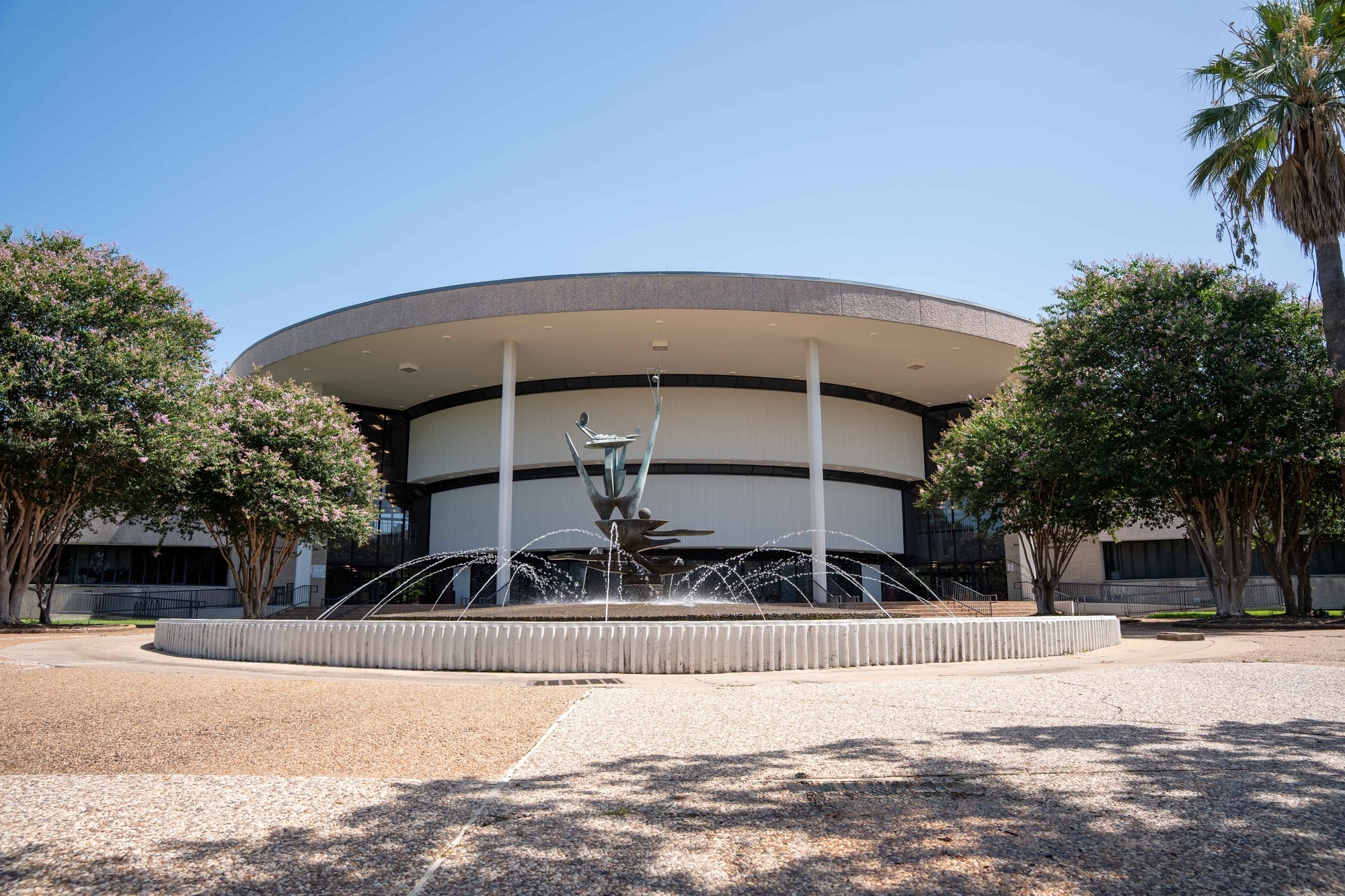
Designed by Wendell Campbell, a co-founder of NOMA along with John Saunders Chase Jr., St. Mark AME Zion Church is an architectural marvel of the late 1960s. The structure was intentionally designed to resemble hands joined in prayer, achieved through a dramatic, origami-like roof and triangular ribbon windows. The interior is a column-free sanctuary that emphasizes light and air, creating a communal space of spiritual uplifting. The grant will provide the church with a long-term maintenance and rehabilitation roadmap, ensuring that this pillar of the East Chicago community remains structurally sound.
Supporting Data and Broader Funding Initiatives
While the "Conserving Black Modernism" program focuses specifically on the modernist era, the National Trust’s African American Cultural Heritage Action Fund is simultaneously distributing an additional $2.26 million to 22 other locations nationwide. This broader funding reflects the diversity of Black history in America, spanning from rural agricultural sites to military outposts.
Key projects in this secondary funding round include:
- The Emmett Till Interpretive Center, Alabama: A former seed barn in rural Alabama will be transformed into a site of memory and education regarding the life and legacy of Emmett Till.
- Camp Naco, Arizona: Funding will go toward the preservation of barracks that once housed the "Buffalo Soldiers," the Black army regiments that played a crucial role in the development of the American West.
- The Blue Bird Inn, Detroit: A legendary jazz venue that served as a cultural incubator for the city’s Black musicians during the mid-20th century.
The distribution of these funds is backed by data showing that historic sites associated with minority communities are disproportionately likely to be demolished or fall into disrepair. According to the National Trust, less than 3% of the sites on the National Register of Historic Places are associated with African American history. The Action Fund, which has raised over $90 million since 2017, is the largest preservation campaign ever undertaken on behalf of African American historic sites.
Official Responses and Preservation Strategy
The reaction from the architectural and preservation communities has been overwhelmingly positive. Brent Leggs, executive director of the African American Cultural Heritage Action Fund, emphasized that the goal is to shift the public’s perception of what constitutes a "historic" building. "The architecture of the Black community is often modern because it was during the mid-20th century that Black architects finally gained the credentials and opportunities to design major civic and institutional buildings," Leggs noted in a recent briefing. "By preserving these sites, we are preserving the evidence of Black progress."
The preservation strategy funded by these grants is multifaceted. It moves beyond simple "brick and mortar" repair to include:
- Strategic Planning: Developing business models that allow these sites to remain economically viable.
- Technical Documentation: Using modern technology to record architectural details that may be lost to time.
- Narrative Building: Researching the lives of the architects and the social context of the buildings to ensure their stories are told accurately.
Impact and Implications for the Future of Architecture
The implications of the Getty and National Trust’s investment extend far beyond the five cities receiving the grants. By formalizing the study and conservation of Black Modernism, these organizations are challenging the academic and professional status quo. This movement encourages current architecture students to look toward a more inclusive set of precedents, fostering a new generation of designers who see their own histories reflected in the landscape.
Furthermore, the restoration of sites like Central City Plaza or the Southwest Corridor has tangible economic benefits for their surrounding neighborhoods. Historic preservation is often a catalyst for urban revitalization, drawing tourism, encouraging local business investment, and fostering a sense of civic pride. In Milwaukee, the preservation of the plaza allows the Salvation Army to maintain its presence in a neighborhood that has long suffered from disinvestment, providing a stable anchor for social services.
As these five projects move into their planning and restoration phases, they serve as a reminder that the American story is written in stone, steel, and glass. The "Conserving Black Modernism" initiative ensures that the chapters written by Black architects are no longer erased by time or neglect, but are instead polished and preserved as essential components of the nation’s cultural heritage. Through this $4.85 million commitment, the Getty Foundation and the National Trust are not just saving buildings; they are safeguarding the physical manifestations of resilience, innovation, and the enduring pursuit of equity in the American built environment.