CanJam London 2024 Inside the Technological Evolution and Individual Subjectivity of High Fidelity Personal Audio

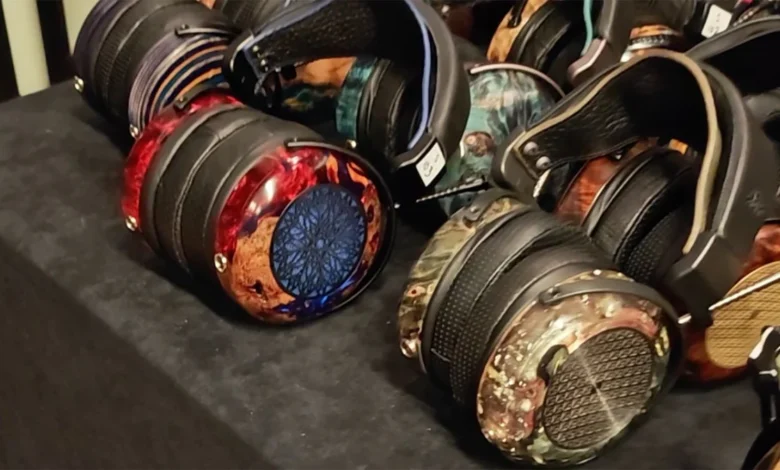
The landscape of high-fidelity personal audio experienced a significant moment of convergence this past weekend at CanJam London, the premier international trade show dedicated to headphones, in-ear monitors (IEMs), and portable audio technology. Held annually in major global hubs including New York, Singapore, and Southern California, the London iteration serves as a critical barometer for the European audiophile market. This year’s event showcased a startling spectrum of hardware, ranging from entry-level "budget bangers" to flagship systems retailing for upwards of $5,000, while simultaneously hosting seminars that challenged the very foundations of how audio quality is measured and perceived by the human ear.
The Evolution of CanJam and the Personal Audio Market
CanJam began as a series of regional meetups organized by members of Head-Fi.org, the world’s largest online community for headphone enthusiasts. Over the last two decades, it has transformed into a sophisticated professional circuit where manufacturers debut cutting-edge technologies. The growth of the event mirrors the broader expansion of the high-end personal audio market. According to industry reports, the global headphones market was valued at approximately $58 billion in 2023 and is projected to grow at a compound annual growth rate (CAGR) of over 7% through 2030. Within this, the "audiophile" segment—defined by high-resolution capabilities and specialized driver configurations—has seen a surge in interest as remote work and digital streaming services increase the demand for high-quality, private listening experiences.
The 2024 London event featured over 100 exhibitors, including industry stalwarts such as Sennheiser, Beyerdynamic, and Noble Audio, alongside disruptive newcomers and boutique manufacturers from the "Chi-Fi" (Chinese Hi-Fi) sector. The primary focus of the weekend was not merely the hardware itself, but the increasing tension between objective measurement and subjective experience.
The Science of Subjectivity: Why Listeners Disagree
One of the most significant sessions of the weekend was a seminar titled "Why Can’t We Just Agree What a Headphone Sounds Like?" presented by Griffin Silver and Cameron Oatley. The presentation addressed a long-standing conflict in the audiophile community: why two individuals can listen to the same high-end headphone and have diametrically opposed reactions.
The speakers detailed several physiological and physical factors that disrupt the concept of a "universal" sound profile. Central to this is the Head-Related Transfer Function (HRTF). This refers to how an individual’s unique anatomy—the shape of the pinna (outer ear), the width of the head, and even the torso—filters sound waves before they reach the eardrum. Because no two people share identical anatomy, the acoustic "signature" of a headphone is physically different for every listener.
Furthermore, the seminar highlighted the limitations of frequency response graphs. While these graphs are often used by reviewers to describe the tonal balance of a device, they do not account for variables such as:
- Seal Integrity: The quality of the cushion-to-head seal can drastically alter bass response.
- Clamping Pressure: The force with which a headphone sits on the head changes the internal volume of the ear cup.
- Pad Material: The use of leather versus velour or hybrid materials significantly impacts high-frequency reflections.
This scientific perspective provided a "palate cleanser" for attendees, empowering consumers to trust their own auditory experiences over expensive marketing claims or rigid adherence to measurement data.
The Luxury Tier: The Paradox of Price and Comfort
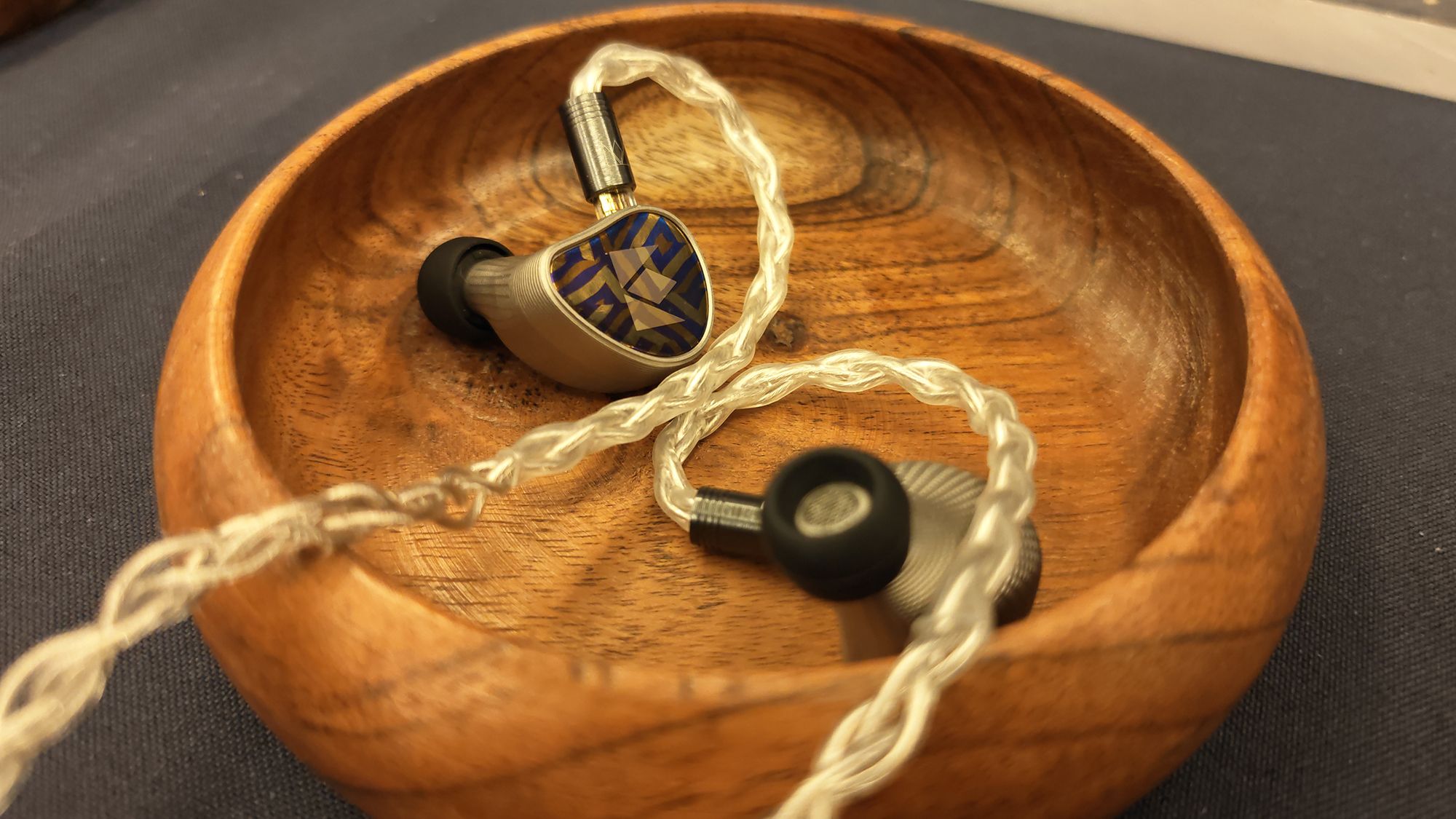
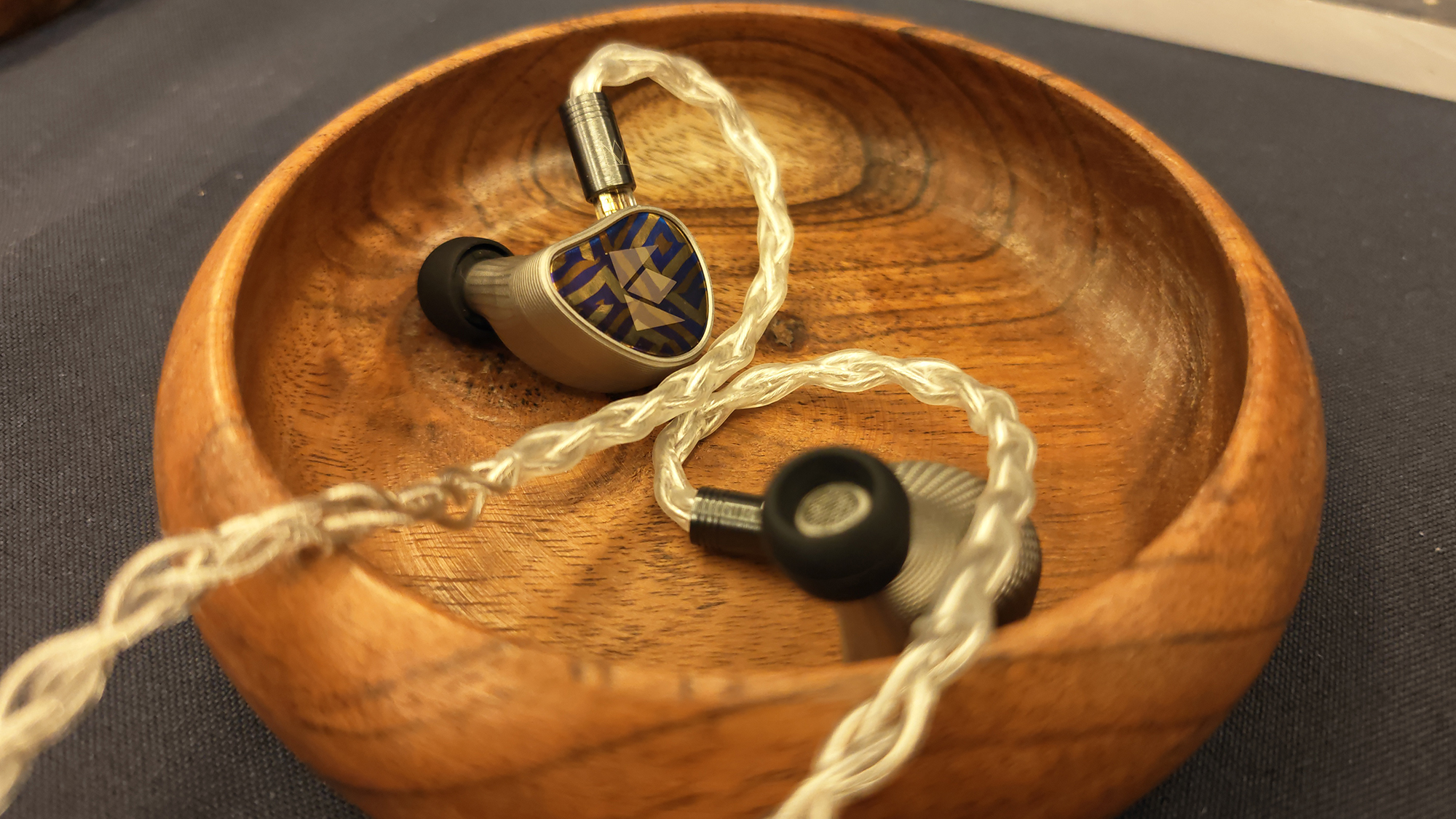
The "Summit-Fi" segment of the show—products priced at the extreme high end—featured the Subtonic Storm, an in-ear monitor retailing for approximately $5,200. The Storm is widely regarded by technical reviewers, including industry analyst Theo Lee (known as Precogvision), as one of the most capable IEMs ever produced due to its intricate driver array and resolution.
However, the event also highlighted the "levelling factor" of physical comfort. Despite the Storm’s technical prowess, its unvented, large-shell design creates a significant pressure build-up in the ear canal for many users. This "occlusion effect" can lead to discomfort that renders the high-fidelity sound secondary to the physical experience. Industry observations at the show suggested a growing realization among consumers: an elite $5,000 sound profile is functionally inferior to a $100 model, such as the Final E4000, if the latter provides the comfort necessary for long-term listening.
This highlights a critical challenge for high-end manufacturers. As they cram more drivers—including balanced armatures, dynamic drivers, and electrostatic tweeters—into small IEM shells, the ergonomic limits of the human ear are being reached. The "chonky" nature of flagship IEMs is becoming a barrier to entry for a segment of the market that prioritizes usability alongside fidelity.
The Standardization of "Neutral": The Status Pro X and B&K 5128
A major trend identified at CanJam London was the industry-wide move toward "neutral" tuning—a sound profile that aims to reproduce audio exactly as it was recorded, without artificial boosts to the bass or treble. This movement is being driven by more sophisticated measurement tools, specifically the Brüel & Kjær (B&K) 5128 Type 4128-C Head and Torso Simulator.

Unlike older measurement standards (such as the IEC 60318-4, or "711" coupler), the B&K 5128 more accurately mimics the acoustic impedance of the human ear canal up to 20kHz. This has allowed engineers to develop a more precise "neutral target." A notable example of this application debuted last week: the Status Pro X GoldenSound Edition.
Developed by Cameron Oatley in collaboration with Status Audio and Imperial College London, the Pro X GoldenSound Edition utilized individual HRTF measurements to derive a specific neutral target for the B&K 5128 simulator. This scientific approach aims to eliminate the "wonky" tunings often found in consumer headphones—such as lower-bass scoops or aggressive treble peaks designed to fake a sense of detail. The resulting product, priced at $280, represents a democratization of high-end tuning science, bringing "reference grade" sound to a wireless, consumer-friendly format.
Chronology of Innovation: Noble Audio’s High-End Offerings
Noble Audio, a company led by Dr. John Moulton (widely known as "The Wizard"), showcased a range of new products that illustrated the current trajectory of high-end driver technology. The weekend provided a clear timeline of the brand’s current development:
- The Vanguard ($325): An entry-level enthusiast model that received mixed reactions due to a prominent upper-midrange peak, illustrating the risks of "aggressive" tuning in the budget-premium sector.
- The Iris ($699): A mid-tier model that many attendees noted as a return to a more balanced, "safe" audiophile tuning, regaining consumer trust after the more experimental Vanguard.
- The Kronos ($4,500): A flagship model housing nine specialized drivers. The Kronos was cited by many at the show as a peak experience of the weekend, offering a "warm" lower frequency and exceptional midrange detail.
The Kronos serves as a case study for the "weird, wonky, and wonderful" side of the hobby. While its $4,500 price tag is prohibitive for the general public, its ability to reveal previously unheard details in familiar test tracks demonstrates why the ultra-high-end market continues to thrive despite the subjective nature of hearing.

Broader Impact and Industry Implications
The takeaways from CanJam London 2024 suggest three primary shifts in the personal audio industry:
- The Death of the "Golden Ear" Myth: The scientific emphasis on HRTF and anatomical variance is dismantling the idea that there is a single "correct" way to hear. This is likely to lead to more personalization options in software, such as integrated EQ (equalization) apps that allow users to tailor flagship hardware to their specific hearing needs.
- Ergonomics as a Competitive Advantage: As technical performance reaches a plateau where the human ear can no longer discern incremental improvements in resolution, manufacturers are shifting their focus to materials science and ergonomic design. The success of "bass cannons" like the FiiO FT1 or comfort-focused IEMs like the Final E series suggests that "wearability" is becoming as important as "listenability."
- The Rise of Scientific Neutrality: The collaboration between reviewers, academics, and manufacturers (as seen with the Status Pro X) indicates that the future of audio tuning will be less about "raising a thumb to the wind" and more about rigorous, simulator-based accuracy.
In conclusion, CanJam London 2024 proved that while the technology of personal audio is becoming more expensive and complex, the fundamental truth of the hobby remains rooted in the individual. The event served as a reminder that the "best" headphone in the world is not necessarily the one with the highest price tag or the flattest graph, but the one that aligns most perfectly with the listener’s unique biology and personal preference. As the industry moves forward, the challenge will be to balance these scientific advancements with the accessibility and comfort required to keep the hobby growing.