
Tag Beaches New York

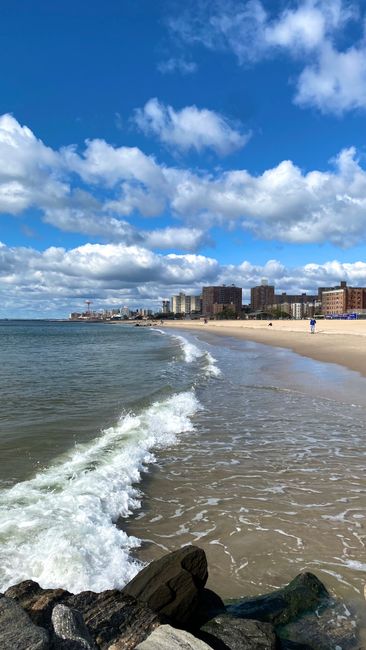
TAG Beaches New York: Your Ultimate Guide to Sun, Sand, and Serenity
New York State, often perceived as an urban jungle, boasts an unexpectedly rich and diverse coastline, offering a plethora of public beaches that cater to every whim. From the bustling shores of Long Island to the tranquil retreats upstate, "TAG Beaches New York" encapsulates a curated collection of these aquatic oases, providing residents and visitors alike with unparalleled access to the refreshing embrace of the Atlantic Ocean, the Great Lakes, and numerous inland bodies of water. This comprehensive guide delves into the most sought-after beach destinations, highlighting their unique features, amenities, and accessibility, ensuring you find your perfect patch of sand. Understanding the landscape of New York’s beaches involves recognizing the distinct geographical regions that define them. Long Island, with its extensive Atlantic coastline, offers classic surf-and-sand experiences, while the shores of the Great Lakes present a different, yet equally captivating, aquatic environment. Beyond these major bodies of water, numerous state and local parks feature beaches on rivers, lakes, and reservoirs, expanding the definition of "beach" within the Empire State. This article aims to be your definitive resource for navigating this expansive network of waterfront recreation.
Long Island is, arguably, New York’s most iconic beach destination. Its south shore, facing the Atlantic, is renowned for its long stretches of fine sand and powerful waves. Jones Beach State Park stands as a titan among these, a sprawling masterpiece of natural beauty and recreational facilities designed by Robert Moses. Its five miles of shoreline are a perennial favorite, offering ample space for sunbathing, swimming, and surfing. Beyond the sand, Jones Beach provides a wealth of amenities, including boardwalks perfect for leisurely strolls, an amphitheater for concerts, nature centers, and playgrounds, making it an ideal destination for families and groups. The sheer scale of Jones Beach means that even on the busiest summer days, it’s possible to find a relatively uncrowded spot. Accessibility is a key consideration, with ample parking, a bus service, and accessible pathways ensuring that visitors of all abilities can enjoy the park. Lifeguard services are present during the peak season, offering a layer of safety for swimmers. Fire Island, accessible by ferry from various points on Long Island, offers a more secluded and naturalistic beach experience. This barrier island is largely car-free, preserving its pristine environment and fostering a sense of escape. Robert Moses State Park, located at the western tip of Fire Island, is another prime Atlantic-facing beach with dunes, fishing opportunities, and a vibrant surf scene. Its iconic lighthouse serves as a landmark and a beacon for maritime history. Further east on Long Island, Montauk Point State Park offers dramatic cliffside vistas and a more rugged, windswept beach experience, popular with surfers and anglers. The beaches in the Hamptons, while often associated with exclusive resorts, also include public access points that offer the same beautiful sand and surf, albeit with a more upscale ambiance. These range from the popular Coopers Beach in Southampton to Ditch Plains Beach in Montauk, known for its consistent surf. Each beach along Long Island’s south shore carries its own distinct character, from the family-friendly atmosphere of Ocean Beach on Fire Island to the more adventurous surf breaks of Montauk.
While Long Island dominates the oceanic beach scene, New York’s northern regions offer a different, yet equally compelling, aquatic allure – the Great Lakes. The shores of Lake Erie and Lake Ontario provide extensive sandy beaches and freshwater swimming opportunities. Beaches like Hamburg Beach in Erie County offer a taste of the lakefront lifestyle with playgrounds, picnic areas, and calm waters suitable for families. Golden Hill State Park in Orleans County, situated on the southern shore of Lake Ontario, boasts a beautiful beach, a historic lighthouse, and camping facilities, offering a serene escape from the hustle and bustle. Wilson-Tuscarora State Park, also on Lake Ontario, provides swimming, boating, and fishing, along with camping and trails. These Great Lakes beaches offer a distinct advantage for those who prefer freshwater environments, often with calmer waters than the Atlantic, making them ideal for younger children and less experienced swimmers. The scenery is also different, with the vast expanse of the lakes providing a sense of open water that differs from the ocean. The sunsets over the Great Lakes can be particularly spectacular, adding another layer to the beachgoing experience. Exploring these northern beaches opens up a new dimension to "TAG Beaches New York," showcasing the state’s diverse aquatic offerings.
Beyond the major coastlines, New York State Parks and local municipalities have developed numerous inland beaches on lakes, rivers, and reservoirs, expanding the definition of a beach day. These often provide a more intimate and tranquil setting, perfect for a quick dip or a peaceful afternoon. Green Lakes State Park in the Finger Lakes region is a standout example, famous for its two glacial lakes, Round Lake and Green Lake, which are renowned for their vibrant, almost surreal, emerald and turquoise hues due to the high concentration of dissolved minerals. The beaches here are a unique experience, offering a refreshing swim in crystal-clear waters surrounded by lush forests. Allegany State Park, located in the southwestern corner of New York, features several beaches on its lakes, providing opportunities for swimming, boating, and picnicking amidst a more rugged, mountainous landscape. Letchworth State Park, often called the "Grand Canyon of the East," offers scenic overlooks and waterfalls, but also boasts a beach area on the Genesee River, providing a cool respite on a hot summer day. For those in the Capital Region, Moreau Lake State Park offers a sandy beach on its namesake lake, complete with a boat launch and hiking trails. The beaches within state parks are generally well-maintained and offer a range of amenities, including restrooms, picnic tables, and sometimes concession stands. These inland beaches often require a nominal entry fee per vehicle, which contributes to their upkeep and the preservation of the surrounding natural environment. They represent accessible, often less crowded, alternatives to the more popular coastal destinations.
When planning a "TAG Beaches New York" excursion, several practical considerations are essential for maximizing enjoyment and ensuring a smooth experience. Firstly, understand the seasonal nature of these destinations. Most public beaches have designated operating seasons, typically from Memorial Day weekend through Labor Day weekend, with lifeguards on duty during peak hours. Outside of these times, swimming may be permitted, but at your own risk, and facilities might be limited. Accessibility is a crucial factor. Many Long Island beaches are accessible via public transportation, including the Long Island Rail Road and various bus routes, making them viable options for those without personal vehicles. Parking availability and fees are also important to research, especially for the more popular Long Island and Great Lakes locations, as lots can fill up quickly on weekends and holidays. For inland beaches within state parks, an Empire Pass can often provide cost-effective access to multiple parks throughout the year. Researching specific beach regulations is also advisable. This includes information on alcohol policies, pet restrictions, and rules regarding bonfires or grilling. Many beaches have designated areas for specific activities, such as surfing or kayaking, and understanding these zones can prevent conflicts and ensure a more enjoyable experience for everyone.
The ecological significance of New York’s beaches, both coastal and inland, cannot be overstated. These ecosystems are vital for biodiversity, providing habitats for a variety of plant and animal species. Coastal dunes, for instance, act as natural barriers against erosion and storm surges, while the beaches themselves serve as nesting grounds for shorebirds and sea turtles. Inland lake and river beaches are integral parts of freshwater ecosystems, supporting fish populations and providing crucial water sources for wildlife. Responsible beachgoing practices are paramount to preserving these delicate environments. This includes adhering to Leave No Trace principles, such as packing out all trash, avoiding disturbing wildlife, and staying on designated paths. Many beaches have specific initiatives in place to protect their natural resources, such as volunteer cleanup events or educational programs. Engaging with these efforts can contribute to the long-term health and beauty of "TAG Beaches New York." Understanding the environmental impact of our presence is an integral part of appreciating and enjoying these natural spaces.
In conclusion, "TAG Beaches New York" represents a vast and varied collection of public access points to the state’s abundant waterways. From the iconic Atlantic shores of Long Island, offering everything from lively surf scenes to tranquil escapes, to the refreshing freshwater beaches of the Great Lakes, and the serene, often hidden, gems found on inland lakes and rivers, New York State provides an unparalleled diversity of beach experiences. Whether you seek the thrill of ocean waves, the calm of a lake, or the natural beauty of a protected park, this guide has illuminated the essential information for planning your next beach adventure. Researching specific locations, understanding seasonal access, and embracing responsible stewardship will ensure that these treasured natural resources remain vibrant and enjoyable for generations to come. The comprehensive exploration of these diverse waterfront destinations underscores the rich tapestry of recreational opportunities available within New York, far beyond its urban reputation.


