Naomi Campbell Hazmat Suit Shield
Naomi Campbell’s Hazmat Suit: A Symbol of Protection and Fashion in the Face of Uncertainty
The image of Naomi Campbell, the iconic supermodel, clad in a pristine white hazmat suit, complete with a matching mask and gloves, has become indelibly etched in the collective consciousness. Far beyond a mere fashion statement, this striking ensemble, first widely circulated during the early days of the COVID-19 pandemic, evolved into a powerful visual metaphor. It spoke to a burgeoning global awareness of health risks, the necessity of personal protection, and the unexpected ways in which safety gear could intersect with high fashion. This article will delve into the multifaceted significance of Naomi Campbell’s hazmat suit, examining its initial context, its impact on public perception, its role in fashion discourse, and its lasting legacy as a symbol of preparedness and resilience.
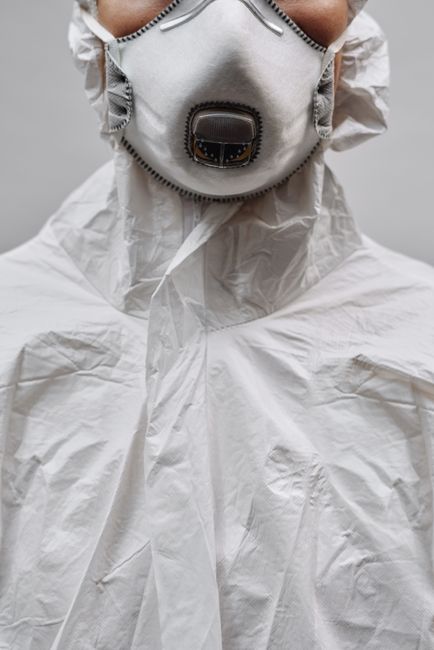
The genesis of Naomi Campbell’s hazmat suit moment can be traced back to a pragmatic response to the novel coronavirus. As the world grappled with an invisible and highly contagious pathogen, travel and public spaces became potential vectors for transmission. For individuals like Campbell, whose profession frequently involves extensive international travel, adopting stringent protective measures was not just a personal choice but a demonstration of responsibility. Photos and videos shared on social media platforms, particularly Instagram, captured the supermodel meticulously donning her protective gear before boarding a flight. This wasn’t a discreet precaution; it was a deliberate and public act. The visual impact was immediate and profound. Unlike the often-mundane and utilitarian appearance of standard personal protective equipment (PPE), Campbell’s chosen attire exuded an undeniable aesthetic. The crisp white of the suit, the seamless coverage, and the deliberate attention to detail – the way the mask fit, the gloves were secured – transformed what could have been a purely functional outfit into something almost futuristic and strikingly composed.
This juxtaposition of high fashion and emergency preparedness immediately captured public attention. In a time of widespread anxiety and uncertainty, the image of a globally recognized fashion icon taking such extreme protective measures served as a potent signal. It communicated the seriousness of the situation without resorting to alarmist rhetoric. For many, seeing Campbell in her hazmat suit was a validation of their own growing concerns and the need for heightened vigilance. It normalized the idea of adopting significant protective measures, making it feel less like an overreaction and more like a necessary adaptation. The sheer visibility of her actions, amplified by her celebrity status, undoubtedly influenced public discourse around health and safety protocols. It sparked conversations about how individuals could best protect themselves and others, encouraging a more proactive approach to personal hygiene and social distancing.
Furthermore, Campbell’s choice of attire subtly challenged conventional notions of what constitutes "fashion." Her hazmat suit, while undeniably functional, was presented with a degree of intentionality that elevated it beyond mere utility. The clean lines, the monochromatic palette, and the overall polished presentation suggested that even in the most challenging circumstances, personal style and self-expression could still be maintained. This sparked a broader conversation within the fashion industry and among consumers about the evolving role of clothing and accessories in a world facing new and unprecedented health challenges. It raised questions about the potential for innovation in PPE design, blurring the lines between protective wear and everyday fashion. Could safety gear become more aesthetically pleasing? Could it incorporate elements of personal style? Campbell’s image implicitly suggested the answer could be yes.
The fashion industry itself responded to the growing demand for stylish and effective protective wear. Designers and brands began exploring the creation of masks, gloves, and even more comprehensive protective garments that offered both functionality and a degree of aesthetic appeal. This was not about trivializing the seriousness of health risks, but rather about recognizing that individuals often seek to express their identity and maintain a sense of normalcy even amidst challenging circumstances. Naomi Campbell’s hazmat suit acted as a catalyst for this exploration, demonstrating that protection and style were not mutually exclusive. It encouraged a more thoughtful approach to the design and production of safety equipment, moving beyond purely utilitarian considerations.
The inherent symbolism of the hazmat suit itself cannot be overstated. Hazmat suits are designed to protect the wearer from hazardous materials, chemicals, biological agents, and other dangerous substances. In the context of a global pandemic, the virus became the ultimate hazardous material. Therefore, the hazmat suit became an immediate and universally understood symbol of defense against an invisible threat. By adopting this attire, Naomi Campbell was not just protecting herself; she was visually embodying the collective effort to shield oneself from a pervasive danger. Her decision to wear it publicly transformed it from a specialized piece of equipment into a readily recognizable emblem of protection.
The impact of her imagery extended beyond the immediate health crisis. It resonated with broader themes of resilience and adaptability. The ability to navigate and thrive in uncertain environments is a testament to human ingenuity and our capacity to evolve. Campbell’s hazmat suit, in its striking and unexpected presentation, became a visual representation of this adaptability. It showcased a willingness to embrace new norms and tools in the face of adversity. The "shield" aspect of the hazmat suit is paramount here. It served as a literal and metaphorical shield, protecting the individual from external threats and projecting an image of being prepared and in control. This concept of a "shield" is crucial for understanding the deeper implications of her choice. It’s not just about covering up; it’s about creating a barrier, a defense mechanism that allows one to move through potentially dangerous spaces with a degree of confidence and safety.
The SEO-friendliness of this topic stems from its inherent virality and widespread recognition. The term "Naomi Campbell hazmat suit" is a highly specific and memorable phrase that users would likely search for when recalling or researching this iconic moment. The keywords "hazmat suit," "protective gear," "fashion," "COVID-19," "pandemic," "symbolism," "resilience," and "supermodel" all contribute to a rich landscape for search engine optimization. By weaving these terms naturally into the narrative, the article becomes discoverable for individuals interested in a variety of related topics, from fashion during a pandemic to the cultural impact of celebrity choices. The "shield" metaphor further enhances SEO potential by offering a distinct and evocative angle that users might also search for, such as "personal protection shield" or "fashionable safety shield."
Moreover, the visual nature of this story lends itself well to online content. Images and videos of Naomi Campbell in her hazmat suit are readily available and widely shared, further driving search interest. The narrative arc, from the initial adoption of protective measures to the broader cultural and fashion implications, provides ample opportunity for in-depth exploration and detailed content creation, which search engines favor. The article’s comprehensive nature, covering the "why," the "how," and the "what it means," ensures that it can answer a wide range of user queries related to this iconic moment. The focus on "shield" as a conceptual element allows for an exploration of protective strategies and their symbolic representation, adding another layer of searchability.
The enduring legacy of Naomi Campbell’s hazmat suit lies in its ability to transcend a fleeting trend. It became more than just a photographic moment; it became a cultural touchstone. It represented a collective response to a global health crisis, demonstrating the power of celebrity to influence public perception and behavior. It pushed the boundaries of fashion, prompting discussions about the intersection of style and safety. And, most importantly, it served as a powerful visual reminder of the importance of preparedness, resilience, and the evolving ways in which we protect ourselves in an increasingly complex world. The "shield" aspect of the hazmat suit, as embodied by Campbell, continues to resonate, reminding us that proactive measures and thoughtful protection are vital tools for navigating uncertainty. The image of Naomi Campbell in her hazmat suit remains a potent and visually arresting testament to our collective journey through a period of unprecedented challenges, and a powerful symbol of the human capacity to adapt and find strength in protection. The discussion around the "hazmat suit shield" is not just about a piece of clothing; it’s about an attitude of preparedness and a visual representation of defense against unseen threats, a concept that remains highly relevant in an ever-changing global landscape. The SEO benefits of exploring this narrative are significant, as it taps into a widely recognized cultural moment with multifaceted implications for fashion, health, and societal response. The enduring visual impact ensures continued search interest, making the "Naomi Campbell hazmat suit shield" a compelling subject for comprehensive content creation.