
Rapa Nui Easter Island Future Of Tourism

Rapa Nui Easter Island Future of Tourism: Sustainability, Community, and Cultural Preservation in the Face of Climate Change and Over-tourism
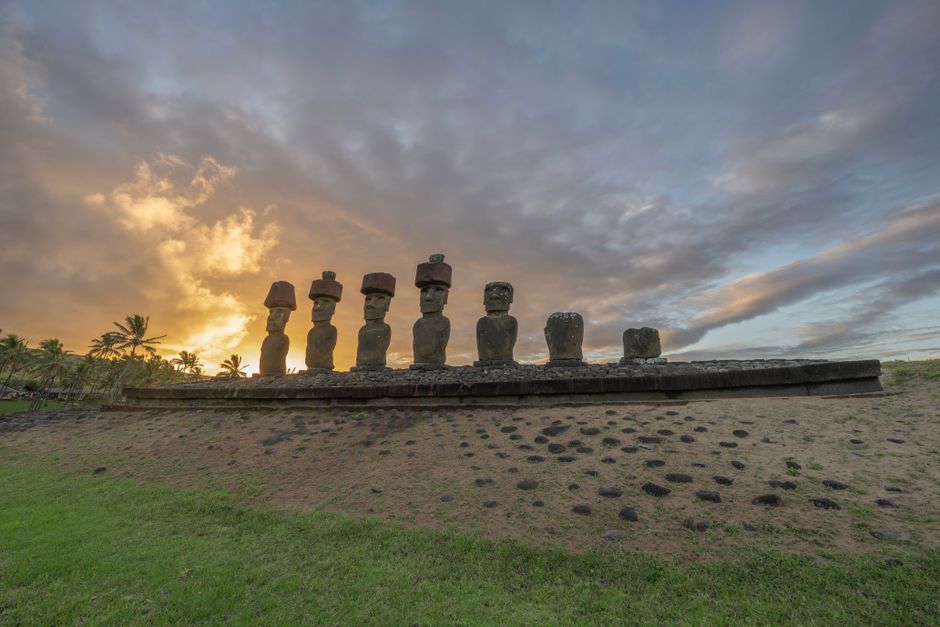
Rapa Nui, or Easter Island, a remote speck in the South Pacific, faces a critical juncture in its tourism future. For decades, its iconic moai statues and enigmatic history have drawn global attention, establishing it as a UNESCO World Heritage site and a bucket-list destination. However, this very allure, coupled with its extreme isolation, places Rapa Nui in a precarious position regarding the long-term viability of its tourism model. The future of tourism on Rapa Nui hinges on a delicate balancing act between economic benefit, cultural preservation, environmental sustainability, and the well-being of its indigenous Rapa Nui people. Addressing the twin challenges of potential over-tourism and the escalating impacts of climate change is paramount to ensuring the island’s survival as a unique and enriching destination, rather than a site of irreversible degradation.
The current tourism model on Rapa Nui, while historically beneficial for the local economy, exhibits significant vulnerabilities. The island’s limited infrastructure, including a single airport with a finite capacity, a small number of accommodations, and a fragile natural environment, is already strained by the influx of visitors. The economic dependency on tourism, while providing employment and revenue, also creates a susceptibility to global economic downturns and travel trends. Furthermore, the inherent logistical complexities and high cost of travel to Rapa Nui mean that the tourism footprint, though perhaps numerically smaller than mass tourism destinations, can have a disproportionately significant environmental and cultural impact per visitor. The future necessitates a paradigm shift away from a high-volume, low-value model towards a curated, high-value, and low-impact approach that prioritizes quality over quantity.
Central to Rapa Nui’s tourism future is the imperative of cultural preservation and the empowerment of the Rapa Nui people. The island’s heritage, embodied in its moai, ahu, and oral traditions, is not merely a tourist attraction but the living essence of its people. Uncontrolled tourism can lead to the commodification and erosion of these cultural practices. Future tourism strategies must be developed and implemented in close collaboration with the Rapa Nui community, ensuring that their voices are heard and their cultural integrity is respected. This involves supporting local businesses, promoting authentic cultural experiences that are not exploitative, and ensuring that tourism revenue directly benefits the islanders and their communities. Initiatives that foster cultural exchange, such as workshops led by Rapa Nui artisans or guided tours by indigenous storytellers, can offer deeper, more meaningful experiences for visitors while simultaneously safeguarding cultural knowledge. The Rapa Nui Parliament and local councils are increasingly playing a crucial role in shaping these policies, and their continued authority and involvement are non-negotiable.
Environmental sustainability is another cornerstone of Rapa Nui’s tourism future, inextricably linked to its unique ecosystem and the preservation of its iconic archaeological sites. The island’s delicate ecological balance is threatened by resource depletion, waste management challenges, and the physical impact of human activity. Over-tourism can exacerbate these issues, leading to increased water consumption, greater waste generation, and the degradation of natural habitats. Future tourism must adopt a robust framework of environmental stewardship. This includes stringent waste reduction and recycling programs, promotion of sustainable transportation options such as electric vehicles and bicycles, and the implementation of visitor management systems that limit access to sensitive areas and control the number of people within archaeological sites. Furthermore, educating visitors about the island’s unique environment and the importance of responsible tourism practices is crucial. Integrating ecological awareness into pre-trip information and on-island interpretation can foster a sense of responsibility and encourage environmentally conscious behavior. The protection of Rapa Nui’s marine environment, vital for its biodiversity and the livelihoods of its people, also requires dedicated conservation efforts and the establishment of marine protected areas that are respected by all visitors.
Climate change poses an existential threat to Rapa Nui’s future, impacting both its environment and its cultural heritage. Rising sea levels threaten coastal archaeological sites, including many ahu with moai that are situated along the shoreline. Increased storm intensity can cause erosion and damage to these fragile structures. Changes in precipitation patterns can impact freshwater availability, a critical resource for both the local population and the tourism industry. The future of Rapa Nui tourism must proactively address these climate-related vulnerabilities. This necessitates the development of adaptation strategies, such as reinforced coastal defenses for threatened heritage sites and improved water conservation technologies. Furthermore, Rapa Nui can become a global showcase for climate resilience, demonstrating how isolated communities can adapt to and mitigate the effects of climate change. This involves investing in renewable energy sources to reduce carbon emissions, promoting sustainable land management practices that enhance ecological resilience, and developing early warning systems for climate-related hazards. The narrative of Rapa Nui’s struggle against climate change can also become a powerful element of its tourism appeal, attracting visitors interested in ecotourism and sustainable travel.
The implementation of effective visitor management strategies is critical for navigating the future of Rapa Nui tourism. The current system, which involves entry fees and limited visitor numbers, is a starting point but requires further refinement. Future strategies should focus on controlling visitor flow, especially during peak seasons, and potentially implementing tiered access systems for certain sensitive sites. This could involve timed entry passes or limits on daily visitor numbers to individual moai platforms. Education and interpretation play a vital role in this management process. Visitors need to understand the significance of the sites they are visiting, the cultural protocols of the Rapa Nui people, and the environmental sensitivities of the island. Well-trained, indigenous guides are essential for conveying this information accurately and respectfully. The development of virtual reality or augmented reality experiences could offer immersive educational opportunities that reduce physical strain on the sites while enhancing visitor understanding. Diversifying the tourism offering beyond the moai is also a key strategy for spreading visitor impact and enhancing the visitor experience. Promoting trekking routes, exploring the island’s volcanic landscapes, engaging with Rapa Nui arts and crafts, and participating in cultural festivals can alleviate pressure on the most popular archaeological zones.
Technological advancements offer both opportunities and challenges for Rapa Nui’s tourism future. While technology can be used to enhance visitor experiences and improve management, it must be implemented thoughtfully to avoid further disrupting the island’s unique character. Online booking systems can help manage visitor numbers and revenue streams more efficiently. Digital storytelling platforms can provide visitors with richer historical and cultural context. However, the potential for digital saturation and the disruption of the serene atmosphere that many visitors seek must be carefully considered. The future of Rapa Nui tourism should leverage technology to enhance sustainability and cultural understanding, rather than solely for commercial gain or to create a less authentic experience. For example, using drones for archaeological surveying and monitoring, while keeping their use by tourists strictly regulated, can aid in preservation efforts. Similarly, developing accessible digital archives of Rapa Nui culture and history can ensure its longevity and accessibility for future generations.
The economic diversification of Rapa Nui, while challenging due to its isolation, is crucial for reducing its over-reliance on tourism and building a more resilient economy. Exploring opportunities in sustainable agriculture, renewable energy development, and artisanal production can create alternative employment and revenue streams for the Rapa Nui people. This would not only reduce the pressure on the tourism sector but also enhance the island’s self-sufficiency and sustainability. A more diversified economy could also empower the Rapa Nui people to have greater control over their own development pathways, ensuring that tourism serves their long-term interests rather than dictating them. Investing in education and training programs that equip Rapa Nui residents with skills in a variety of sectors will be vital for this economic diversification.
The narrative of Rapa Nui’s future tourism must be one of collaboration, respect, and proactive adaptation. It is a story of a unique culture and an extraordinary environment facing unprecedented challenges. By prioritizing sustainability, empowering the Rapa Nui people, and embracing innovative yet responsible management strategies, Rapa Nui can forge a path forward where tourism coexists harmoniously with cultural preservation and environmental protection. The success of this endeavor will not only determine the future of Easter Island but also serve as a crucial model for other heritage destinations grappling with similar pressures worldwide. The goal is not to halt tourism, but to transform it into a force for good, one that sustains the island, enriches its people, and educates its visitors about the profound interconnectedness of culture, environment, and human responsibility. The future of Rapa Nui tourism is a testament to the resilience of the human spirit and the enduring power of a unique cultural legacy.


