A sprawling casino-hotel complex is worlds away from the cobblestone streets and intimate brownstones of New York’s SoHo district, yet the arrival of The Corner Store at The Cosmopolitan of Las Vegas marks a significant bridge between two of the world’s most iconic hospitality landscapes. By successfully transplanting the aesthetic DNA of its 2024 Manhattan debut into the heart of Sin City, the restaurant venture—led by Catch Hospitality Group in collaboration with the renowned Rockwell Group—signals a shift in the Las Vegas dining narrative. The venue aims to capture the elusive "clubby" intimacy of a New York neighborhood haunt while operating at the scale required for a high-traffic resort destination.
The Evolution of a Concept: From SoHo to the Strip
The original iteration of The Corner Store, which opened in New York in 2024, was conceived as an antidote to the oversized, impersonal dining experiences that have come to dominate many tourist-heavy corridors. Its success was predicated on a sensory-rich environment that prioritized nostalgia and exclusivity. When Catch Hospitality Group opted to expand the brand to Las Vegas, the challenge was to maintain that specific level of sophistication without sacrificing the theatricality expected by Nevada’s international clientele.
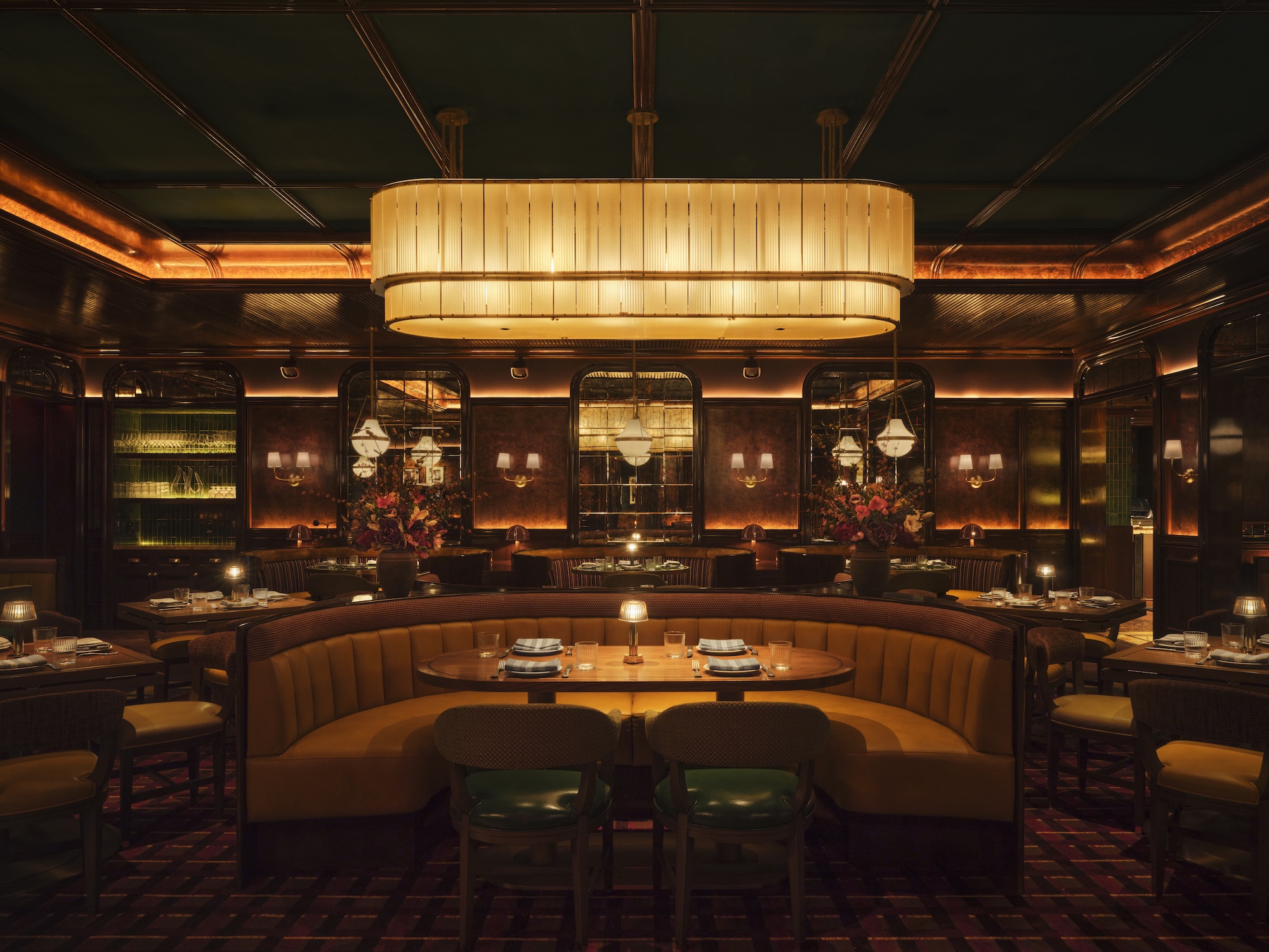
Rockwell Group, the architectural firm behind the design, utilized its extensive experience with the hospitality group—having previously collaborated on venues such as The Eighty Six, Or’esh, and Cafe Charmant—to scale the design. The result is an 180-seat establishment that feels deliberately compact by Las Vegas standards. By eschewing the vast, cavernous floor plans common in nearby mega-resorts, the designers have created a series of contiguous, interconnected rooms that manage to feel both expansive enough for high-volume service and intimate enough for private conversation.
Design and Architectural Nuance
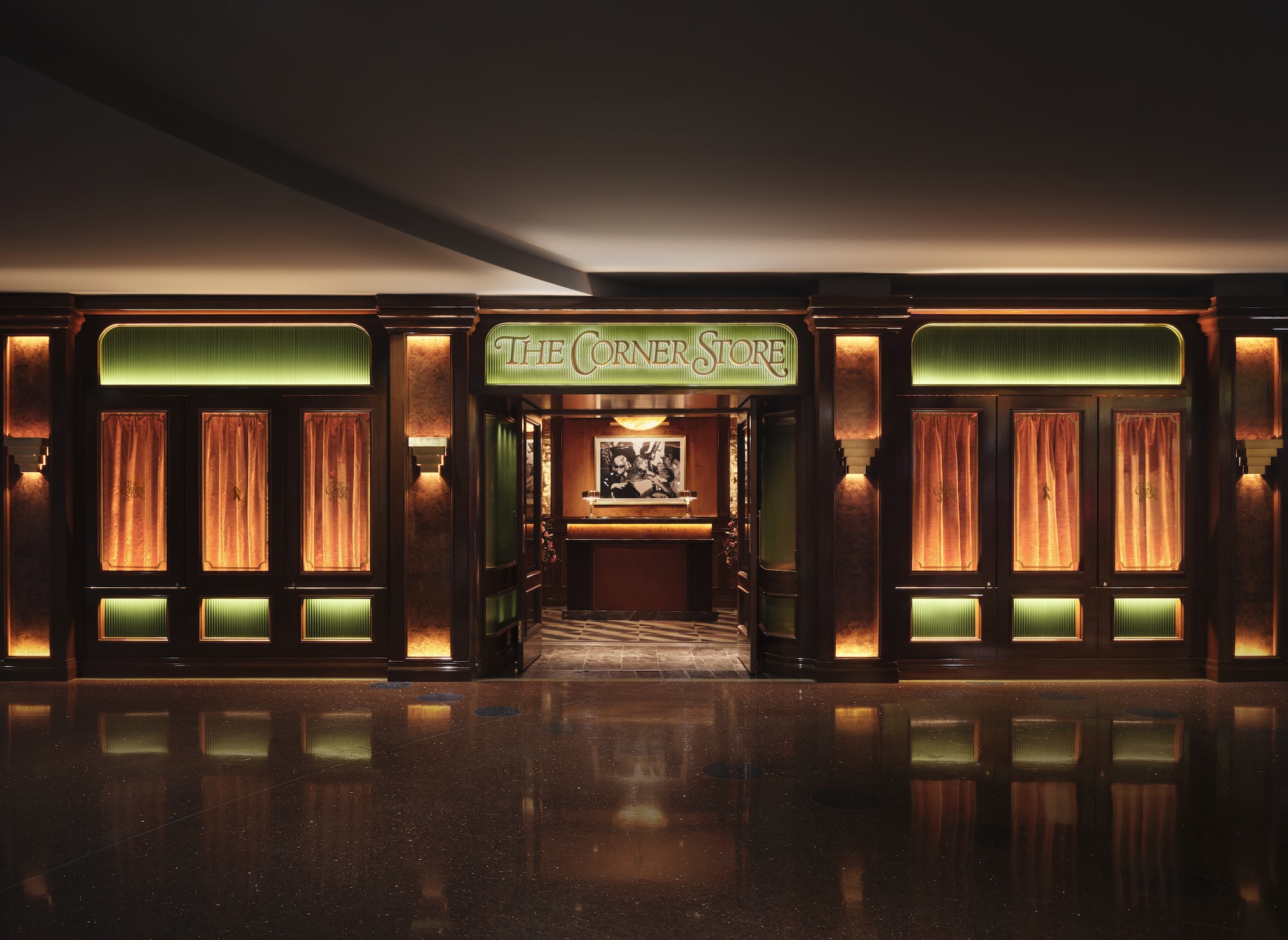
The design language of the Las Vegas outpost draws heavily from the "Old School New York" aesthetic, infused with the precise, high-concept drama of a film set. The entrance features wood-framed vitrines illuminated by warm, Art Deco-inspired sconces, serving as a visual transition from the bright, chaotic lights of the casino floor into a more muted, refined atmosphere.
A technical highlight of the space is the acoustic management. Hospitality design often struggles with the “cocktail party effect,” where ambient noise levels rise to an uncomfortable decibel. The Rockwell Group addressed this through a custom ceiling installation featuring tan-hued panels framed with wood moldings, complemented by nearly undetectable green velvet ceiling panels in the main dining room. These elements serve a dual purpose: they dampen sound and add a layer of texture that enhances the visual depth of the room.
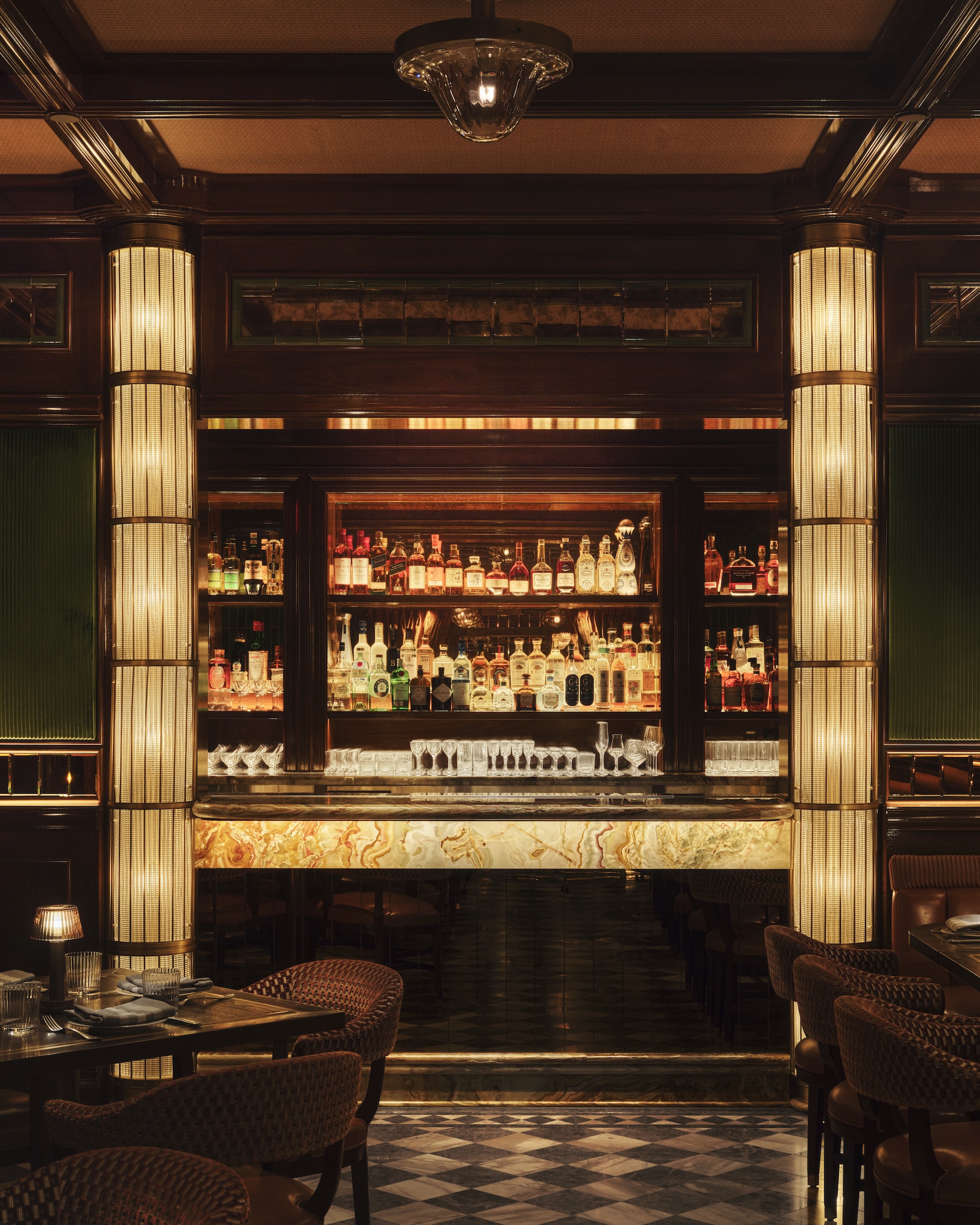
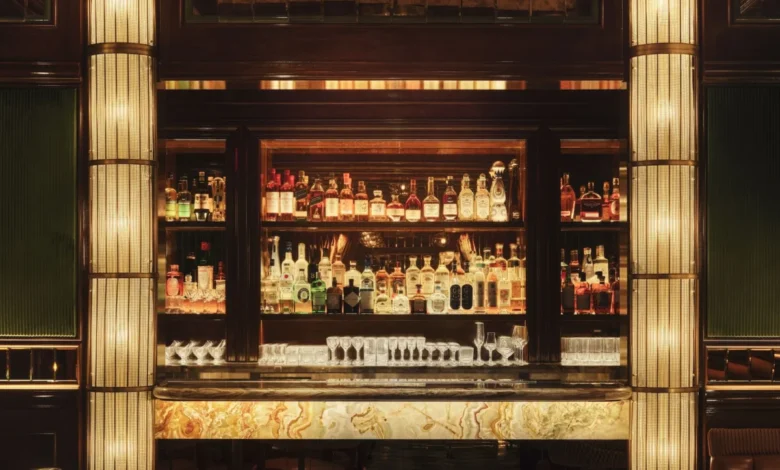
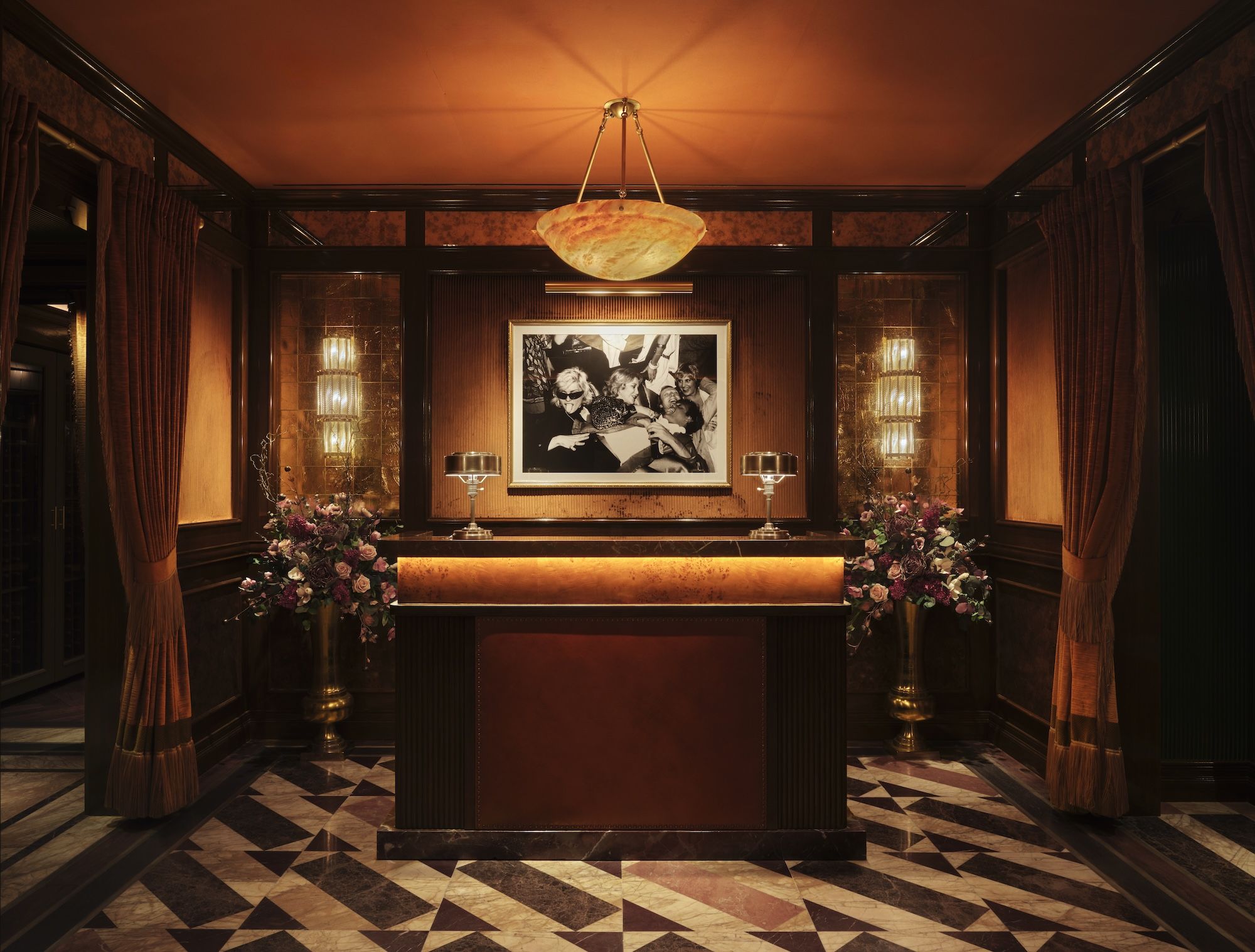
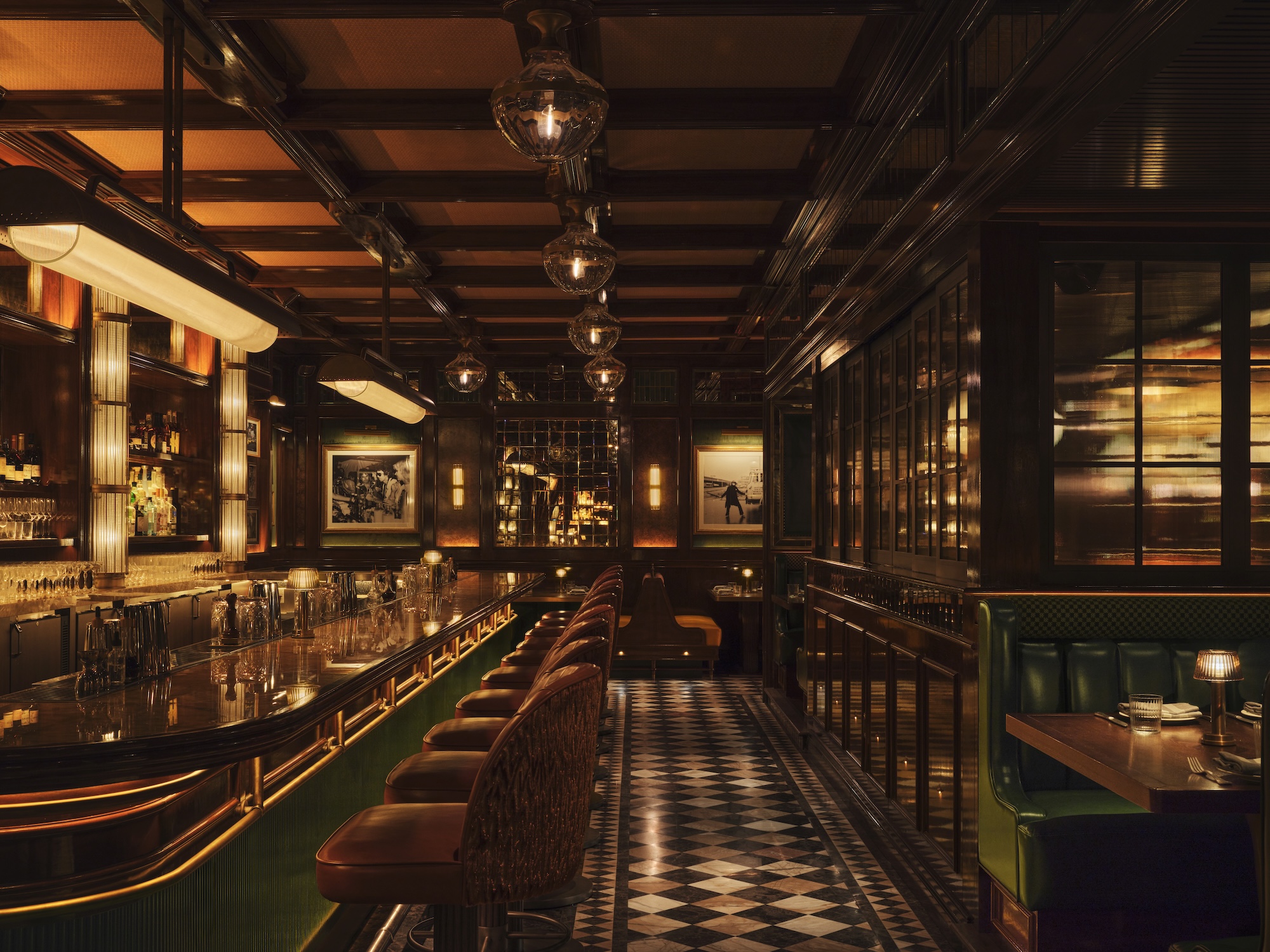
The interior is anchored by dark burl wood paneling, chequerboard marble floors, and antique mirrored surfaces. These materials are chosen not only for their aesthetic value but for their ability to provide flattering, ambient lighting. The walls serve as a gallery of sorts, displaying vintage photography that documents New York’s social scene in the 1980s, further cementing the restaurant’s identity as a cultural homage to a bygone era of urban glamour.
Culinary Philosophy: Elevated Nostalgia
The menu, curated by chef/partner Michael Vignola and executive chef Daniel Bernardo, functions as a modern interpretation of American comfort food. In the context of the Las Vegas market, where "over-the-top" is often the default, The Corner Store pursues a strategy of "classic food done well."
The menu structure follows a deliberate, rhythmic progression. Appetizers are designed to be shareable, serving as a foundation for a robust cocktail program. Notable items include petite lobster rolls finished with a dollop of caviar, five-cheese handmade pizza rolls, and a French dip sandwich utilizing high-grade Westholme Australian wagyu beef.
The cocktail program is equally calculated, leaning into the martini trend currently sweeping the luxury hospitality sector. The signature "Sour Cream & Onion" martini—featuring fat-washed, green onion-infused Condesa gin—serves as a primary example of the menu’s commitment to playful, irreverent tradition. By combining high-end mixology with flavors rooted in childhood snack foods, the bar program creates a talking point that encourages social interaction among diners.
Operational Strategy and Guest Experience
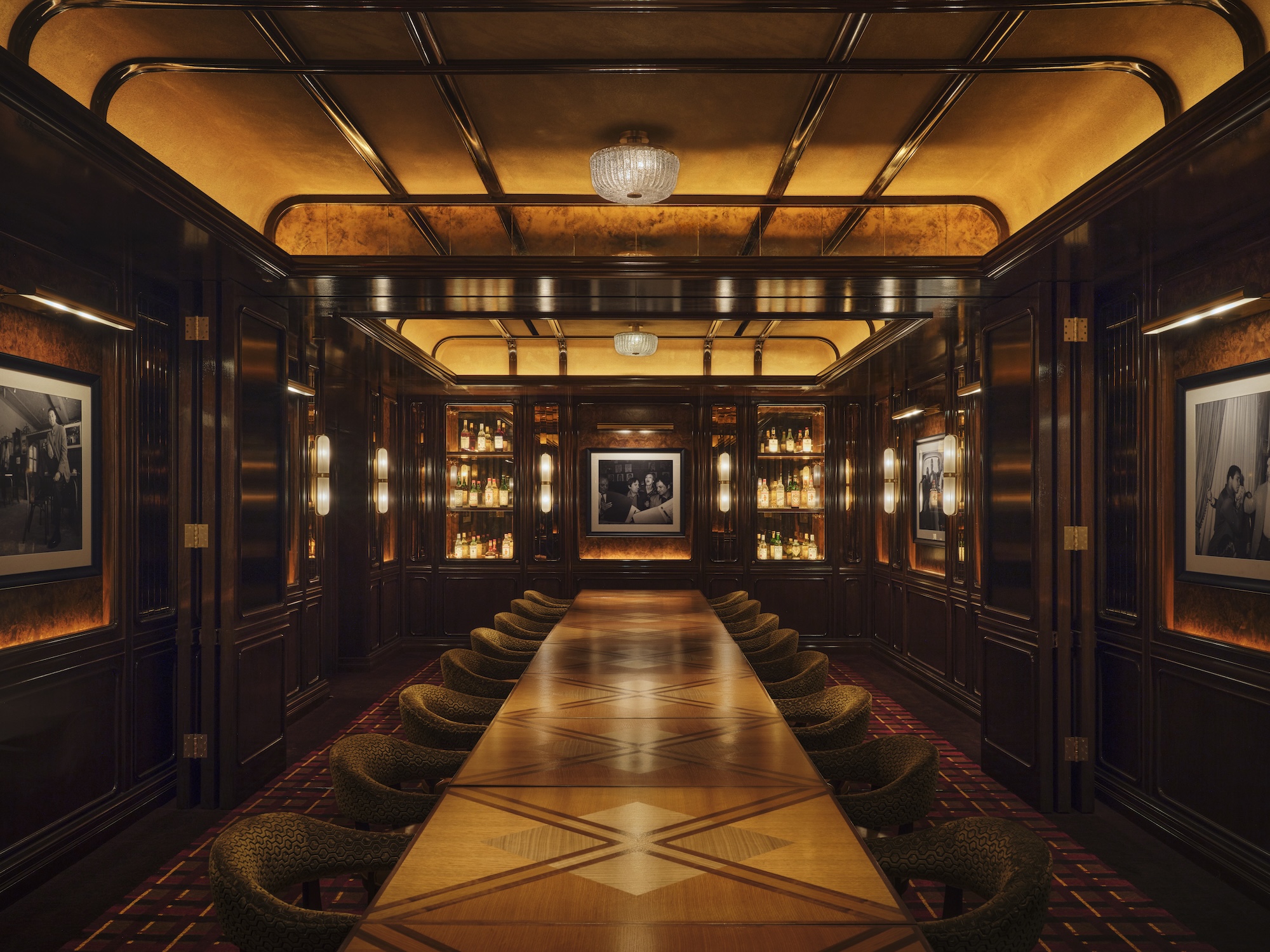
A critical component of The Corner Store’s appeal to the "bold-faced-name" clientele is the logistical management of privacy. While the main dining area is designed for the "see-and-be-seen" crowd, the venue incorporates a secondary, private entrance that allows high-profile guests to bypass public areas entirely. This level of discreet access is an essential requirement for premium hospitality offerings in Las Vegas, where privacy is often as valuable as the menu itself.
Furthermore, the restaurant follows the model of its New York predecessor as an evening-only affair. By limiting operations to dinner hours, the management ensures that the lighting, service, and ambiance remain consistent throughout the service window, avoiding the "day-to-night" transition issues that often affect multi-use resort restaurants.
Market Context and Broader Implications
The opening of The Corner Store comes at a time when the Las Vegas Strip is undergoing a pivot toward more refined, brand-specific dining experiences. As major resort operators like MGM Resorts International continue to curate their culinary portfolios, there is a clear trend toward "boutique" branding.
According to industry analysts, the success of such concepts relies on their ability to create an "identity-driven" experience. Unlike the celebrity-chef-driven restaurants of the early 2000s, which relied on the name of a singular personality, modern successful venues like The Corner Store rely on a cohesive "mood" or "vibe" that is exportable across different markets. This modular approach allows for rapid expansion without the degradation of the guest experience.
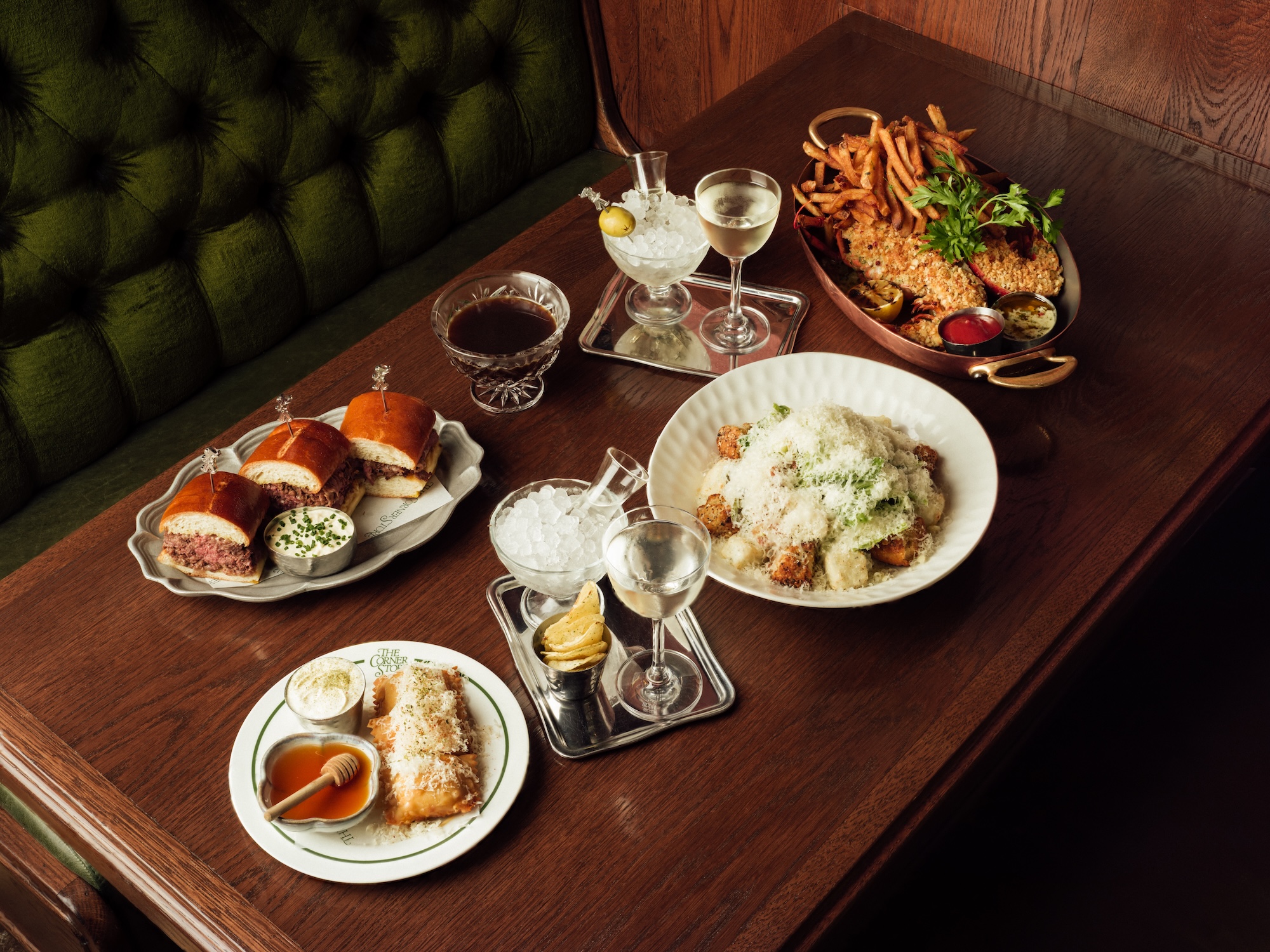
The integration of the restaurant into The Cosmopolitan—a resort known for its own distinctively modern, art-forward branding—suggests that the property is continuing to position itself as a destination for the younger, affluent demographic that values "Instagrammable" aesthetics alongside traditional luxury.
Future Outlook
While the current menu focuses on American classics, there are indications that the venue intends to evolve its offerings to further localize the experience. Plans are already underway to introduce larger, Las Vegas-exclusive beef cuts, including sourcing from Taylor Sheridan’s 6666 Ranch. This move indicates a desire to maintain a competitive edge in the high-stakes steakhouse market of Las Vegas, where sourcing credentials and exclusive supply chains are significant points of differentiation.
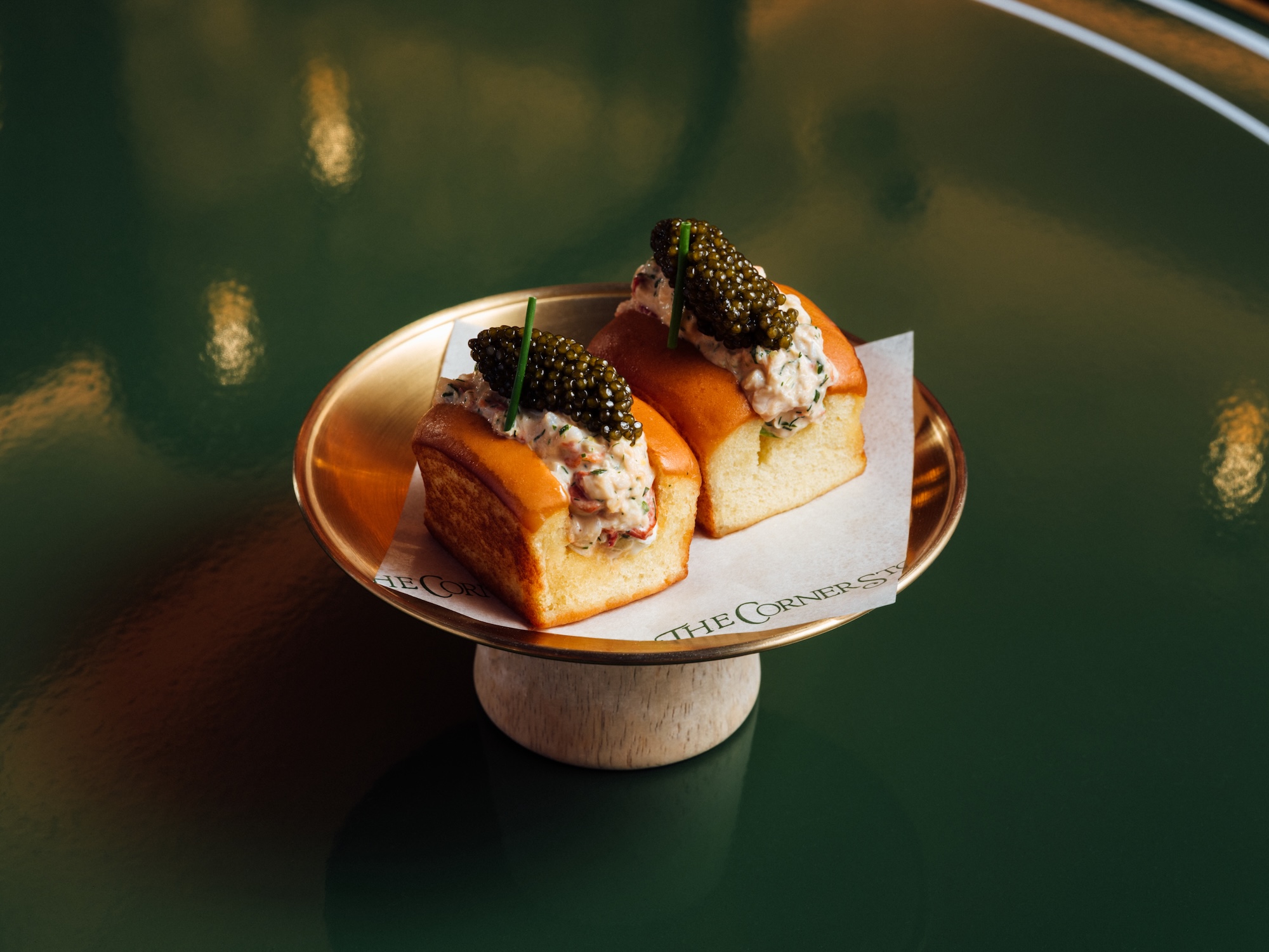
The Corner Store at The Cosmopolitan represents a strategic alignment between heritage-inspired design and modern consumer desires. By focusing on intimacy, acoustic comfort, and a menu that balances nostalgia with decadence, the restaurant effectively translates the SoHo experience for a desert audience. Whether it can maintain its status as an "instant hit" in a city defined by constant novelty remains to be seen; however, its initial execution demonstrates a clear understanding of the nuances required to succeed in one of the world’s most competitive hospitality markets.
As the venue settles into its role within the resort, it is expected to serve as a benchmark for how established, city-specific concepts can scale into the global luxury tourism circuit without losing the specific, granular details that defined their original success. For the discerning diner in Las Vegas, The Corner Store offers a respite from the scale of the Strip, providing a glimpse of a New York that is polished, playful, and purposefully intimate.