Workday Data Cloud Integrates with AWS to Enable Seamless Bi-Directional Zero-Copy Data Sharing

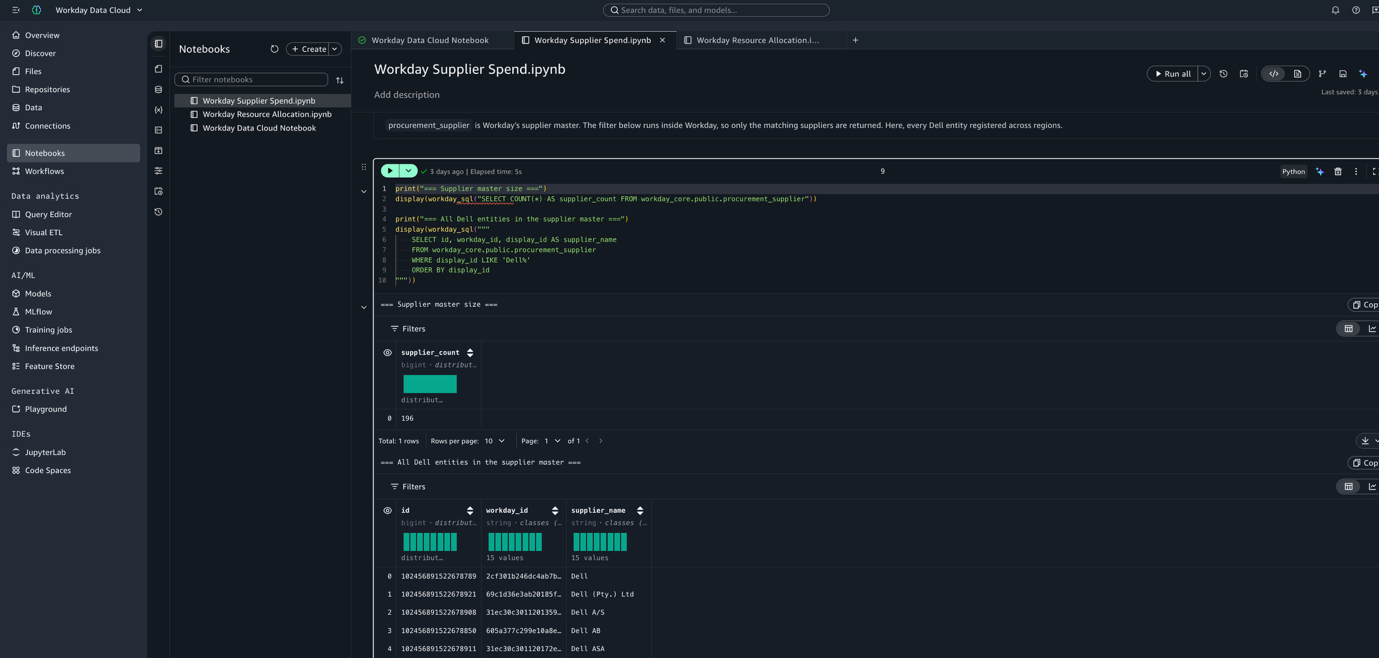
The integration of Workday Data Cloud with Amazon Web Services (AWS) marks a significant evolution in how large-scale enterprises handle their most sensitive information: people and financial data. By establishing a bi-directional, zero-copy data exchange, the two companies aim to eliminate the long-standing industry practice of building fragile, high-maintenance data pipelines. This move allows organizations to leverage AWS’s robust suite of artificial intelligence and analytics tools directly against Workday’s governed data repositories, ensuring that semantic definitions, security protocols, and audit trails remain intact throughout the data lifecycle.
The Problem of Data Silos and Brittle Pipelines
Historically, the enterprise software landscape has been plagued by the "data gravity" problem. To perform advanced analytics or train machine learning models on HR or financial data, organizations were forced to extract, transform, and load (ETL) data from systems of record like Workday into a secondary data lake or warehouse. This process is inherently problematic. It introduces latency, creates multiple versions of truth, increases the risk of security leaks, and imposes a heavy burden on data engineering teams to maintain pipelines that break whenever source schemas change.
According to industry analysts, enterprises spend as much as 80% of their data science time on data preparation rather than actual modeling. The partnership between Workday and AWS addresses this inefficiency by shifting the paradigm from data movement to data access. By using open standards such as Apache Iceberg, the two platforms can now "speak" the same language, allowing for real-time query execution without the need for redundant storage.
A Technical Overview: How the Integration Functions
The architecture of this integration relies on three core components: Workday Data Cloud, the AWS Glue Data Catalog, and the Apache Iceberg open table format.
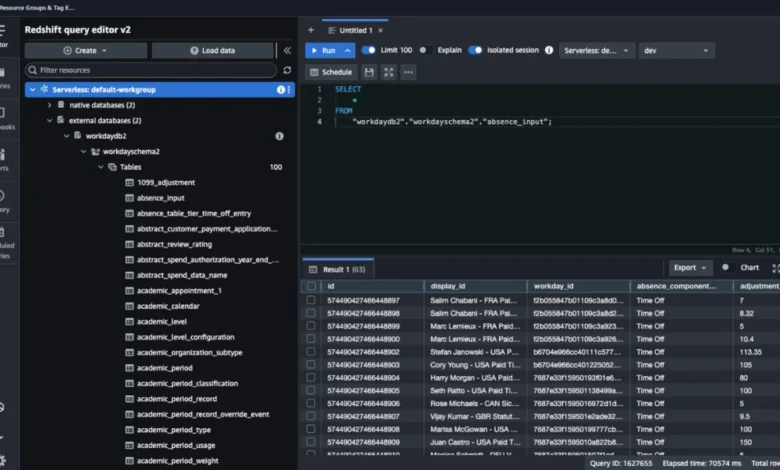
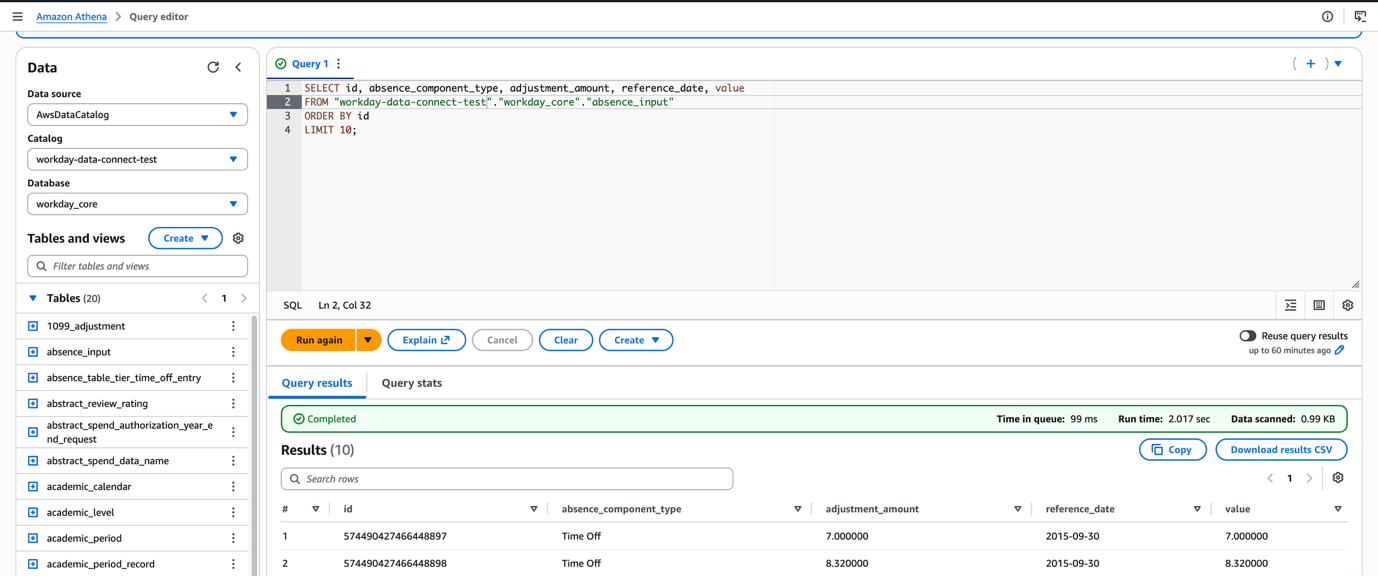
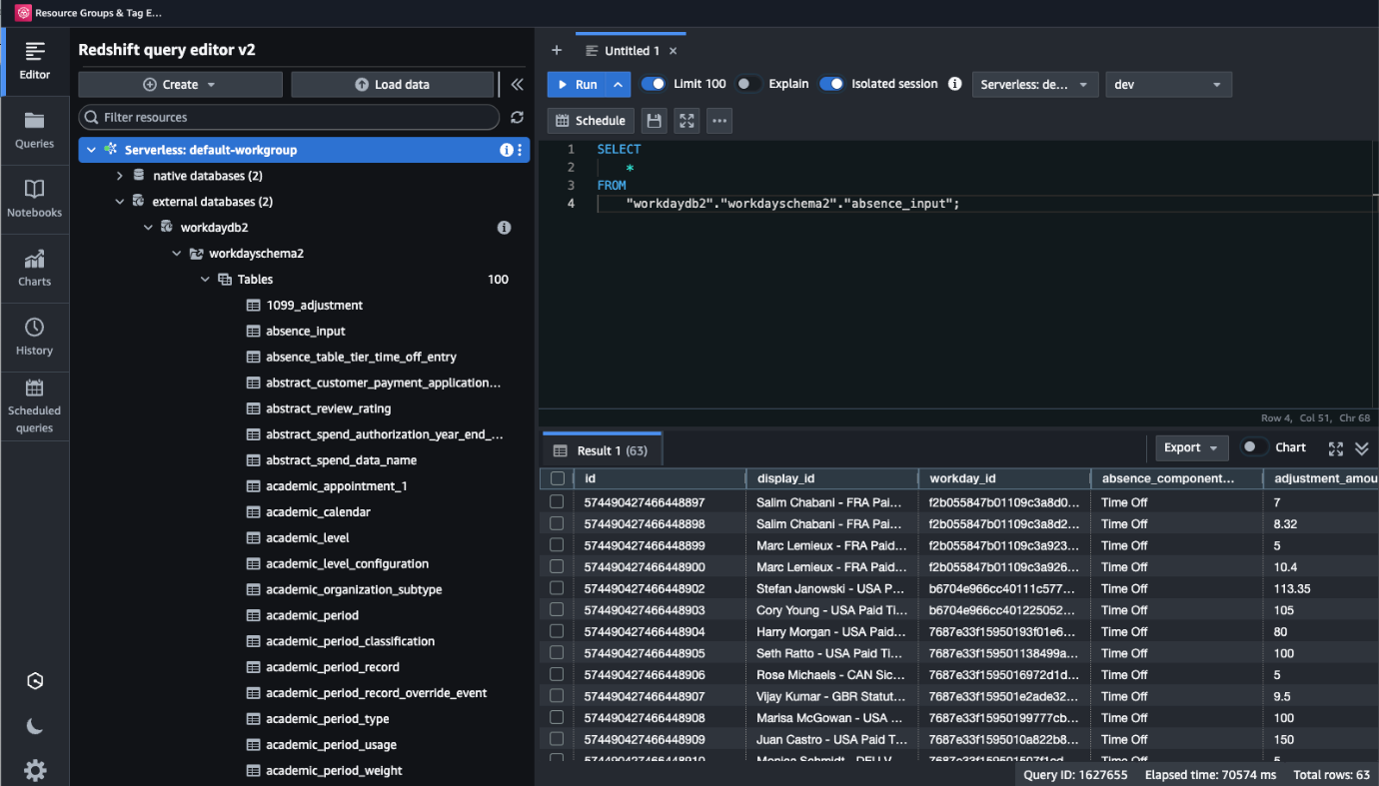
Workday Data Cloud acts as a headless, secure data platform. It preserves the business context—such as employee hierarchies, financial reporting structures, and compensation logic—that is often lost when data is exported into flat CSV or Parquet files. When this data is exposed to AWS via the Iceberg REST Catalog, it appears to AWS services like Amazon Athena, Amazon Redshift, and Amazon SageMaker as if it were natively stored within the AWS environment.
For AWS-side users, the integration is seamless. When a data scientist working in Amazon SageMaker Unified Studio initiates a query, the request is authenticated through standard AWS IAM roles and fine-grained permissions managed by AWS Lake Formation. Because the data remains within the source environment, the "zero-copy" requirement is satisfied. The system merely retrieves the necessary records at the moment of query, ensuring that the information is always as fresh as the last transaction entered into Workday.
Chronology of Development
The collaboration reflects a broader industry trend toward "data fabric" architectures, which have been gaining momentum since 2022. The development of this specific integration follows a multi-year effort to modernize the interoperability between Workday and hyperscale cloud providers.
- Early 2024: Initial beta testing commenced with a select group of global enterprises seeking to bridge the gap between their HCM (Human Capital Management) data and their cloud-based AI initiatives.
- Mid-2024: The implementation of Apache Iceberg support within Workday Data Cloud provided the technical foundation for the current integration, enabling the necessary metadata interoperability.
- Late 2026: The official General Availability (GA) announcement marks the culmination of this project, enabling production-grade connectivity between Workday’s financial/people systems and the AWS analytics ecosystem.
Implications for Enterprise AI and Analytics
The implications for Chief Information Officers (CIOs) and Chief Data Officers (CDOs) are profound. By removing the technical barriers to accessing governed data, the integration accelerates the time-to-value for AI-driven initiatives.
Consider the challenge of predictive attrition modeling. Previously, an HR team would need to wait for a weekly data sync to identify flight-risk employees. With this integration, a machine learning model running on Amazon SageMaker can query real-time compensation data, performance reviews, and engagement metrics directly from Workday. This allows for near real-time insights, enabling management to intervene with retention strategies while the data is still relevant.
Furthermore, the integration supports a "federated governance" model. AWS Lake Formation allows administrators to apply row-level and column-level security on the federated data. This ensures that even though data is accessible across platforms, it remains governed by strict access controls. A user in the AWS environment can only see the data they are authorized to see, adhering to the same compliance standards as if they were logged into the Workday portal.
Strategic Advantages of the Zero-Copy Model
The "zero-copy" approach offers several distinct advantages that impact the bottom line:
- Reduced Infrastructure Costs: By eliminating the need to store duplicate datasets, companies save on storage costs. More importantly, they reduce the operational overhead associated with managing data ingestion pipelines, cloud storage buckets, and transformation jobs.
- Enhanced Data Integrity: Because the data is queried in place, there is no risk of the data becoming "stale" or corrupted during the transition process. The business logic applied in Workday is reflected in the query results, ensuring that executives are making decisions based on the same metrics used for financial reporting.
- Faster Development Cycles: Data scientists and analysts can spend more time building models and dashboards and less time debugging pipelines. The ability to use standard SQL across both Workday and AWS datasets simplifies the developer experience significantly.
Broader Industry Impact
Market analysts note that this partnership puts pressure on other ERP providers to move toward more open, API-first, and standards-compliant data architectures. The era of "walled garden" ERP systems is effectively ending as customers demand the ability to synthesize data from their most critical systems of record with the massive scale of cloud-native AI platforms.
This integration is particularly timely given the rapid adoption of Large Language Models (LLMs) and generative AI within the enterprise. Many organizations are currently building "RAG" (Retrieval-Augmented Generation) applications to help internal employees query company policy or financial performance. By connecting Workday data to AWS, enterprises can provide these AI agents with highly accurate, real-time context, significantly reducing the likelihood of "hallucinations" or errors in automated responses.
Official Perspectives and Future Outlook
While specific quotes remain within the realm of industry press releases, spokespeople from both companies have characterized this development as a milestone in the "democratization of enterprise data." The emphasis is consistently placed on "governance without friction."
For developers looking to get started, the integration is available immediately through the AWS Marketplace and standard configuration portals in Workday. The documentation provided by both AWS and Workday suggests a straightforward setup process, involving the registration of the Iceberg REST Catalog endpoint.
As we look to the future, the success of this integration will likely be measured by the adoption rate among Fortune 500 companies. If it proves to be as seamless as advertised, it could set a new benchmark for how SaaS vendors and cloud service providers collaborate. The days of siloed data are coming to a close, replaced by a more fluid, interconnected, and intelligent data architecture that prioritizes speed, security, and accuracy.
In summary, the integration between Workday Data Cloud and AWS is more than just a technical feature; it is a strategic necessity for the modern enterprise. By aligning the systems that manage the world’s most valuable assets—people and money—with the platforms that process the world’s most powerful information—cloud AI—Workday and AWS have provided a blueprint for the next generation of business intelligence. Organizations that successfully implement this architecture will likely find themselves with a significant competitive advantage, characterized by faster decision-making, improved operational agility, and a more robust foundation for the AI-driven future.