Automating search relevance tuning in Amazon OpenSearch Service with the Search Relevance Agent

The process of optimizing search relevance—long considered a grueling, highly technical, and manual endeavor—has undergone a significant transformation with the introduction of the Amazon OpenSearch Service Search Relevance Agent. Traditionally, search engineers spent weeks diagnosing low Normalized Discounted Cumulative Gain (NDCG) scores, hypothesizing query modifications, and laboriously testing domain-specific language (DSL) queries. This cycle of diagnostic analysis and iterative tuning was prone to stagnation, often leaving search results trailing behind shifting consumer behaviors and evolving product catalogs. By integrating an intelligent, conversational agent into the OpenSearch UI, Amazon is shifting the paradigm from manual configuration to an automated, AI-driven workflow that can reduce improvement cycles from weeks to minutes.
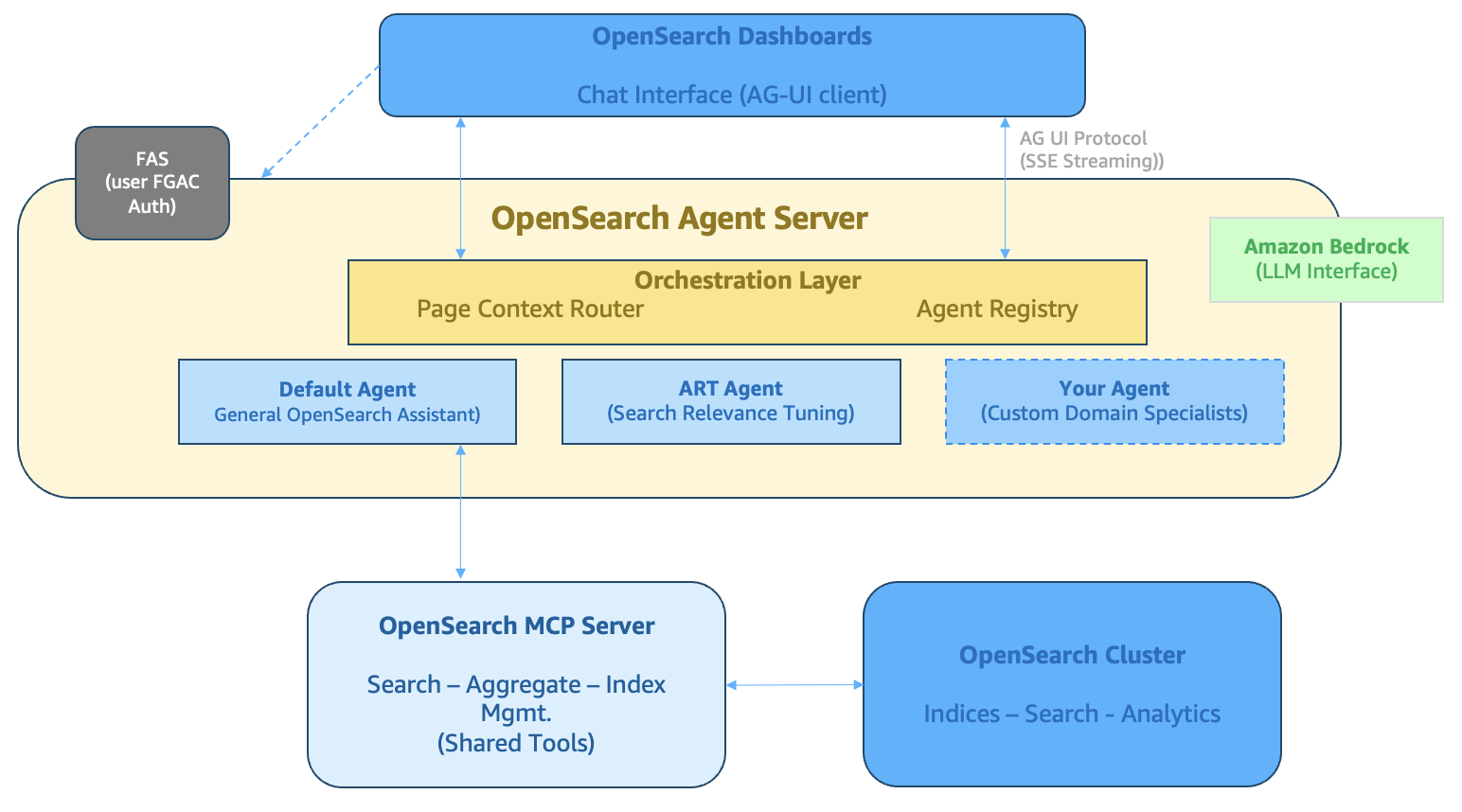
The Search Relevance Agent functions as a core component of the broader OpenSearch Agent Server, a multi-agent orchestration platform designed to handle complex, context-aware tasks. Unlike automated systems that might attempt to rewrite user queries in real time—a practice that can lead to unpredictable behavior and "black box" results—this agent operates on the underlying system configuration. It acts as a specialized assistant that evaluates User Behavior Insights (UBI), generates data-backed hypotheses, and validates these configurations through structured experiments.
The Evolution of Search Quality Management
To understand the necessity of this new tool, one must look at the historical bottleneck of search engineering. In the past, organizations relied on a reactive loop: search engineers would study telemetry dashboards to identify underperforming queries, manually rewrite complex DSL structures, adjust field weights, and then deploy these configurations to production. The primary metric for success, the NDCG score, served as a diagnostic tool but failed to provide a prescriptive path forward.
The challenge intensified as catalog sizes expanded and user query patterns became more nuanced. A configuration optimized in the first quarter could be obsolete by the second, leading to a state of perpetual maintenance. The Search Relevance Agent addresses this by embedding the diagnostic and experimental phases into a single, unified interface. By leveraging the Model Context Protocol (MCP), the agent gains direct, secure access to UBI data, search configurations, and query sets, ensuring that every recommendation is grounded in the actual interaction history of the end user.
Architectural Framework and Operational Logic
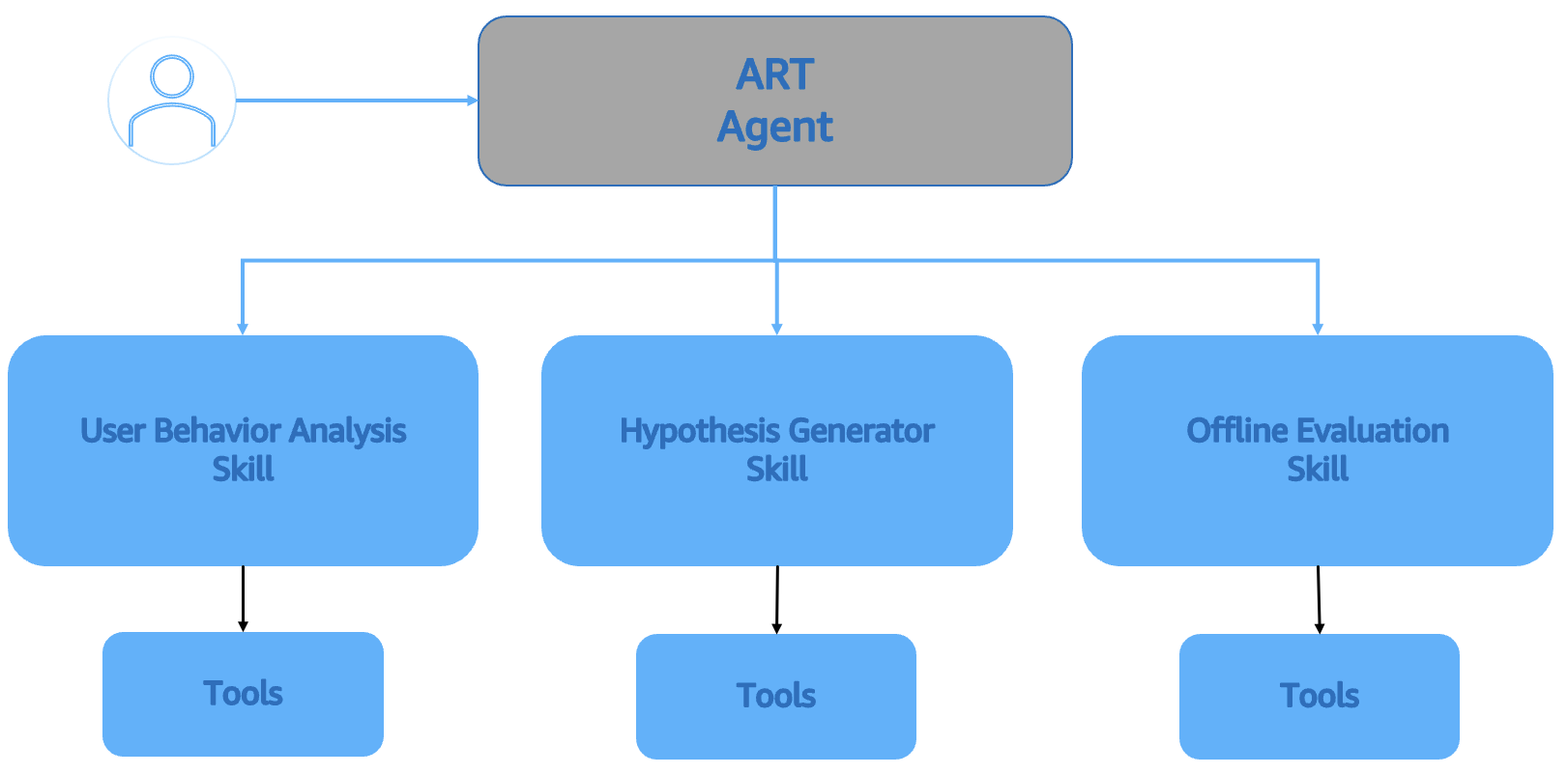
The agent’s design philosophy centers on predictability and transparency. It is powered by three distinct skills that operate within a shared context. This architectural choice prevents the information loss often associated with hand-offs between different, disconnected sub-agents.
- User Behavior Analysis: This skill autonomously parses UBI data to identify patterns, such as high-volume queries with low click-through rates (CTR). By flagging these discrepancies automatically, the agent allows teams to bypass hours of dashboard analysis.
- Hypothesis Generation: Once a problem is identified, the agent uses the current system configuration to propose specific adjustments. These might include modifying scoring strategies, adjusting boost functions, or refining the weighting of specific product fields.
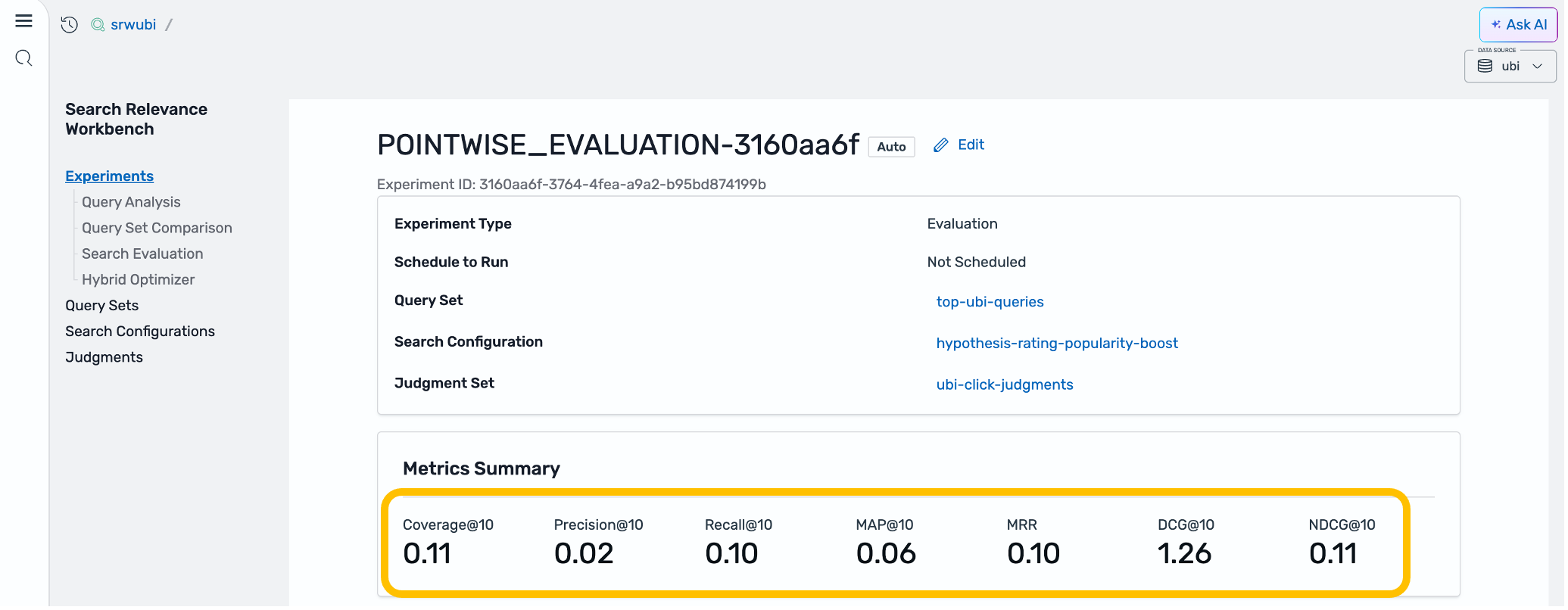
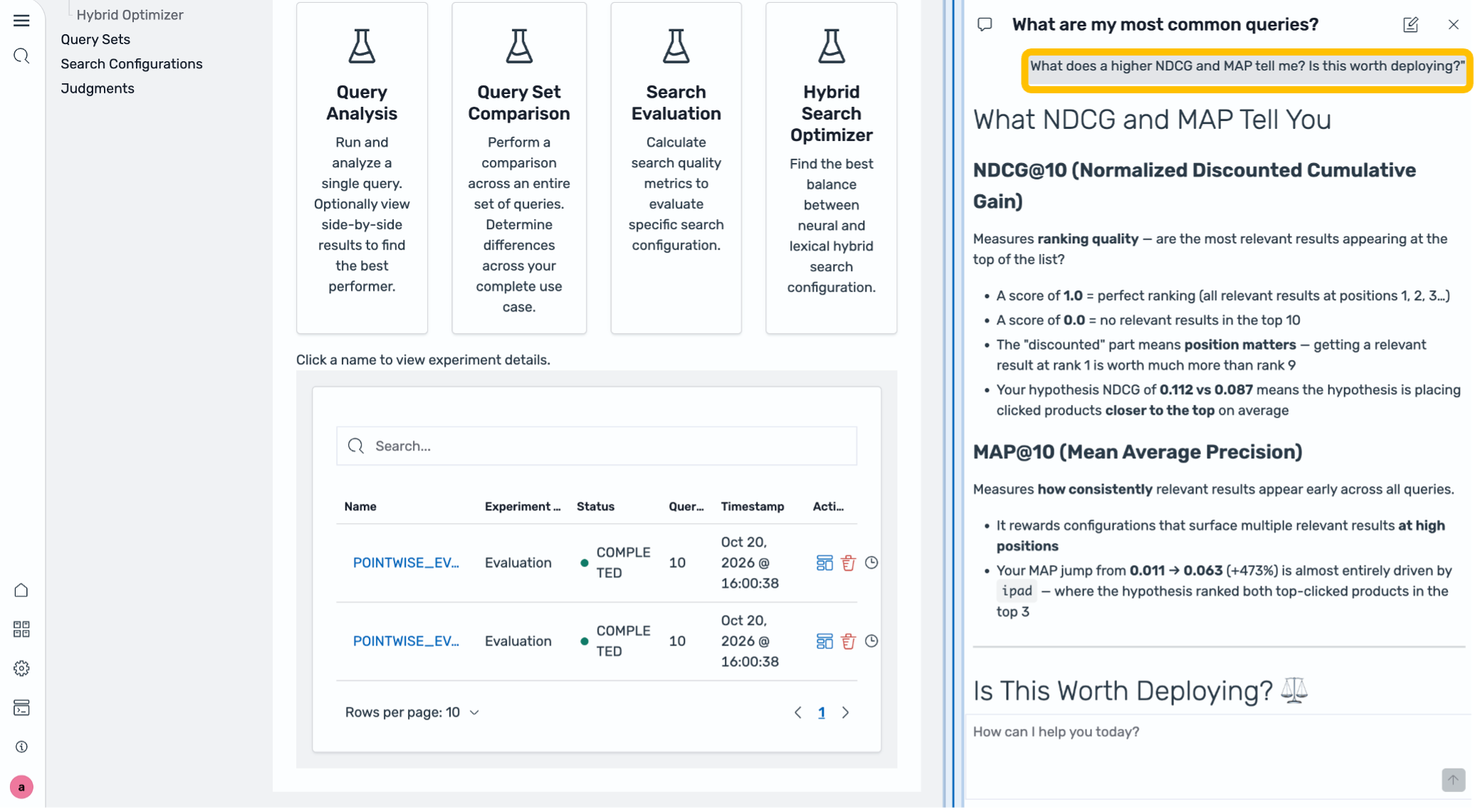
- Automated Validation: Perhaps the most significant advancement is the integration of the Search Relevance Workbench (SRW). The agent automatically initiates offline evaluations, comparing baseline search performance against the proposed hypothesis. This produces empirical data—such as NDCG, Mean Average Precision (MAP), and Precision metrics—before a single line of code is pushed to production.
This workflow is supported by the Agent-User Interaction Protocol (AG-UI), which facilitates real-time streaming of responses to the OpenSearch Dashboards. This ensures that users are not waiting for batch processing but can observe the agent’s reasoning and tool execution as they happen, maintaining a "human-in-the-loop" model where the engineer retains final approval authority.
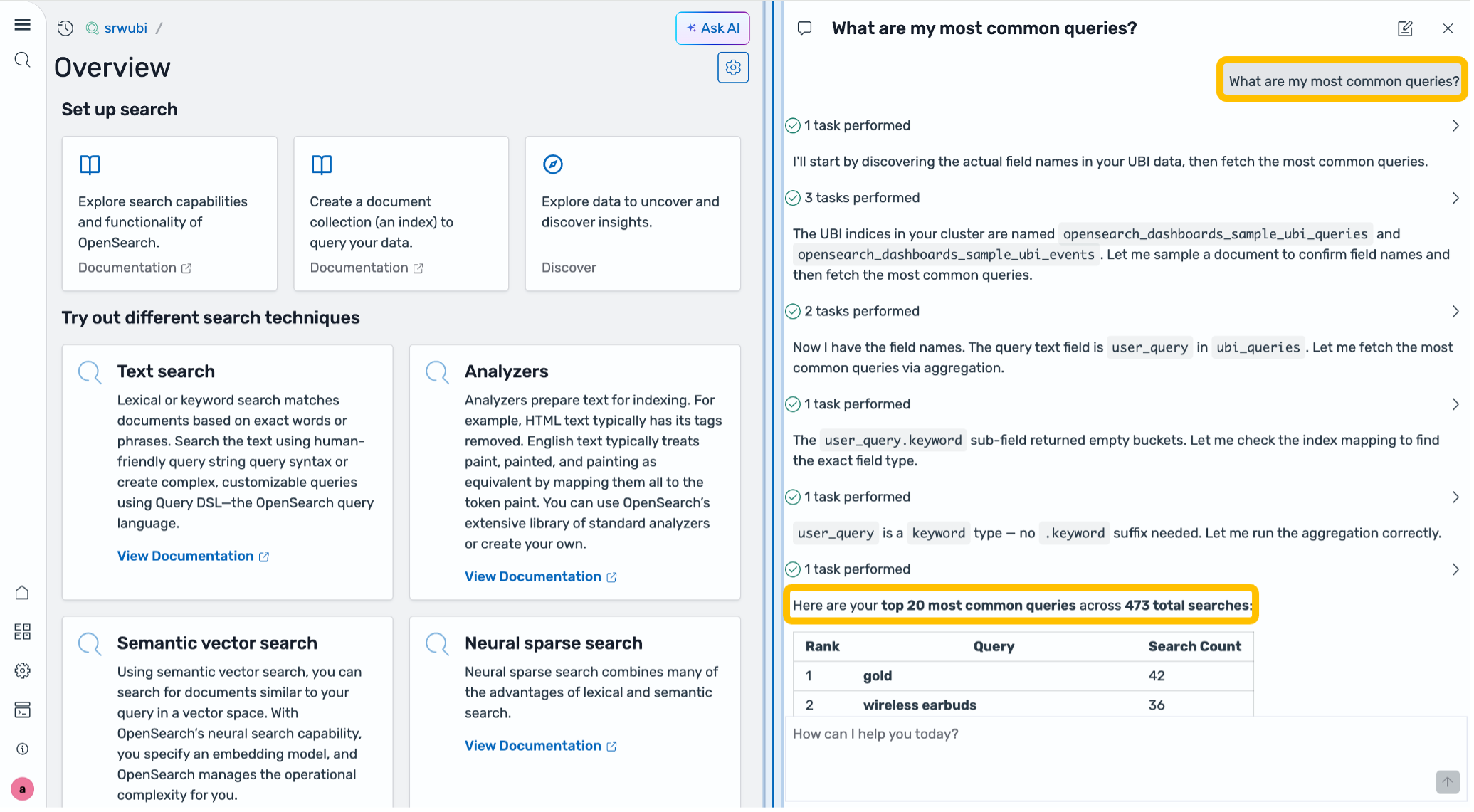
Implementation and Workflow: A Practical Example
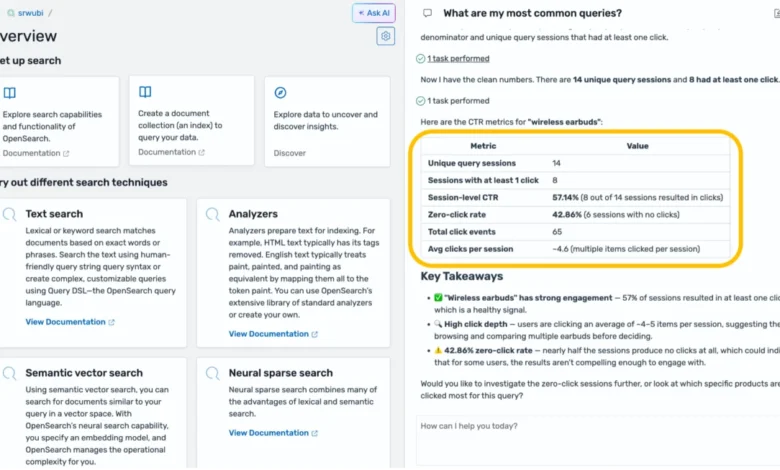
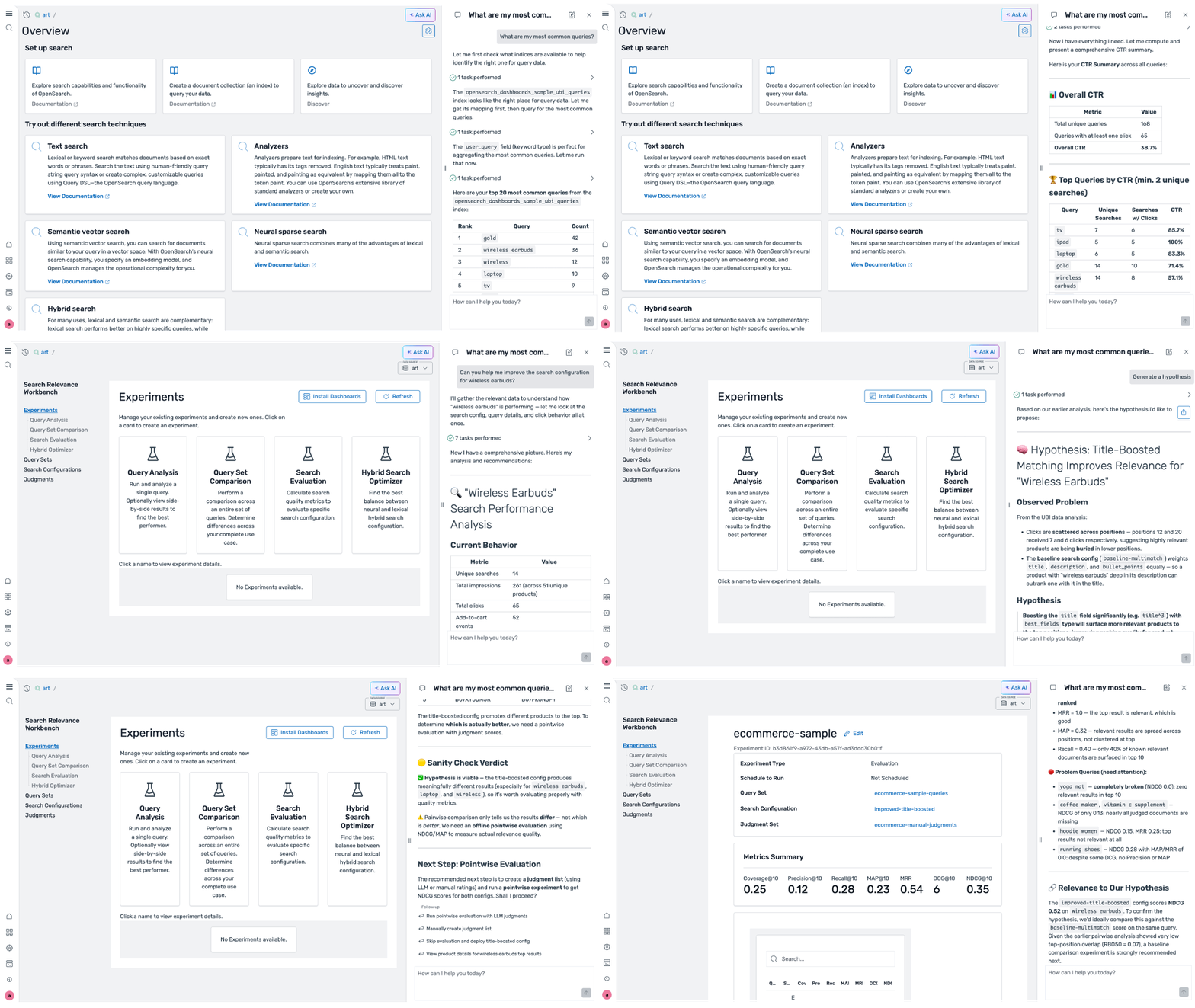
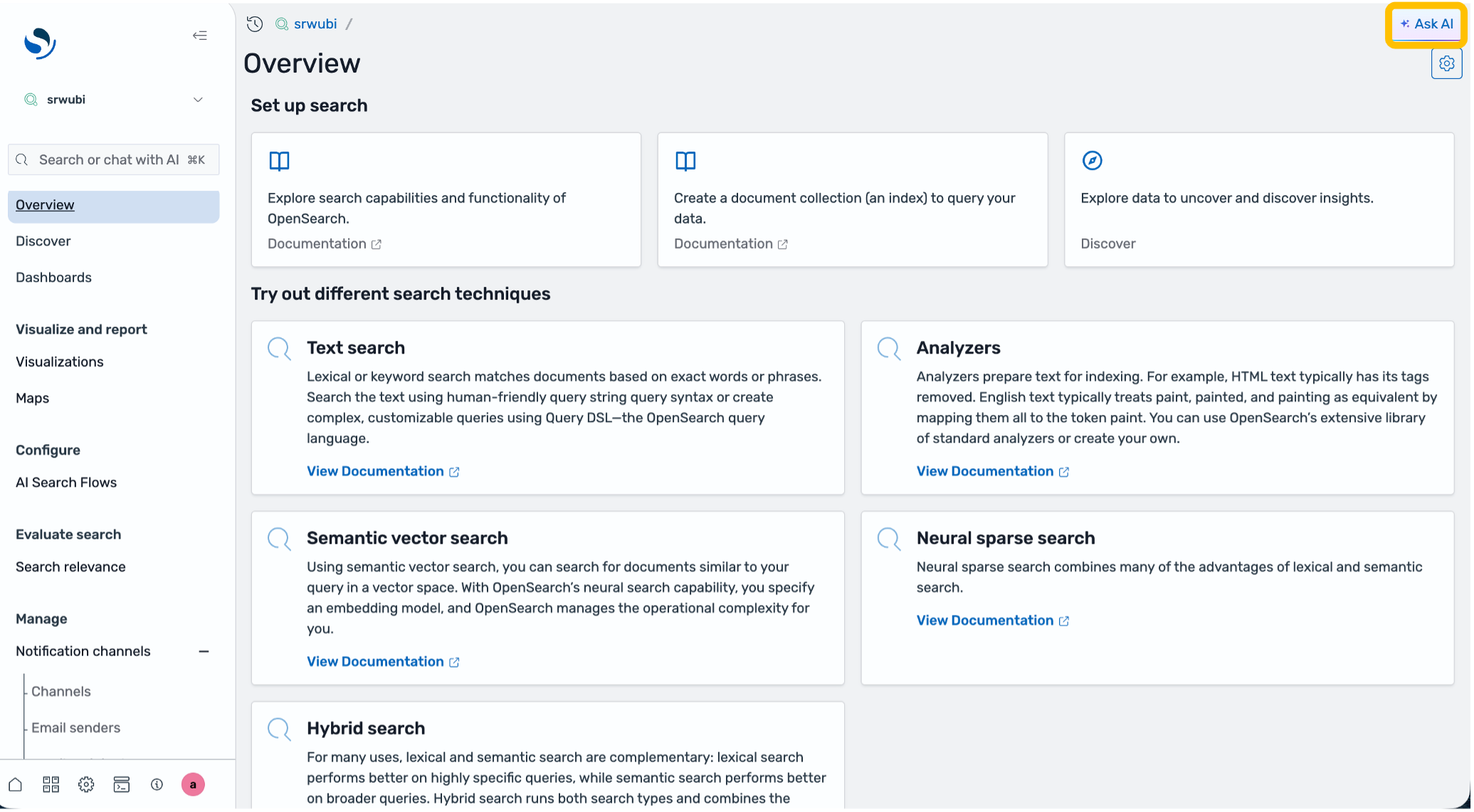
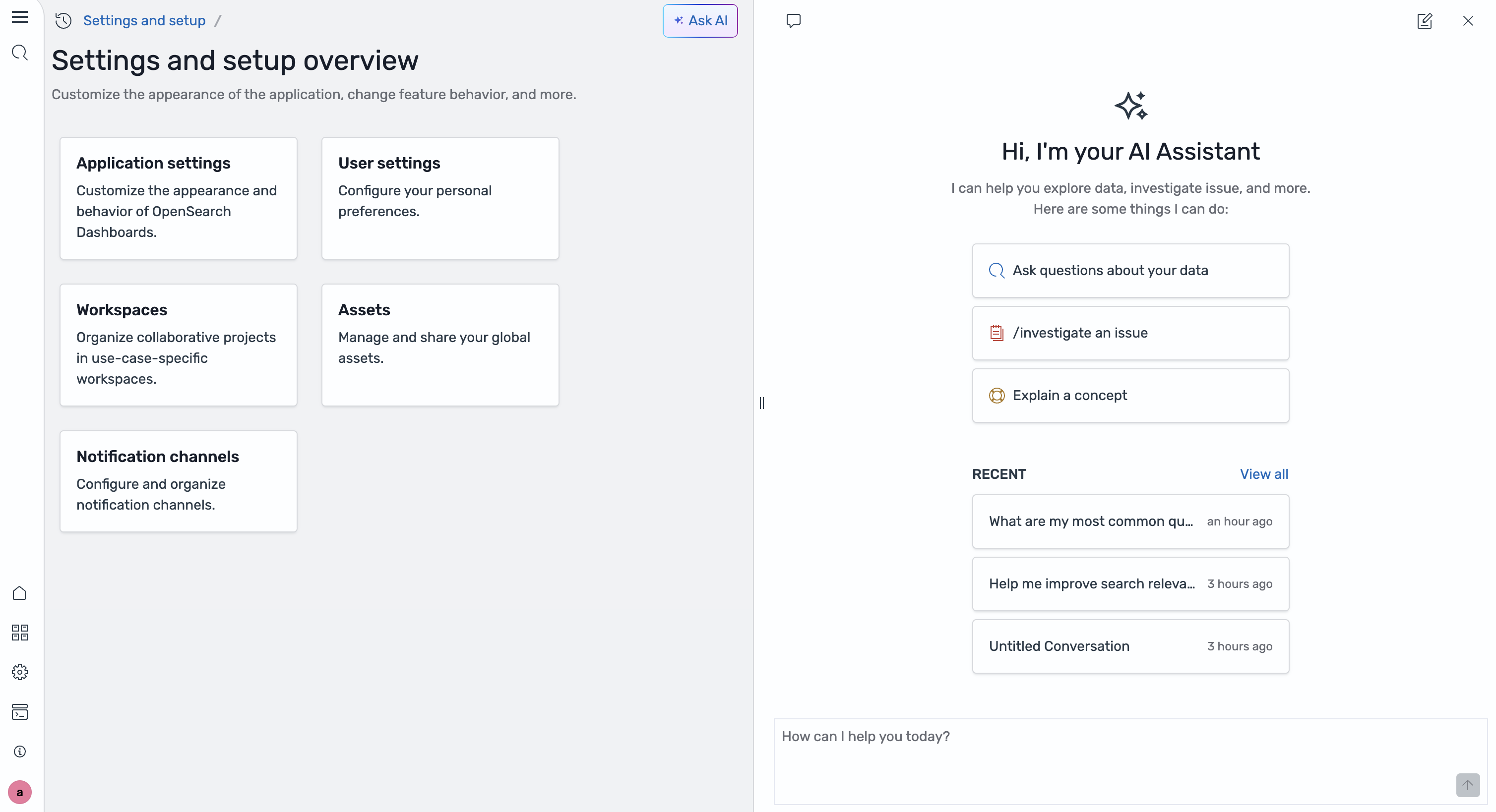
In a typical production scenario, the integration of the Search Relevance Agent begins within the Search Workspace of the OpenSearch UI. The process is initiated via the "Ask AI" interface.
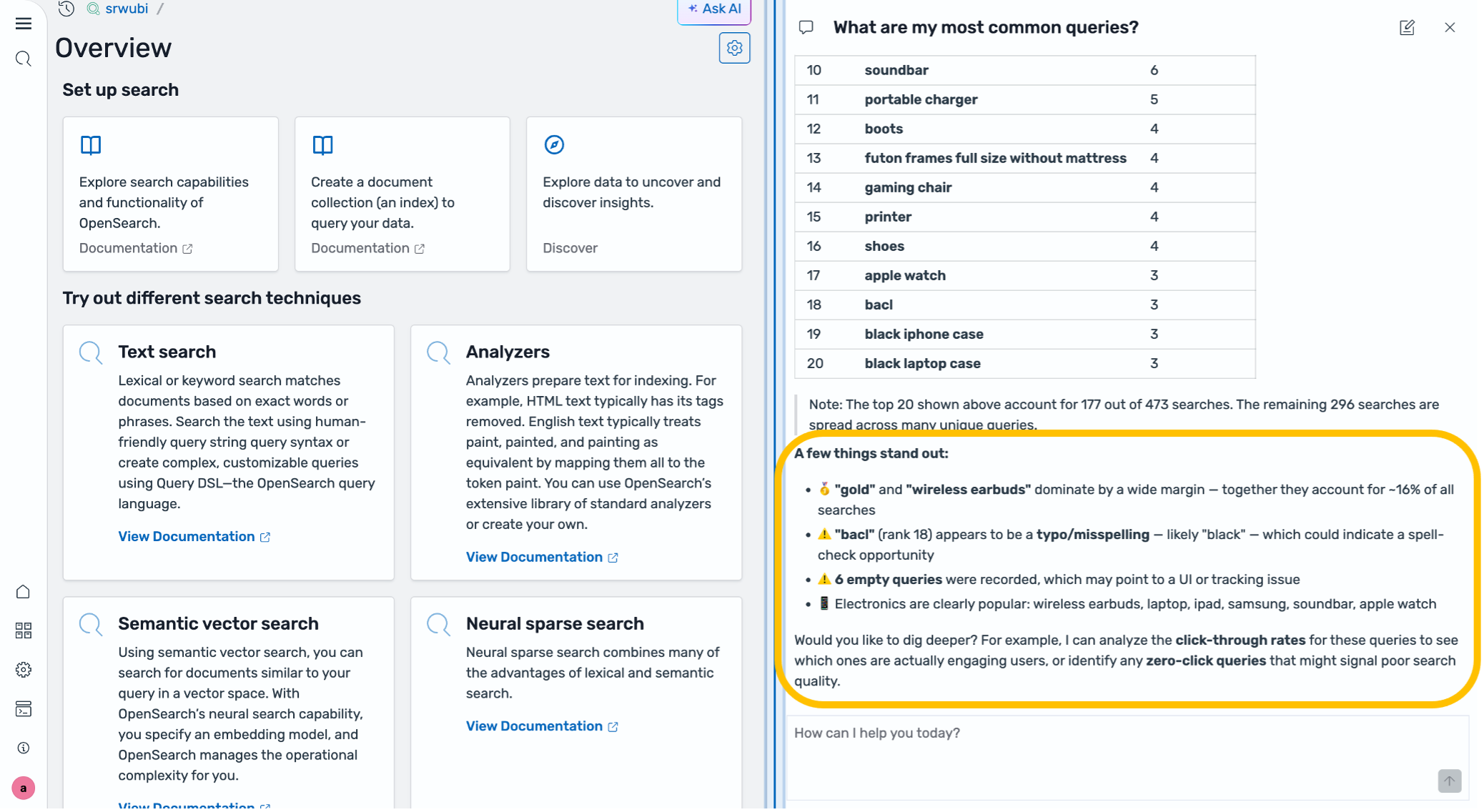
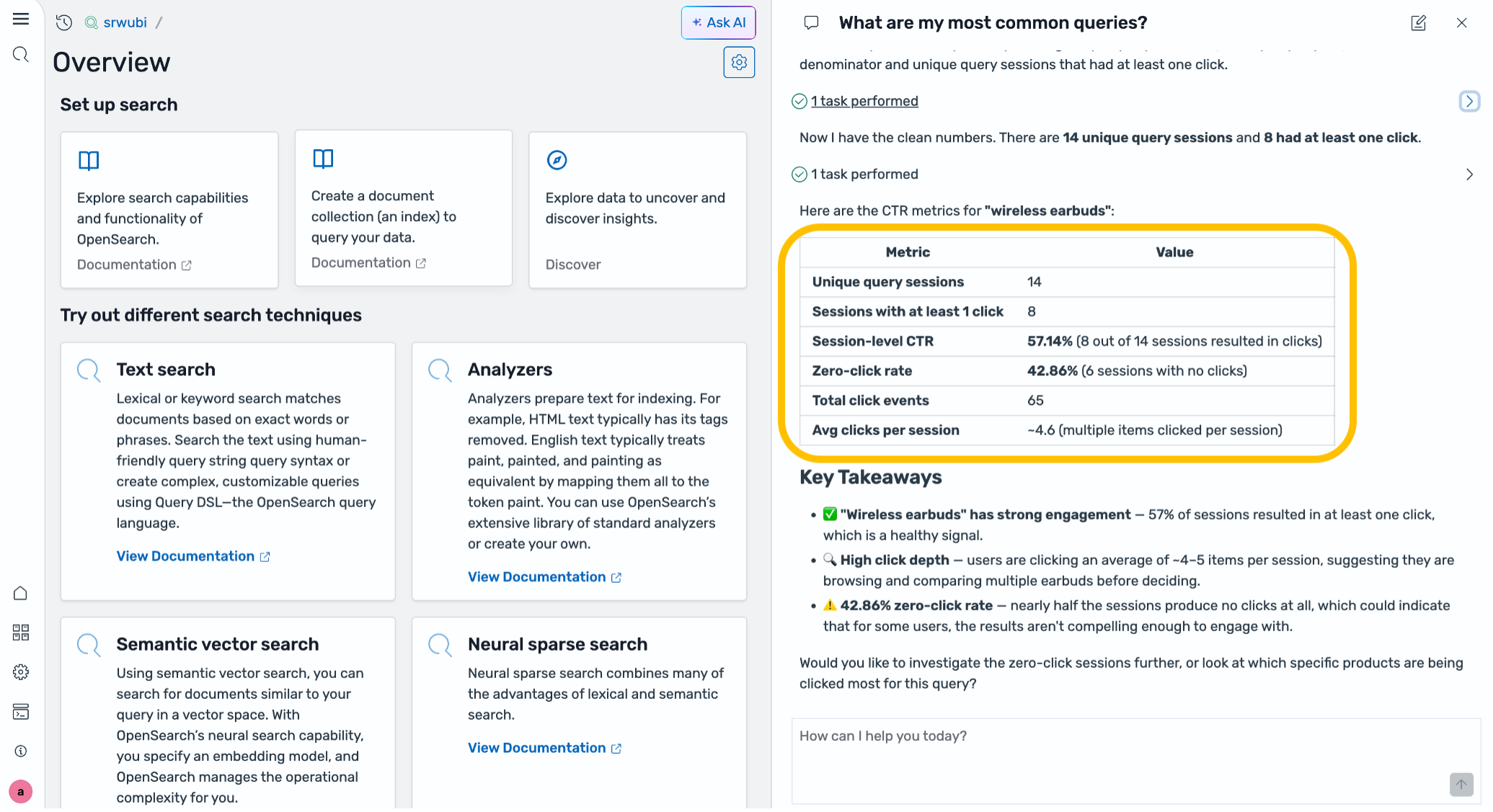
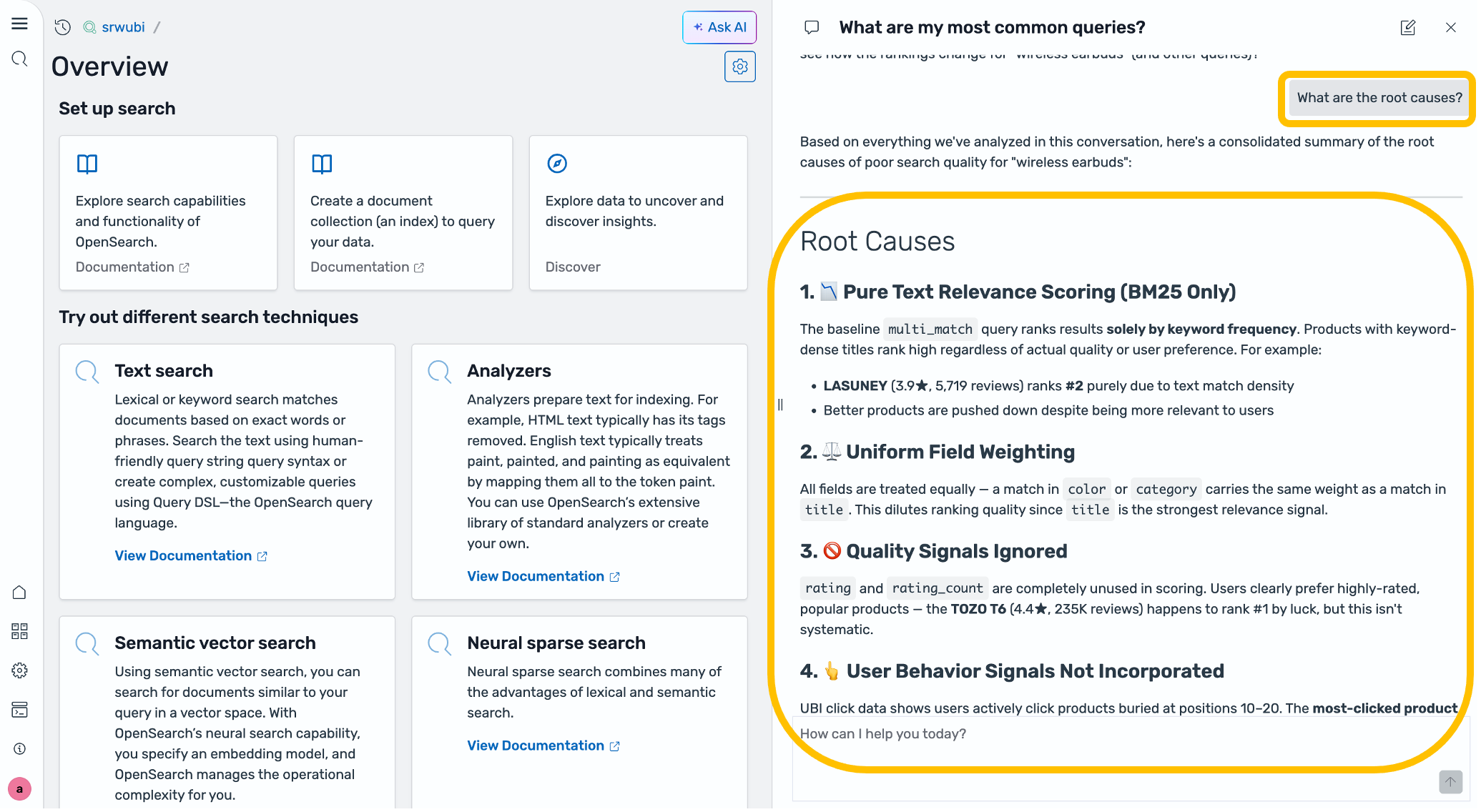
For instance, consider a retail application where "wireless earbuds" represent a top search query but suffer from a poor conversion rate. Upon querying the agent for common issues, the system might surface that while search volume is high, the clicks are negligible. By following up with a request to investigate the specific performance of "wireless earbuds," the user can trigger an automated audit of the existing search DSL. The agent then provides a root-cause analysis—perhaps identifying that generic product descriptions are overwhelming specific product attributes in the current scoring model.
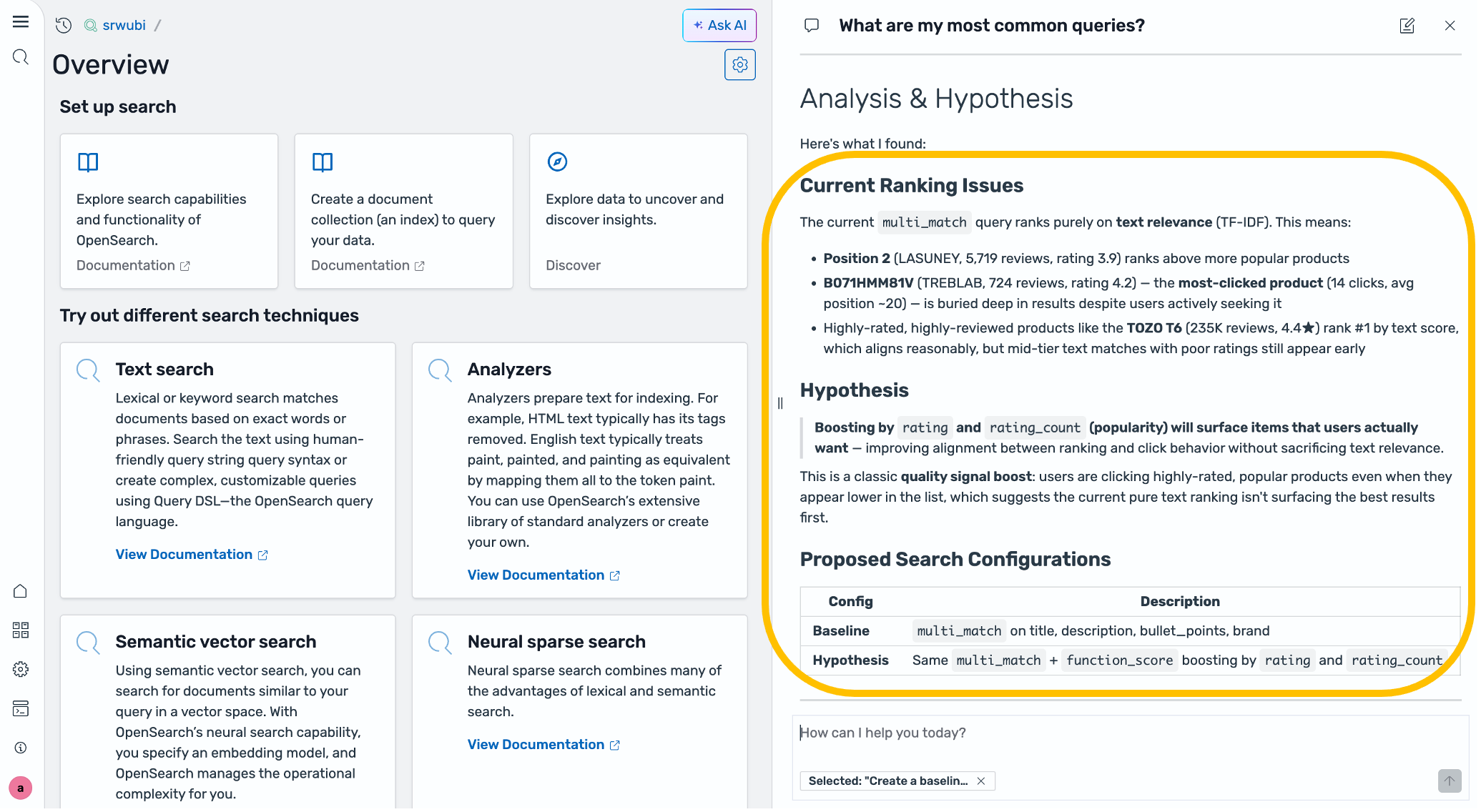
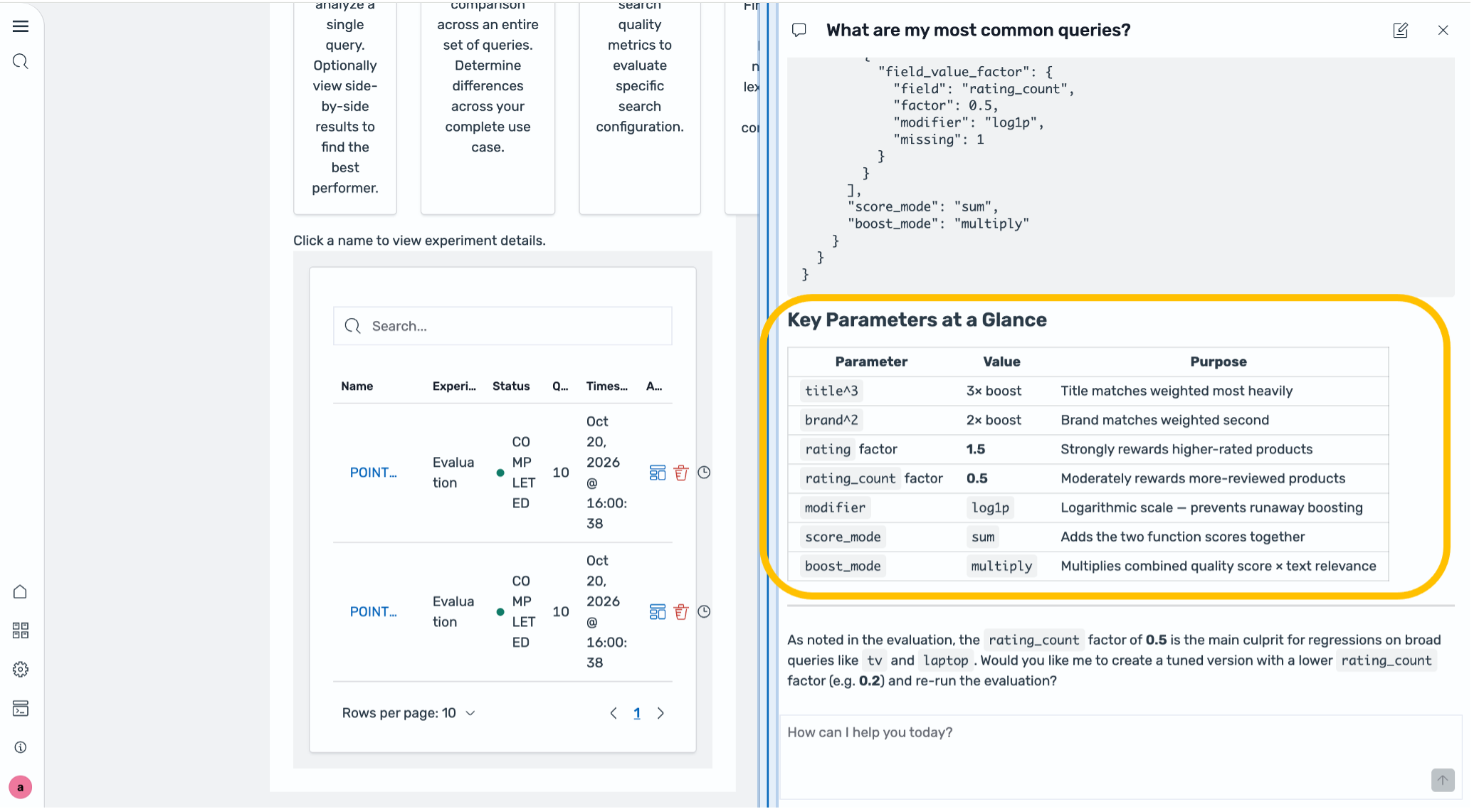
Following this diagnosis, the agent proposes a new configuration. Through the validation step, the agent performs an offline experiment against historical user data, quantifying the potential impact on NDCG. The user is then presented with a side-by-side comparison of the baseline and the proposed change. This level of transparency is critical, as it allows engineers to inspect the specific DSL changes—such as field weight adjustments—before authorizing the update.
Strategic Implications for Search Engineering
The introduction of this tool has broad implications for organizations of varying sizes. For smaller teams, it democratizes access to sophisticated search tuning techniques like Reciprocal Rank Fusion (RRF) and hybrid search optimization, which were previously the domain of specialists. The Hybrid Search Optimizer, in particular, automates the complex task of balancing lexical and neural search parameters, allowing teams to optimize for relevance without needing a deep background in information retrieval theory.
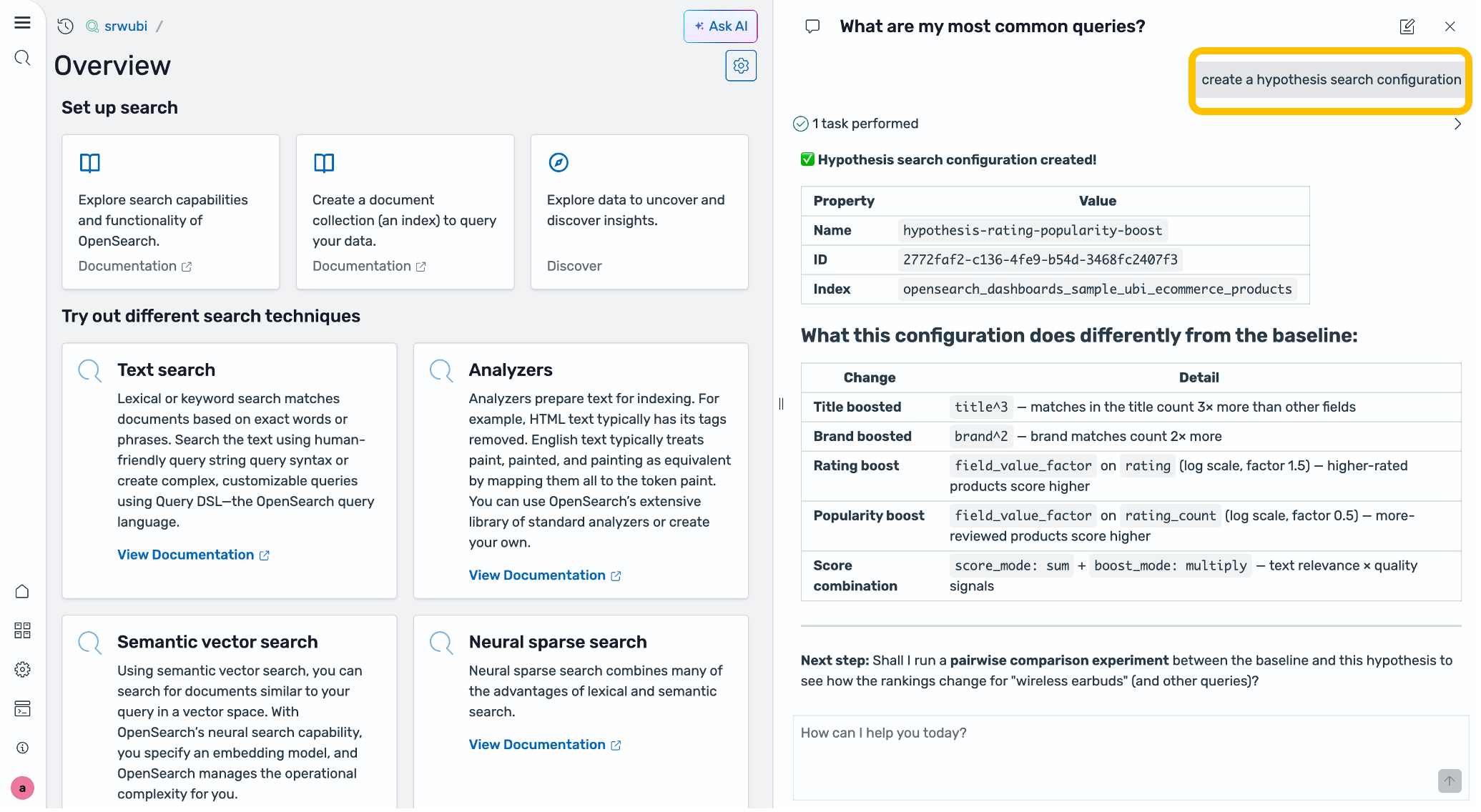
For larger enterprises, the primary value lies in the shift toward "continuous improvement." By reducing the time required to tune search relevance, the agent enables a cadence of optimization that was previously cost-prohibitive. Instead of treating search quality as a quarterly project, teams can treat it as a continuous operational flow. This capability is essential for companies operating in fast-moving sectors like e-commerce, where the relevance of search results is directly tied to revenue.
Security and Governance
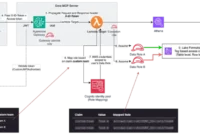
A frequent concern regarding AI agents in enterprise environments is the handling of sensitive data and access control. Amazon has addressed this by ensuring the Search Relevance Agent communicates with the cluster via the MCP Server, which inherits the authenticated identity of the user from OpenSearch Dashboards. This ensures that the agent cannot access data or perform configurations that the user themselves would not be authorized to access. This "identity-aware" execution path is a cornerstone of the agent’s deployment in secure, high-compliance environments.
Future-Proofing the Search Experience
As the industry moves toward more autonomous systems, the Search Relevance Agent represents a balanced approach. It does not replace the expertise of the search engineer; rather, it amplifies it by offloading the repetitive, data-heavy labor of diagnostic and experimental work. By providing an auditable trail of every change and ensuring that all modifications are validated against offline metrics, the system maintains the rigor required for enterprise-grade search infrastructure.
The requirement for OpenSearch 3.5 or later ensures that users have access to the latest architectural improvements in the platform, including the expanded capabilities of the OpenSearch Agent Server. As organizations look to integrate more AI-driven workflows into their data stacks, the ability to automate the "last mile" of search relevance will likely become a competitive necessity. By moving the conversation from "my NDCG is low" to "here is the validated configuration to improve my CTR," Amazon has provided a tangible path forward for teams struggling to keep pace with the demands of modern search performance.
Ultimately, the goal of this technology is to transform the search experience from a static, manually curated service into a dynamic, learning system. As the agent continues to gather data and refine its hypotheses, the gap between user intent and search results is expected to narrow, marking a new chapter in the efficiency of information retrieval systems.