Transforming Complex ETL Observability with AI-Powered Agents and Centralized Log Analysis

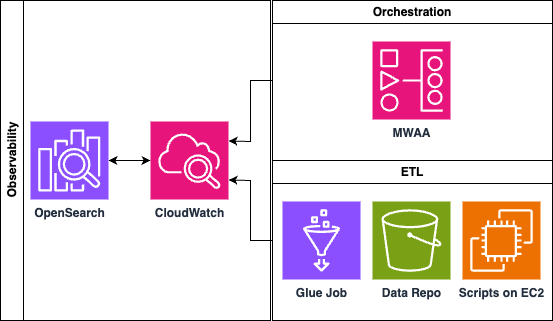
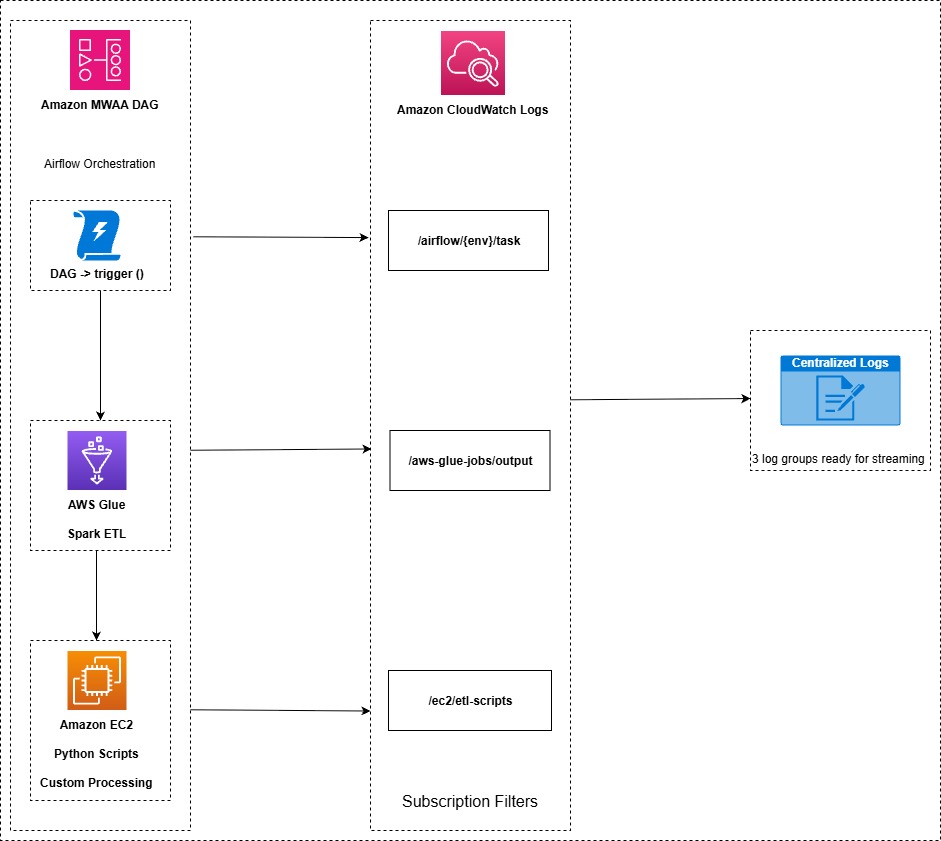
When your MWAA-orchestrated extract, transform, and load (ETL) pipeline spans multiple AWS services, troubleshooting a failure becomes a scavenger hunt. Data engineers and DevOps professionals often find themselves trapped in a reactive cycle: when a pipeline fails at 2:00 AM, the immediate priority is not the fix, but the search. AWS Glue jobs, custom Python scripts running on Amazon Elastic Compute Cloud (EC2), and directed acyclic graphs (DAGs) in Amazon Managed Workflows for Apache Airflow (MWAA) each generate discrete logs across separate Amazon CloudWatch groups. This fragmentation forces engineers to pivot between disparate dashboards, manually correlate timestamps, and decipher varied logging conventions, effectively inflating the mean time to resolution (MTTR) and increasing operational strain.
The Observability Gap in Modern Data Pipelines
Modern cloud-native architectures thrive on decoupling, yet this modularity creates a significant visibility deficit. As data pipelines grow in complexity, the "observability gap"—the space between a system failure and the identification of its root cause—widens. Industry benchmarks indicate that for complex distributed systems, nearly 60% of an engineer’s time during an outage is spent purely on log discovery and contextualization rather than actual remediation.
The challenge is exacerbated by the sheer volume of data generated by modern workflows. When a single failed task triggers a cascade of downstream errors, the relevant context is often buried beneath thousands of lines of verbose, interleaved log entries. Without a centralized, intelligent layer to parse these logs, teams remain reliant on manual grep-like operations or complex custom-built scripts that are difficult to maintain and scale.
A New Paradigm: Centralized Intelligence and AI Agents
To address these inefficiencies, AWS has introduced a solution leveraging Amazon OpenSearch Service, Amazon Bedrock, and the Model Context Protocol (MCP). By centralizing logs into a single searchable index and layering a generative AI agent on top, organizations can move from manual log parsing to natural language diagnostics.
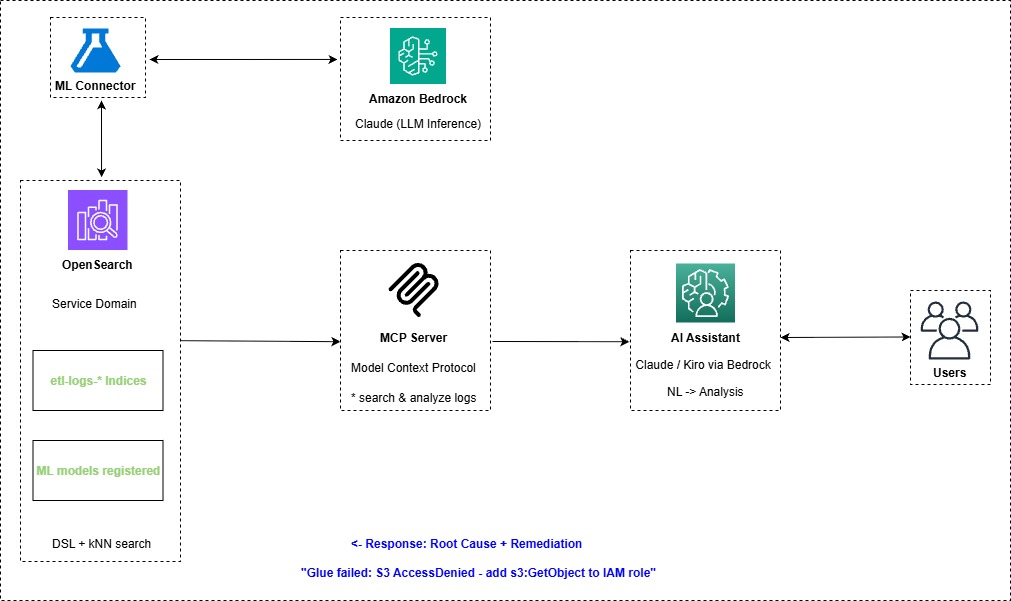
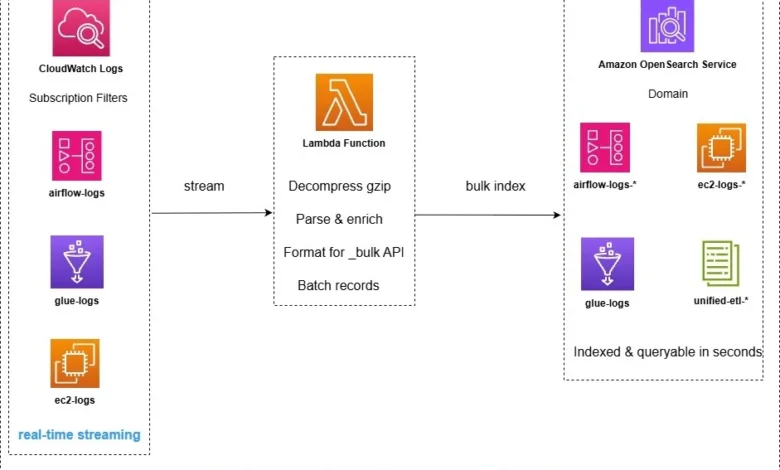
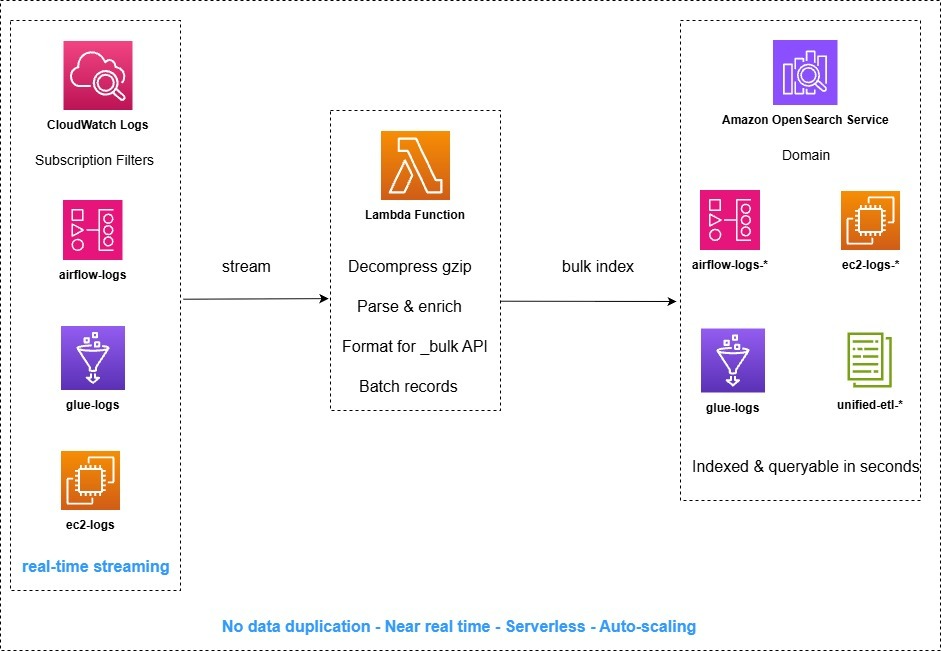
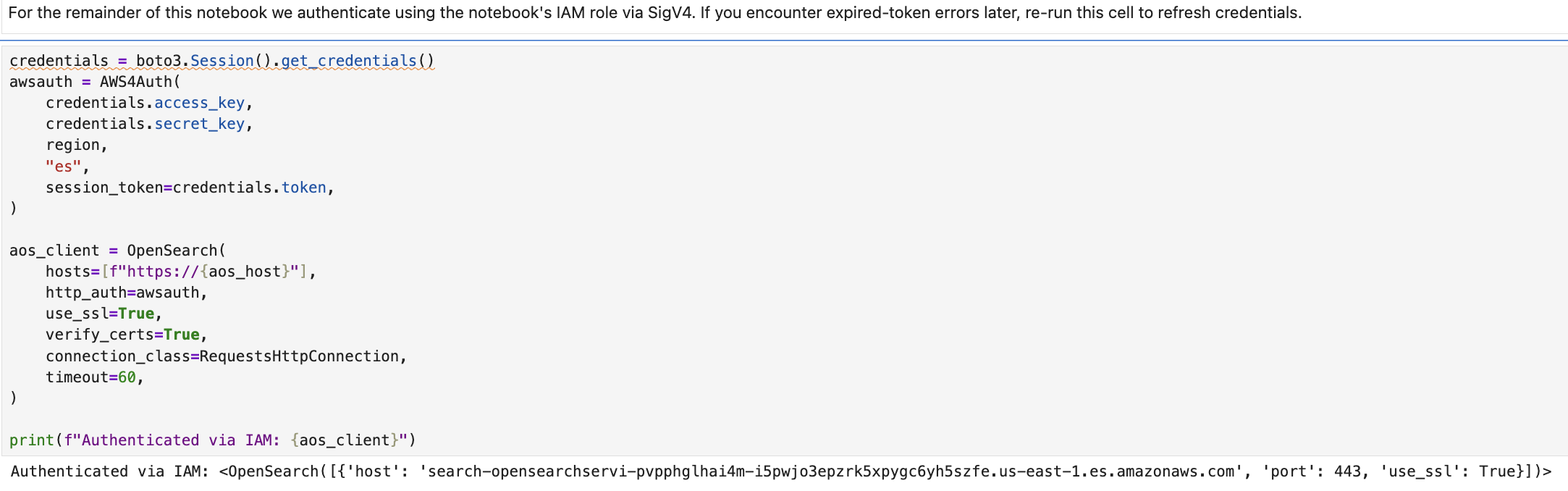
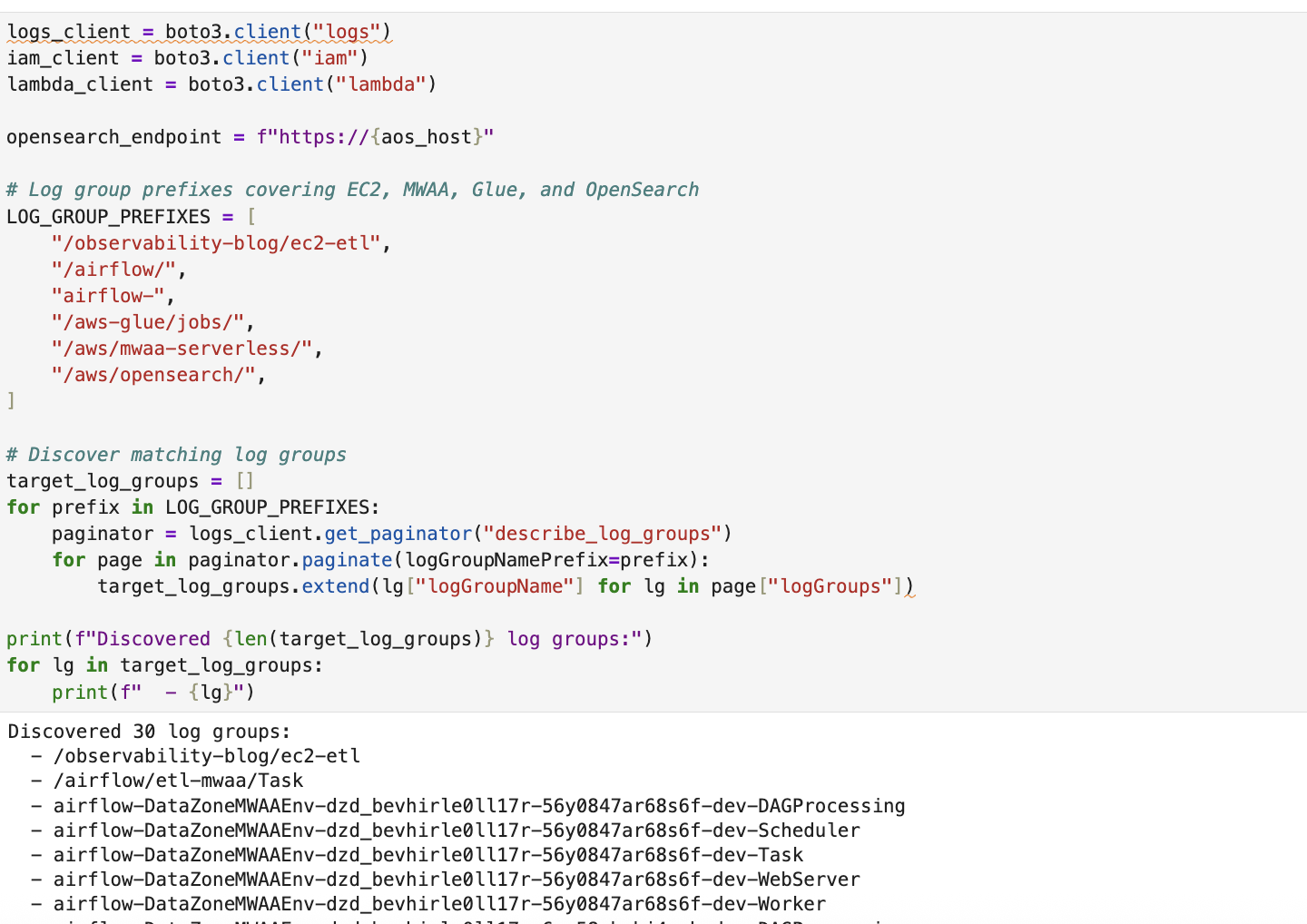
This architectural shift hinges on CloudWatch real-time subscription filters. Rather than leaving logs siloed in their respective service groups, subscription filters stream data in real-time to Amazon OpenSearch Service. This creates a unified "source of truth" where indices are populated as events occur, eliminating the need for periodic batching or data duplication. Once the logs are indexed, the ML Connector framework within OpenSearch enables seamless integration with Amazon Bedrock. The introduction of the MCP server allows AI assistants to interact with these indices, effectively providing a conversational interface for log analysis.

The Technical Architecture: A Three-Layer Approach
The implementation of this solution is structured across three distinct CloudFormation stacks, each serving a specific role in the data observability lifecycle.
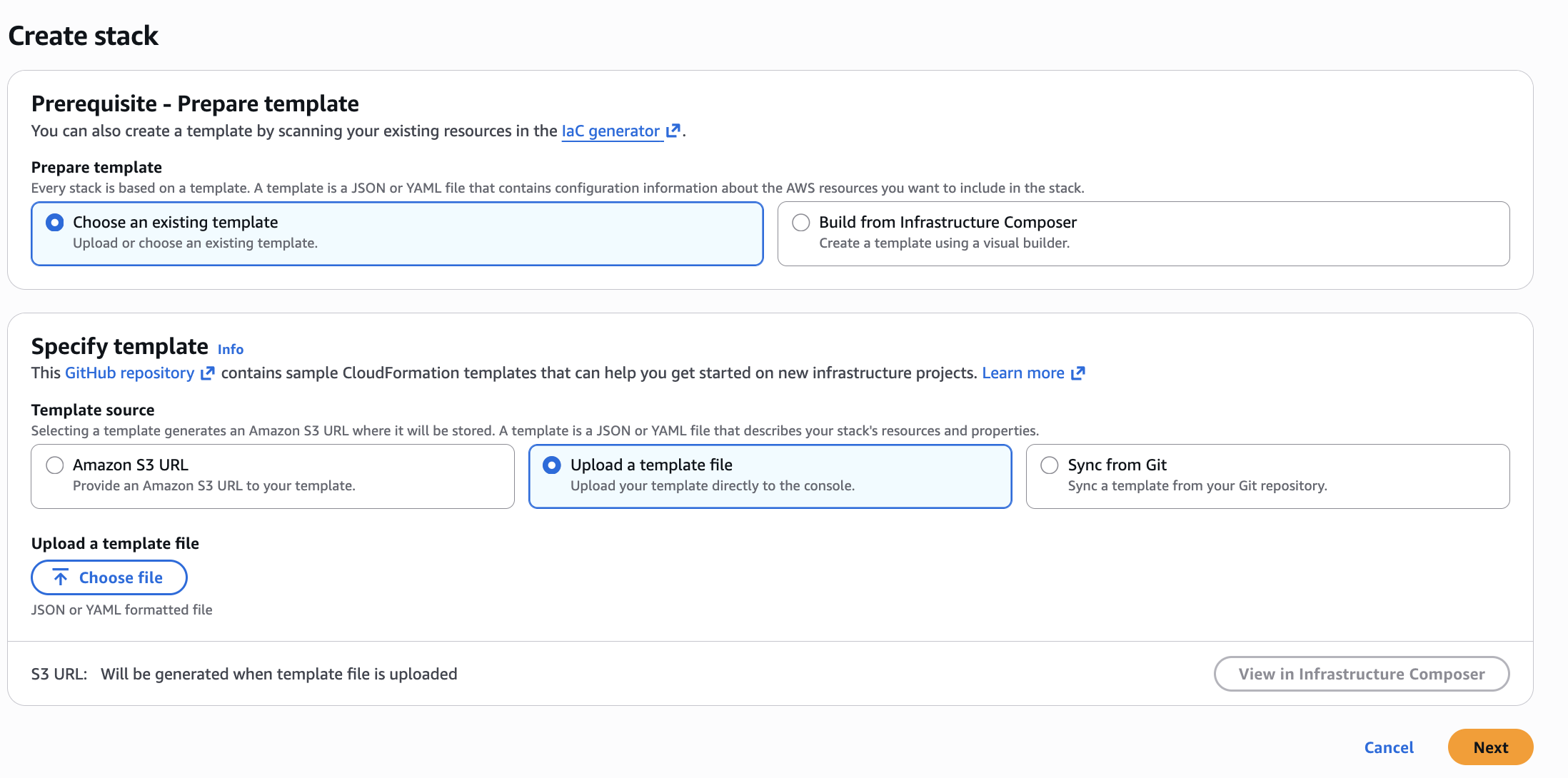
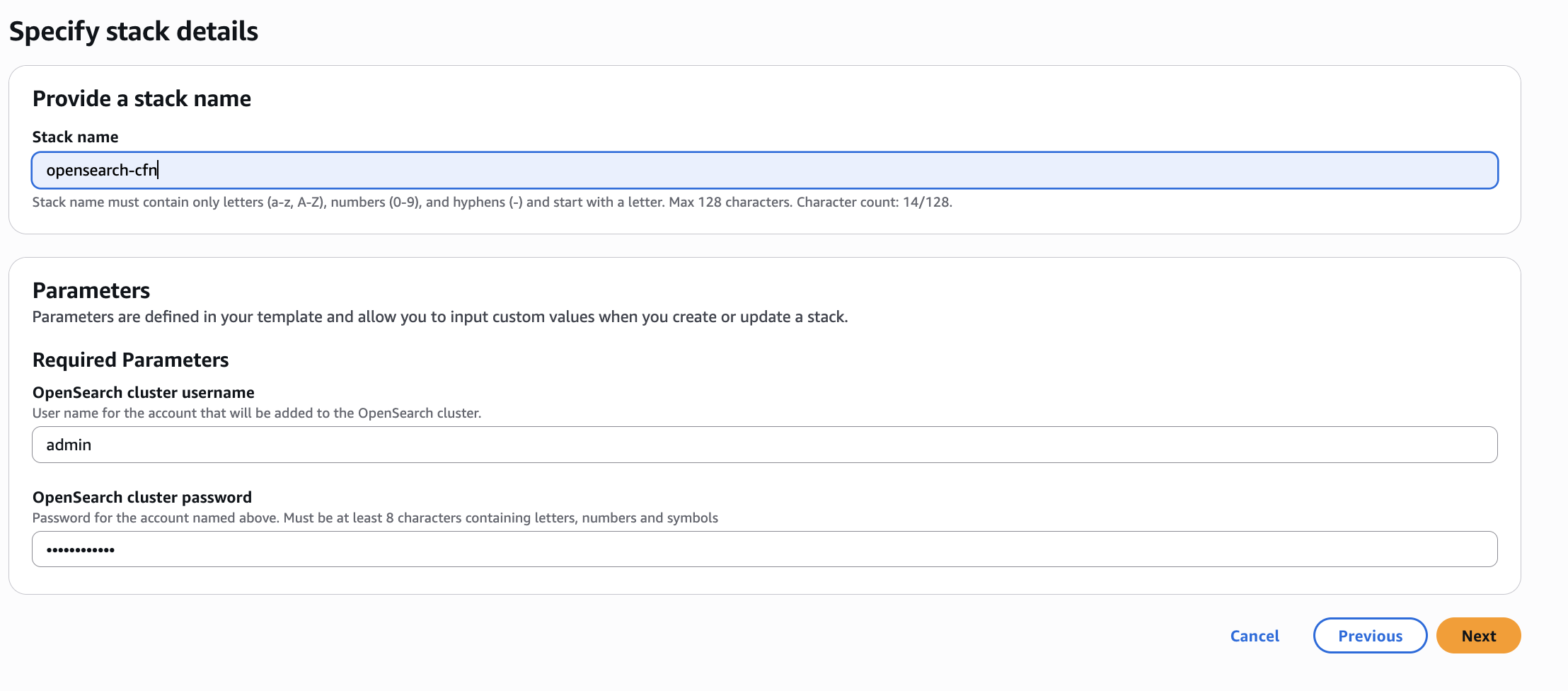
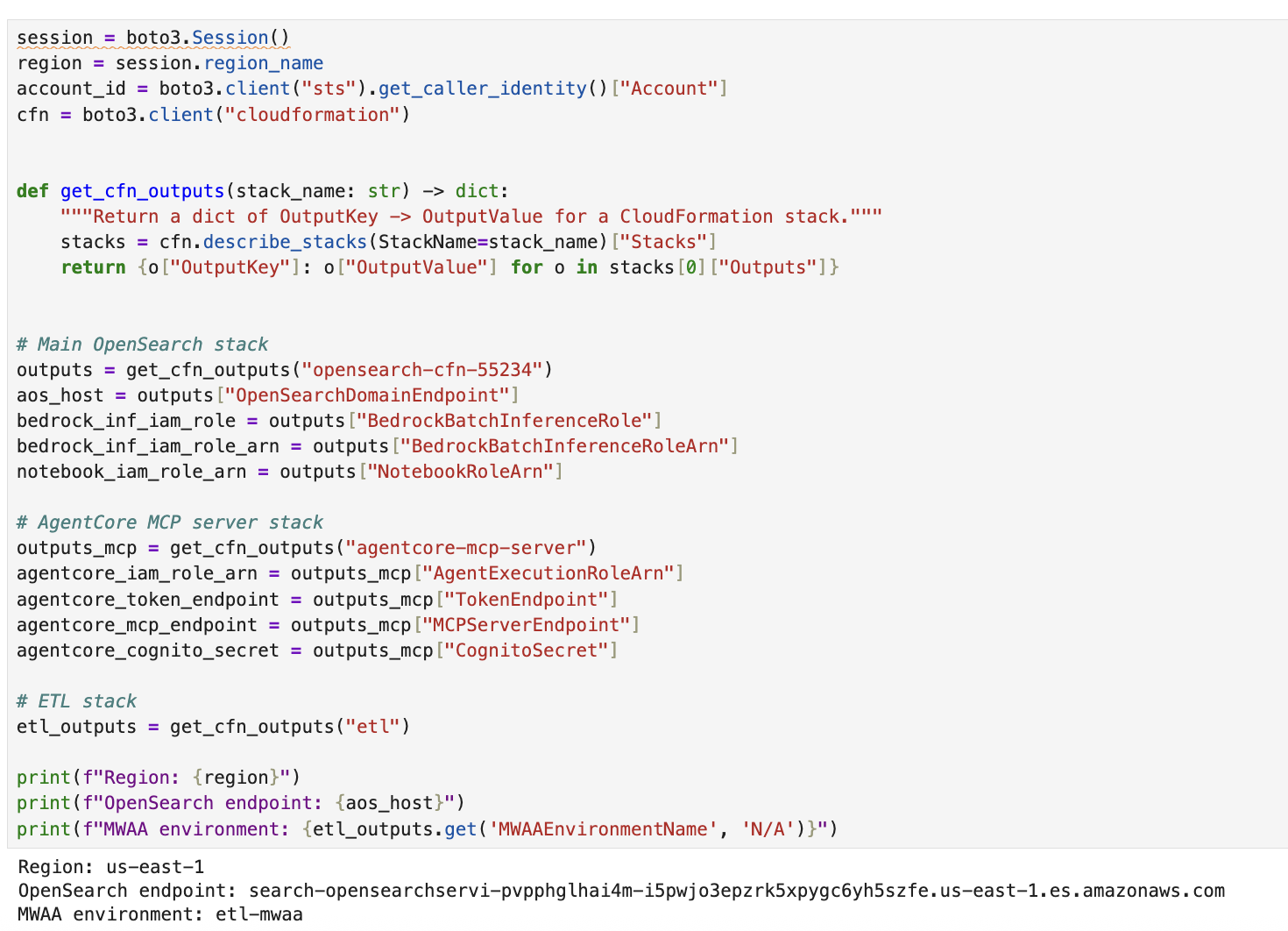
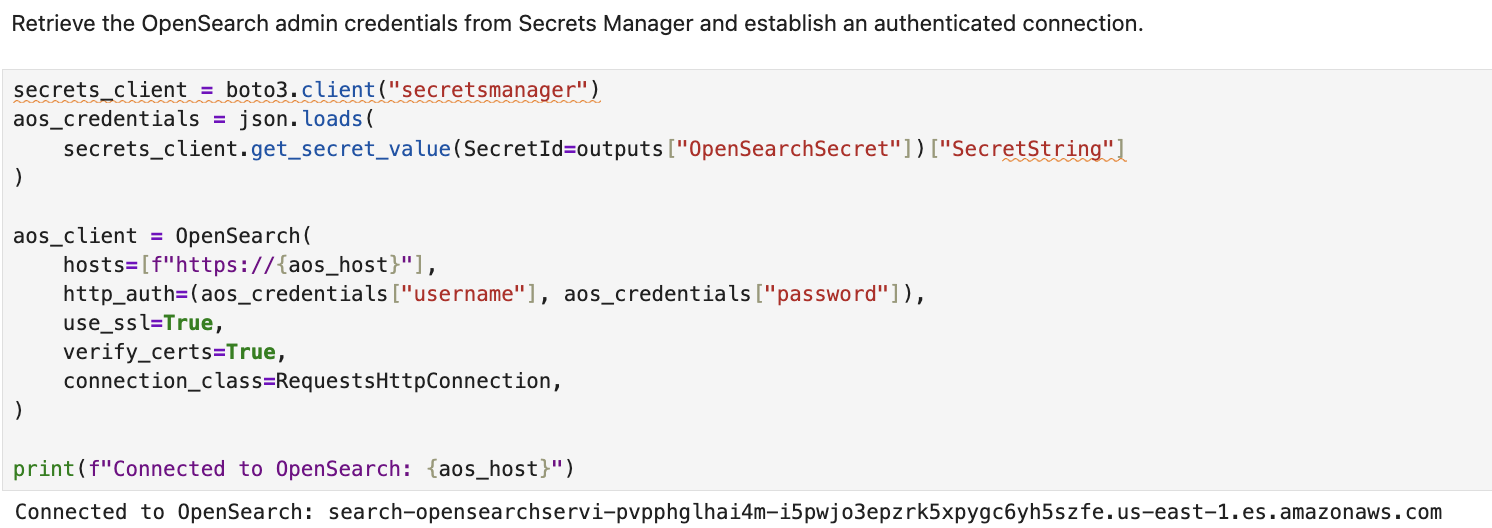
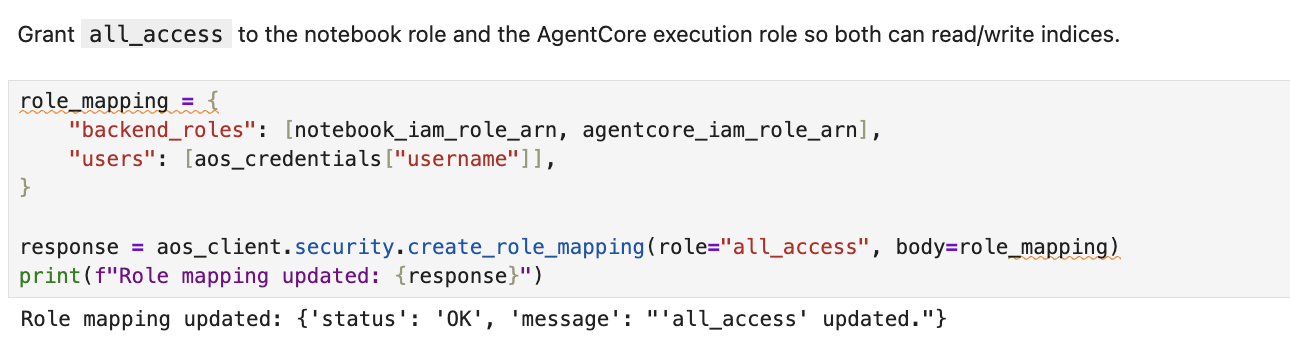
The first layer, the opensearch-cfn stack, provisions the foundational OpenSearch domain and an Amazon SageMaker notebook instance. This serves as the environment for both storage and interactive data exploration. By separating the storage layer, organizations ensure that the analytics workload does not interfere with the performance of the production ETL pipeline.
The second layer, the etl stack, focuses on the operational infrastructure. This stack orchestrates the VPC, Amazon MWAA environment, AWS Glue jobs, and the EC2 instances that execute custom Python scripts. Central to this layer is the configuration of the CloudWatch unified agent, which ensures that logs from EC2-based scripts are captured with the same granularity as native AWS services.
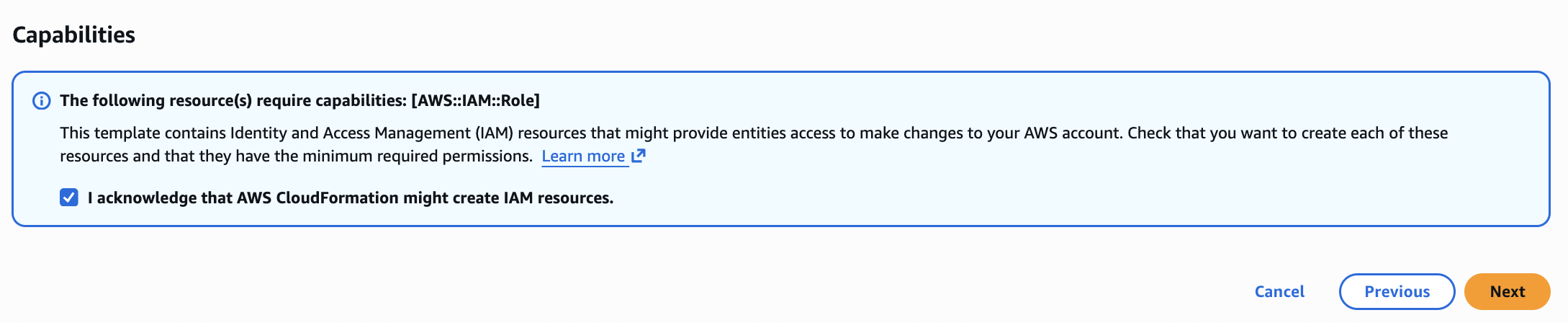
The final layer, the agentcore-mcp-server stack, acts as the intelligent bridge. By deploying an Amazon Bedrock AgentCore MCP server, the architecture exposes specific tools—such as ListIndexTool, IndexMappingTool, and SearchIndexTool—to the AI agent. These tools allow the model to dynamically query the OpenSearch indices based on natural language inputs, such as "Show me Amazon EC2 ETL script errors with stack traces."
Chronology of Implementation
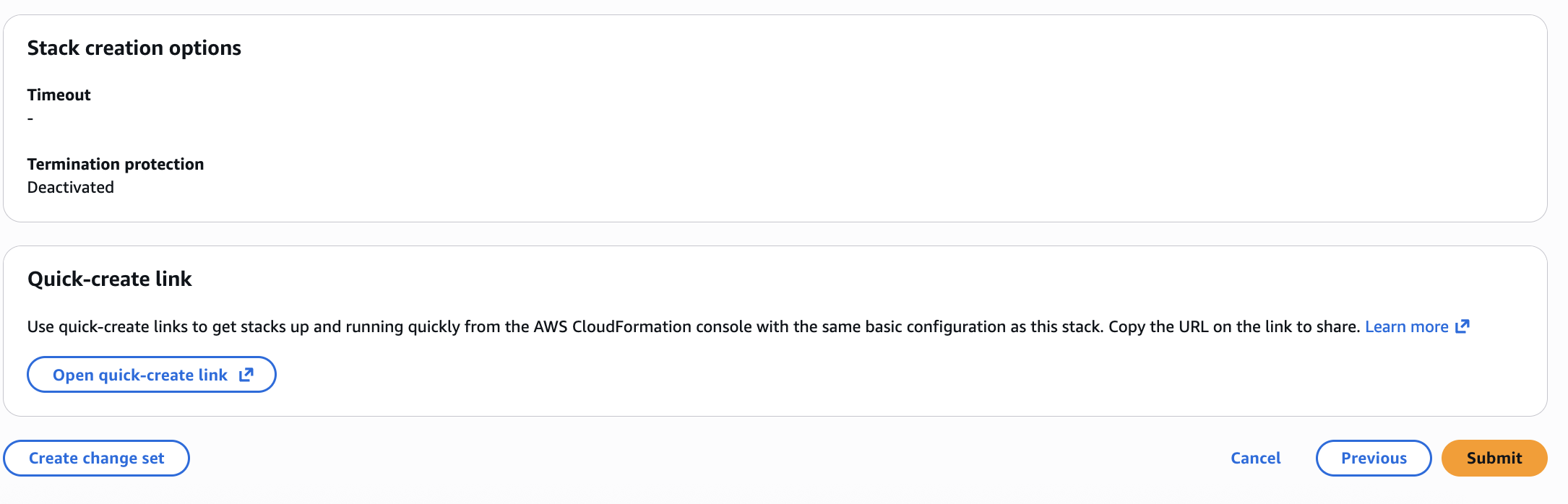
Deploying this solution follows a systematic, five-step lifecycle designed to minimize downtime and ensure integration stability:
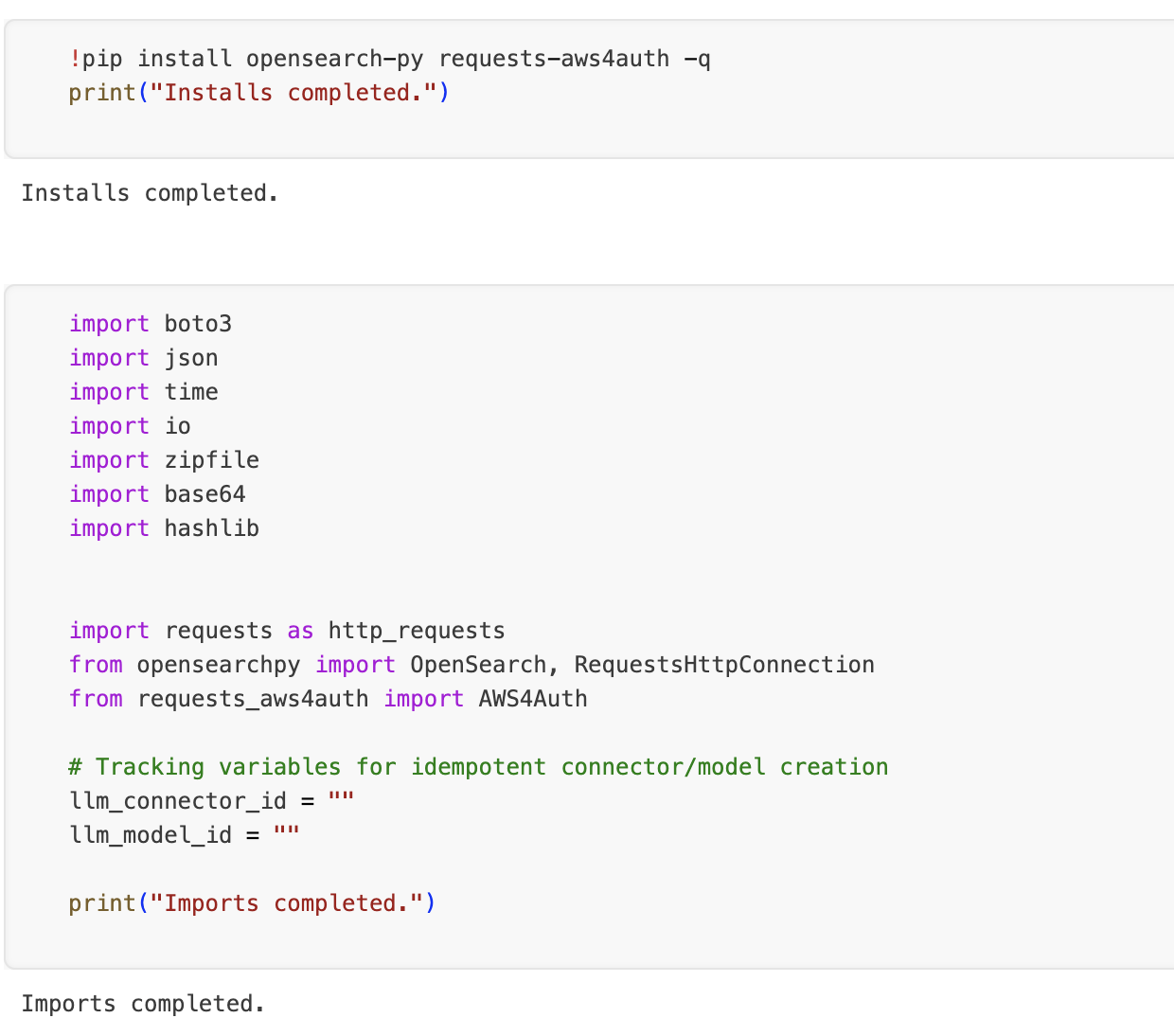
- Foundational Provisioning: The initial deployment of the
opensearch-cfnstack provides the necessary IAM roles and the OpenSearch domain endpoint. - Operational Deployment: The
etlstack is deployed, linking the orchestration layer (MWAA) and compute resources to the logging infrastructure. - Agent Integration: The
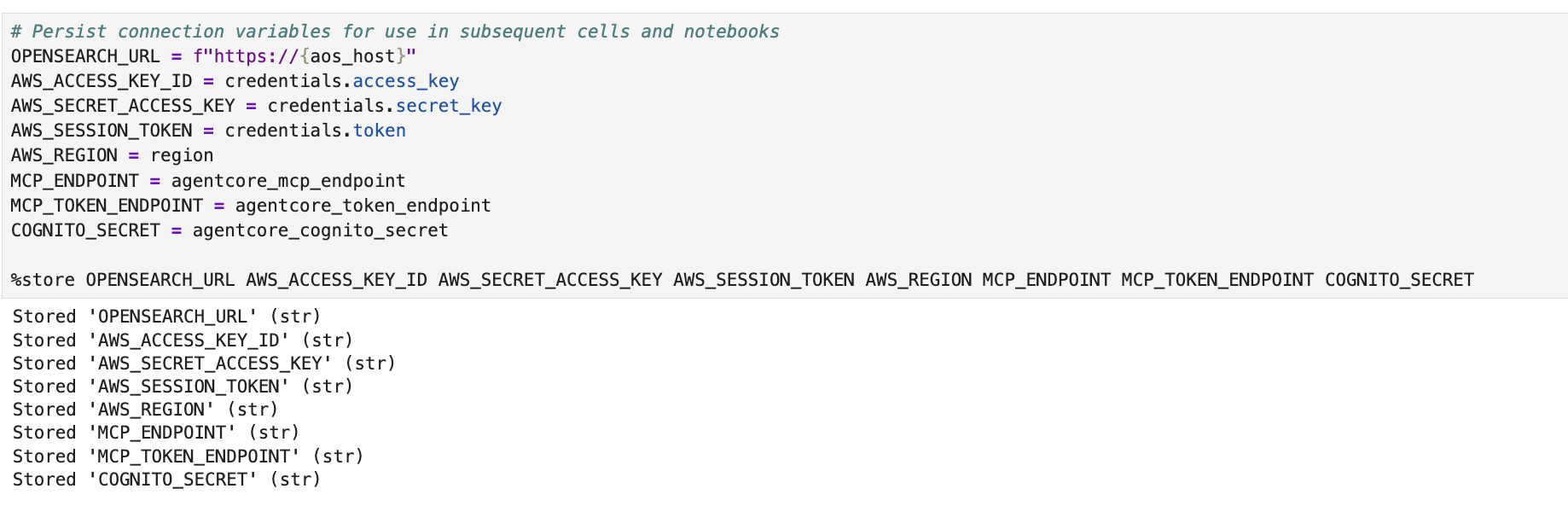
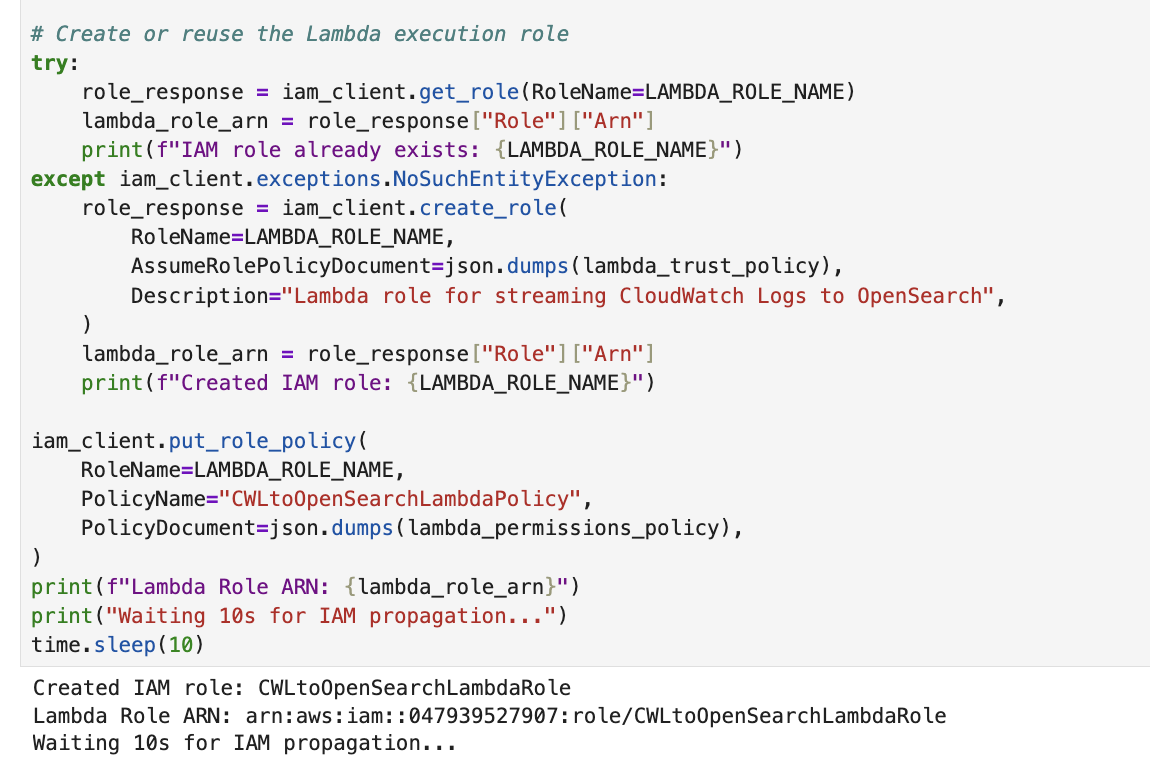
agentcore-mcp-serverstack is deployed, which requires the output endpoints from the preceding stacks to establish connectivity. - Configuration and Validation: Using the Amazon SageMaker notebook, engineers configure the ingestion pipeline and test the connectivity between the MCP server and the Bedrock models.
- Operational Monitoring: Once active, the system begins real-time indexing, allowing users to query the logs immediately through the AI-powered client.
Data-Driven Insights and Security Considerations
Security remains a primary constraint for enterprise deployments. The integration of Amazon Cognito within the agentcore-mcp-server stack ensures that access to the AI-powered log analysis tool is strictly authenticated. Furthermore, by utilizing VPC-based deployments for the orchestration layer, the solution adheres to the principle of least privilege, isolating the ETL traffic from the public internet.
From an performance standpoint, the streaming nature of the subscription filters provides near-instantaneous visibility. Because the OpenSearch indices are optimized for time-series data, even high-throughput pipelines with thousands of log entries per second can be searched and analyzed with low latency.
Broader Implications for DevOps and Data Engineering
The shift toward AI-augmented observability signals a broader trend in the industry: the transition from "monitoring" to "reasoning." Traditional monitoring tools provide alerts, but they rarely provide answers. By providing context-aware remediation suggestions, this solution addresses the cognitive load placed on on-call engineers.
When an AI agent can correlate an AWS Glue job failure with an Amazon MWAA task timeout and identify that both were caused by a specific upstream network configuration, the value proposition is clear. It moves the conversation from "What is happening?" to "How do we fix it?"
Future-Proofing the Pipeline
As enterprises continue to embrace serverless orchestration and distributed data processing, the complexity of troubleshooting will only increase. The ability to abstract log complexity through an MCP-compliant interface represents a significant leap forward in operational efficiency.
Looking ahead, the extensibility of this architecture is notable. Because it relies on the Model Context Protocol, organizations can swap out the underlying LLM (e.g., transitioning from Claude Sonnet to future, more capable models) without re-architecting the entire log-streaming pipeline. This flexibility ensures that the observability layer can evolve alongside the rapidly changing landscape of generative AI.
Conclusion: Beyond the Scavenger Hunt
The goal of this architectural pattern is to reclaim time. By eliminating the manual overhead associated with log aggregation and parsing, organizations can refocus their engineering talent on product development and performance optimization rather than infrastructure troubleshooting.
This solution demonstrates that the most effective way to solve the observability crisis is not by adding more dashboards, but by integrating intelligence directly into the data path. As teams adopt this approach, the "scavenger hunt" of the past will likely be replaced by a streamlined, conversational interaction with their own infrastructure, marking a new milestone in the maturity of cloud-native data operations. For organizations struggling with complex, multi-service ETL failures, this implementation offers a clear, scalable path toward a more resilient and manageable future.
Related posts: