Wing Pro 12.1 Introduces Autonomous Development Capabilities to Transform Software Engineering Workflows

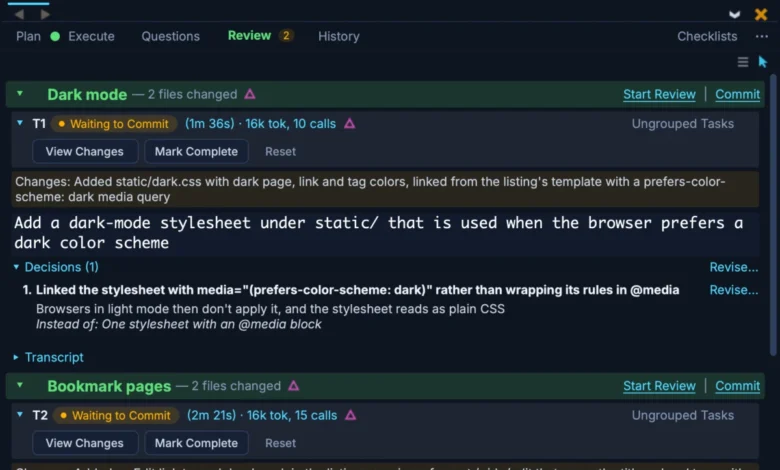
The landscape of software development underwent a significant evolution on November 5, 2026, with the official release of Wing Pro 12.1. This update introduces a sophisticated autonomous development framework designed to transition the role of the software engineer from a manual coder to a high-level product architect. By integrating advanced AI agent orchestration directly into the development environment, Wing Pro 12.1 allows users to provide high-level functional specifications that are subsequently decomposed, planned, and executed by a team of automated agents capable of writing code, drafting unit tests, and finalizing documentation over extended periods.
The Shift Toward Autonomous Engineering
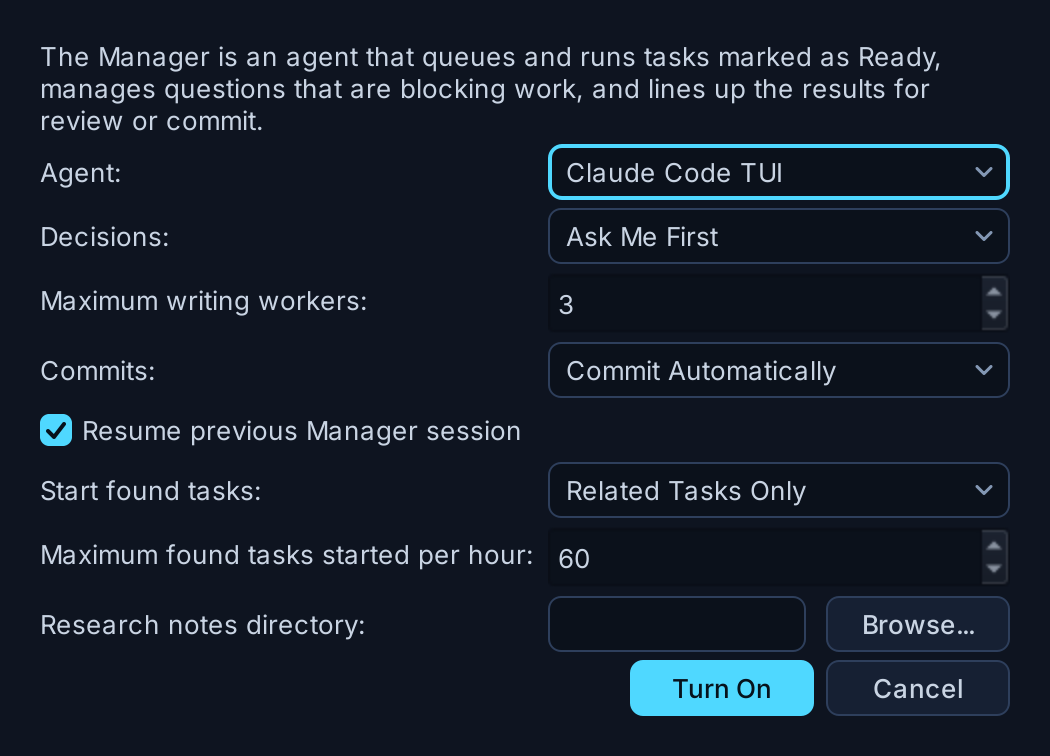
For decades, the primary bottleneck in software production has been the manual translation of human intent into machine-readable syntax. Traditional Integrated Development Environments (IDEs) were built to assist developers in writing code faster; however, they remained fundamentally tethered to the manual input of the programmer. The introduction of the Tasks Manager in Wing Pro 12.1 represents a departure from this paradigm.
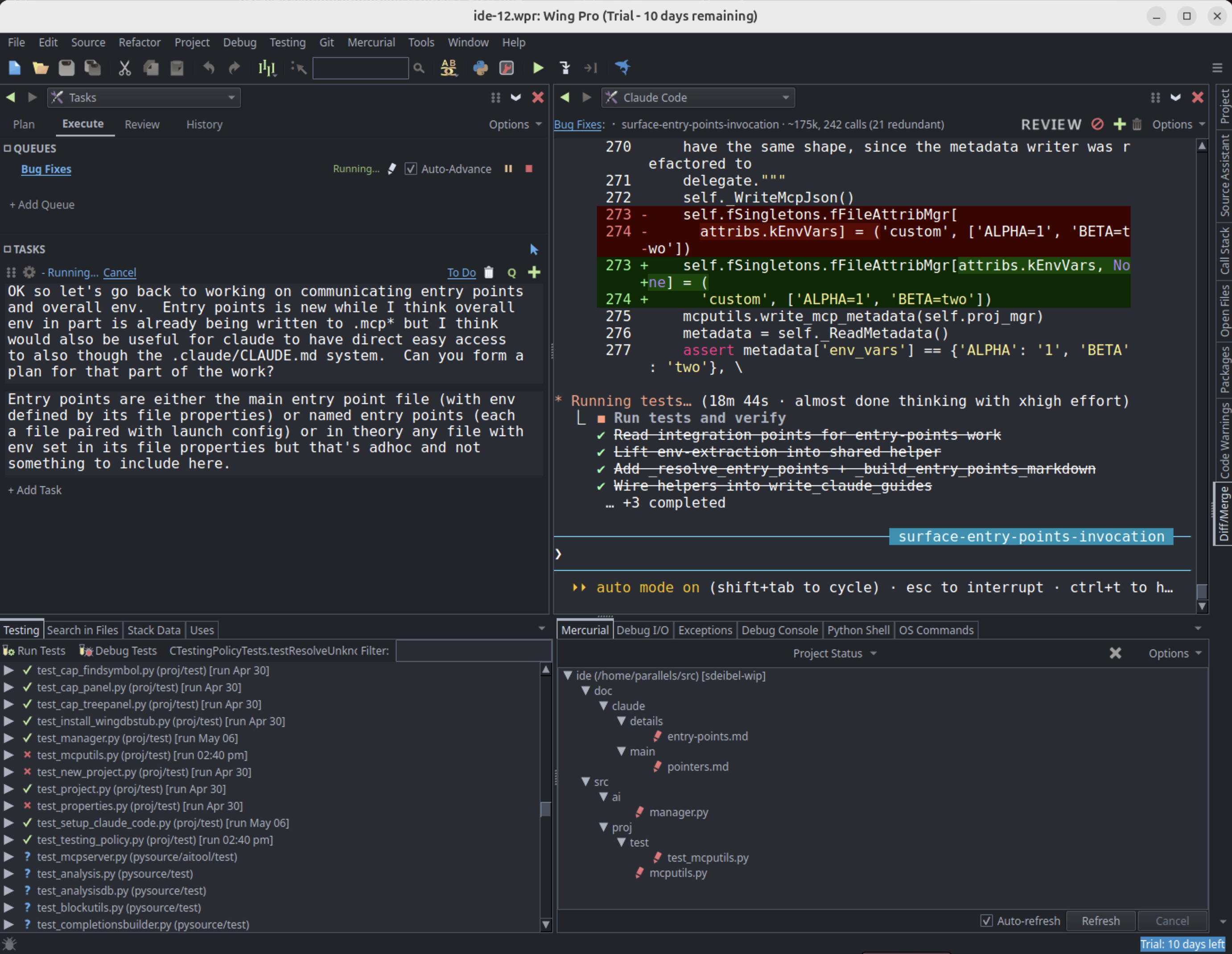
The system functions by ingesting a high-level vision for an application or feature, after which the AI-driven Tasks Manager orchestrates a multi-agent workflow. These agents act as specialized workers, splitting a project into logical, manageable units. By maintaining a continuous loop of development, testing, and documentation, these agents can operate autonomously for hours or days. The developer’s role is redefined as an overseer: they are tasked with setting the project parameters, reviewing completed work, and resolving clarifying questions posed by the agentic workforce.
Chronology of the Development Cycle
The implementation of autonomous development within Wing Pro follows a structured, multi-step process designed to ensure both velocity and safety. The workflow is initiated within a sandboxed environment, a critical precaution recommended by developers to isolate AI activity from sensitive infrastructure.
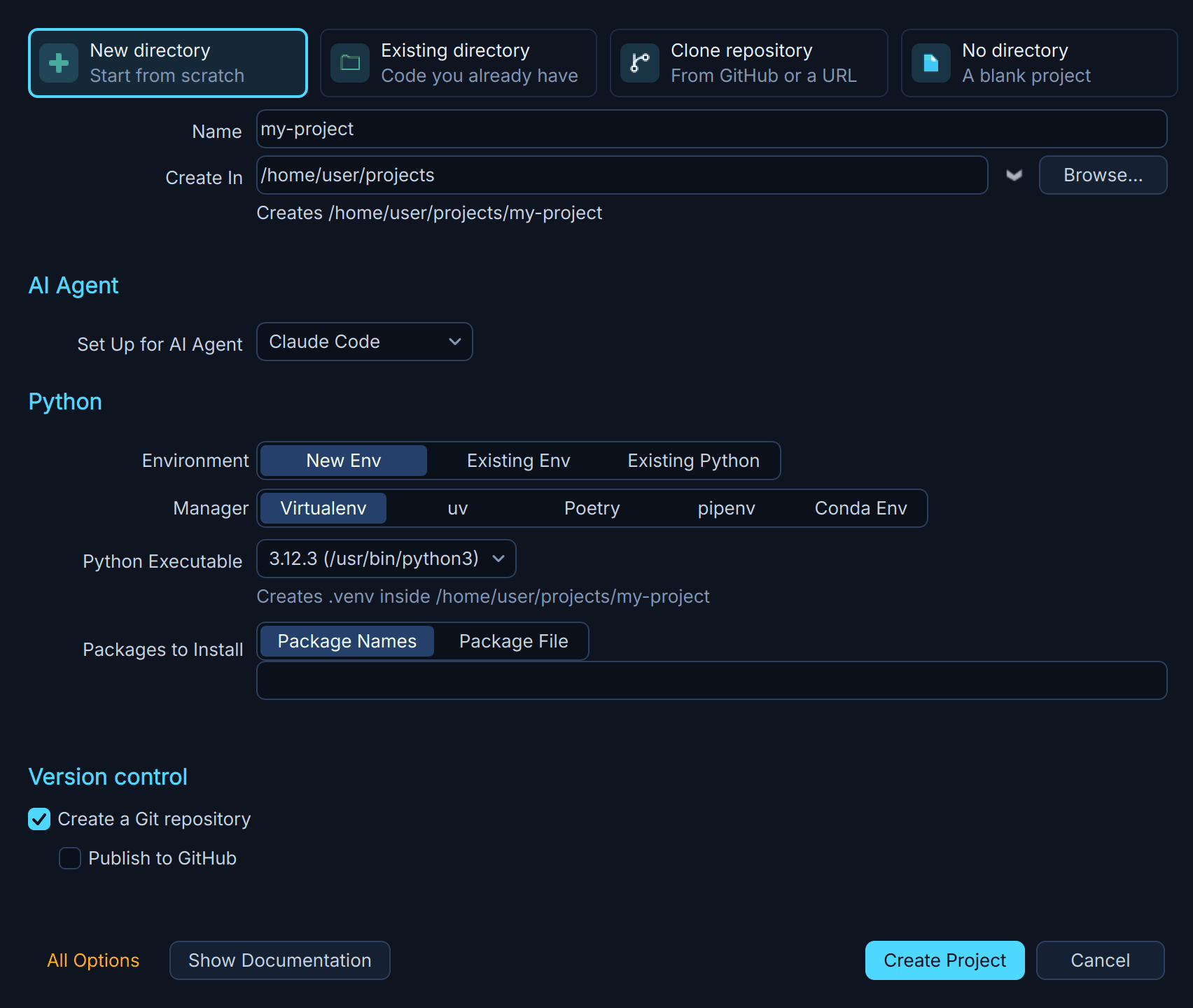
- Environmental Configuration: Users initiate the process by setting up a project, selecting a compatible AI agent—with Claude Code and Codex currently cited as the preferred, safety-conscious options—and integrating version control systems such as Git or Mercurial.
- Project Initialization: Through the New Project dialog, developers define the Python environment and agent parameters. This action activates the Tasks Manager, which serves as the central nervous system for the autonomous work cycle.
- Task Specification: On the ‘Plan’ tab, users document the requirements. These specifications can range from minor bug reports to complex architectural blueprints. Once marked as ‘Ready,’ the Manager begins its research and decomposition phase.
- Execution and Monitoring: The ‘Execute’ tab provides a real-time window into the agentic workflow. Should the agents encounter ambiguity, the ‘Questions’ tab facilitates a dialogue between the user and the AI, ensuring the final output aligns with the original vision.
- Review and Verification: Before finalizing a project, the ‘Review’ tab presents a comprehensive summary of changes and decisions. Users maintain final authority to approve, revise, or reject the work submitted by the agents.
Supporting Data and Safety Protocols
The decision to prioritize safety in Wing Pro 12.1 is a response to the growing concerns regarding AI autonomy. According to industry security experts, the primary risk associated with AI coding agents is "inadvertent execution," where an agent might perform unauthorized file operations or push code to production repositories. Wing Pro 12.1 mitigates these risks by favoring agents like Claude Code and Codex, which possess internal safety mechanisms to evaluate command integrity before execution.
Data from early beta testing of the platform suggests that for sustained development projects, subscription-based models for AI agents are significantly more cost-effective than usage-based API billing. Furthermore, the integration of version control is not merely a feature but a necessity; it allows for granular tracking of each task, enabling users to audit the specific logical units contributed by the agents. This traceability is vital for maintaining code quality in large-scale enterprise environments where manual code reviews would otherwise be prohibitively expensive.
Industry Implications and Expert Perspectives
The release of Wing Pro 12.1 is part of a broader industry trend toward "agentic workflows." While traditional IDEs focused on syntax highlighting and autocompletion, the next generation of tools is increasingly focused on task completion. Industry analysts suggest that this shift will likely compress development timelines by orders of magnitude. A project that might have taken a team of developers two weeks to implement could potentially be distilled into a few days of oversight and review.
However, this transition brings with it a new set of challenges. Organizations must now focus on "specification literacy"—the ability of a human to articulate complex requirements in a way that an AI agent can execute without error. As the technology matures, the demand for developers who can function as system architects and quality assurance supervisors will likely grow, while the demand for low-level manual implementation tasks may continue to decline.
Official Responses and Future Outlook
While Wingware has not provided an official public statement regarding the specific revenue projections for this update, the company has positioned this release as the flagship advancement in its "Wing Tips" series. By providing extensive documentation and "How-To" guides—such as Autonomous Development with Wing Pro—the company is actively lowering the barrier to entry for developers who are hesitant to cede control to autonomous systems.
The underlying philosophy of this release is that the complexity of modern software has outpaced the capabilities of human typing speed. By delegating the implementation, unit testing, and documentation to a dedicated team of AI agents, Wing Pro 12.1 aims to empower engineers to solve higher-order problems.
Broader Impact on Software Architecture
The long-term implications of this technology are profound. If the autonomous model proves stable and scalable, we may see a fundamental shift in how startups and enterprises approach the "Software Development Life Cycle" (SDLC). The traditional waterfall or agile methodologies, which rely heavily on manual human checkpoints, may be replaced by a continuous "Agent-Driven Development" (ADD) model.
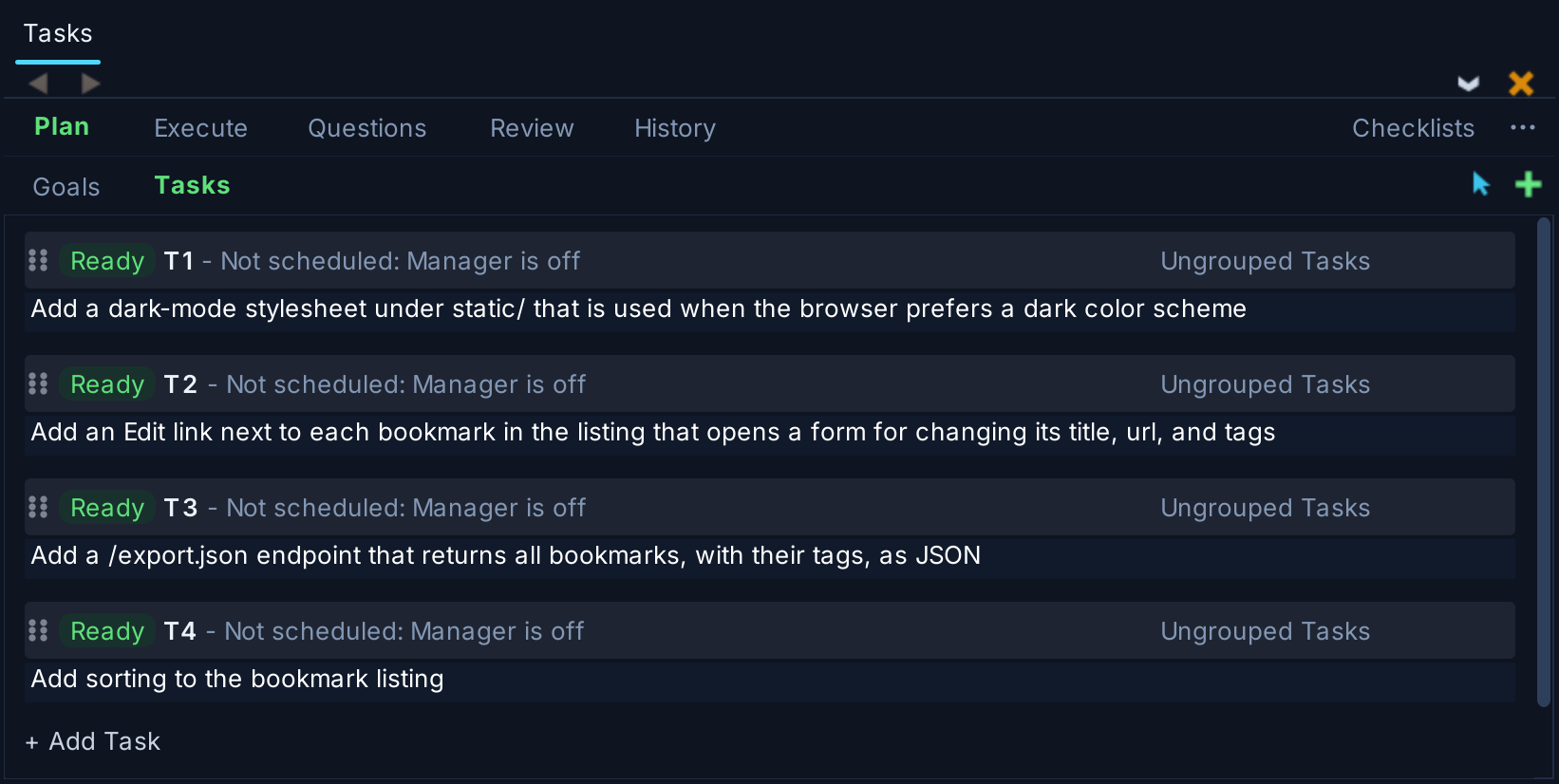
In this new model, the human developer acts as a Chief Technical Officer (CTO) of a project, rather than a line-coder. They provide the vision, define the constraints, and audit the results, while the AI handles the repetitive, albeit necessary, tasks of boilerplate generation, library integration, and test suite maintenance.
As developers begin to adopt these tools, the industry will likely see a surge in the quality of documentation and testing. Because agents do not suffer from the same "fatigue" as human developers, they are theoretically capable of writing exhaustive test cases for every function, leading to more robust and reliable software. The success of Wing Pro 12.1 will be determined by its ability to maintain this level of precision while ensuring that the developer remains in firm control of the final architecture.
For now, the integration of the Tasks Manager and the shift toward oversight-based programming marks a pivotal moment in the history of IDE development. As AI continues to integrate deeper into the fabric of software creation, the tools that enable humans to govern these agents—rather than just work alongside them—will undoubtedly become the standard for professional engineering environments.