The Evolution of Conversational Data Analysis
Lumen was initially conceptualized to solve a persistent bottleneck in data science: the time-consuming process of manually writing boilerplate code to explore datasets. Since its inception, the framework has functioned by utilizing Large Language Models (LLMs) to interpret user intent and translate it into executable code. Built upon the robust foundation of the Panel library and the broader HoloViz ecosystem, Lumen ensures that every step of the analytical pipeline—from data ingestion to final chart generation—remains transparent, editable, and reproducible.
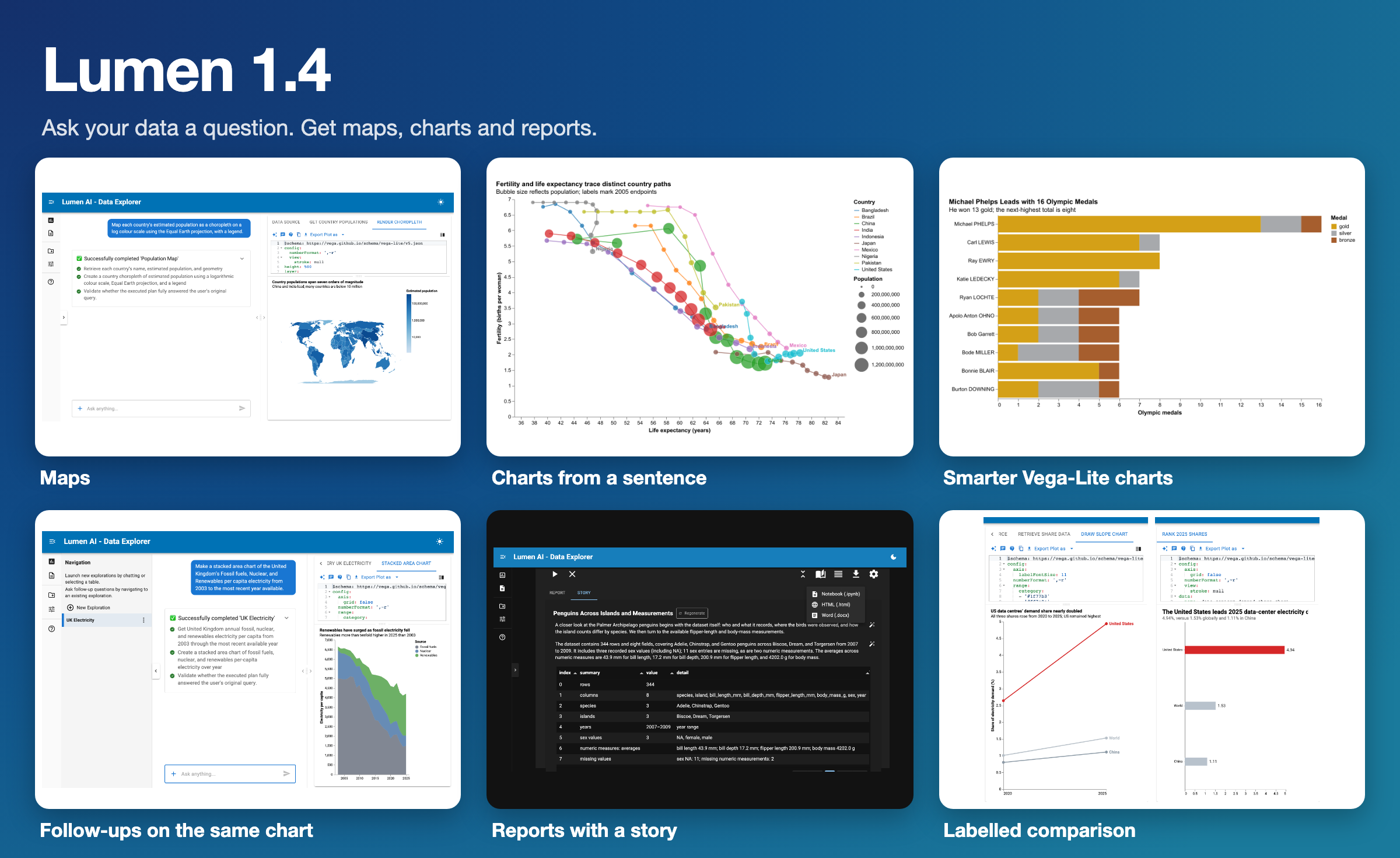
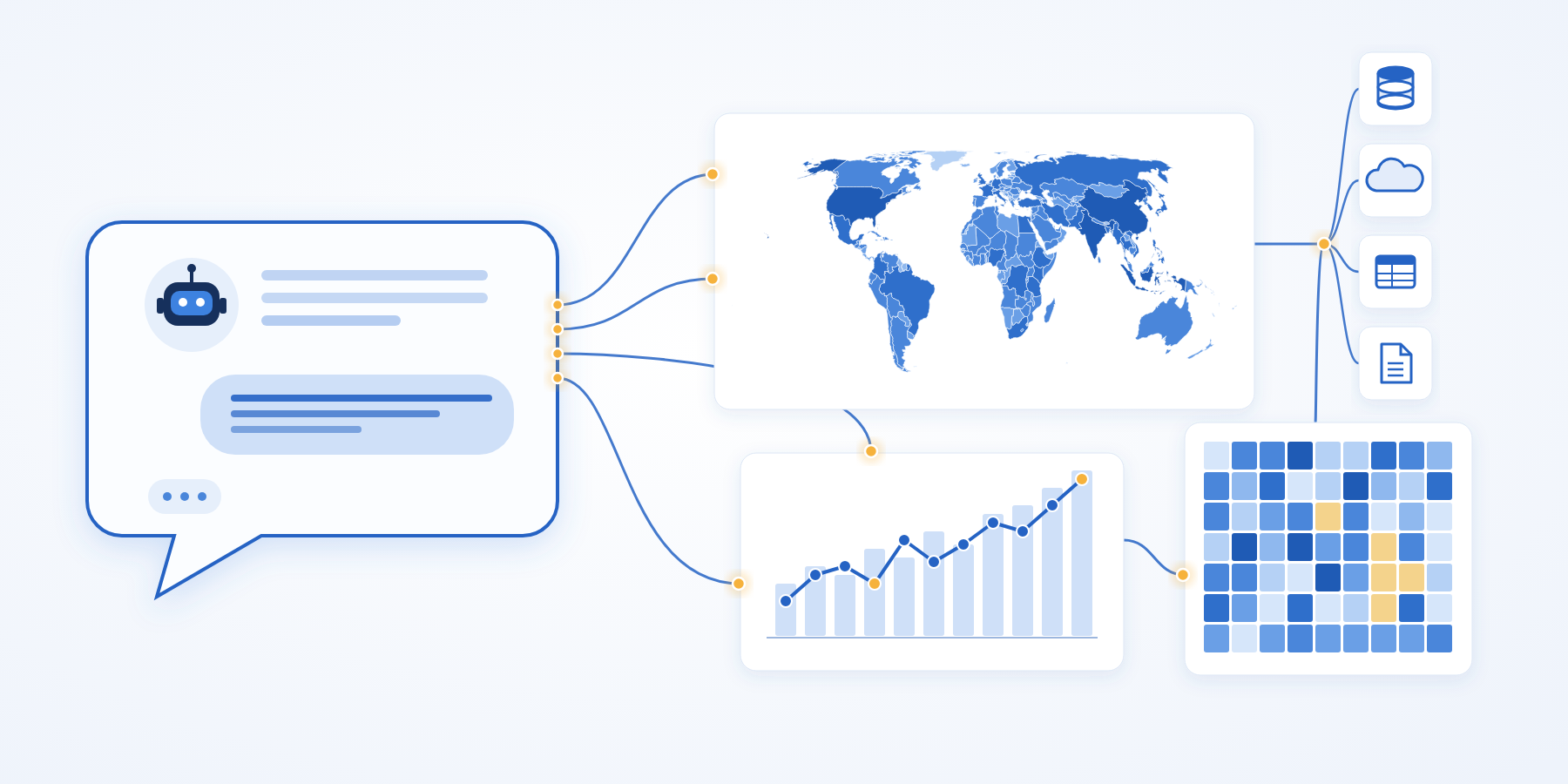
The 1.4.0 update arrives at a time when enterprise interest in "chat-to-data" interfaces is at an all-time high. Organizations are increasingly looking for ways to democratize data access, allowing non-technical stakeholders to derive insights without relying on data engineering teams for every minor query. By standardizing the interaction between natural language and structured data, Lumen provides a middle ground that maintains professional-grade technical rigor while offering a consumer-friendly user experience.
Breaking Down Barriers: Zero-API-Key Accessibility
Perhaps the most notable change in the 1.4.0 release is the removal of the "API key barrier." Historically, utilizing advanced LLMs for data tasks required developers to maintain active subscriptions to services like OpenAI or Anthropic. Lumen 1.4.0 introduces four distinct pathways for users to get started without a paid provider:
- Coding CLI Integration: The framework now supports existing coding command-line interfaces such as Claude Code, Codex, and the GitHub Copilot CLI. By routing queries through these tools, users can leverage existing authentication sessions.
- Kilo Service: For users who prefer a "plug-and-play" experience, the Kilo free-tier service offers an immediate, albeit throttled, path to conversational analysis. While designed for lighter workloads, it serves as an excellent sandbox for new users.
- Local Model Support: Recognizing the importance of data privacy and offline capability, Lumen now features seamless integration with Ollama. The system is optimized to run on the qwen3.5:9b model, providing robust performance without external data transmission.
- Intelligent Fallbacks: If no provider is configured, the system no longer fails silently. It now provides an interactive CLI diagnostic that guides the user through the setup process based on their specific local environment.
Geospatial Advancements and Data Visualization
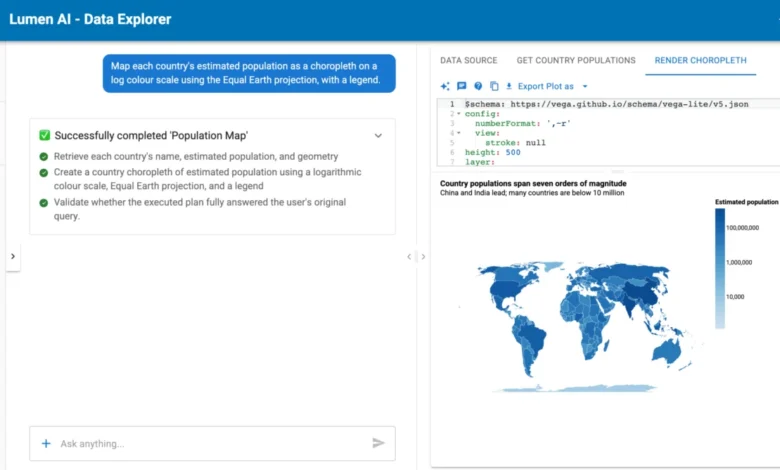
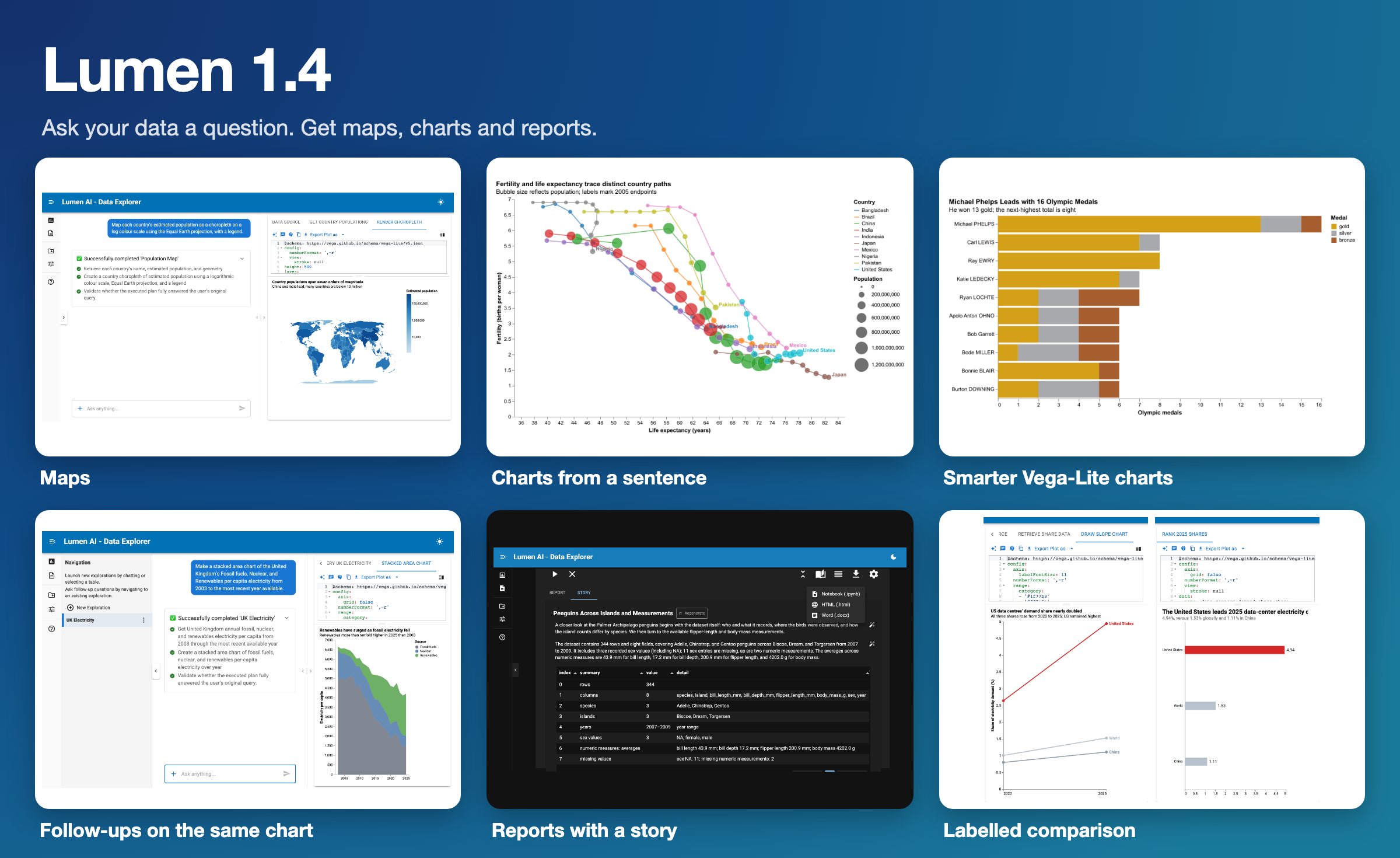
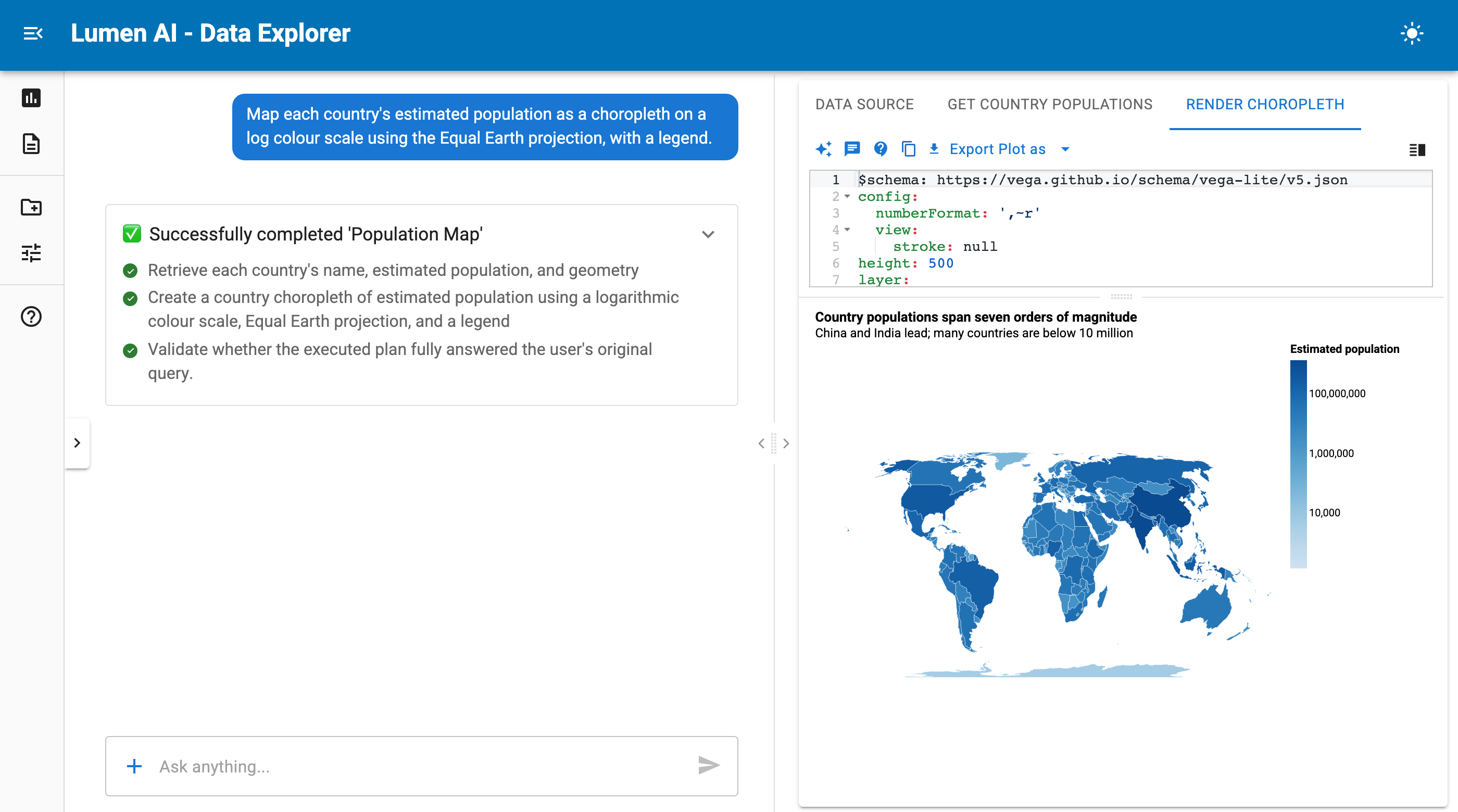
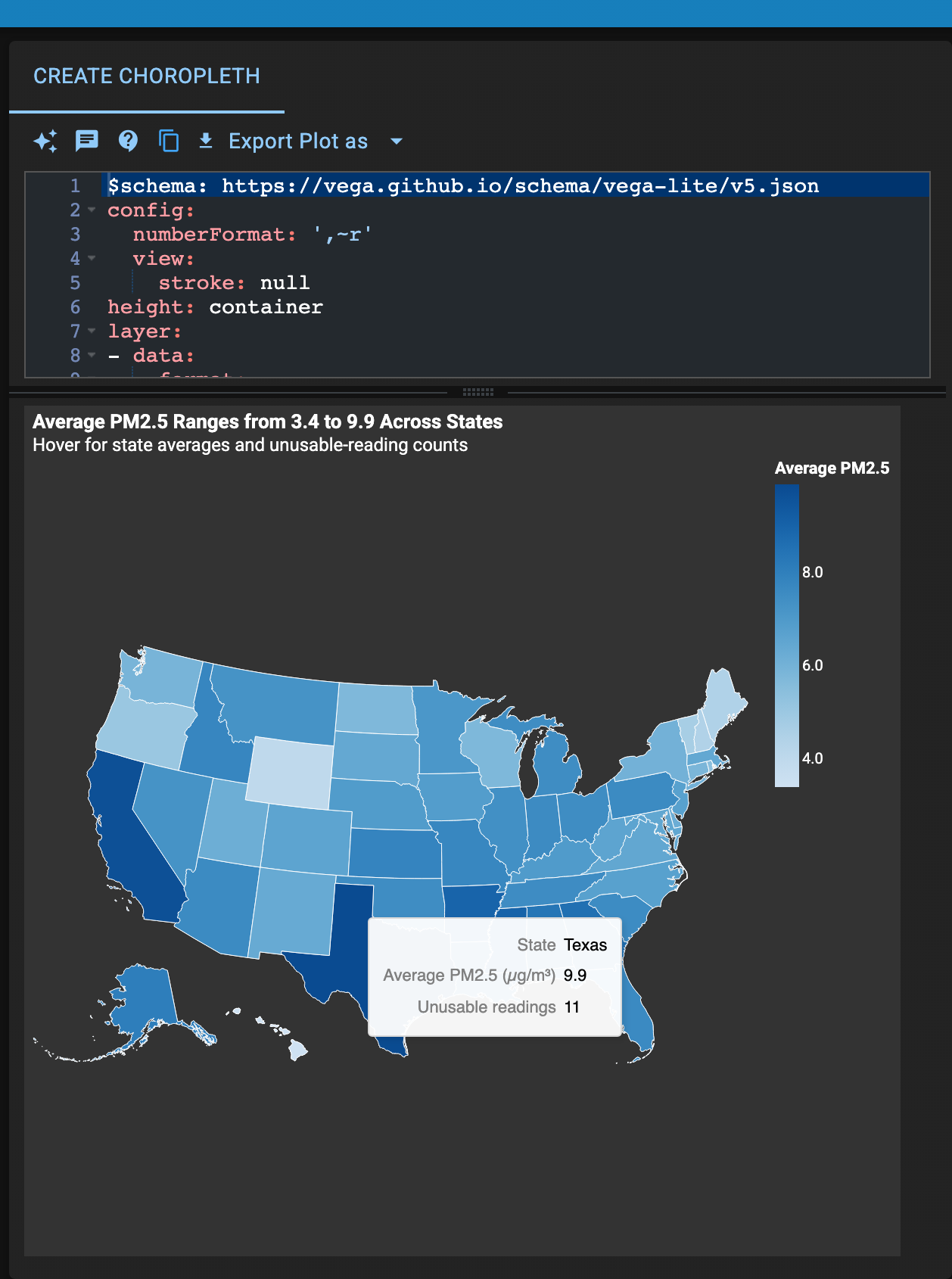
Geospatial data analysis has historically been a complex domain, often requiring specialized knowledge of projection systems and coordinate geometry. Lumen 1.4.0 simplifies this by allowing users to treat geometry columns as first-class citizens. By loading GeoJSON, WKT, or zipped shapefiles, users can issue simple prompts such as, "Map the estimated population of each country as a choropleth."
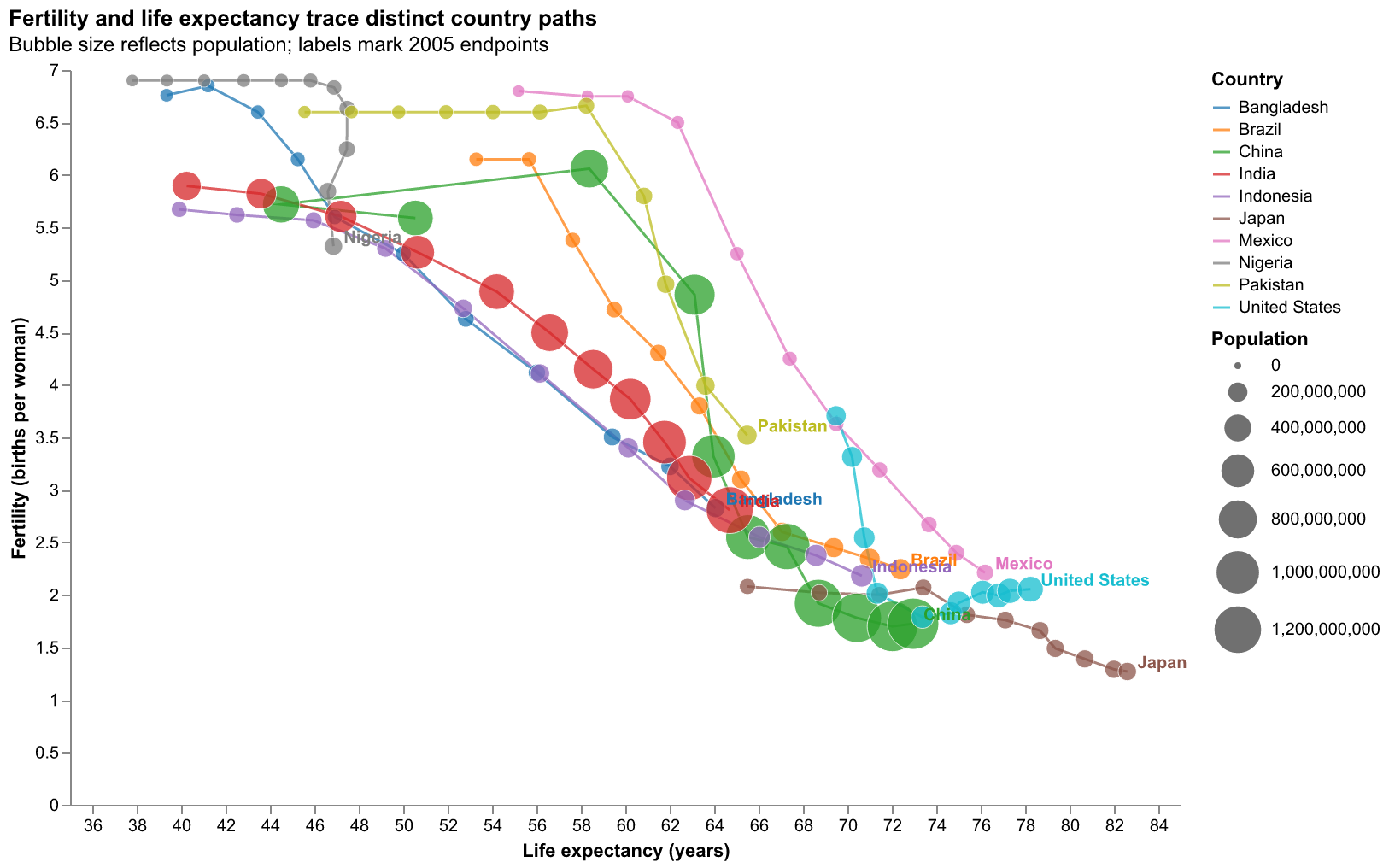
The system automatically generates the corresponding Vega-Lite specifications, allowing for immediate visual output. This is complemented by a series of fixes that improve the handling of coordinate systems and projection accuracy, ensuring that map-based insights are both aesthetically pleasing and scientifically reliable. The interactive nature of these maps—which support hover-states and automated dark-mode synchronization—demonstrates a commitment to high-end user interface design that is rarely seen in standard data-science tooling.
Enhancing Trust: The "Answers You Can Check" Initiative
A recurring challenge with LLM-generated data analysis is the "black box" problem—the tendency for models to occasionally hallucinate or generate suboptimal queries. The Lumen team has addressed this in 1.4.0 by implementing a multi-layered verification system.
The framework now employs a sophisticated profiling strategy that creates a "compact, exact view" of table metadata. By capturing essential facts—such as range, null distribution, and primary keys—before the LLM even sees the data, the framework significantly reduces the likelihood of logic errors. Furthermore, the introduction of a non-LLM data quality linter allows the system to automatically flag issues like "placeholder numbers" (e.g., -9999 representing nulls) or inconsistent text formatting. By catching these issues at the source, Lumen ensures that the final visualization is based on clean, vetted data.
Performance and Pipeline Efficiency
The integration of the Polars and PyArrow libraries represents a major performance leap. By moving away from a strict reliance on pandas, Lumen can handle much larger datasets with significantly lower memory overhead. During internal testing, the transition to native Polars processing reduced the peak memory usage for a 2-million-row dataset from 1.3 GB to 0.9 GB, while simultaneously speeding up execution times.
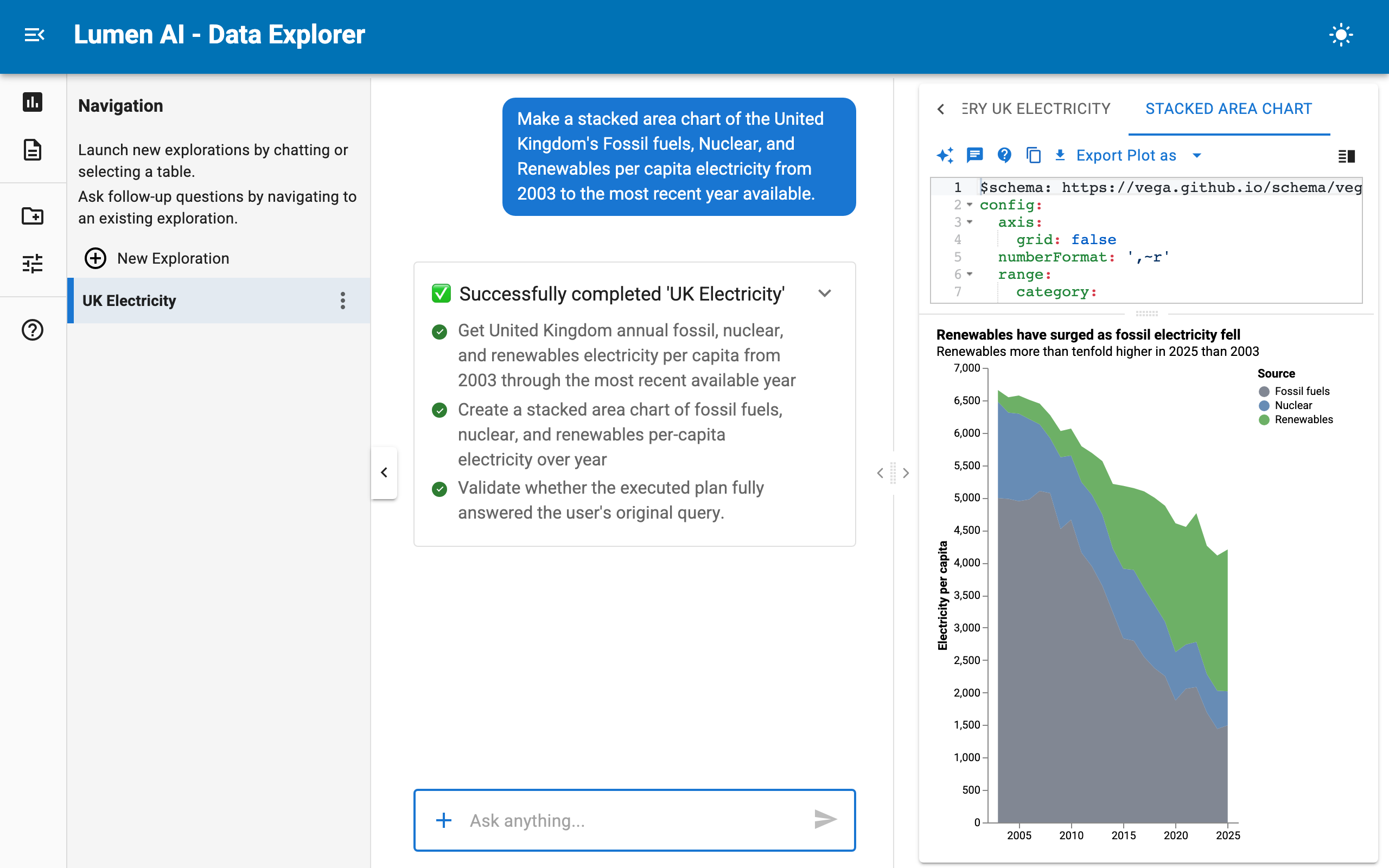
Furthermore, the "Reports with a Story" feature allows for the automated generation of narrative summaries. By utilizing an AI-driven annotation engine, Lumen can now wrap complex charts in prose that explains the findings, providing a cohesive document suitable for executive reporting. The ability to export these reports into Word documents, including all associated charts and narrative notes, makes the framework a viable tool for corporate environments.
Implications for the Future of Data Science
The release of Lumen 1.4.0 signifies a shift in the role of the data scientist. As the framework assumes more of the manual labor involved in SQL generation and data cleaning, the human operator is elevated to the role of an editor and strategist. This transition is not about replacing technical skill, but about accelerating the speed of insight.
The broad list of contributors to this release—which includes over twenty individuals—highlights the strength of the HoloViz open-source community. The collaborative nature of the development process ensures that the framework remains flexible enough to evolve alongside the rapidly changing landscape of Large Language Models.
Chronology and Roadmap
Following the initial announcement of Lumen 1.0, the 1.4.0 update represents the most comprehensive set of improvements to date. While the 1.x series has focused on establishing the core conversational pipeline, the 1.4.0 release pivots toward operational stability and ecosystem integration.
Future developments are expected to further refine the "DecisionModel" interface, which aims to provide more granular control over task-specific routing. By enabling the system to choose the most cost-effective or computationally appropriate model for a given task, the framework will likely become even more efficient in the coming months.
For developers and organizations looking to integrate Lumen, the documentation has been fully overhauled to include comprehensive setup guides and API references. As of this release, the framework requires Python 3.11 or later, Panel 1.9+, and Bokeh 3.9+, reflecting a commitment to modernizing the underlying technology stack. By lowering the barriers to entry while increasing the depth of its analytical capabilities, Lumen is positioning itself as a cornerstone tool for the next generation of data-driven decision-making.