Step inside the ‘Home of the Future’, from design fantasies to modernist architecture

A Chronology of Domestic Innovation
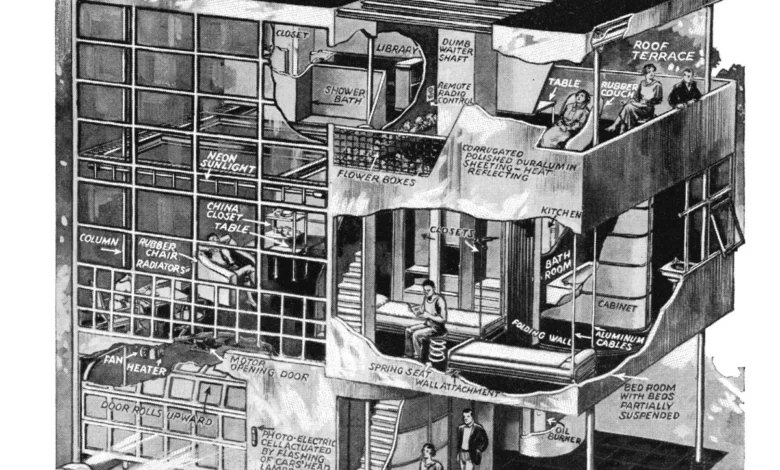
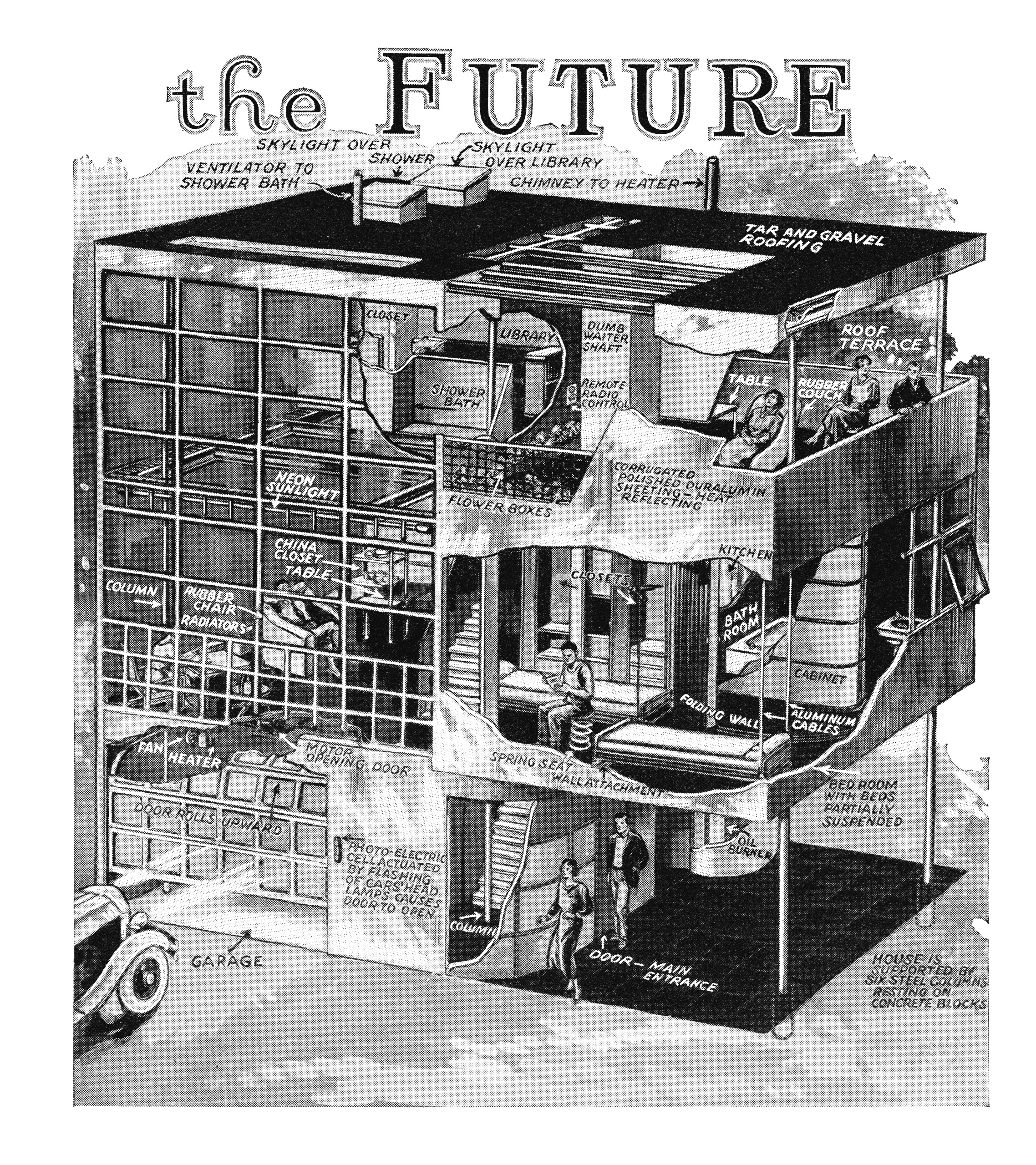
The exhibition is organized into four distinct but fluid chronological sections, each reflecting a specific phase in American industrial and social development. The first section, covering the period from 1925 to 1945, is titled Health, Efficiency, and Mechanization. This era was defined by the rapid electrification of the American interior, a process that fundamentally altered the rhythm of rural and urban life alike. During these two decades, the introduction of radio, telephony, and standardized electrical appliances began to erode the isolation of the domestic sphere. Designers of the time, influenced by the burgeoning Modernist movement, envisioned the home as a machine for living. Speculative designs for self-cleaning houses and early concepts for mass-produced, modular dwellings reflected a deep-seated belief that scientific management could solve the social ills of the era.
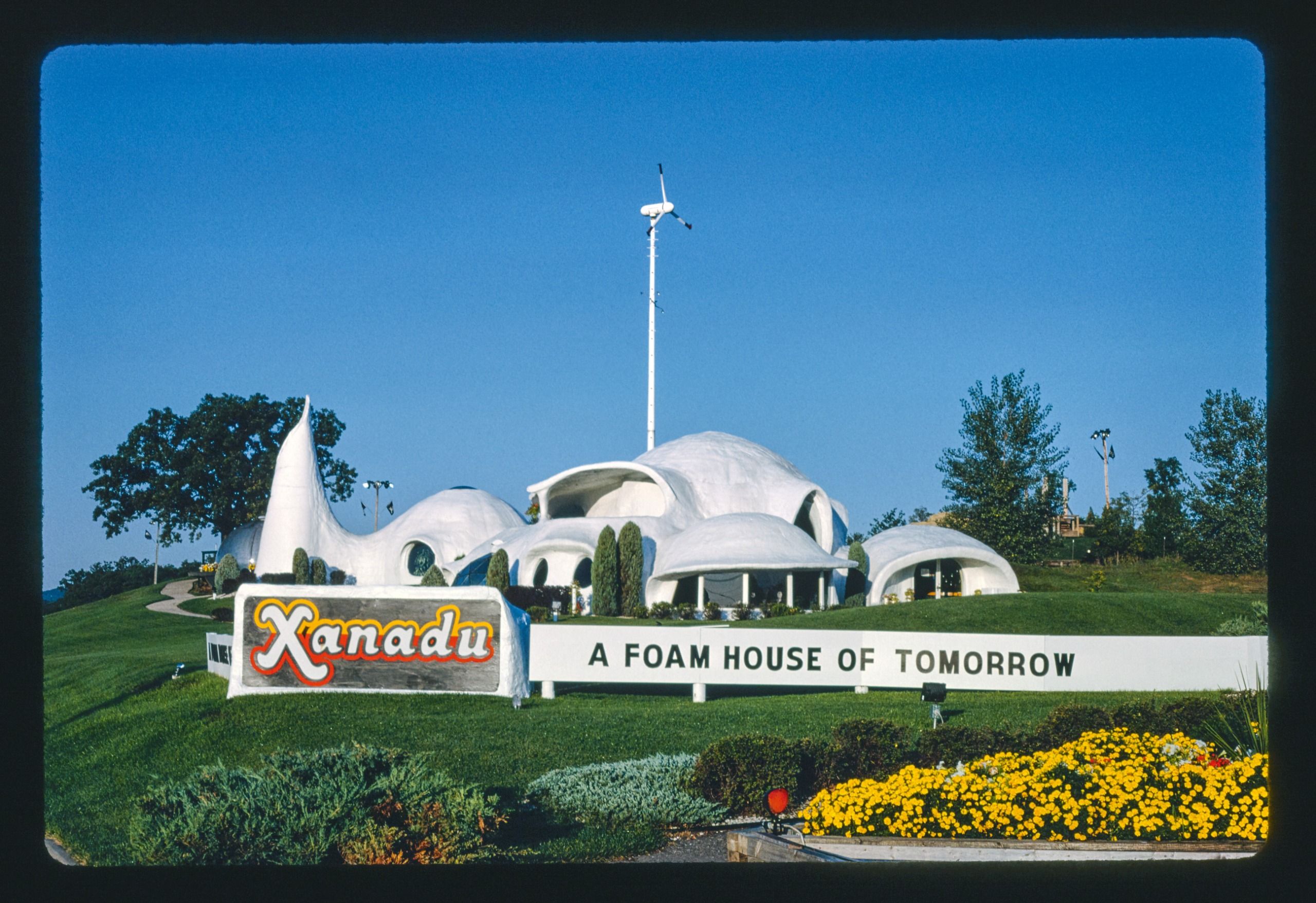
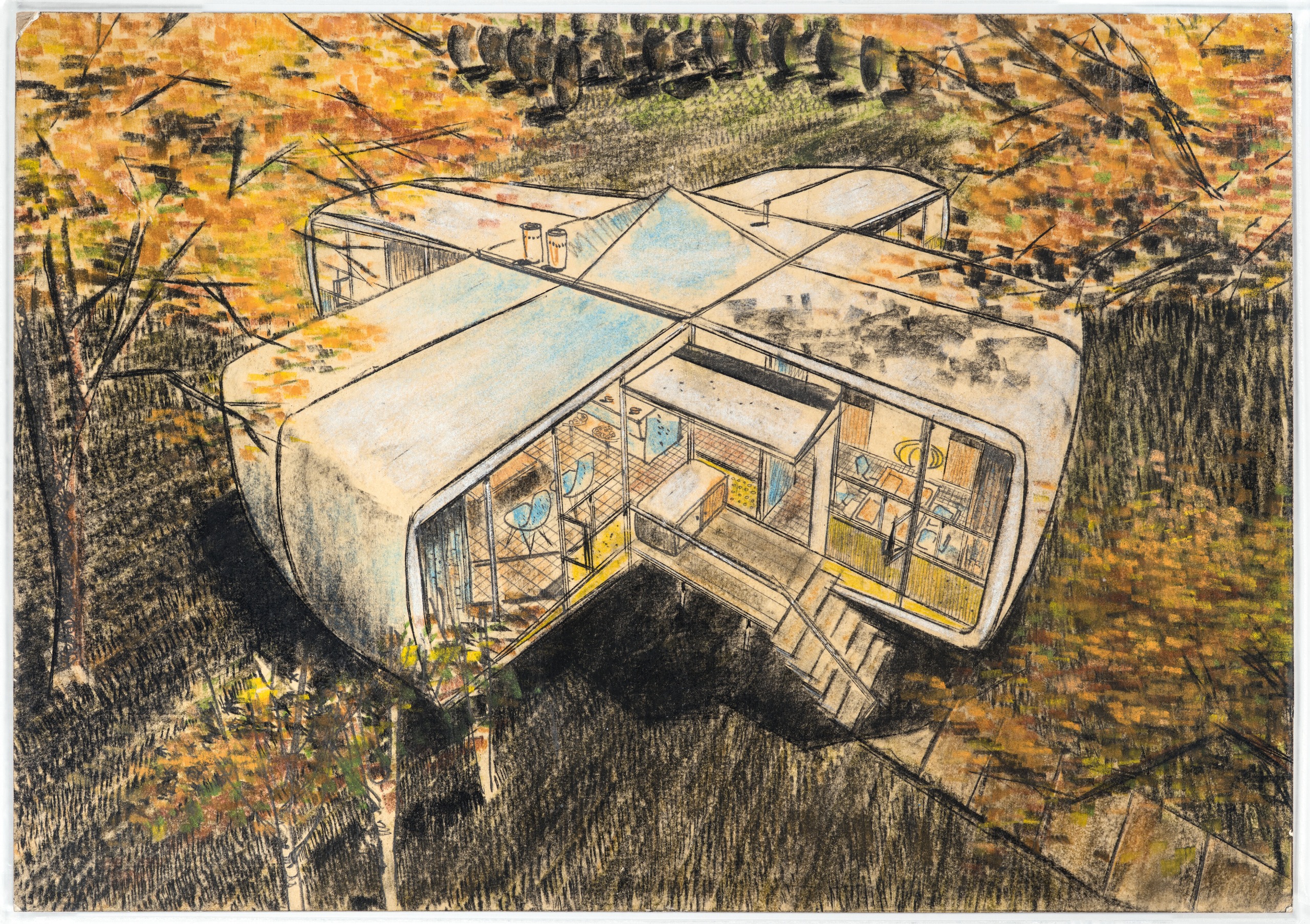
The second phase, spanning 1945 to 1965, captures the post-World War II economic boom, categorized under the theme Plastics, Push Buttons, and Prefabrication. This was the zenith of American suburban expansion, characterized by a consumer-driven domesticity. The era was defined by a surge in material innovation—most notably the proliferation of plastics—which allowed for bold, curvilinear forms in furniture and home construction. Iconic figures such as Charles and Ray Eames, George Nelson, and Henry Dreyfuss became synonymous with a new aesthetic of accessibility and utility. Notable inclusions in this section, such as the Monsanto House of the Future—which stood as a testament to the versatility of synthetic materials—and the aspirational designs of Barbie’s Dream House, highlight the cultural hegemony of the suburban middle-class ideal during this period.
The third section, 1950–1970: The Cold War Command Center, shifts the narrative toward the pervasive anxiety that defined the era. As geopolitical tensions escalated, the home was re-imagined not merely as a sanctuary of convenience, but as a potential bunker against nuclear threat. The design language of the time began to incorporate elements of survivalism, while pop culture simultaneously pushed fantasies of extraterrestrial or submarine living, reflecting a public fascination with escapism in the face of imminent catastrophe.
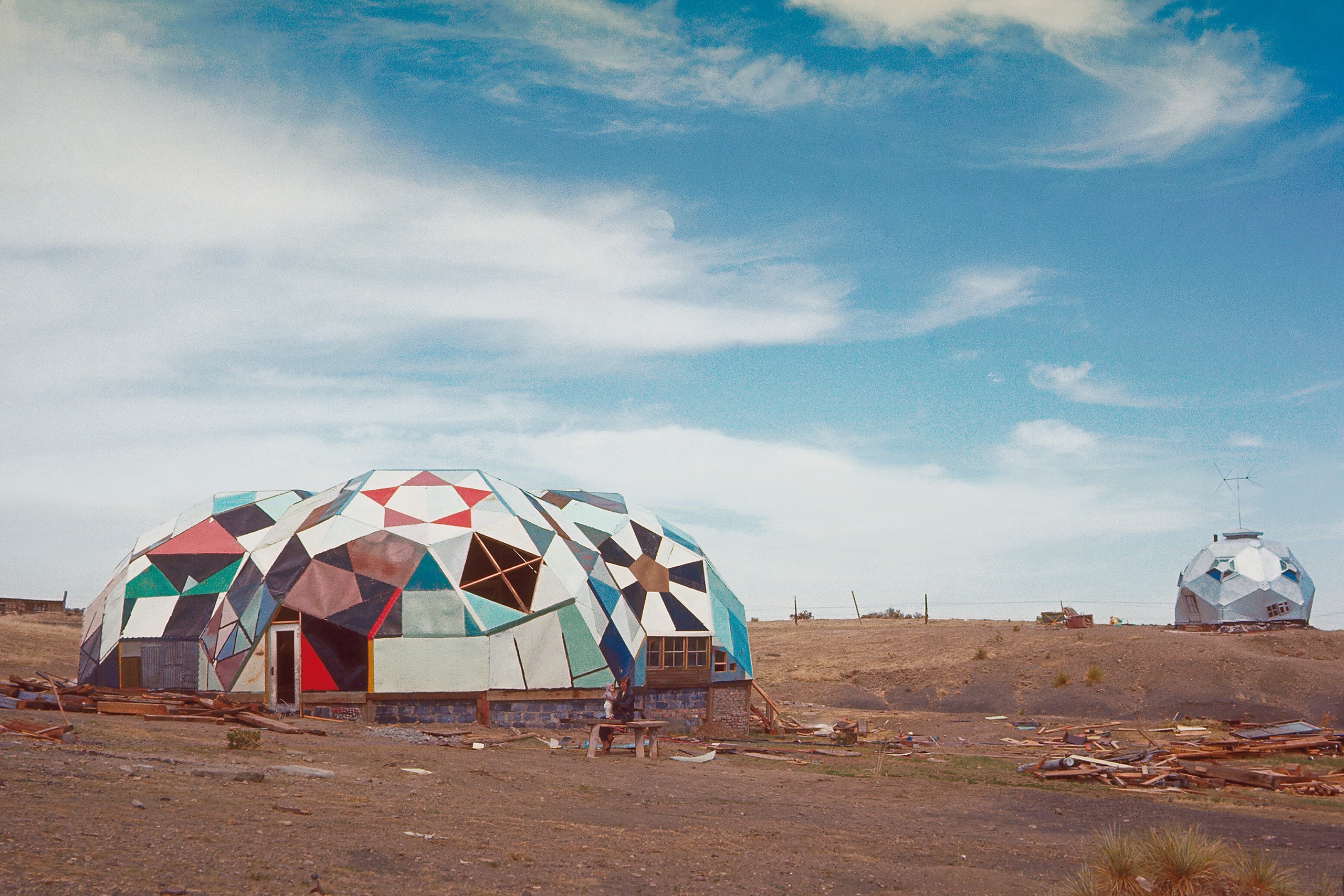
Finally, the period from 1965 to 1985, titled The Counterculture and the Computer, documents the shift away from institutionalized planning toward individualized, decentralized living. This section tracks the evolution from the communal, low-tech ethos exemplified by publications like The Whole Earth Catalogue to the high-tech, individualistic landscape of the early personal computing era. The inclusion of the first Apple Macintosh serves as a bookend to this section, signaling the transition into the wired, information-dense society of the late 20th century.
Analyzing the Material Culture of Progress
The significance of Home of the Future lies in its ability to contextualize the objects it presents. The exhibition is not merely a collection of vintage furniture; it is an interrogation of the socio-economic forces that necessitated these designs. For instance, the inclusion of the Frankfurt kitchen by Margarete Schütte-Lihotzky and the modular kitchens designed by Charlotte Perriand for Le Corbusier’s Unité d’Habitation offers a counterpoint to the American narrative. While American design was often tethered to the dictates of the consumer market, these European models were born of a desire to eliminate domestic drudgery for low-income residents, reflecting a different set of political priorities.
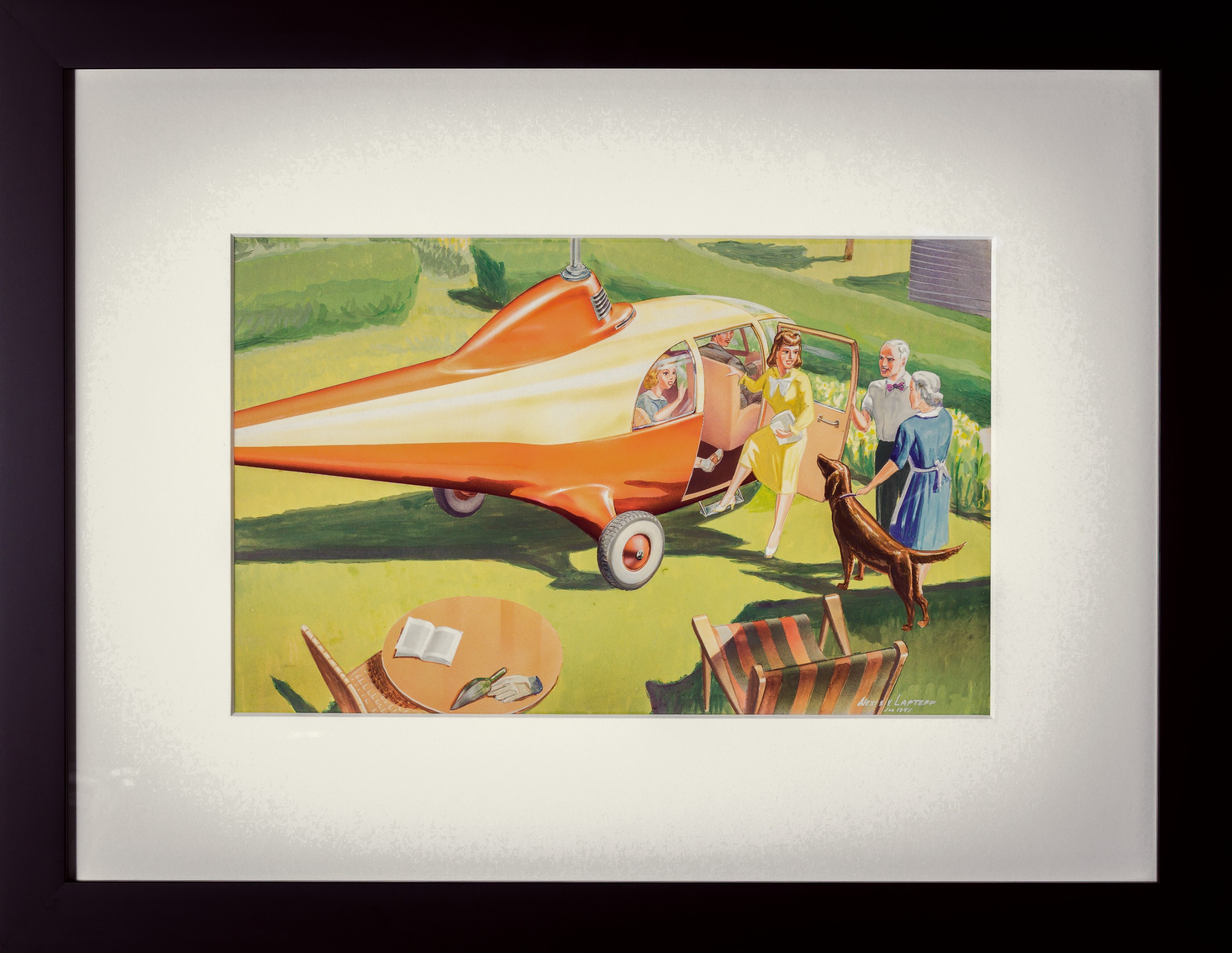
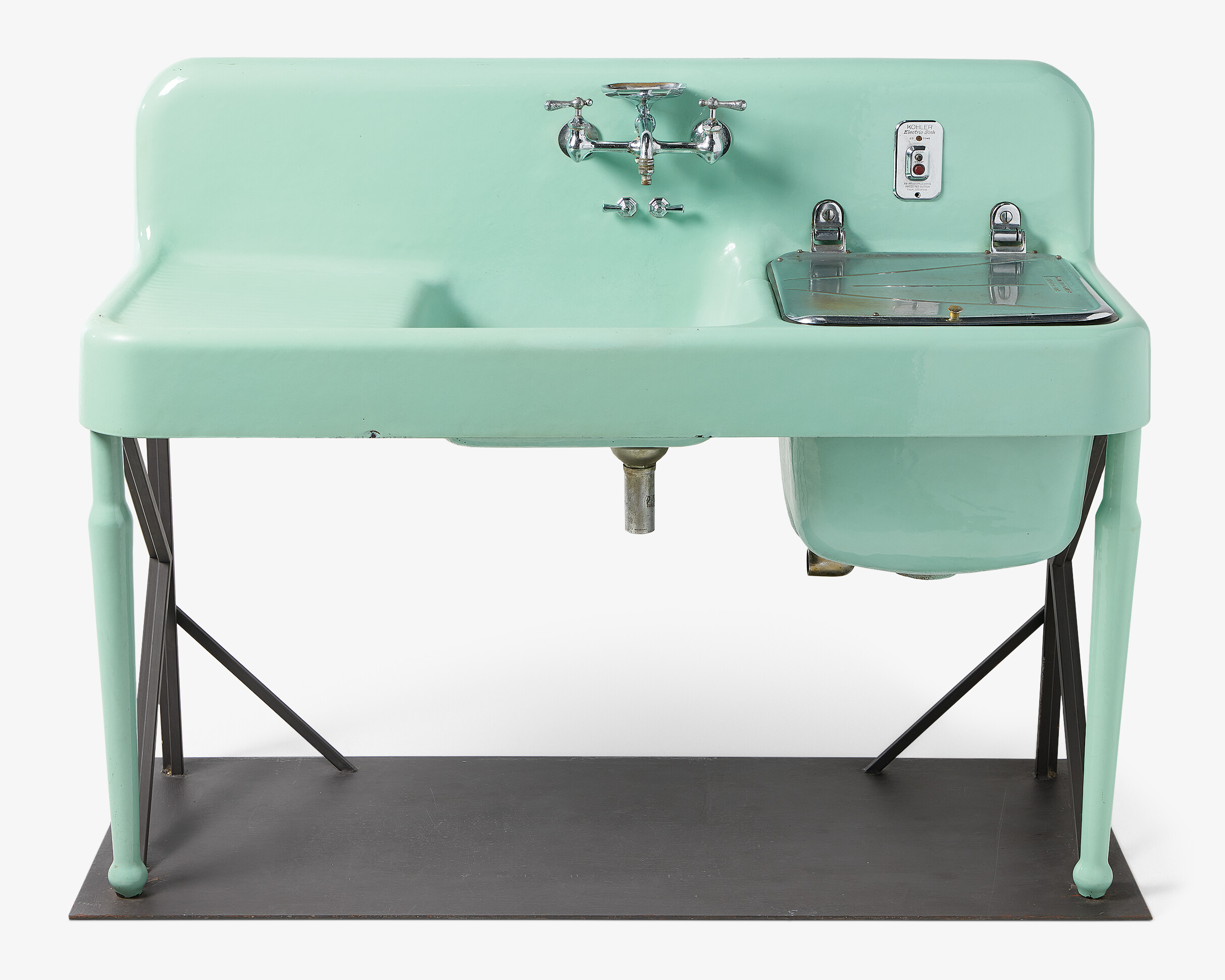
Data from the era supports the exhibition’s premise: between 1940 and 1960, the percentage of American households with refrigerators rose from approximately 44% to over 98%. This rapid adoption of technology was fueled by post-war economic growth and the aggressive marketing of appliances as essential markers of status and family stability. The exhibition’s curators emphasize that these objects—from the Magic Chef stove to the electric sink by Frank G. Brotz—were designed to enforce a specific mode of living. They were intended to streamline domestic labor, yet in many instances, they simply redefined the labor of the housewife, setting new standards for cleanliness and efficiency that were often impossible to meet.
Official Perspectives and Academic Context
The exhibition is supported by an extensive, 15-essay catalogue published by Del Monico, which provides the necessary historical framework for the artifacts on display. Experts in the field of architectural history have noted that the exhibition’s strength lies in its refusal to adopt a singular perspective. Instead, it allows for a dialogue between the "high design" of figures like Mies van der Rohe—represented by the rigorous, minimalist aesthetic of the Farnsworth House—and the "low design" or kitsch of everyday consumer items.
According to museum staff involved in the assembly of the exhibition, the goal was to showcase the inherent tension in the "domestic utopia." By placing a 1963 Eero Aarnio Ball Chair alongside a 1956 brochure for the Interstate Engineering Corporation, the exhibition highlights the contrast between the visionary, almost science-fiction aesthetic of the era and the mundane, commercial reality of selling household products to a mass audience. This juxtaposition invites visitors to consider the role of the designer in shaping societal expectations.
Broader Implications and Legacy
The implications of this exhibition extend far beyond the history of design. In an age characterized by rapid advancements in Artificial Intelligence and the looming crisis of climate change, the "Home of the Future" feels particularly resonant. The exhibition forces a confrontation with the failure of past utopias—when the promises of a frictionless, automated life were met with the harsh realities of environmental degradation and social inequality.
The "Radio Nursemaid" speaker, designed by Isamu Noguchi, serves as a poignant example of this. With its sleek, almost menacing helmet-like appearance, it anticipated the surveillance-heavy nature of modern smart-home devices. Similarly, the work of Lester Beall, who utilized graphic design to sell the concept of electrification to rural populations, reminds the modern viewer that the adoption of new technology is as much a political and psychological challenge as it is a technical one.
As the world grapples with the transition toward sustainable living and the ethical dilemmas posed by the integration of AI into the home, the lessons from the 1925–1985 period are critical. The exhibition suggests that our visions for the future are always reflections of our present anxieties. The "domestic utopia" of the 1950s was built on the assumption of infinite resources and a stable, unchanging nuclear family—assumptions that have since been dismantled.
Concluding Remarks
The exhibition, which runs through March 14, 2027, in the Resnick Pavilion, is a scholarly yet accessible contribution to the history of domestic life. By synthesizing aesthetics, technology, social history, and commerce, LACMA has created a space where the visitor can trace the rise and fall of a specific kind of American optimism. It is a cautionary tale of sorts, demonstrating that while humanity has succeeded in making the home a site of unparalleled technological convenience, the search for a perfect, static domestic utopia remains an elusive, and perhaps impossible, goal. Whether through the lens of the Cold War bunker or the suburban dream home, the exhibition underscores that the "future" is a shifting target, defined as much by our fears as by our inventions. For those interested in the trajectory of modern life, the exhibition offers a vital look at the objects that have defined the last century of human experience.