Back to School Art Supply Sales Offer Prime Opportunities for Creative Professionals and Students to Upgrade Their Toolkits

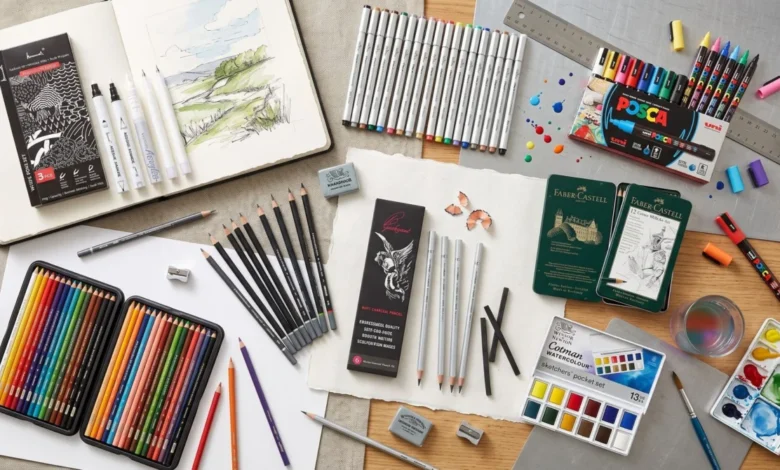
The transition into the new academic year serves as a significant economic catalyst within the retail art supply sector. As educational institutions reopen their doors globally, both established creative professionals and incoming students are engaging in a seasonal procurement cycle, driving increased demand for high-grade artistic instruments. Market data indicates that the "back-to-school" period is no longer restricted to traditional stationery; there has been a documented surge in the purchase of professional-grade media, including archival-quality watercolors, high-pigment oil paints, and precision drafting tools. Major retailers, including Amazon, have responded by initiating strategic price adjustments across premium brands such as Posca and Prismacolor, effectively positioning these professional tools at a more accessible price point for the demographic of emerging artists.
The Evolution of the Back-to-School Art Market
Historically, the art supply market during the autumn months was defined by basic classroom requirements: graphite pencils, construction paper, and standard tempera paints. However, the last decade has seen a dramatic shift in consumer behavior. With the rise of digital influence and the accessibility of online tutorials, younger consumers are increasingly bypassing "student-grade" materials in favor of "professional-grade" tools.
Industry analysts observe that this shift is largely driven by a heightened awareness of material quality. Students are increasingly seeking out lightfastness, pigment load, and paper weight—technical specifications that were previously the sole concern of gallery-represented artists. Retailers have adapted to this trend by bundling high-performance items, such as Japanese-manufactured paint markers and artist-grade colored pencils, into promotional packages designed to coincide with the academic calendar.
Chronology of Retail Trends in Creative Supplies
The retail cycle for art supplies follows a predictable pattern that has solidified over the past five years:
- Late July: Retailers begin inventory rebalancing, moving away from summer leisure products to academic and creative replenishment goods.
- Early August: The first wave of discounts hits e-commerce platforms. Data shows a 15–20% increase in search traffic for "professional markers" and "sketchbook bundles" during this window.
- Late August to Mid-September: Peak consumer spending. This period sees the highest volume of transactions for specialized tools, such as calligraphy nibs, alcohol-based markers, and professional-grade canvases.
- Late September: Post-peak stabilization. Retailers shift focus to inventory clearance and holiday-related marketing strategies.
Supporting Data and Consumer Behavior
According to recent retail reports, the craft and art supply industry is currently valued at approximately $50 billion globally, with the educational sector accounting for a substantial portion of this growth. The "Back to School" period contributes to a notable spike in Q3 revenue.
A survey of creative supply procurement reveals that approximately 62% of university-level art students prioritize "durability and reliability" over price, yet they remain highly sensitive to promotional offers. Brands like Posca have successfully leveraged this sentiment by positioning their markers as both functional tools for architectural rendering and essential instruments for fine arts. Similarly, the demand for Prismacolor’s wax-based pencils has remained consistent, with volume sales typically increasing by 25% during the September retail surge.
The Impact of Professional-Grade Tools on Educational Outcomes
The shift toward higher-quality materials has significant implications for art education. Educators have noted that when students use professional-grade supplies, their ability to understand color theory, blending techniques, and material interaction is substantially enhanced.
"The transition from student-grade to professional-grade tools is not merely a purchase; it is a pedagogical milestone," states Dr. Aris Thorne, an academic advisor in the fine arts department at a prominent design college. "When a student stops struggling with the limitations of inferior pigments or poor paper absorbency, their focus shifts toward the mastery of technique. The current market accessibility allows for this technical leap to happen much earlier in a student’s development."
Retailer Strategy: The Amazon Effect
The role of large-scale e-commerce platforms in this market cannot be overstated. By utilizing complex algorithmic pricing, platforms like Amazon ensure that supply meets the sudden, intense demand of the academic calendar. These platforms provide a centralized marketplace that offers competitive pricing through dynamic discounting.
The strategy is clear: by offering deep discounts on "entry-level professional" products, retailers are successfully capturing a lifelong customer base. Once a student becomes accustomed to the performance of a specific professional-grade brand during their formative years, brand loyalty is often established for the remainder of their career.
Broader Economic and Creative Implications
The current surge in art supply sales is indicative of a broader cultural movement. As the gig economy continues to expand, the definition of a "creative professional" has become more fluid. Many individuals who are not enrolled in traditional art programs are purchasing these supplies to facilitate "side-hustles" in digital illustration, freelance design, or craft-based businesses.
This democratization of professional tools has led to a noticeable increase in output quality across creative platforms. When high-quality markers, paints, and brushes are readily available and affordable, the barrier to entry for creative entrepreneurship is significantly lowered. Consequently, the art supply retail sector is not just supporting the education system; it is fueling a wider economic trend of micro-entrepreneurship within the creative industries.
Best Practices for Procurement
For students and professionals currently looking to capitalize on these seasonal deals, industry experts suggest a strategic approach to procurement:
- Assess Long-Term Needs: Before purchasing, evaluate the specific media required for upcoming coursework. Buying in sets is often more cost-effective than purchasing individual units.
- Verify Material Quality: Check for lightfastness ratings (often denoted as I or II on packaging) and pigment content. These factors determine the longevity of the artwork.
- Utilize Retailer Tools: Take advantage of price tracking websites that monitor fluctuations on major platforms to ensure the "sale" price is genuinely reflective of a discount.
- Prioritize Versatility: For those on a limited budget, invest in a core set of neutral colors and primary pigments that can be mixed to create a full spectrum, rather than purchasing overly specialized colors that may see limited use.
Conclusion
The current season provides a unique intersection of necessity and opportunity. As retail outlets continue to roll out aggressive pricing strategies for high-end art supplies, both the academic and hobbyist sectors are positioned to benefit. The availability of professional-grade equipment, coupled with a growing consumer demand for quality, underscores the vitality of the creative supply market. Whether one is a student embarking on a new semester or a seasoned artist looking to refresh their studio, the present economic environment offers a rare window to acquire high-performance tools that will define the quality of their work for years to come. As the academic cycle progresses, it will be essential for consumers to remain informed about these market dynamics, ensuring that their creative toolkits are not only well-stocked but also optimized for long-term professional development.
Related posts: