The silence that persists in the wake of significant life events is the thematic anchor of Where We Once Stood, the latest solo exhibition by Korean artist Sujin Lee, currently on view at Saatchi Yates in London. Through a collection of 15 new paintings, Lee interrogates the liminal space between an occurrence and one’s emotional response to it. Her work, which features solitary, enigmatic female figures, serves as a visual meditation on the nature of endurance, personal growth, and the lingering, often unspoken, residues of childhood experiences.
The exhibition, which runs until November 12, 2026, marks a significant moment for the Seoul-based artist, offering a cohesive look at her recent shift toward themes of psychological stillness and the internal negotiation of past trauma.
A Chronology of Artistic Evolution
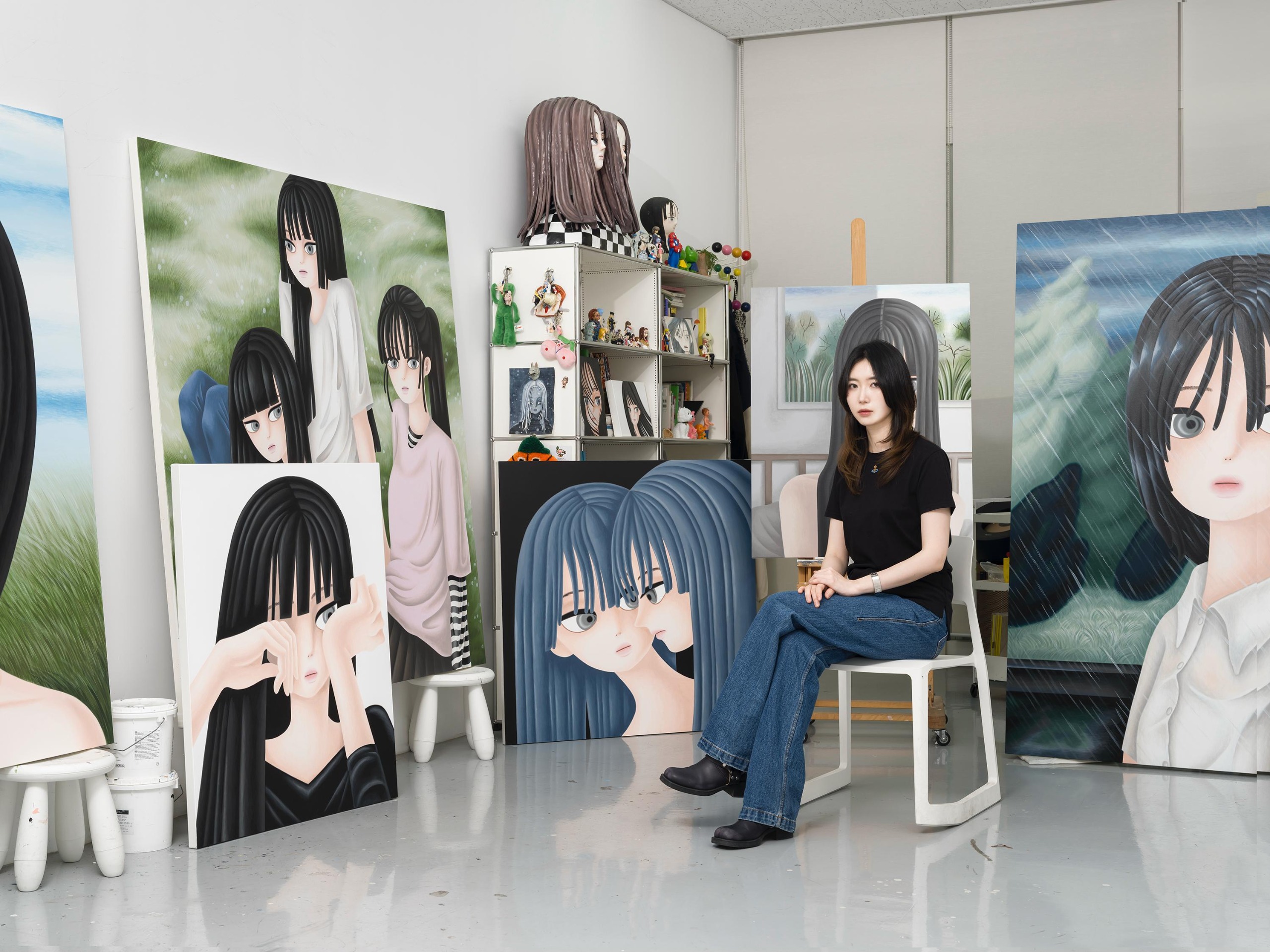
Sujin Lee’s journey into the arts began long before her professional debut. Born on Jeju Island, South Korea, a location often noted for its rugged landscapes and deep-rooted cultural history, Lee recalls an early and intuitive connection to the act of creation. She describes a childhood where the impulse to draw was not a conscious career choice but an inherent extension of her existence. This foundational period is essential to understanding the evolution of her current aesthetic, which oscillates between childhood innocence and the complexities of adult introspection.
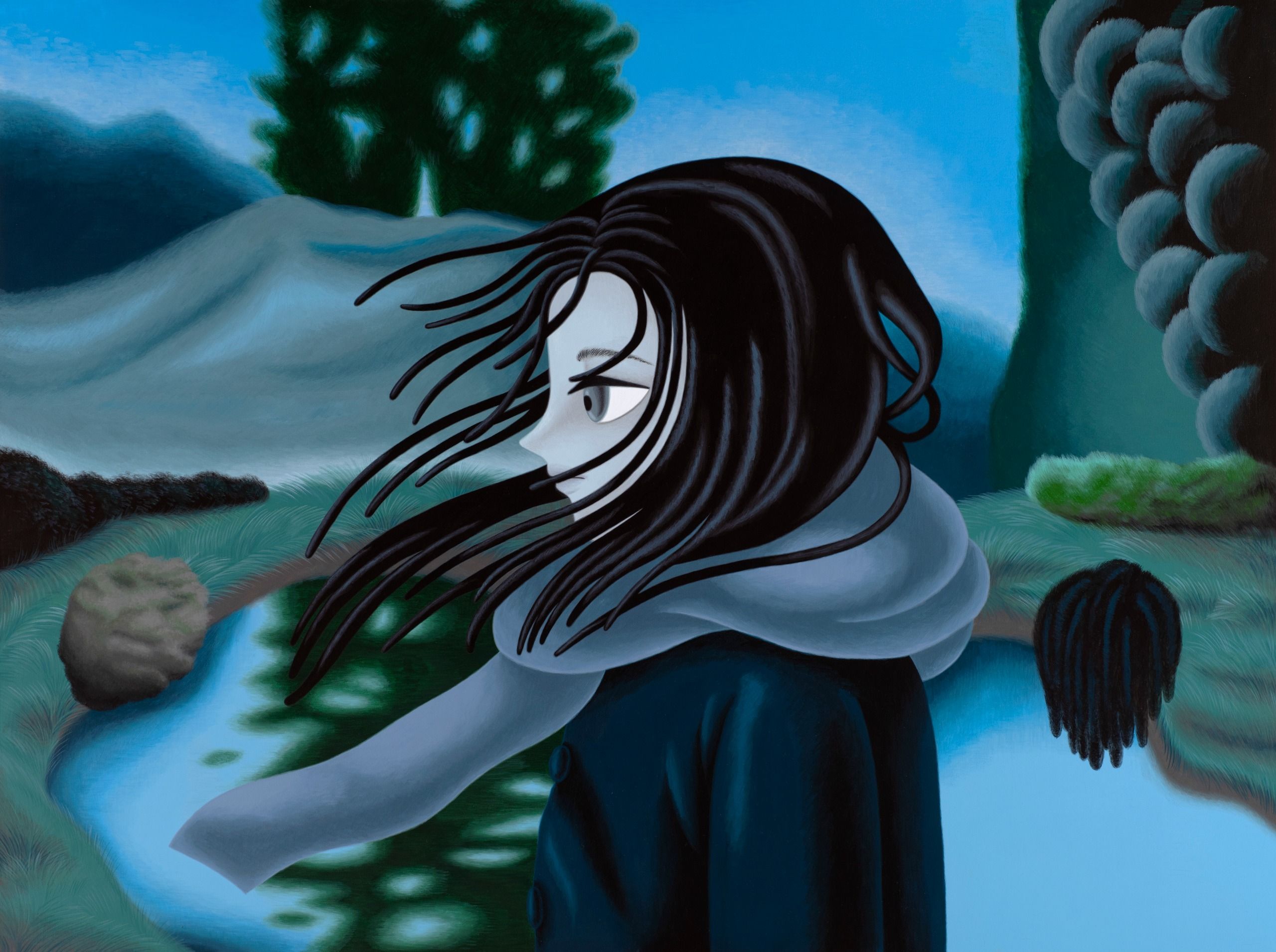
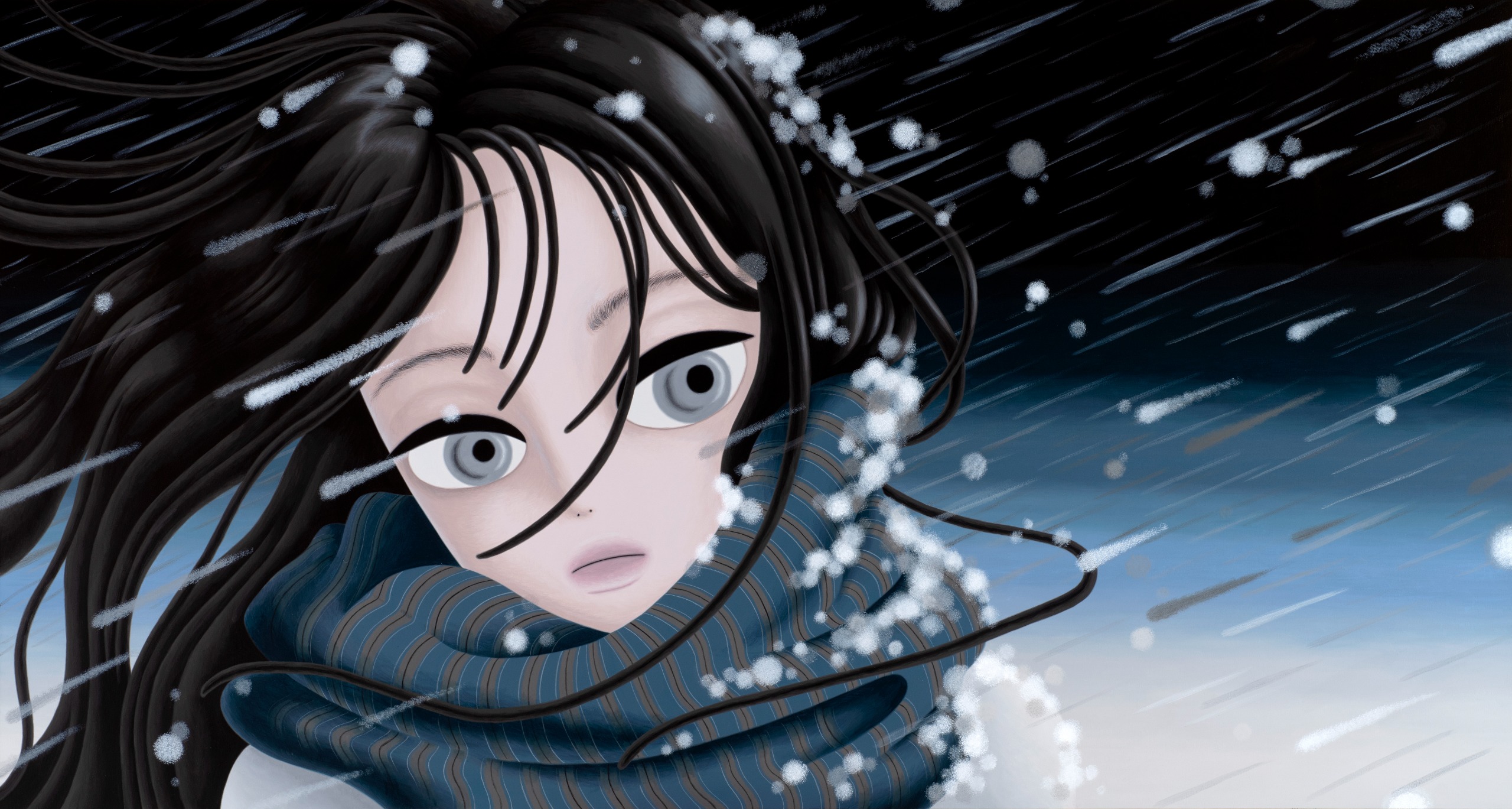
In the years leading up to the 2026 London exhibition, Lee’s practice underwent a distinct transformation. Earlier works focused on external landscapes and environmental interactions, but her recent output represents a deliberate narrowing of focus. By observing her own maturation and the shifting behaviors of those in her social circle, Lee began to incorporate the concept of the "internal child." Her figures, which often appear frozen in environments ranging from serene meadows to tumultuous snowstorms, are not merely portraits; they are archetypes of the confusion and resilience that persist well into adulthood.
The Anatomy of the Exhibition: Where We Once Stood
Saatchi Yates, known for its commitment to showcasing contemporary international talent, has curated this exhibition to highlight the spatial and emotional tension inherent in Lee’s work. The 15 paintings on display are characterized by a restrained color palette and a minimalist approach to composition, which forces the viewer to confront the isolation of the subject.
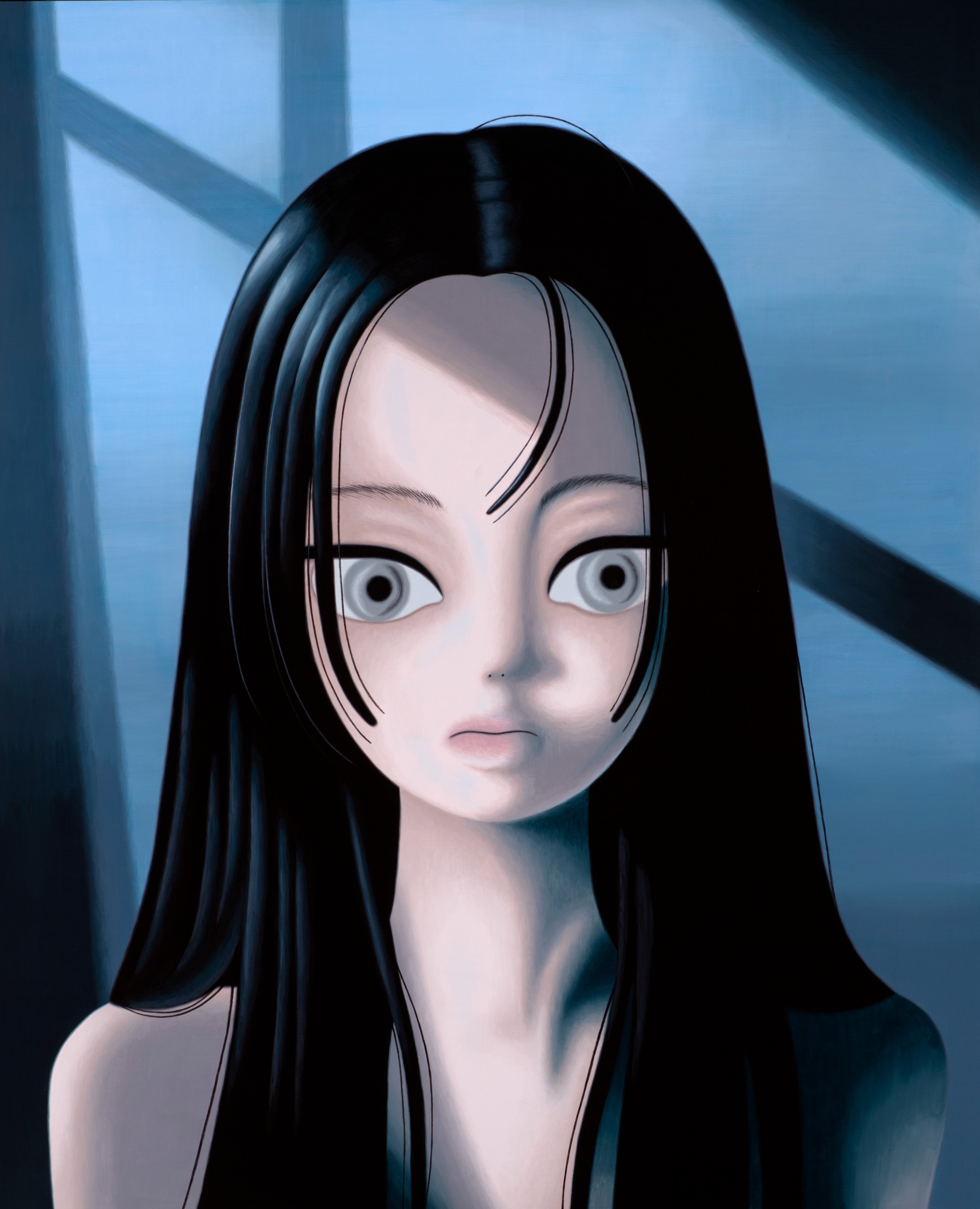
The title of the exhibition, Where We Once Stood, is indicative of the retrospective nature of the collection. It asks questions about the physical and metaphysical places we occupy during moments of transition. In pieces such as A Night of Snowstorm and Phantom, the figures are rendered with an ambiguity that prevents the viewer from easily identifying their narrative arc. This is intentional. Lee avoids narrative didacticism, preferring to let the "emptiness" of the figures’ expressions serve as a mirror for the viewer’s own unresolved emotions.
Supporting Context: The Psychology of Stillness
Art historians and critics have long noted the prevalence of "melancholic stillness" in contemporary Korean art, a trend that reflects the rapid socio-economic shifts in the country over the last several decades. Lee’s work fits into a broader discourse regarding the preservation of the self in an era of hyper-connectivity.
By focusing on solitude, Lee creates a counter-narrative to the fast-paced, high-pressure environment of urban centers like Seoul. Her process is intensely personal and inherently solitary. "I have learned to look into myself for answers in an attempt not to be led by others," Lee notes in recent discussions regarding her process. This philosophy of self-reliance is mirrored in the technical execution of her paintings, where the subject is often the only point of focus, detached from the social pressures that define traditional portraiture.
Analytical Perspectives on the Work
The technical execution of the works reveals a rigorous adherence to the "confrontational" nature of painting. Lee describes the act of painting as a mechanism for processing feelings that would otherwise become overwhelming. This perspective aligns with established art therapy frameworks, where the externalization of internal emotional states acts as a regulating agent.
"Feelings that have already passed, no matter how intense they once were, have passed," Lee explains. "But the things that remain inside me can stay for a very long time. I know that if I simply leave them untouched, they can overwhelm me. So I keep painting in order to face them rather than allow that to happen."
From an analytical standpoint, the recurring motif of the young girl in Lee’s work serves as a proxy for the artist’s own development. The lack of "growth" in the facial expressions of these figures, contrasted with the maturity of the themes addressed, suggests a commentary on the static nature of childhood trauma. It posits that while we may grow chronologically, the internal child remains a fixed point, necessitating constant, if quiet, attention.
Official Responses and Industry Impact
The reception of Where We Once Stood at Saatchi Yates has been largely positive, with collectors and critics alike praising the emotional resonance of the series. For a gallery like Saatchi Yates, which has a track record of identifying rising stars, the inclusion of Lee signifies a continued interest in artists who bridge the gap between regional identity and universal psychological themes.
While no official quantitative data on the exhibition’s foot traffic is currently available, the advance interest and the nature of the artist’s previous market performance suggest a strong engagement from the London art community. The exhibition’s closing date of November 12, 2026, provides a sufficient window for international observers to engage with the works, potentially cementing Lee’s reputation within the European contemporary art scene.
Broader Implications for Contemporary Portraiture
The broader implications of Lee’s work touch on the future of portraiture in an age dominated by digital imagery. While social media encourages the performance of identity, Lee’s work performs the absence of performance. Her subjects do not look at the viewer; they do not invite engagement; they do not demand validation.
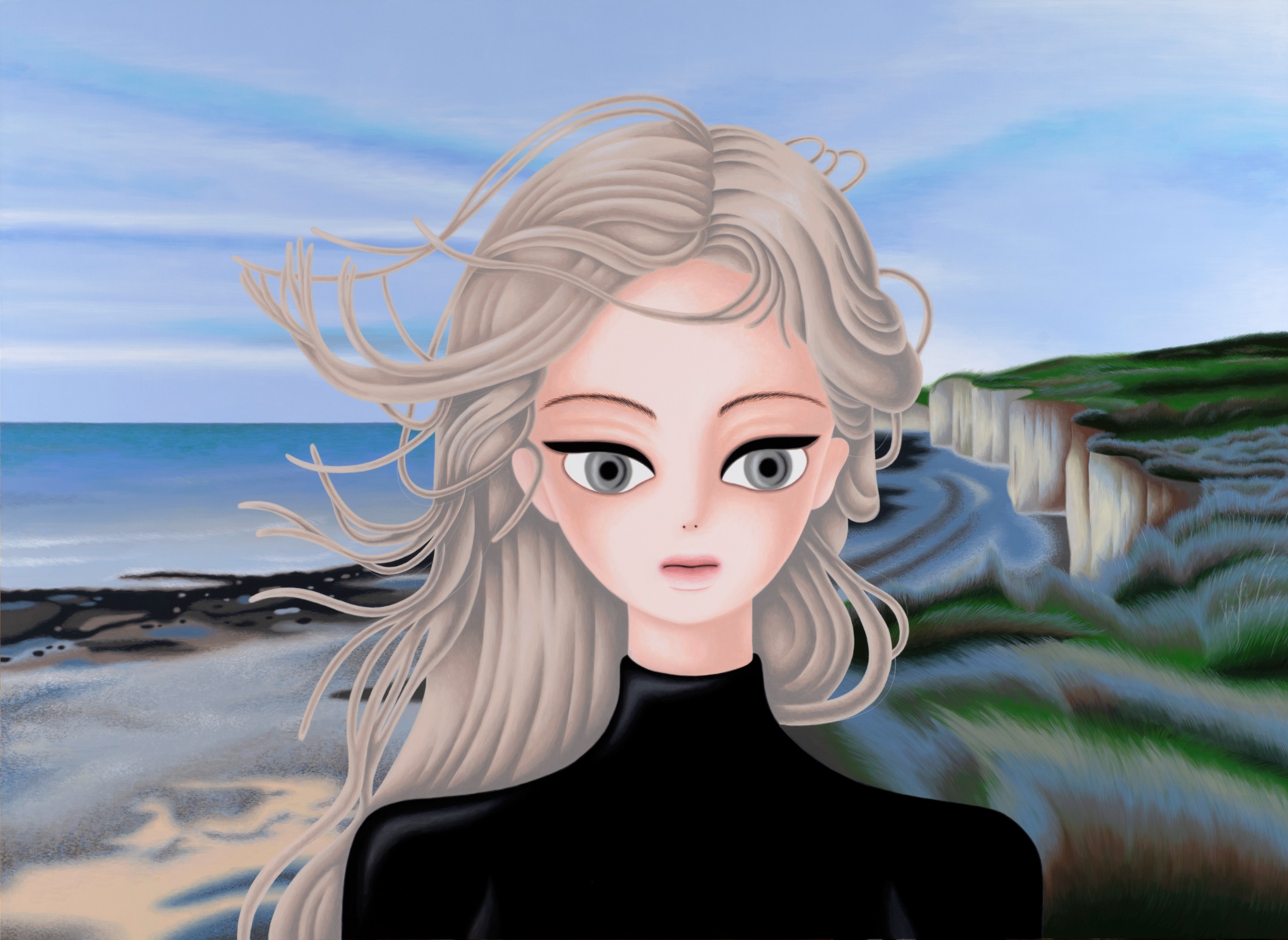
This rejection of the "gaze" is a powerful tool in contemporary art. It forces the audience to acknowledge the privacy of the subject. In the context of her broader body of work, Lee is effectively challenging the viewer to consider what it means to be "seen" versus what it means to "exist."
Furthermore, her focus on the "aftermath" of events—the quiet moments following a crisis—is particularly relevant in a global context marked by frequent socio-political upheaval. By prioritizing the internal landscape over the external event, Lee offers a blueprint for resilience that is centered on self-observation rather than external resolution.
Concluding Remarks
Sujin Lee’s exhibition at Saatchi Yates is more than a display of technical skill; it is an exploration of the enduring human capacity to hold space for the past. As she continues to refine her practice, the dialogue between her personal history on Jeju Island and her current life in Seoul will likely remain a central pillar of her work.
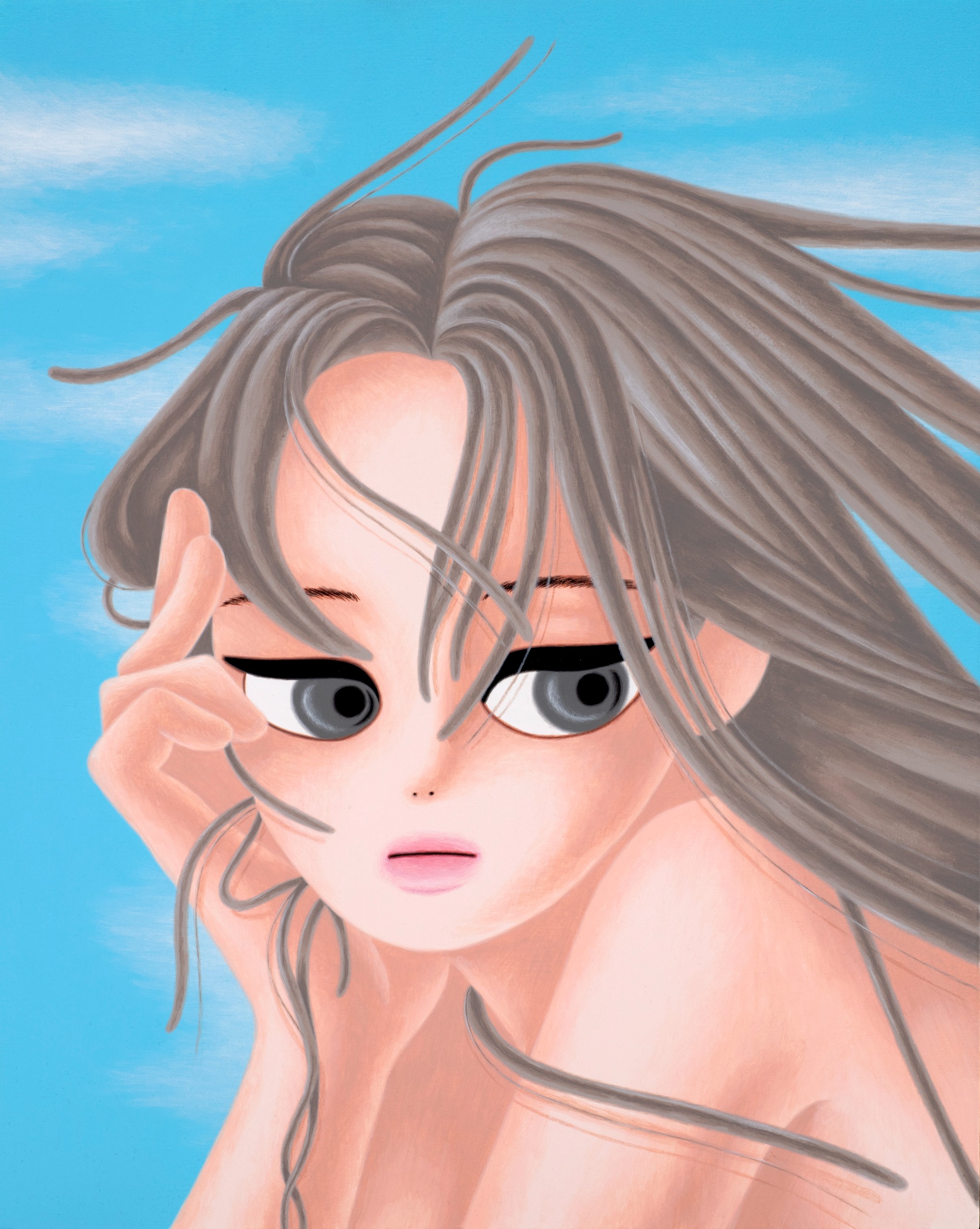
For those interested in the intersections of psychology and visual art, Where We Once Stood provides a profound look at how one artist has learned to "endure" the complexities of existence through the medium of paint. Whether these figures will continue to evolve or remain frozen in their current state of uncertainty remains to be seen, but for now, Lee’s work serves as a reminder that the act of confronting one’s inner world is, in itself, a form of progress.
The exhibition remains open to the public until November 12, 2026. For those seeking further information on the collection or to view the catalog of works, inquiries can be directed to the Saatchi Yates gallery website. As the art world continues to grapple with the shifting definitions of identity and memory, voices like that of Sujin Lee provide a necessary, quiet, and deeply reflective anchor.