Tesla confirms phase-out of Cybertruck production at Texas Gigafactory to accommodate autonomous vehicle manufacturing.

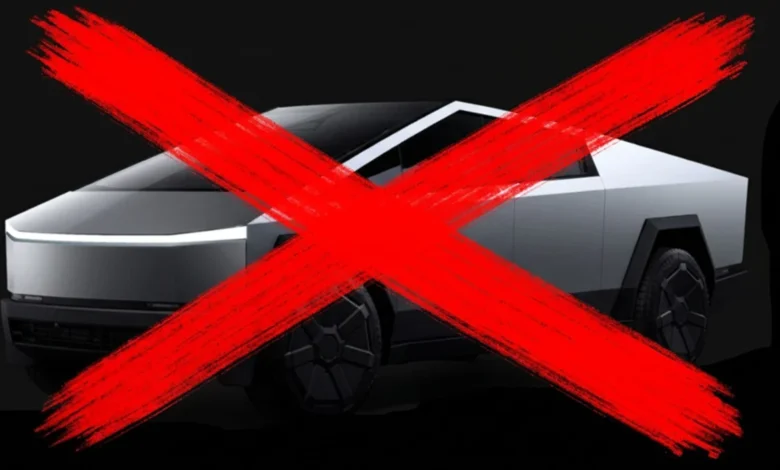
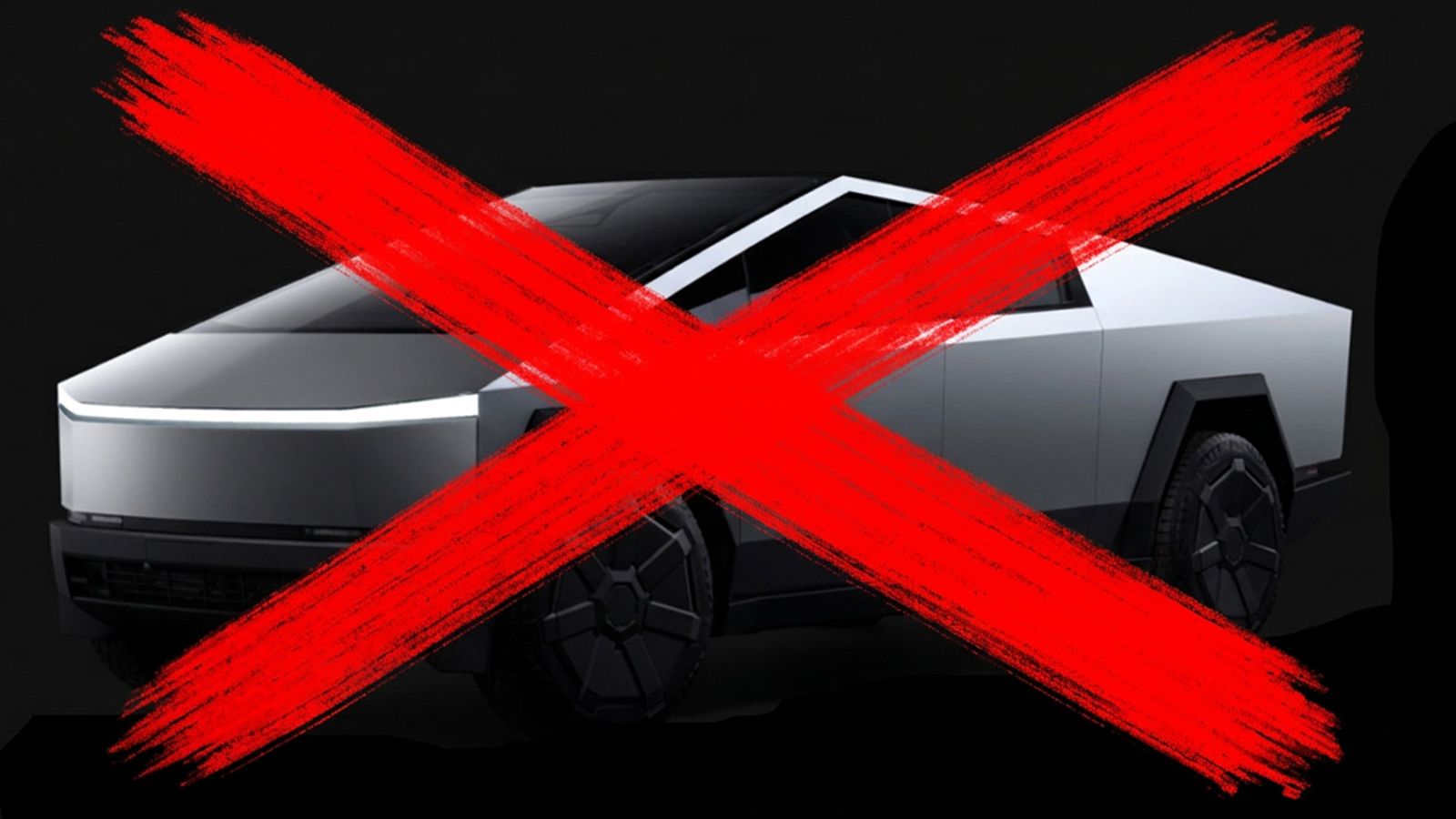
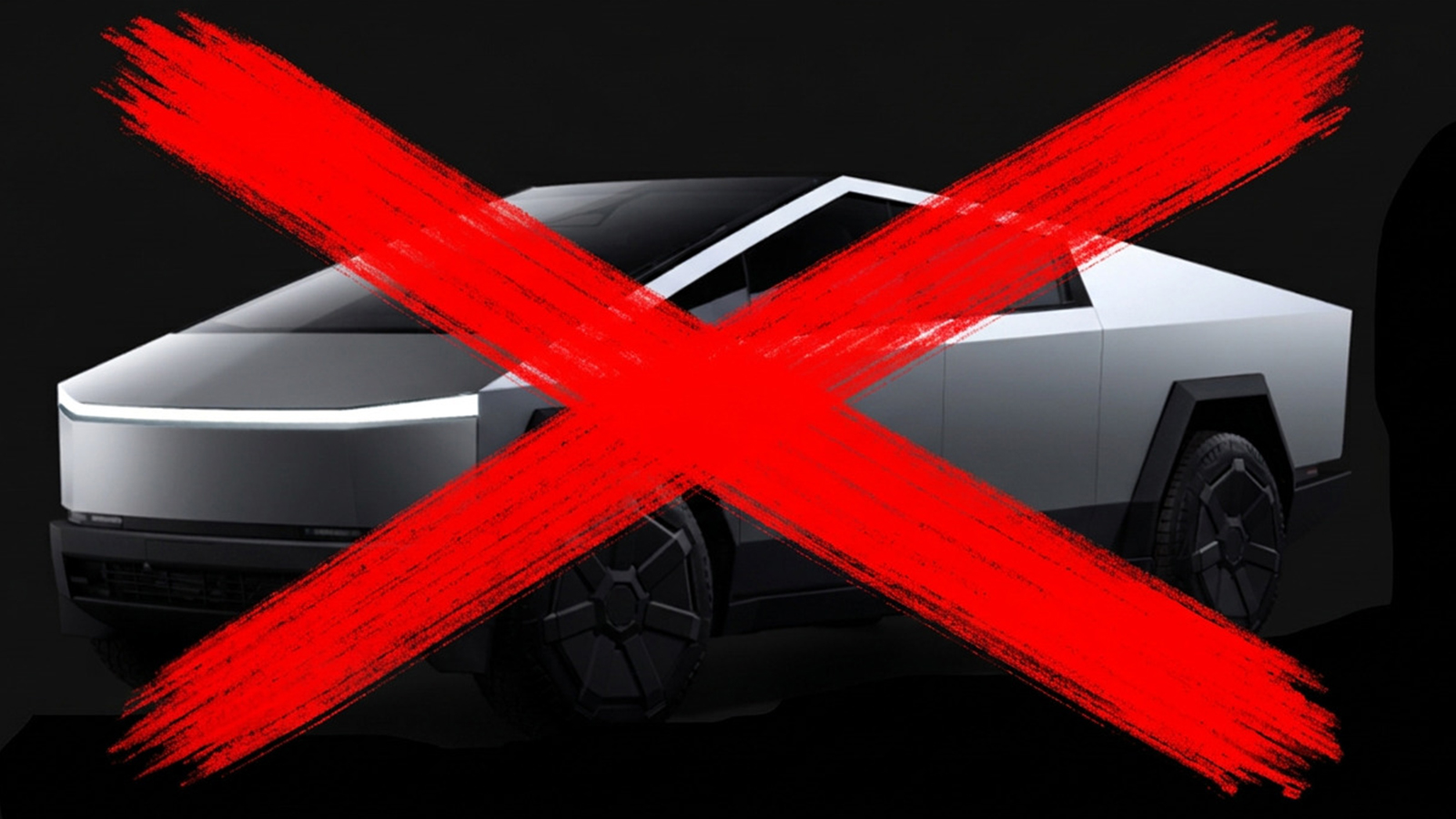
Tesla has officially signaled a strategic pivot in its manufacturing priorities, confirming that production of the Cybertruck at its Gigafactory Texas facility will be wound down by the middle of 2027. The decision, communicated by CEO Elon Musk, marks a significant transition for the automaker, which is reallocating its primary production capacity toward the assembly of the upcoming Cybercab robotaxi. This move effectively closes the chapter on one of the most polarizing and unconventional product launches in the history of the automotive industry.
A Chronology of the Cybertruck Era
The trajectory of the Cybertruck has been defined by extreme ambition, protracted delays, and a constant struggle between avant-garde design and industrial feasibility.
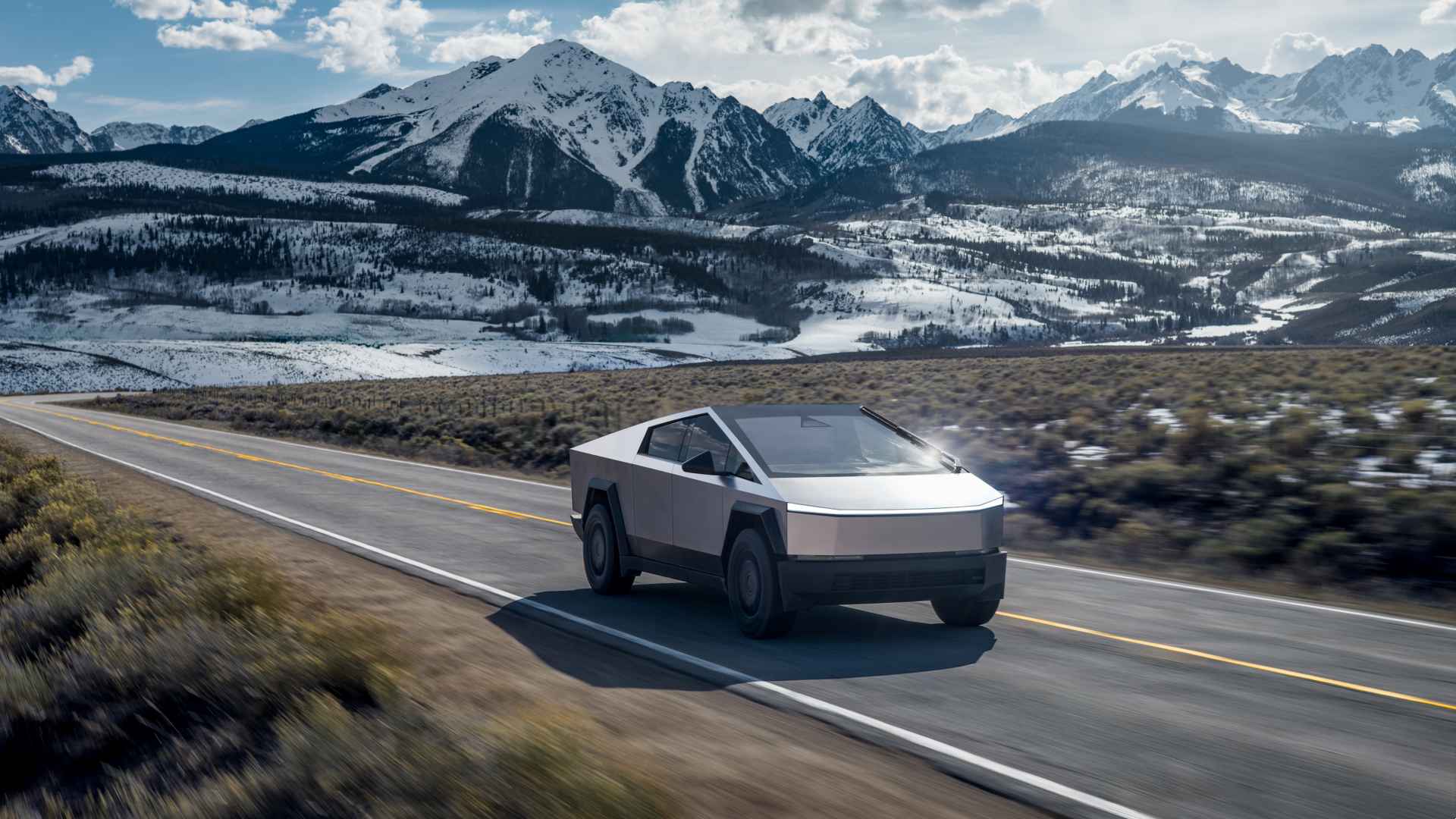
The vehicle was first unveiled in November 2019, where it was presented as a radical departure from the traditional pickup truck form factor. Characterized by its angular, "exoskeleton" stainless-steel body and minimalist aesthetic, the truck was marketed as a high-performance, durable alternative to established market leaders. However, the initial announcement was marred by a high-profile demonstration failure, during which the vehicle’s "Armor Glass" windows shattered upon impact from a steel ball.
Following the 2019 reveal, Tesla faced numerous production hurdles. Initially slated for release in 2021, the vehicle did not reach the first retail customers until late 2023. During this four-year interim, the company underwent multiple design revisions, technological adjustments, and pricing strategy shifts, moving from the initially advertised $39,900 base price to a significantly higher market entry point.
By 2025, the reality of mass production had begun to weigh heavily on the product’s performance. The company’s inability to scale production efficiently, coupled with reports of mechanical and build-quality issues, led to a notable stagnation in market penetration. Data from the 2025 fiscal year indicated that U.S. sales reached approximately 20,237 units, representing a 48% decline compared to the previous year—a sharp contrast to the aggressive targets of 250,000 annual units once projected by company leadership.
Industrial and Engineering Challenges
The Cybertruck’s design philosophy, while visually striking, introduced a unique set of engineering challenges that complicated its path to profitability. The use of cold-rolled stainless steel, while providing the vehicle’s distinctive look, required specialized manufacturing processes that differed significantly from the stamped-steel body panels used by the rest of the automotive industry.
Beyond the assembly line, the vehicle faced regulatory and safety scrutiny. The rigid, angular design of the body raised questions regarding pedestrian safety compliance in international markets, effectively limiting its distribution to North America. Furthermore, the vehicle’s reliance on complex software systems and unconventional hardware components—such as steer-by-wire technology and the single, massive windshield wiper—led to various recall campaigns and service bulletins.
These technical setbacks, combined with reports of premature rust, panel misalignment, and software-related malfunctions, created a narrative of a product that prioritized form over functional reliability. Industry analysts have pointed to these issues as primary contributors to the waning consumer interest, as the initial novelty of the design began to fade against the realities of daily vehicle ownership.
Pivot to Autonomous Transport
The decision to wind down production is intrinsically linked to Tesla’s shift in long-term corporate strategy. Under the direction of Elon Musk, the company has increasingly pivoted away from traditional electric vehicle (EV) manufacturing toward a business model centered on Artificial Intelligence, robotics, and, most notably, autonomous transport.
The Cybercab, a dedicated, two-seat robotaxi, represents the next phase of this strategy. Designed specifically for ride-hailing networks, the Cybercab removes the steering wheel and pedals entirely, aiming to leverage Tesla’s Full Self-Driving (FSD) software to eliminate the need for a human driver. By repurposing the Texas Gigafactory—currently the only facility capable of producing the Cybertruck’s specialized components—Tesla aims to achieve the economies of scale necessary to make the robotaxi fleet a viable commercial product.
This transition suggests that Tesla is moving away from the "halo car" approach, where a highly visible, experimental vehicle is used to generate brand awareness, toward a service-oriented model. The implications of this move are significant: it signals that the era of aggressive, design-led experimentation is being subsumed by the drive for standardized, autonomous transportation infrastructure.
Economic and Market Implications
The phasing out of the Cybertruck serves as a case study in the difficulties of disrupting the automotive market with high-concept design. While the vehicle succeeded in maintaining Tesla’s cultural relevance and sparked intense public debate, it struggled to achieve the market volume required to justify its development costs.
Investors and analysts have noted that the capital expenditures required to sustain the Cybertruck production line were substantial. By redirecting these resources into the Cybercab project, Tesla is attempting to address the growing demand for autonomous ride-sharing services, a market that many stakeholders believe holds higher long-term growth potential than the specialized electric truck segment.
However, the transition is not without risk. The autonomous vehicle industry remains heavily regulated, and the widespread deployment of robotaxis faces significant legal and public perception hurdles. By ending the production of a tangible, consumer-owned product in favor of a service-based autonomous platform, Tesla is betting heavily on the successful maturation of its AI capabilities within the next two years.
Conclusion
The conclusion of the Cybertruck program at the Texas Gigafactory marks a definitive end to a high-stakes design experiment. While the truck achieved a level of brand recognition few vehicles ever reach, it ultimately served as a challenging prototype for the company’s manufacturing capabilities. As Tesla prepares to dismantle the production infrastructure for its stainless-steel truck, the focus shifts toward the Cybercab and the broader, more complex challenge of perfecting autonomous, self-driving transit. Whether this pivot will prove to be a masterstroke of industrial foresight or a premature abandonment of a growing segment remains to be seen, but the move undoubtedly signals a new, more automated chapter for the company.