
How To See The Tulips In The Netherlands

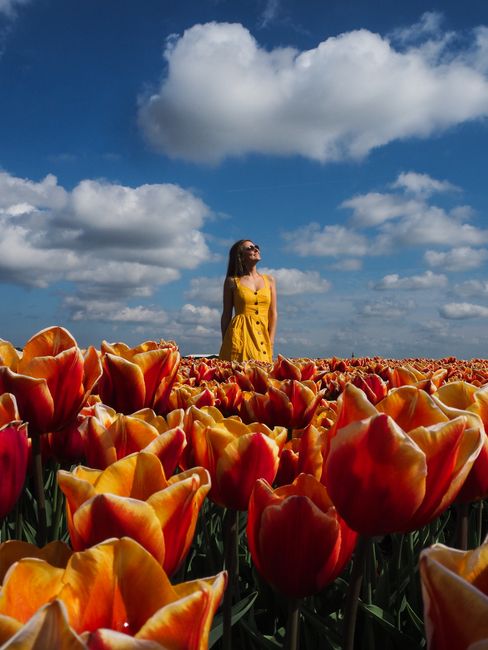
The Ultimate Guide to Experiencing Netherlands Tulip Season: Prime Viewing, Top Gardens, and Practical Tips
The Netherlands transforms into a breathtaking spectacle of vibrant color during its renowned tulip season, drawing millions of visitors annually. To make the most of this ephemeral bloom, understanding the optimal timing, key locations, and essential planning is paramount. The tulip season in the Netherlands typically spans from late March to mid-May, with peak bloom usually occurring between mid-April and early May. However, this window can shift slightly year by year depending on weather patterns. Early varieties often start blooming in late March, while later varieties continue to impress into the second week of May. For those seeking the most extensive and vibrant displays, aiming for the second half of April is generally the safest bet.
Keukenhof Gardens: The Crown Jewel of Tulip Displays
Undoubtedly, Keukenhof Gardens is the most famous and arguably the most spectacular destination for experiencing Dutch tulips. Dubbed the "Garden of Europe," Keukenhof is not a permanent park but a seasonal exhibition that opens its gates for just eight weeks each spring. Spread over 32 hectares, it showcases millions of bulbs, meticulously planted by more than 100 flower bulb growers. The park features themed gardens, historical displays, and over 7 million tulip bulbs, alongside other spring flowers like daffodils, hyacinths, and crocuses.
Getting to Keukenhof is straightforward, with dedicated "Tulip Express" buses operating from major cities like Amsterdam, Schiphol Airport, Haarlem, and Leiden. Booking tickets and transportation in advance is highly recommended, as Keukenhof is an immensely popular attraction and often sells out. Allow at least half a day, preferably a full day, to fully explore the vast grounds and appreciate the diverse arrangements. The park’s layout is designed for leisurely strolls, with winding paths leading through a kaleidoscope of colors. Beyond the sheer volume of tulips, Keukenhof offers inspiration for home gardeners with its innovative planting designs and demonstrations.
Beyond Keukenhof: Exploring the Bulb Fields
While Keukenhof provides a curated and breathtaking experience, the true essence of the Dutch tulip landscape lies in the vast, endless bulb fields that stretch across the countryside. These are commercial flower farms, and while visitors are generally welcome to admire them from the roadside, it is crucial to respect private property and avoid trespassing. The most concentrated areas of bulb fields are found in the provinces of North Holland and South Holland.
The Bollenstreek (Bulb Region), located between Haarlem and Leiden, is the most renowned area for these expansive fields. This region encompasses towns like Lisse, Hillegom, Sassenheim, and Noordwijkerhout. Driving or cycling through the Bollenstreek offers an immersive experience of the colorful patchwork quilt that characterizes the Dutch landscape in spring.
Another significant bulb-growing region is Polders of North Holland, particularly around the towns of Alkmaar, Schagen, and Anna Paulowna. These areas offer a slightly different, often more rural, perspective on tulip cultivation. The reclaimed land of the polders, with their flat terrain and intricate canal systems, provides a unique backdrop for the vibrant flower rows.
Experiencing the Fields: Practical Approaches
To truly experience the bulb fields, several methods are recommended:
-
Cycling: Renting a bicycle is an ideal way to explore the bulb fields at your own pace. Many towns in the Bollenstreek and North Holland offer bike rental services. Dedicated cycle paths often wind through or alongside the fields, providing safe and scenic routes. Consider longer cycling tours that link several towns and attractions. Many tourist information centers offer maps with suggested cycling routes specifically designed for flower viewing.
-
Driving: Driving allows for greater flexibility and the ability to cover more ground. However, parking can be challenging in popular areas, especially during peak season. Designated parking areas are often available near villages and at the entrance to Keukenhof. Be mindful of narrow country roads and other cyclists.
-
Guided Tours: For a hassle-free experience, consider joining a guided tour. Many companies offer bus tours from Amsterdam and other cities that include visits to Keukenhof and excursions into the bulb fields. Some tours also incorporate other Dutch highlights like windmills and charming villages. This option is particularly beneficial for those unfamiliar with the region or seeking detailed information from a knowledgeable guide.
The Best Time to Visit: A Detailed Look
The timing of your visit significantly impacts the quality of the tulip display. As mentioned, mid-April to early May is generally considered the peak for most tulip varieties. However, specific timings can vary:
-
Late March to Early April: This period is ideal for early-blooming varieties, including some tulips, hyacinths, and crocuses. The crowds might be slightly smaller, but the full splendor of the tulip season is yet to arrive. This is a good time for those who prefer a more tranquil experience and want to catch the very beginning of the bloom.
-
Mid-April to Early May: This is the prime time for the most iconic and extensive tulip displays. Keukenhof will be at its most vibrant, and the bulb fields will be a riot of color. Expect larger crowds and higher accommodation prices during this period. This is the quintessential experience for most visitors aiming for the classic Dutch tulip season.
-
Mid-May: While the peak tulip bloom might be waning, the latter half of May can still offer beautiful displays of late-blooming tulips and other spring flowers. The crowds tend to thin out considerably, offering a more relaxed atmosphere. This is a good option for those who can only travel later in the season or prefer a less crowded experience.
Beyond Tulips: Other Spring Attractions
While tulips are the main draw, the Netherlands offers other delightful spring attractions:
-
Hyacinths and Daffodils: These flowers often bloom alongside tulips, adding layers of fragrance and color to the landscape. Keukenhof dedicates significant space to showcasing these spring stars.
-
Windmills: The iconic Dutch windmills are a classic sight and are particularly picturesque against the backdrop of blooming fields. Consider visiting UNESCO World Heritage sites like Kinderdijk or the windmills of Zaanse Schans.
-
Charming Dutch Villages: Explore traditional Dutch villages like Volendam, Marken, and Edam, which offer a glimpse into historical Dutch life and culture. These villages are often adorned with spring flowers, enhancing their charm.
-
Coastal Areas: The Dutch coast, particularly the area around Noordwijk aan Zee, offers a beautiful contrast to the inland flower fields. You can combine a visit to the bulb fields with a stroll along the beach and enjoy the fresh sea air.
Planning Your Trip: Essential Tips
Effective planning is crucial for a seamless and enjoyable tulip experience:
-
Book Accommodation and Flights in Advance: The spring season is peak tourist time. Secure your flights and accommodation well in advance to avoid disappointment and potentially higher prices. Consider staying in towns near the bulb fields or opting for accommodation in Amsterdam and commuting.
-
Purchase Tickets Online: For Keukenhof and popular attractions, buying tickets online in advance is highly recommended. This saves time at the entrance and guarantees your entry.
-
Check Bloom Reports: As the season approaches, keep an eye on bloom reports from official sources like Keukenhof and local tourism websites. These reports provide up-to-date information on which flowers are blooming and where the best displays are located.
-
Pack Appropriately: Spring weather in the Netherlands can be unpredictable. Pack layers, including a waterproof jacket and comfortable walking shoes, as you’ll likely be doing a lot of walking or cycling.
-
Learn Basic Dutch Phrases (Optional but Appreciated): While English is widely spoken in tourist areas, knowing a few basic Dutch phrases can enhance your interactions with locals.
-
Consider Travel Insurance: It’s always wise to have travel insurance to cover any unforeseen circumstances.
Getting Around the Netherlands
The Netherlands boasts an excellent public transportation system, making it easy to navigate:
-
Trains: The Dutch railway network (NS) is efficient and connects most major cities and towns. This is a convenient way to travel between Amsterdam, Leiden, Haarlem, and other areas with significant bulb fields.
-
Buses: Local buses are available in towns and cities, and specialized "Tulip Express" buses operate during the season, connecting tourist hubs to Keukenhof and other attractions.
-
Car Rental: Renting a car offers flexibility, especially if you plan to explore less accessible areas or have a lot of luggage. However, parking can be an issue in popular spots.
-
Cycling: As mentioned, cycling is a quintessential Dutch experience and the best way to explore the bulb fields intimately.
Photography Tips for Tulip Season
The vibrant colors and expansive landscapes of the Netherlands during tulip season offer incredible photographic opportunities.
-
Golden Hour: Shoot during the early morning or late afternoon for the best light. The soft, warm light enhances the colors and creates beautiful shadows.
-
Focus on Details: Don’t just shoot wide landscapes. Get close to individual tulips to capture their intricate details and vibrant hues. Experiment with different angles and compositions.
-
Include Foreground Elements: Use elements like fences, paths, or even windmills in the foreground to add depth and context to your landscape shots.
-
Capture the Scale: To convey the vastness of the bulb fields, use a wide-angle lens and include a person or a building in the frame to provide a sense of scale.
-
Consider Time-Lapses: Time-lapse photography can effectively capture the subtle changes in light and wind as they move through the fields.
-
Be Respectful: Always be mindful of private property when photographing bulb fields. Avoid trampling flowers or entering fields without permission.
Sustainability and Respecting the Environment
As tourism to the tulip fields grows, it’s essential to be a responsible visitor.
-
Stay on Designated Paths: When visiting Keukenhof, adhere to the marked paths to protect the delicate flowerbeds.
-
Do Not Pick Flowers: The tulips in the fields are for commercial purposes. Picking them is illegal and damages the crops. Admire them with your eyes.
-
Dispose of Waste Properly: Take all your litter with you and dispose of it in designated bins.
-
Support Local Businesses: Purchase souvenirs and goods from local shops and enjoy meals at local restaurants to contribute to the local economy.
By following these guidelines, you can ensure a memorable and responsible experience of the Netherlands’ extraordinary tulip season. The combination of meticulous planning, understanding the optimal timing, and embracing the diverse ways to explore the country will unlock the full splendor of this world-renowned floral spectacle. From the curated perfection of Keukenhof to the vast, undulating canvases of color in the bulb fields, the Dutch tulip season is an unforgettable immersion in natural beauty and horticultural artistry.


