
Best National Parks Central America

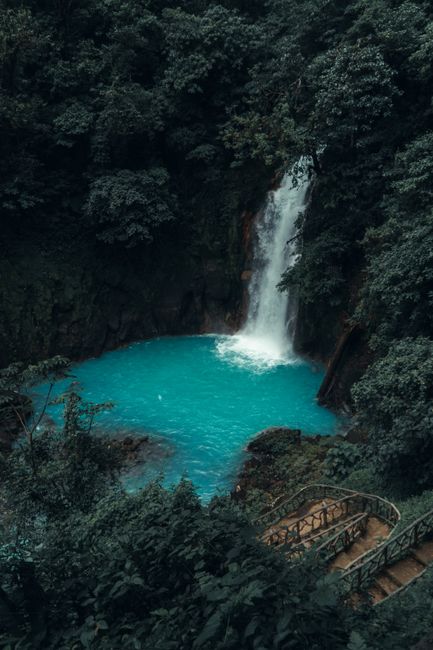
Unveiling Central America’s Premier National Parks: A Traveler’s Guide to Biodiversity Hotspots and Untamed Adventures
Central America, a vibrant tapestry of lush rainforests, volcanic landscapes, and pristine coastlines, is a haven for nature enthusiasts and adventure seekers. Its numerous national parks offer unparalleled opportunities to witness diverse ecosystems, encounter unique wildlife, and immerse oneself in the raw beauty of the natural world. This comprehensive guide delves into the best national parks Central America has to offer, highlighting their defining features, must-see attractions, and the experiences that make them truly unforgettable. From the cloud-kissed peaks of Costa Rica to the ancient Mayan ruins nestled within Guatemalan jungles, and the submerged wonders of Belize, these protected areas represent the pinnacle of ecological preservation and offer a gateway to an extraordinary natural heritage.
Corcovado National Park, Costa Rica: The Crown Jewel of Biodiversity
Often hailed as one of the most biodiverse places on Earth, Corcovado National Park on Costa Rica’s Osa Peninsula is a true wilderness experience. Its remote location and limited access have preserved its pristine rainforest, mangrove swamps, and pristine beaches. Visitors here are virtually guaranteed to encounter an astonishing array of wildlife. Four species of monkeys – howler, spider, capuchin, and squirrel – are commonly seen swinging through the canopy. Baird’s tapirs, the largest land mammal in Central America, can often be spotted foraging near water sources. Jaguars and pumas, while elusive, are resident in the park, and spotting them, though rare, is a life-altering event. Birdwatchers will be in paradise, with resplendent quetzals, scarlet macaws, and a myriad of other exotic avian species flitting through the dense foliage. The park’s coastline is a vital nesting ground for olive ridley, green, and hawksbill sea turtles, and guided night tours offer a chance to witness this incredible natural phenomenon. Hiking is the primary mode of exploration, with trails ranging from relatively flat coastal paths to more challenging jungle treks. Experienced guides are essential for navigating the dense terrain, spotting wildlife, and ensuring safety. The Sirena Ranger Station is a central hub, offering basic accommodations and serving as a starting point for many expeditions. Reaching Corcovado is an adventure in itself, typically involving a flight to Drake Bay or Puerto Jimenez, followed by a boat transfer or a rough drive. The effort is undeniably worth it for those seeking an authentic immersion in raw, untamed nature.
Manuel Antonio National Park, Costa Rica: Pacific Paradise and Accessible Wildlife
While Corcovado offers a wilder, more remote experience, Manuel Antonio National Park provides a more accessible yet equally stunning encounter with Costa Rica’s natural wonders. Situated on the Pacific coast, this park seamlessly blends lush rainforest with breathtaking white-sand beaches and crystal-clear turquoise waters. Its compact size makes it ideal for day trips and families, yet it teems with wildlife. Capuchin monkeys, with their intelligent eyes and playful antics, are ubiquitous, often approaching visitors with a curious demeanor. Sloths, both two-toed and three-toed, are another major draw, often found lazily hanging from branches, requiring keen eyes to spot. Iguanas, lizards, and a vibrant array of birdlife, including toucans and pelicans, are also readily visible. The park’s pristine beaches are perfect for swimming, sunbathing, and simply soaking in the spectacular scenery. Hiking trails wind through the rainforest, offering stunning viewpoints and opportunities for wildlife observation. The main trail is paved and easily navigable, leading to the park’s iconic beaches. Quepos, a bustling town nearby, serves as a gateway to the park and offers a wide range of accommodation and dining options. Despite its popularity, Manuel Antonio maintains its charm and offers a captivating introduction to Costa Rica’s renowned biodiversity. Early morning visits are recommended to avoid crowds and maximize wildlife viewing opportunities.
Volcán Pacaya National Park, Guatemala: A Fiery Spectacle and Volcanic Adventure
Guatemala’s Volcán Pacaya offers a unique and thrilling adventure for those seeking to witness the raw power of a living volcano. This active stratovolcano, located just south of Antigua, provides visitors with an accessible and unforgettable experience. The ascent to the summit, while requiring some physical exertion, is well worth the effort. As you climb, the landscape transforms, from lush vegetation to a stark, almost lunar terrain of volcanic rock and ash. The highlight of any visit is the opportunity to walk amongst steaming fumaroles, feel the heat emanating from the earth’s core, and, in some areas, roast marshmallows over hot spots – a truly unique culinary experience. Guided tours are mandatory for safety and provide valuable insights into the volcano’s geological history and current activity. While the lava flows are not consistently present, the sheer spectacle of the volcanic landscape, coupled with the potential for witnessing active fumaroles, makes Pacaya a must-visit. The surrounding area also offers opportunities for horseback riding, providing an alternative way to explore the volcanic slopes. The proximity to Antigua, a charming colonial city, makes Pacaya an easy and popular day trip, combining natural wonder with cultural exploration. The experience is a potent reminder of the Earth’s dynamic geological forces.
Tikal National Park, Guatemala: Ancient Mayan Metropolis Amidst a Lush Jungle
Tikal National Park is not only a UNESCO World Heritage site but also a captivating fusion of ancient history and natural splendor. This archaeological marvel was once one of the most powerful and populous cities of the Maya civilization, and its colossal temples and palaces now rise majestically from the heart of the dense Petén rainforest. Exploring Tikal is like stepping back in time. The iconic Temple I, also known as the Temple of the Great Jaguar, and Temple II, the Temple of the Masks, dominate the Great Plaza, their imposing structures a testament to the ingenuity of the Maya. Beyond the central complex, a network of causeways and smaller structures awaits discovery, each with its own story to tell. But Tikal is more than just ruins; it’s an ecosystem. Howler monkeys roar through the canopy, coatis forage on the forest floor, and a dazzling array of birdlife, including keel-billed toucans and ornamental turkeys, call this ancient city home. Sunrise and sunset tours are particularly magical, offering a chance to witness the ruins bathed in ethereal light and to hear the jungle awaken or settle into slumber. Guided tours are highly recommended to truly appreciate the historical significance of the site and to enhance wildlife spotting. The nearby town of Flores, a picturesque island settlement on Lake Petén Itzá, serves as a convenient base for visiting Tikal, offering a range of accommodations and amenities.
Monteverde Cloud Forest Biological Preserve, Costa Rica: A Realm of Mist and Mystique
The Monteverde Cloud Forest Biological Preserve, nestled in the Tilarán Mountains of Costa Rica, is a world-renowned destination for experiencing the magic of cloud forest ecosystems. Characterized by its perpetually misty atmosphere, this unique environment supports an incredible array of plant and animal life. The dense canopy, draped in mosses, ferns, and orchids, creates a verdant wonderland. Monteverde is most famous for its incredible avian diversity, particularly its role as a crucial habitat for the resplendent quetzal. Witnessing this magnificent bird with its iridescent plumage and long tail feathers is a truly unforgettable experience. Beyond the quetzal, the preserve is home to countless other bird species, as well as mammals like coatis, agoutis, and elusive pumas. The primary way to explore Monteverde is through its network of well-maintained trails, which wind through the enchanting forest. Suspension bridges, such as those at Selvatura Park or Sky Adventures, offer a unique perspective from the treetops, allowing visitors to walk amidst the canopy and gain a bird’s-eye view of the forest’s intricate layers. The town of Santa Elena, just outside the preserve, offers a charming base with a variety of lodging and dining options, reflecting the area’s eco-tourism focus. The cool, humid air and the constant presence of mist contribute to Monteverde’s ethereal and captivating atmosphere, making it a sanctuary for nature lovers.
Cahuita National Park, Costa Rica: Caribbean Charm and Coral Reefs
On Costa Rica’s Caribbean coast, Cahuita National Park protects a vital stretch of coastline, encompassing pristine beaches, lush coastal rainforest, and, most importantly, one of the country’s most extensive and healthy coral reef systems. This park offers a dual experience of terrestrial and marine exploration, making it a unique destination. The terrestrial trails meander along the coastline, offering opportunities to spot howler monkeys, white-faced capuchin monkeys, sloths, and a vibrant array of birdlife, including toucans and scarlet macaws. The real treasure of Cahuita, however, lies beneath the waves. The coral reef is a kaleidoscope of color and life, home to a diverse population of fish, sea turtles, lobsters, and other marine creatures. Snorkeling and diving here are exceptional, with calm waters and excellent visibility. Guided snorkeling tours are highly recommended to navigate the reef safely and to learn about the marine ecosystem from knowledgeable local guides. The park also boasts beautiful, uncrowded beaches, perfect for relaxation after a day of exploration. The nearby village of Cahuita, with its laid-back Caribbean vibe and Rasta culture, adds to the park’s charm, offering a variety of local eateries and accommodations. Cahuita offers a delightful blend of tropical beauty, vibrant marine life, and a relaxed coastal atmosphere.
Belize Barrier Reef Reserve System: An Underwater Wonderland
While not a single "national park" in the traditional sense, the Belize Barrier Reef Reserve System, a UNESCO World Heritage site, is an unparalleled collection of protected marine areas that collectively represent one of the most significant natural wonders in Central America. This vast and complex system, the second-largest barrier reef in the world, stretches for over 240 miles along the coast of Belize. It encompasses a breathtaking diversity of marine habitats, including fringing reefs, barrier reefs, atolls, mangrove forests, and seagrass beds. The sheer abundance and variety of marine life are astounding. Iconic species such as whale sharks, manta rays, reef sharks, sea turtles, dolphins, and countless species of reef fish call these waters home. World-renowned dive sites like the Great Blue Hole, Half Moon Caye Natural Monument, and Glover’s Reef Atoll offer unforgettable underwater experiences for divers and snorkelers of all levels. Beyond the underwater spectacle, the cayes (islands) within the reserve offer pristine beaches, opportunities for kayaking, paddleboarding, and birdwatching. The focus here is firmly on marine conservation, with strict regulations in place to protect this fragile ecosystem. Numerous tour operators and dive shops operate from Belizean coastal towns and islands, offering guided excursions and dive trips that highlight the reef’s incredible biodiversity and natural beauty. The Belize Barrier Reef is an absolute must for any marine enthusiast visiting Central America.
La Amistad International Park, Costa Rica and Panama: A Transboundary Biodiversity Haven
La Amistad International Park (PILA) represents a remarkable collaboration between Costa Rica and Panama, protecting a vast and incredibly diverse transboundary area. This UNESCO World Heritage site is a crucial biological corridor, linking different ecosystems and supporting a staggering array of flora and fauna. The park encompasses a wide range of altitudes, from tropical rainforests to high-altitude páramo, creating a mosaic of habitats that are home to an astonishing number of species. It is a vital refuge for numerous endangered and endemic species, including jaguars, pumas, Baird’s tapirs, and a vast diversity of birds, amphibians, and reptiles. The sheer scale and wildness of La Amistad make it a destination for serious nature enthusiasts and adventurers seeking remote and pristine wilderness. Hiking opportunities are extensive, with trails ranging from challenging multi-day treks to more accessible routes. The park’s remote nature means that guided expeditions are highly recommended for safety and to maximize wildlife viewing opportunities. Access to La Amistad is more challenging than some of its more developed counterparts, requiring a commitment to a more rugged adventure. The park’s significance lies not only in its biodiversity but also in its role as a testament to international cooperation in conservation.
Darién National Park, Panama: Untamed Wilderness and Indigenous Culture
Darién National Park, a UNESCO World Heritage site in Panama, represents one of the last truly wild and undeveloped areas in Central America. This vast expanse of primary rainforest, mangroves, and pristine coastline is characterized by its remoteness and rugged terrain. It is a crucial part of the Darién Gap, the only break in the Pan-American Highway, making it a formidable natural barrier. The park is renowned for its exceptional biodiversity, harboring an impressive array of wildlife, including jaguars, tapirs, monkeys, and a multitude of bird species, including the harpy eagle, Panama’s national bird. Darién is also home to indigenous communities, such as the Emberá and Wounaan people, who have lived in harmony with the rainforest for centuries. Visiting Darién offers a unique opportunity to experience true wilderness and to gain insight into indigenous cultures, though it requires careful planning and is often undertaken with organized tours due to the challenging terrain and safety considerations. Trekking through Darién is an expedition for the truly adventurous, offering unparalleled immersion in an untouched natural world. The park’s wild and untamed nature makes it a challenging but incredibly rewarding destination for those seeking an authentic frontier experience.
Conclusion: Central America’s national parks offer an unparalleled spectrum of natural wonders, from the teeming biodiversity of its rainforests to the dramatic landscapes of its volcanoes and the vibrant underwater worlds of its coral reefs. Each park presents a unique opportunity for adventure, education, and profound connection with the natural world. Planning a trip to these protected areas requires an appreciation for the environment and a willingness to embrace the wild. Whether you seek thrilling wildlife encounters, challenging hikes, or serene beach escapes, Central America’s national parks are waiting to be explored, promising unforgettable memories and a deeper understanding of our planet’s precious biodiversity.


