
Best Beaches In Honduras

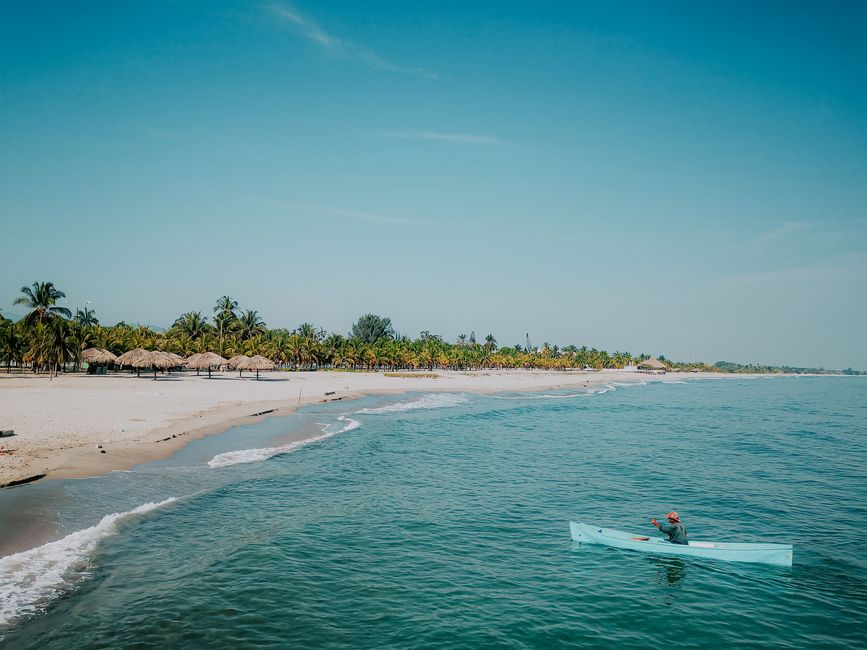
Honduras’ Premier Beach Destinations: A Traveler’s Guide to Sun, Sand, and Turquoise Waters
Honduras, a Central American gem, boasts a coastline fringed with some of the most breathtaking beaches in the Caribbean and Pacific. From the vibrant coral reefs of the Bay Islands to the secluded coves of the mainland, Honduras offers a diverse range of coastal experiences catering to every type of beach lover. This guide delves into the top beach destinations, providing essential information for travelers seeking sun-drenched shores, thrilling aquatic adventures, and unforgettable relaxation.
Utila: The Underwater Paradise and Budget Traveler’s Haven
Utila, the smallest and most western of the Bay Islands, is renowned worldwide as a premier destination for scuba diving and snorkeling. Its crystal-clear waters teem with vibrant marine life, including whale sharks, sea turtles, rays, and a kaleidoscope of tropical fish. The affordability of diving certifications and the abundance of budget-friendly accommodations make Utila a magnet for backpackers and diving enthusiasts. The island’s main settlement, Utila Town, is a laid-back hub where sandy streets are lined with dive shops, hostels, and local eateries.
Diving in Utila is an experience unlike any other. The famous "Black Hills" reef system offers dramatic drop-offs and an abundance of pelagic species. "The Wall" is another popular dive site, known for its impressive coral formations and resident moray eels. For snorkelers, the shallow reefs surrounding the island provide easily accessible underwater exploration. You can rent snorkel gear from numerous vendors and spend hours marveling at the underwater world just a few feet from shore. Beyond the underwater realm, Utila offers a charmingly unpretentious island atmosphere. Rent a scooter or a golf cart to explore the island’s interior, discover hidden coves, and enjoy stunning sunset views from various vantage points. The island’s nightlife is lively but relaxed, with beach bars offering refreshing cocktails and local music. Getting to Utila involves a ferry ride from La Ceiba on the mainland, a journey that itself offers scenic coastal views.
Roatán: The Jewel of the Bay Islands
Roatán, the largest of the Bay Islands, offers a more developed and resort-centric experience compared to Utila, while still retaining its natural beauty and incredible diving opportunities. The island is characterized by its pristine white-sand beaches, turquoise waters, and lush, green interior. West Bay Beach, located on the western tip of Roatán, is consistently ranked among the best beaches in the world. Its powdery sand, calm, shallow waters, and proximity to the Mesoamerican Barrier Reef make it ideal for swimming, sunbathing, and a variety of water sports.
Beyond West Bay, Roatán boasts numerous other exquisite beaches. Sandy Bay offers a more tranquil escape with excellent snorkeling right off the shore. Oak Ridge provides a glimpse into local island life with its stilt houses and mangrove channels, accessible via boat tours. For those seeking a truly secluded experience, Camp Bay Beach on the eastern end of the island offers miles of undeveloped coastline. Scuba diving and snorkeling are paramount on Roatán. The Mesoamerican Barrier Reef, the second-largest barrier reef system in the world, is easily accessible from the island. Numerous dive operators offer excursions to renowned sites like "Mary’s Place," known for its dramatic canyons and abundant marine life, and "Little French Key," a private island with exceptional snorkeling. Beyond water activities, Roatán offers a range of attractions, including ziplining through the rainforest canopy, visiting the Roatán Institute of Marine Sciences, and exploring local markets for artisanal crafts. The island is well-connected with an international airport, making it a convenient destination for international travelers.
Cayos Cochinos: Pristine Nature Reserve and Unspoiled Beauty
Cayos Cochinos, a small archipelago off the coast of La Ceiba, is a protected marine reserve and a pristine paradise for nature lovers and those seeking an escape from the crowds. Comprising two main islands, Cayo Mayor and Cayo Menor, and 13 smaller cays, this destination is characterized by its unspoiled natural beauty, vibrant coral reefs, and rich biodiversity. The waters surrounding Cayos Cochinos are exceptionally clear, offering unparalleled visibility for snorkeling and diving.
The primary attraction of Cayos Cochinos is its untouched marine ecosystem. The coral reefs here are some of the healthiest in the Caribbean, teeming with a diverse array of fish, including parrotfish, angelfish, and groupers, as well as sea turtles and rays. The "Bajo de la Luna" (Moon Shoal) is a particularly renowned dive site, known for its dramatic coral formations and abundance of marine life. Snorkeling is equally rewarding, with many shallow reefs accessible directly from the shore. The islands themselves are largely undeveloped, with a focus on eco-tourism. Visitors can hike through lush jungle trails, observe endemic species like the pink boa constrictor, and enjoy the serenity of secluded beaches. Accommodation options are limited and primarily consist of eco-lodges and small boutique hotels, emphasizing sustainability and a low-impact approach. Getting to Cayos Cochinos typically involves a boat trip from La Ceiba or Sambo Creek, offering a scenic journey across the Caribbean Sea.
Tela: The Caribbean Coast’s Undiscovered Gem
Tela, situated on Honduras’ northern Caribbean coast, is a vibrant and culturally rich city that also serves as a gateway to some of the country’s most beautiful and less-trafficked beaches. While not as internationally renowned as the Bay Islands, Tela offers a compelling blend of stunning coastline, lush natural landscapes, and authentic Honduran culture. The city’s beaches, such as Playa Lancetilla and Playa San Juan, are known for their soft sands, calm waters, and palm-fringed promenades.
A significant draw for Tela is its proximity to the Parque Nacional Pico Bonito. This vast national park encompasses diverse ecosystems, from coastal mangroves to cloud forests, and is home to an incredible array of wildlife. Guided tours can take visitors into the park for hiking, birdwatching, and exploring waterfalls. Within the park’s vicinity, you can discover hidden beaches and secluded coves, often accessible via boat or a short hike. The Garifuna community plays a significant role in the cultural tapestry of Tela. Visiting the nearby village of Miami or Triunfo de la Cruz offers an opportunity to learn about their unique traditions, music, and cuisine. Exploring the local markets in Tela provides a chance to interact with locals and sample delicious seafood dishes. For those seeking a more authentic and less commercialized beach experience, Tela and its surrounding areas present an enticing alternative to the more developed tourist hubs. Transportation to Tela is straightforward, with good road access from major Honduran cities.
Punta Sal: A National Park Paradise of Biodiversity and Beaches
Punta Sal National Park, also known as Parque Nacional Jeannette Kawas, is a breathtaking coastal sanctuary located near Tela, offering a captivating fusion of pristine beaches, diverse wildlife, and lush rainforest. This protected area is a haven for ecotourism, attracting visitors who seek both natural beauty and adventure. The park features a stunning coastline with secluded bays, golden sand beaches, and crystal-clear waters ideal for swimming and snorkeling.
The primary attractions of Punta Sal are its rich biodiversity and its relatively undeveloped natural state. Visitors can embark on boat tours through the park’s mangrove systems, spotting a variety of bird species, monkeys, and even crocodiles. Hiking trails wind through the rainforest, leading to hidden waterfalls and panoramic viewpoints. The beaches within Punta Sal, such as Playa Escondida, offer a sense of remoteness and tranquility. The clear waters are perfect for snorkeling, revealing vibrant coral formations and a multitude of tropical fish. The park’s marine life is protected, ensuring a healthy and thriving ecosystem. Accommodation options near Punta Sal are limited, emphasizing eco-lodges and rustic cabanas that blend harmoniously with the natural environment. Day trips from Tela are a popular way to experience the park, allowing visitors to explore its diverse attractions within a single day.
La Ceiba: Gateway to Adventure and Coastal Charm
La Ceiba, a bustling port city on the north coast of Honduras, is affectionately known as the "Honduran Caribbean" and serves as a vital hub for accessing many of the country’s premier beach destinations, including the Bay Islands and Cayos Cochinos. While La Ceiba itself boasts its own stretches of coastline, its true allure lies in its role as an adventure gateway, offering access to thrilling activities and its proximity to natural wonders. The city’s urban beaches provide a local flavor, with lively promenades and opportunities to enjoy fresh seafood at beachfront restaurants.
Beyond the city limits, La Ceiba is surrounded by stunning natural beauty. The aforementioned Parque Nacional Pico Bonito is easily accessible, offering opportunities for jungle trekking, waterfall exploration, and wildlife spotting. The Cangrejal River, flowing through the foothills of Pico Bonito, is a renowned spot for whitewater rafting and kayaking, providing an adrenaline-pumping experience amidst breathtaking scenery. For beach enthusiasts who wish to stay closer to the city, the nearby beaches offer a more relaxed atmosphere. Playa Las Chachas, a short drive from La Ceiba, is known for its beautiful scenery and tranquil waters. The city’s vibrant atmosphere, coupled with its strategic location, makes it an ideal starting point for exploring the diverse coastal and adventure offerings of Honduras. La Ceiba is well-connected by air and road, making it a convenient entry point for many travelers.
Omoa: A Pacific Coast Gem with Historical Significance
While the Caribbean coast is often the primary focus for beachgoers in Honduras, the Pacific coast offers its own unique charm, with Omoa standing out as a noteworthy destination. Located in the department of Cortés, Omoa boasts a distinct landscape with darker volcanic sands and a different marine ecosystem. The town is historically significant, featuring the well-preserved Castillo de San Fernando de Omoa, a Spanish colonial fortress that adds a layer of cultural exploration to any visit.
The beaches around Omoa, such as Playa Omoa and Playa Caballitos, offer a more tranquil and less crowded experience compared to some of the more popular Caribbean destinations. The waters can be more dynamic here, with waves that may appeal to those interested in surfing or bodyboarding. Snorkeling and diving opportunities are present, though they differ in marine life from the Caribbean. Exploring the local fishing villages and enjoying fresh seafood directly from the source are integral parts of the Omoa experience. The historical significance of the fortress provides a fascinating counterpoint to the natural beauty of the coastline, offering visitors a blend of history, culture, and relaxation. Omoa is accessible by road from major cities in western Honduras.
The Allure of Honduras’ Beaches: Beyond Sun and Sand
Honduras’ beaches offer far more than just opportunities for sunbathing and swimming. They are gateways to adventure, cultural immersion, and unparalleled natural beauty. Whether you’re a seasoned diver exploring the vibrant depths of the Mesoamerican Barrier Reef, a nature enthusiast seeking the untouched tranquility of a marine reserve, or a traveler yearning for an authentic cultural experience coupled with beautiful coastlines, Honduras delivers. The diversity of its coastal offerings, from the bustling dive scene of Utila to the pristine shores of Cayos Cochinos and the historical charm of Omoa, ensures that every traveler can find their perfect slice of paradise. The ease of access to these destinations, combined with the warmth of the Honduran people, solidifies the country’s position as a top-tier beach destination in Central America. From the adrenaline-pumping activities in La Ceiba to the serene escapes of Tela and the underwater wonders of Roatán, Honduras’ beaches promise an unforgettable vacation experience.


