
Best Places To Visit In Germany

Germany’s Top Destinations: A Comprehensive Guide to Unforgettable Experiences
Germany, a nation steeped in history and brimming with diverse landscapes, offers an unparalleled travel experience for every kind of explorer. From the fairytale castles of Bavaria to the vibrant cultural hubs of Berlin and Hamburg, and the picturesque vineyards of the Rhine Valley, Germany promises a journey filled with awe-inspiring sights, rich traditions, and unforgettable memories. This guide delves into the premier destinations, providing insights into what makes each location a must-visit, with practical advice for maximizing your adventure.
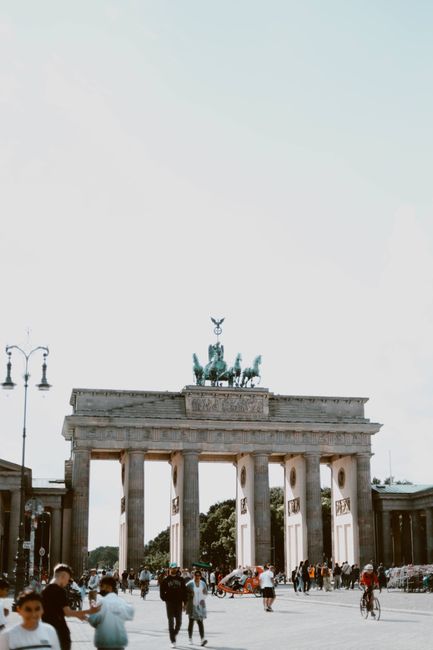
Berlin, the pulsating heart of Germany, stands as a testament to resilience and artistic expression. Its history is palpable, with remnants of the Berlin Wall serving as stark reminders of its divided past. The East Side Gallery, an open-air gallery on a surviving section of the wall, features vibrant murals by artists from around the globe, transforming a symbol of oppression into a canvas of hope. Beyond its historical significance, Berlin is a global center for art, music, and fashion. The Museum Island, a UNESCO World Heritage site, houses five world-renowned museums, including the Pergamon Museum, showcasing ancient wonders, and the Neues Museum, home to the iconic bust of Nefertiti. For contemporary art enthusiasts, the Hamburger Bahnhof – Museum für Gegenwart showcases modern and contemporary masterpieces. The city’s nightlife is legendary, with an eclectic mix of underground clubs, chic cocktail bars, and traditional beer gardens offering something for every taste. Explore the diverse neighborhoods, each with its unique character, from the bohemian Prenzlauer Berg to the trendy Kreuzberg. Don’t miss a stroll through the Brandenburg Gate, a neoclassical monument that has witnessed centuries of German history, or a visit to the Reichstag Building, the seat of the German Parliament, offering panoramic city views from its dome. The culinary scene is equally diverse, with everything from Michelin-starred restaurants to humble yet delicious street food vendors. Indulge in traditional German fare like currywurst and schnitzel, or explore the international gastronomic offerings. Getting around Berlin is effortless thanks to its extensive public transportation system, comprising U-Bahn (subway), S-Bahn (urban rail), trams, and buses.
Munich, the capital of Bavaria, exudes a charming blend of tradition and modernity. Renowned for its lively beer gardens, picturesque architecture, and proximity to the majestic Alps, Munich offers a quintessential Bavarian experience. The Marienplatz, the city’s central square, is dominated by the Neues Rathaus (New Town Hall), a neo-Gothic masterpiece whose Glockenspiel chimes and displays its animated figures daily. The Frauenkirche, with its distinctive twin onion domes, is another iconic landmark offering breathtaking views from its towers. For art lovers, the Alte Pinakothek, Neue Pinakothek, and Pinakothek der Moderne form the "Kunstareal," a cluster of world-class art museums housing masterpieces spanning centuries. Nature enthusiasts will appreciate the English Garden, one of the largest urban parks in the world, offering a serene escape with its rolling hills, tranquil streams, and even a surfable wave on the Eisbach. The beer culture is central to Munich’s identity. The Hofbräuhaus, a historic beer hall, is a must-visit for its lively atmosphere and traditional Bavarian music. For a more refined experience, explore the numerous other beer gardens and breweries scattered throughout the city. Beyond the city limits, day trips to Neuschwanstein Castle, the inspiration for Disney’s Sleeping Beauty castle, and the picturesque town of Garmisch-Partenkirchen, at the foot of Germany’s highest peak, Zugspitze, are highly recommended. Munich is easily accessible and well-connected by public transport, with an efficient network of U-Bahn, S-Bahn, trams, and buses.
Hamburg, Germany’s second-largest city, is a bustling port metropolis renowned for its maritime charm and vibrant cultural scene. Situated on the Elbe River, it boasts the largest harbor in Germany and the third-busiest in Europe, offering a dynamic waterfront experience. The Speicherstadt, a UNESCO World Heritage site, is a magnificent district of red-brick warehouses built on oak piles, now housing museums, cafes, and trendy offices. The Elbphilharmonie, a stunning modern concert hall with a striking glass facade, has become an architectural icon and a premier venue for world-class musical performances. The Miniatur Wunderland, the world’s largest model railway, is a captivating attraction for all ages, showcasing intricate miniature worlds. Explore the vibrant St. Pauli district, known for its Reeperbahn, a lively entertainment street with theaters, clubs, and restaurants, as well as its rich musical history. For a taste of the city’s green side, visit Planten un Blomen, a beautiful park featuring botanical gardens, water features, and playgrounds. The fish market on Sundays is a quintessential Hamburg experience, offering fresh seafood, local delicacies, and a lively atmosphere. Boat tours along the Elbe and the Speicherstadt canals provide a unique perspective of the city’s impressive architecture and maritime activities. Hamburg is well-connected by public transport, including an extensive subway system (U-Bahn), suburban trains (S-Bahn), buses, and ferries.
The Rhine Valley, a UNESCO World Heritage site, is a region of breathtaking natural beauty, dotted with medieval castles, charming vineyards, and picturesque towns. This picturesque stretch of the Rhine River, flowing between Bingen and Koblenz, is famed for its dramatic cliffs, terraced vineyards, and romantic ambiance. The Lorelei Rock, a legendary siren’s rock, is a prominent landmark steeped in folklore. Numerous castles, such as Marksburg Castle, Rheinfels Castle, and Burg Eltz, stand sentinel over the valley, offering glimpses into centuries of history and strategic importance. Wine enthusiasts will delight in exploring the region’s renowned wineries, particularly those producing Riesling. Wine tasting tours and vineyard walks are a popular way to experience the local viticulture and enjoy the stunning scenery. Charming towns like Rüdesheim am Rhein, with its Drosselgasse, a narrow lane filled with wine taverns, and Bacharach, a medieval gem with well-preserved half-timbered houses, offer delightful exploration. River cruises are a quintessential way to experience the Rhine Valley, allowing visitors to relax and admire the ever-changing landscapes, historic sites, and verdant vineyards. For those seeking a more active adventure, cycling routes along the riverbanks and hiking trails through the vineyards provide an immersive experience. Traveling through the Rhine Valley is best done by train or by car, with regular ferry services connecting towns and attractions.
Cologne (Köln), situated on the Rhine River, is a city celebrated for its magnificent Gothic cathedral and its lively, friendly atmosphere. The Cologne Cathedral (Kölner Dom) is an awe-inspiring masterpiece of Gothic architecture, a UNESCO World Heritage site, and one of Germany’s most visited landmarks. Its towering spires and intricate details are a testament to centuries of craftsmanship. The Old Town (Altstadt) is a charming labyrinth of narrow cobblestone streets, traditional pubs, and picturesque squares, perfect for leisurely exploration. The Hohenzollern Bridge, adorned with thousands of love locks, offers iconic views of the cathedral and the Rhine. Cologne’s museums cater to diverse interests, from the Roman-Germanic Museum, showcasing ancient artifacts, to the Museum Ludwig, featuring 20th-century art. The Eau de Cologne, originating from this city, is a significant part of its heritage, and visiting a perfumery to learn about its history is a unique experience. Cologne’s carnival, held annually before Lent, is one of the largest and most spirited in Europe, transforming the city into a hub of parades, costumes, and joyous celebrations. The city’s beer culture is also prominent, with Kölsch, a light, crisp lager, being the local specialty served in traditional brauereien. Public transport in Cologne is efficient, with a comprehensive network of trams (Stadtbahn) and buses.
Dresden, the capital of Saxony, is a city reborn from the ashes of World War II, often referred to as "Florence on the Elbe" for its Baroque architecture and artistic treasures. The Zwinger Palace, a magnificent Baroque complex, houses world-class art collections, including the Old Masters Picture Gallery, home to Raphael’s "Sistine Madonna." The Frauenkirche, a majestic Protestant church, was meticulously reconstructed after its destruction and stands as a symbol of peace and reconciliation. The Semperoper, an opulent opera house, is renowned for its architectural grandeur and its esteemed musical performances. Strolling along the Brühl’s Terrace, a promenade overlooking the Elbe, offers panoramic views of the river and the city’s impressive skyline. The city’s artistic heritage extends to its numerous theaters and galleries, contributing to its vibrant cultural scene. Dresden’s proximity to the Ore Mountains allows for excursions to charming towns like Meißen, famous for its porcelain, and Saxon Switzerland National Park, with its dramatic sandstone formations. The city is well-served by public transportation, including trams and buses.
Heidelberg, a quintessential German university town, captivates visitors with its romantic castle ruins, picturesque Old Town, and scenic setting on the Neckar River. Heidelberg Castle, perched high above the city, offers breathtaking views and a glimpse into centuries of history, with its impressive Renaissance architecture and its giant wine barrel. The Old Bridge (Alte Brücke), a stone bridge spanning the Neckar, provides iconic vistas of the castle and the surrounding hills. The Old Town, with its narrow, winding streets and historic buildings, is a delight to explore on foot. The Philosopher’s Walk, a scenic path across the Neckar, offers the most celebrated views of the castle and the city. Heidelberg University, Germany’s oldest university, lends a youthful and vibrant energy to the city. For a more active experience, hiking in the nearby Königstuhl hill offers further stunning panoramas. Heidelberg is best explored by foot, but a local bus network also serves the city.
Bremen, a historic Hanseatic city in northern Germany, is famous for its charming Old Town, its lively market square, and its association with the Brothers Grimm’s fairy tale, "The Town Musicians of Bremen." The Roland statue and the Town Hall, both UNESCO World Heritage sites, dominate the historic market square. The Schnoor Quarter, a labyrinth of narrow alleys and colorful medieval houses, offers a nostalgic journey back in time. The Böttcherstraße, an art nouveau street, is lined with unique shops and galleries. For maritime enthusiasts, the Übersee-Museum showcases exhibits on overseas cultures and trade. A visit to the Ratskeller, the historic wine cellar beneath the Town Hall, is a must for enjoying local cuisine and beverages. The city’s proximity to the North Sea coast allows for easy day trips to coastal resorts. Bremen is easily navigated with its tram and bus network.
Rothenburg ob der Tauber, nestled along the Romantic Road, is a perfectly preserved medieval walled town that seems to have stepped straight out of a fairytale. Its cobblestone streets, half-timbered houses, and intact town walls transport visitors to a bygone era. The Market Square, with its historic Town Hall and the iconic Plönlein, a picturesque fork in the road, are particularly captivating. Walking along the medieval town walls offers panoramic views of the surrounding countryside. Exploring the many charming shops, cafes, and museums within the town provides a delightful experience. Rothenburg ob der Tauber is best explored on foot, immersing oneself in its timeless atmosphere. Its location on the Romantic Road makes it an ideal stop for those traversing this scenic route.
These destinations represent just a fraction of the incredible experiences Germany has to offer. Each city and region boasts its unique character, history, and charm, promising an enriching and unforgettable journey for every traveler.


