
Best National Parks Washington State

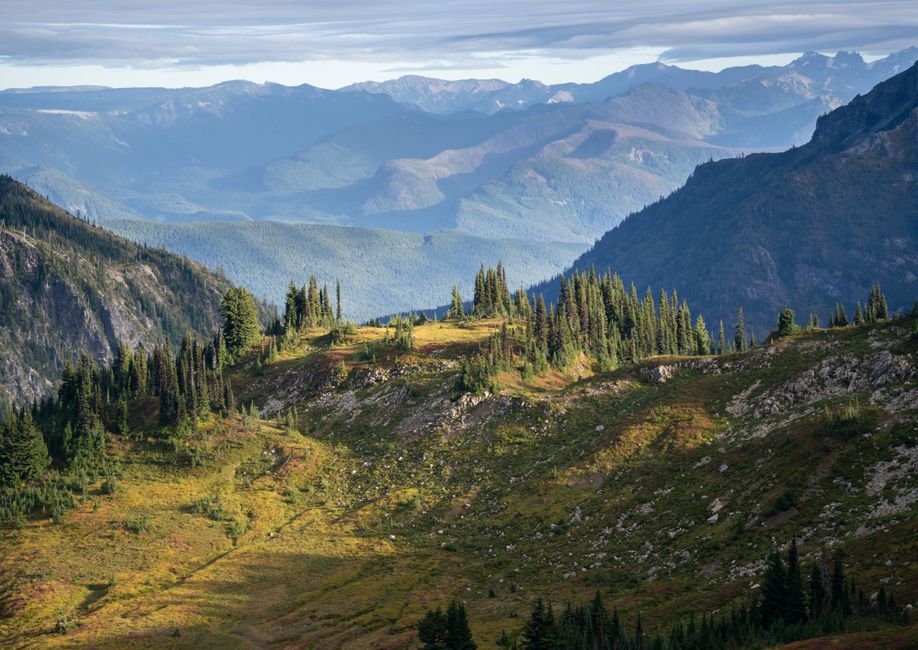
Washington State’s Crown Jewels: A Comprehensive Guide to the Best National Parks
Washington State, a land sculpted by volcanic fire, glacial ice, and Pacific storms, boasts an unparalleled collection of national parks, each offering a distinct and awe-inspiring wilderness experience. From the jagged peaks of the North Cascades to the temperate rainforests of Olympic and the stark volcanic landscapes of Mount Rainier, these protected lands offer unparalleled opportunities for exploration, recreation, and profound connection with nature. This comprehensive guide delves into the unique allure of Washington’s national parks, providing essential information for planning your visit and maximizing your adventure.
Olympic National Park: A Symphony of Ecosystems
Olympic National Park is a UNESCO World Heritage Site and an International Biosphere Reserve, a testament to its extraordinary biodiversity and ecological significance. This park is renowned for its three distinct ecosystems: temperate rainforests, rugged Pacific coastline, and glaciated mountains. Visitors can experience the emerald depths of the Hoh and Quinault Rainforests, where moss-draped old-growth trees create an ethereal atmosphere. Towering ferns carpet the forest floor, and the air is thick with the scent of damp earth and decaying leaves. Hiking through these ancient forests feels like stepping back in time, with trails like the Hall of Mosses and the Spruce Nature Trail offering accessible introductions to their magic.
The park’s wild coastline is equally captivating. Stretching for over 70 miles, it features dramatic sea stacks, tide pools teeming with marine life, and vast expanses of driftwood. Rialto Beach, Ruby Beach, and Kalaloch Beach are popular destinations, offering opportunities for beachcombing, tide pooling, and watching the powerful Pacific waves crash against the shore. Keep an eye out for Roosevelt elk, black bears, and a variety of seabirds. Sunset at these beaches, with the ocean ablaze with color, is an unforgettable spectacle.
Ascending into the Olympic Mountains reveals a different, yet equally stunning, landscape. Hurricane Ridge, accessible by a scenic drive, offers panoramic vistas of the snow-capped peaks, alpine meadows bursting with wildflowers in the summer, and the Strait of Juan de Fuca. Hiking opportunities abound, from short, paved trails like the Cirque Rim Trail to more strenuous backcountry treks that lead to pristine alpine lakes and glaciers. Mount Olympus, the park’s namesake, is a formidable peak that challenges experienced mountaineers.
Key Activities in Olympic National Park:
- Hiking: From easy rainforest strolls to challenging mountain ascents, Olympic offers trails for all levels.
- Beachcombing & Tide Pooling: Explore the diverse marine life in the intertidal zones.
- Wildlife Viewing: Spot Roosevelt elk, black bears, deer, and numerous bird species.
- Scenic Drives: Hurricane Ridge Road provides breathtaking mountain views.
- Camping: Numerous campgrounds cater to different preferences, from beachfront to mountain settings.
SEO Keywords: Olympic National Park, Washington national parks, Hoh Rainforest, Quinault Rainforest, Ruby Beach, Rialto Beach, Hurricane Ridge, temperate rainforest, Pacific coast, Washington hiking, wildlife viewing Washington.
Mount Rainier National Park: The Majestic Icon
Mount Rainier, a dormant stratovolcano that dominates the southern Washington skyline, is the undisputed centerpiece of Mount Rainier National Park. This colossal mountain, standing at 14,411 feet, is the most glaciated peak in the contiguous United States, with 26 glaciers feeding 36 square miles of ice. The park is a paradise for hikers, climbers, and anyone who appreciates grand mountain scenery.
The most popular area for visitors is Paradise, a subalpine meadow that explodes with vibrant wildflowers in July and August. The views of Mount Rainier from Paradise are simply spectacular, with trails like the Skyline Trail offering breathtaking perspectives. From here, you can embark on hikes ranging from gentle walks to challenging day trips. The Nisqually Vista Trail is an easy, paved loop offering stunning glacier and mountain views, while the Panorama Point trail offers a more strenuous climb with rewarding vistas.
Sunrise, located on the northeast side of the mountain, offers a different, yet equally awe-inspiring, perspective. It is the highest point accessible by car in the park. The Sunrise Rim Trail and Sourdough Ridge Trail provide excellent opportunities for high-alpine hiking with panoramic views of Mount Rainier and the surrounding Cascade Range.
Beyond the immediate vicinity of the mountain, the park features old-growth forests, tumbling waterfalls, and the Carbon River area, a temperate rainforest that showcases the park’s ecological diversity. The Grove of the Patriarchs, an island in the Ohanapecosh River, allows visitors to walk among towering old-growth Douglas firs and western red cedars.
For experienced mountaineers, climbing Mount Rainier is a serious undertaking requiring technical skills, proper acclimatization, and permits. Guided climbs are widely available for those seeking to summit this iconic peak.
Key Activities in Mount Rainier National Park:
- Hiking: Explore wildflower meadows, old-growth forests, and glacier-fed lakes.
- Climbing: For experienced individuals, summiting Mount Rainier is a world-class challenge.
- Photography: Capture iconic views of the volcano and its surrounding landscapes.
- Wildlife Viewing: Look for marmots, pikas, deer, and various bird species.
- Scenic Drives: The roads to Paradise and Sunrise offer incredible vistas.
SEO Keywords: Mount Rainier National Park, Washington national parks, Paradise Mount Rainier, Sunrise Mount Rainier, Cascade Range, volcano Washington, Washington hiking, alpine meadows, glacier hiking, Mount Rainier climbing.
North Cascades National Park: The American Alps
Often referred to as the "American Alps," North Cascades National Park is a rugged and remote wilderness characterized by towering granite peaks, turquoise alpine lakes, and vast expanses of dense forest. This park is less developed than Olympic or Mount Rainier, offering a more primitive and immersive backcountry experience. Its dramatic topography is a result of intense glacial carving over millennia.
The park’s namesake, the North Cascades Mountain Range, forms the backbone of the protected area. Glaciers continue to sculpt these mountains, feeding the park’s many pristine lakes with their mineral-rich meltwater, giving them their signature vibrant blue and green hues. Diablo Lake and Ross Lake, accessible via the scenic North Cascades Highway (State Route 20), are particularly stunning and offer opportunities for boating and fishing.
Hiking in the North Cascades ranges from short, scenic walks to challenging multi-day backpacking trips. The Maple Pass Loop is a popular day hike offering spectacular views of alpine lakes and jagged peaks. For those seeking a more strenuous adventure, trails leading to the heart of the jagged interior, such as the Sahale Arm Trail, provide unparalleled wilderness immersion.
The park’s remoteness is a significant part of its appeal, offering a true escape from civilization. The lack of extensive infrastructure means visitors must be well-prepared for self-sufficiency. This is a place for experienced hikers and backpackers who are comfortable navigating in wild terrain and carrying their own supplies. Wildlife is abundant, including black bears, grizzly bears (though sightings are rare), mountain goats, and a variety of bird species.
The North Cascades Highway is a seasonal road, typically open from late May or early June through November, depending on snow conditions. Driving this highway offers breathtaking overlooks and access to trailheads and campgrounds.
Key Activities in North Cascades National Park:
- Hiking & Backpacking: Experience true wilderness with a vast network of trails.
- Boating & Fishing: Explore the stunning alpine lakes.
- Scenic Driving: The North Cascades Highway offers iconic overlooks.
- Wildlife Viewing: Spot mountain goats, bears, and diverse birdlife.
- Backcountry Camping: For those seeking solitude and immersion.
SEO Keywords: North Cascades National Park, Washington national parks, American Alps Washington, Diablo Lake, Ross Lake, North Cascades Highway, Washington hiking, alpine lakes, backcountry Washington, remote wilderness.
Beyond the Big Three: Other Notable National Park Service Sites in Washington
While Olympic, Mount Rainier, and North Cascades are the flagship national parks, Washington State is home to numerous other National Park Service (NPS) sites that offer unique historical, cultural, and natural attractions. These sites contribute to the rich tapestry of protected lands within the state.
San Juan Island National Historical Park: Located in the San Juan Islands archipelago, this park preserves the sites of a pivotal dispute between the United States and Great Britain over the border. It offers beautiful coastal scenery, opportunities for whale watching (especially during migration seasons), and a glimpse into a significant historical moment. The iconic Lime Kiln Point State Park, known for its lighthouse and excellent whale-watching opportunities, is adjacent and often visited in conjunction.
Fort Vancouver National Historic Site: This site preserves the history of the Hudson’s Bay Company’s fur trading post, which was once a major economic and social hub in the Pacific Northwest. Visitors can explore reconstructed buildings, learn about the lives of the people who lived and worked there, and gain an understanding of the region’s early colonial history.
Ebey’s Landing National Historical Reserve: This unique reserve on Whidbey Island protects a landscape that tells the story of early Puget Sound settlement. It combines natural beauty with historical interpretation, featuring dramatic bluff trails with sweeping views of the Puget Sound, and historical farmsteads.
Mount Baker-Snoqualmie National Forest (Adjacent to North Cascades and Mount Rainier): While not a national park, this vast national forest offers incredible recreational opportunities, including hiking, camping, and wildlife viewing, often with similar stunning mountain scenery as the adjacent national parks. It provides a crucial buffer and additional access to wild areas.
Key Activities at Other NPS Sites:
- Historical Interpretation: Learn about pivotal events and early settlements.
- Coastal Exploration: Enjoy scenic beaches and ocean views.
- Whale Watching: Experience marine wildlife in the San Juan Islands.
- Cultural Heritage: Discover the stories of indigenous peoples and early settlers.
SEO Keywords: Washington national parks, San Juan Island National Historical Park, Fort Vancouver National Historic Site, Ebey’s Landing National Historical Reserve, Puget Sound, Washington history, whale watching Washington, NPS sites Washington.
Planning Your Washington National Park Adventure: Essential Tips
Successful exploration of Washington’s national parks requires careful planning. Understanding the best times to visit, necessary accommodations, and safety precautions will greatly enhance your experience.
Best Time to Visit:
- Summer (July-September): This is the peak season, offering the warmest weather and best access to high-elevation trails. Wildflowers are at their peak in July and August in the alpine meadows of Mount Rainier and Olympic. However, expect larger crowds and book accommodations and permits well in advance.
- Spring (April-June): Wildflowers begin to bloom at lower elevations, and the rainforests of Olympic are particularly lush. However, higher mountain passes and roads (like the North Cascades Highway) may still be closed due to snow.
- Fall (October-November): Fall offers fewer crowds and stunning autumn colors, especially in the forests. However, weather can be unpredictable, with rain and early snow becoming common at higher elevations.
- Winter (December-March): Winter transforms the parks into snowy wonderland. Access is limited, with many roads and trails closed. Snowshoeing and cross-country skiing are popular activities in designated areas.
Accommodation and Reservations:
- Lodges and Hotels: Within the parks, lodges offer a convenient but often expensive option. Reservations are essential, especially during peak season.
- Campgrounds: National Park Service campgrounds offer a more rustic and affordable experience. Many require reservations, particularly for popular sites. Some offer first-come, first-served options, but arrive early.
- Gateway Towns: Numerous towns surrounding the national parks offer a wider range of lodging, dining, and services. These include Port Angeles (Olympic), Ashford and Packwood (Mount Rainier), and Marblemount and Winthrop (North Cascades).
- Backcountry Permits: For overnight trips in the wilderness, backcountry permits are almost always required. Research the specific requirements for each park and apply well in advance.
Safety and Preparedness:
- Weather: Mountain weather can change rapidly. Always be prepared for rain, wind, and temperature fluctuations, even in summer. Check forecasts before heading out.
- Wildlife: Maintain a safe distance from all wildlife. Never feed animals. Be aware of bear safety protocols and carry bear spray when hiking in bear country.
- Navigation: Carry maps and a compass, and know how to use them. Cell service can be unreliable in many park areas.
- Hydration and Food: Carry plenty of water and high-energy snacks, especially on longer hikes.
- Leave No Trace: Practice Leave No Trace principles to minimize your impact on the environment. Pack out everything you pack in.
- First Aid: Carry a well-stocked first-aid kit and know basic first-aid procedures.
Washington State’s national parks are not just destinations; they are invitations to experience the raw power and delicate beauty of the natural world. Each park offers a unique window into the forces that have shaped this magnificent corner of the Pacific Northwest, promising an unforgettable adventure for every visitor.


