
Bike Ciclovia De Bogota

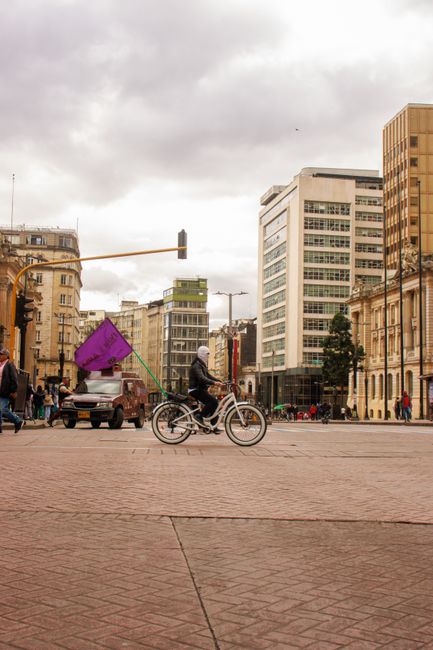
Ciclovía de Bogotá: Bogotá’s Transformative Urban Oasis
The Ciclovía de Bogotá, an unparalleled urban initiative, transforms over 120 kilometers of the city’s streets into a car-free haven every Sunday and on select holidays. This transformative program, established in 1974, has evolved from a modest experiment into a globally recognized model for urban mobility, public health, and community engagement. Its core principle is to reclaim public space for citizens, prioritizing pedestrians and cyclists over motorized traffic for a significant portion of the week. This creates a vibrant, dynamic environment where residents can connect with their city and each other in a safe and enjoyable manner. The Ciclovía is not merely a recreational activity; it’s a fundamental element of Bogotá’s identity and a powerful tool for urban planning and social well-being. Its impact reverberates through increased physical activity, reduced pollution, enhanced social cohesion, and a redefinition of how urban dwellers interact with their environment.
The Origins and Evolution of a Global Phenomenon
The genesis of Bogotá’s Ciclovía can be traced back to the early 1970s, a period of burgeoning urban growth and increasing traffic congestion in the Colombian capital. Recognizing the need for alternative urban spaces and inspired by nascent ideas of car-free zones, a group of urban planners and activists proposed the idea of temporarily closing major avenues to vehicular traffic. The initial Ciclovía, launched on December 14, 1974, was a relatively small-scale event, closing just a few kilometers of roads. However, its immediate success in attracting large numbers of pedestrians and cyclists was undeniable. The sheer joy and freedom experienced by participants, unhindered by the usual urban cacophony of engines and horns, quickly solidified its appeal.
Over the subsequent decades, the Ciclovía underwent a significant process of expansion and refinement. It grew organically, responding to popular demand and the evolving needs of the city. Key milestones in its development include:
- Expansion of Routes: The initial few kilometers steadily increased, incorporating more major arteries and residential neighborhoods. This expansion was strategic, aiming to connect diverse communities and provide accessible routes for a larger segment of the population.
- Formalization and Institutionalization: What began as a grassroots initiative gradually became an official city program. This led to better organization, increased public investment, and a more structured approach to its planning and execution. The creation of dedicated administrative bodies within the city government was crucial for its sustained success.
- Integration with Public Health Initiatives: The clear health benefits of the Ciclovía – promoting physical activity and combating sedentary lifestyles – led to its strong alignment with public health campaigns. This synergy further cemented its importance and ensured continued support.
- Inclusion of Diverse Activities: Beyond simply walking and cycling, the Ciclovía evolved to embrace a wider range of activities. This includes rollerblading, skateboarding, yoga sessions, tai chi, dance classes, and organized sports events, transforming the streets into an open-air gymnasium and community center.
- Technological Integration: In recent years, the Ciclovía has seen the integration of technology, with apps and online platforms providing route information, event schedules, and even gamified challenges for participants.
The enduring legacy of Bogotá’s Ciclovía lies in its adaptability and its unwavering commitment to citizen well-being. It stands as a testament to the power of collective action and the profound impact that well-planned urban interventions can have on the quality of life for millions.
The Scope and Scale of Bogotá’s Ciclovía
The sheer scale of Bogotá’s Ciclovía is one of its most remarkable features. Spanning an impressive network of over 120 kilometers, it is arguably the most extensive urban car-free zone in the world. This vast network traverses a significant portion of the city, encompassing major avenues, important boulevards, and connecting diverse residential and commercial districts. The routes are meticulously planned to:
- Maximize Accessibility: The network is designed to be easily accessible from various neighborhoods, ensuring that a large percentage of Bogotá’s inhabitants can reach a Ciclovía route within a reasonable distance from their homes. This inclusivity is a cornerstone of its success.
- Connect Key Urban Hubs: The routes often link important public spaces, parks, recreational areas, and cultural landmarks, creating a cohesive and engaging urban experience. This allows residents to explore their city in a novel and immersive way.
- Promote Diverse Travel Modes: While cycling is a primary focus, the Ciclovía actively encourages walking, running, skating, and other forms of active transportation. This multi-modal approach caters to a broad spectrum of interests and abilities.
- Provide Scenic and Varied Environments: The routes offer a diverse range of urban landscapes, from bustling main streets to more tranquil park-like settings. This variety keeps the experience fresh and appealing to regular participants.
The Ciclovía operates primarily on Sundays, from 7:00 AM to 2:00 PM, and on select public holidays. During these hours, the designated streets are completely closed to motorized vehicles, with dedicated personnel ensuring traffic management and safety. The sheer volume of participants, often numbering in the millions on a given Sunday, transforms the urban landscape into a dynamic and vibrant spectacle of human activity. This regular and predictable closure allows residents to plan their weekends around this unique urban feature, fostering a sense of routine and anticipation.
Beyond the core routes, the Ciclovía concept has inspired the creation of smaller, more localized "micro-ciclovías" and "ciclovías recreativas" that operate on Saturdays and in specific parks or neighborhoods, further extending the opportunities for car-free recreation throughout the week. This layered approach ensures that the spirit of the Ciclovía permeates the city more frequently and in more accessible ways.
The Economic and Social Impact: More Than Just Recreation
The Ciclovía de Bogotá’s influence extends far beyond its recreational appeal, generating significant economic and social benefits for the city and its residents.
Economic Impact:
- Stimulating Local Businesses: The influx of millions of people into previously traffic-laden streets creates a surge in economic activity for businesses located along the Ciclovía routes. Cafes, restaurants, street vendors, and small shops experience increased foot traffic and sales on Sundays, providing a crucial economic boost.
- Promoting New Business Opportunities: The demand generated by the Ciclovía has spurred the growth of businesses catering specifically to cyclists and active individuals, such as bicycle repair shops, accessory stores, and healthy food vendors.
- Attracting Tourism: The Ciclovía has become a significant draw for tourists, offering a unique and authentic experience of Bogotá’s urban culture. This influx of visitors contributes to the local tourism economy, supporting hotels, restaurants, and cultural attractions.
- Reduced Healthcare Costs (Indirect): By promoting physical activity and healthier lifestyles, the Ciclovía contributes to a reduction in chronic diseases and related healthcare costs over the long term. While difficult to quantify precisely, the preventative health benefits represent a significant societal saving.
Social Impact:
- Enhanced Community Cohesion: The Ciclovía provides a unique platform for social interaction and community building. People from all walks of life – families, friends, strangers – come together in a shared space, fostering a sense of belonging and camaraderie. It breaks down social barriers and encourages spontaneous encounters.
- Improved Public Health and Well-being: The most evident social impact is the dramatic improvement in public health. Regular participation in the Ciclovía encourages physical activity, combating obesity, cardiovascular disease, and other sedentary lifestyle-related ailments. This leads to a healthier, more active population.
- Reclaiming Public Space: The Ciclovía fundamentally reclaims public space for citizens, transforming busy roadways into vibrant community hubs. This shift in perception empowers residents and fosters a greater sense of ownership and pride in their city.
- Reduced Crime and Increased Safety: Studies have suggested that areas with active public life, like those fostered by the Ciclovía, can experience reduced crime rates. The increased presence of people and positive activity deters illicit behavior.
- Environmental Benefits: By significantly reducing vehicular traffic on Sundays, the Ciclovía contributes to cleaner air and reduced noise pollution. This creates a more pleasant and sustainable urban environment.
- Promoting Inclusivity and Equity: The Ciclovía is a free and accessible activity for everyone, regardless of socioeconomic status, age, or physical ability. This inherent inclusivity ensures that all residents can benefit from its offerings, promoting a more equitable city.
- Civic Engagement and Empowerment: The success of the Ciclovía serves as a powerful example of how citizen participation and well-planned urban initiatives can lead to positive change. It empowers residents by demonstrating their ability to shape their urban environment.
The Ciclovía de Bogotá is therefore not just a weekend event; it’s a multifaceted urban ecosystem that nurtures economic vitality, strengthens social bonds, and significantly enhances the overall quality of life for its citizens.
Environmental Stewardship and Sustainable Urbanism
The environmental benefits of Bogotá’s Ciclovía are substantial and underscore its role as a model for sustainable urbanism. By designating over 120 kilometers of streets as car-free zones every Sunday and on select holidays, the city actively combats several key urban environmental challenges:
- Air Quality Improvement: The most immediate and impactful environmental benefit is the significant reduction in vehicular emissions. On Ciclovía days, the air in the city is noticeably cleaner. Fewer cars mean fewer particulate matter, nitrogen oxides, and carbon monoxide, all of which contribute to respiratory problems and smog. This temporary reprieve from traffic pollution offers a breath of fresh air for millions.
- Noise Pollution Reduction: The constant hum of traffic is a major source of urban stress. The Ciclovía effectively silences large swathes of the city, creating a peaceful and tranquil environment. This reduction in noise pollution contributes to improved mental well-being and a more pleasant urban experience.
- Reduced Greenhouse Gas Emissions: While a weekly event, the cumulative effect of reducing car usage on such a massive scale contributes to a decrease in Bogotá’s carbon footprint. This aligns with global efforts to mitigate climate change and promote a more sustainable future.
- Promotion of Sustainable Transportation: The Ciclovía directly encourages the adoption of sustainable modes of transport. By providing a safe and enjoyable space for cycling and walking, it normalizes these activities and encourages their integration into daily life beyond just Sundays. This can lead to a long-term shift away from car dependency.
- Conservation of Energy: Reduced reliance on fossil fuels for transportation contributes to energy conservation. Every kilometer cycled or walked instead of driven represents a saving in energy resources.
- Enhanced Green Spaces: The Ciclovía often incorporates or passes through the city’s parks and green spaces. By making these areas more accessible and encouraging their use for recreation, it indirectly promotes the appreciation and preservation of urban green infrastructure.
- Increased Awareness of Environmental Issues: The visible impact of a car-free city during the Ciclovía can serve as a powerful reminder to citizens about the environmental consequences of car dependency. This can foster greater environmental awareness and encourage more sustainable choices throughout the week.
Bogotá’s Ciclovía demonstrates that urban planning can be a powerful tool for environmental stewardship. It proves that by reallocating urban space and prioritizing human-powered mobility, cities can create healthier, more sustainable, and more livable environments for their residents. It serves as a tangible example of how to integrate environmental considerations into the fabric of urban life, showcasing a pathway towards a greener and more resilient future.
Challenges and Future Directions: Sustaining the Momentum
Despite its undeniable success, the Ciclovía de Bogotá, like any large-scale urban initiative, faces ongoing challenges and presents opportunities for future development.
Challenges:
- Maintenance and Infrastructure: The vast network requires continuous maintenance of road surfaces, signage, and traffic control measures. Ensuring the long-term sustainability of the infrastructure, especially with increasing usage, is a constant consideration.
- Safety and Security: While generally safe, the sheer volume of participants can present challenges related to crowd management, minor accidents, and the occasional petty crime. Continuous efforts are needed to enhance safety protocols and ensure the security of all participants.
- Integration with Other Urban Systems: Coordinating the Ciclovía with other urban transportation systems, such as public transit routes and emergency services, requires ongoing planning and adaptation. Disruptions to regular bus routes, for instance, need to be managed effectively.
- Funding and Resource Allocation: Securing consistent and adequate funding for the Ciclovía’s operation, maintenance, and potential expansion is crucial. Competing urban priorities can sometimes challenge the allocation of resources.
- Addressing Emerging Needs: As the city evolves and its population grows, the Ciclovía needs to adapt to new challenges, such as accommodating an increasing number of electric scooters, ensuring accessibility for people with disabilities, and integrating new technologies.
- Maintaining Popular Support: While currently enjoying widespread popularity, sustained engagement and communication are necessary to ensure continued public support and participation, especially among younger generations who may have different leisure preferences.
Future Directions:
- Expansion of the Network: Exploring opportunities to further expand the Ciclovía network into underserved areas or to connect existing routes more effectively could enhance its reach and impact.
- Diversification of Activities and Thematic Ciclovías: Introducing more diverse recreational and cultural programming, perhaps with themed Ciclovías focusing on specific interests (e.g., art, history, music), could attract new participants and maintain engagement.
- Technological Integration and Smart City Solutions: Leveraging technology for better route planning, real-time information, participatory feedback mechanisms, and even gamification could enhance the user experience and operational efficiency.
- Strengthening Partnerships: Fostering stronger collaborations with private sector entities, NGOs, and community organizations can provide additional resources, expertise, and innovative ideas for the Ciclovía’s development.
- Focus on Education and Awareness: Increasing educational campaigns around active transportation, road safety, and environmental sustainability can amplify the Ciclovía’s broader impact.
- Developing a More Robust Economic Model: Exploring ways to further monetize the economic benefits of the Ciclovía, perhaps through sponsored events or designated commercial zones, could ensure greater financial sustainability.
- Inter-city and International Collaboration: Sharing best practices and learning from other cities implementing similar initiatives can lead to continuous improvement and innovation. Bogotá’s Ciclovía can continue to serve as a benchmark and inspiration for urban mobility globally.
The Ciclovía de Bogotá has already achieved remarkable success, but its future potential is immense. By addressing its challenges proactively and embracing innovative solutions, the city can ensure that this transformative urban oasis continues to thrive, enrich lives, and serve as a beacon of sustainable urbanism for generations to come. Its evolution is a continuous process, driven by the needs of its citizens and the commitment to creating a more livable, healthier, and connected Bogotá.


