
How To Explore Norway Like A Norwegian

Explore Norway Like a Norwegian: Unlocking Authentic Experiences Beyond the Tourist Trail
To explore Norway like a Norwegian is to embrace a philosophy of connection with nature, a reverence for simplicity, and a profound understanding of the seasons. It means prioritizing experiences over possessions, immersing yourself in the outdoors regardless of the weather, and appreciating the subtle beauty of everyday life. Forget the crowded tourist hotspots and focus on the authentic heart of this stunning Scandinavian nation. This guide will equip you with the knowledge and mindset to unlock true Norwegian adventure.
Embrace Friluftsliv: The Norwegian Way of Life Outdoors
At the core of Norwegian identity lies friluftsliv, a concept that translates roughly to "open-air living." It’s not just about hiking or camping; it’s a holistic lifestyle that emphasizes spending time outdoors, breathing fresh air, and connecting with the natural world in all its forms. To live like a Norwegian, you must adopt this ethos. This means stepping outside daily, even for short periods. A brisk walk in the local park, a coffee enjoyed on a balcony, or a quiet moment by a fjord – all contribute to the friluftsliv spirit. Invest in quality outdoor gear; Norwegians understand that the right clothing and equipment make all the difference, transforming potential discomfort into an enjoyable experience. Think waterproof and windproof layers, sturdy hiking boots, and warm, breathable wool. Don’t let rain or snow deter you; embrace it as part of the Norwegian experience. Learn to appreciate the dramatic beauty of a stormy fjord or the quiet magic of a snowy forest.
Understand the Ut på tur, aldri sur Mantra
This Norwegian saying, meaning "out on a trip, never sour," perfectly encapsulates the country’s positive attitude towards outdoor excursions. It’s an invitation to explore, to venture out, and to find joy in the journey, regardless of the outcome. This translates to practical advice for travelers: plan for the unexpected. Weather in Norway is notoriously fickle. Have backup plans, but more importantly, have a flexible attitude. If the rain starts during your planned hike, instead of becoming disheartened, embrace it. Perhaps a detour to a cozy cafe for a warm drink and a pastry is in order. Or maybe a visit to a local museum will offer a different perspective on the region. The Norwegian approach is about finding enjoyment in the present moment, making the best of any situation, and understanding that even less-than-ideal weather can offer unique beauty.
Master the Art of Fjord Exploration: Beyond the Cruise Ship Itinerary
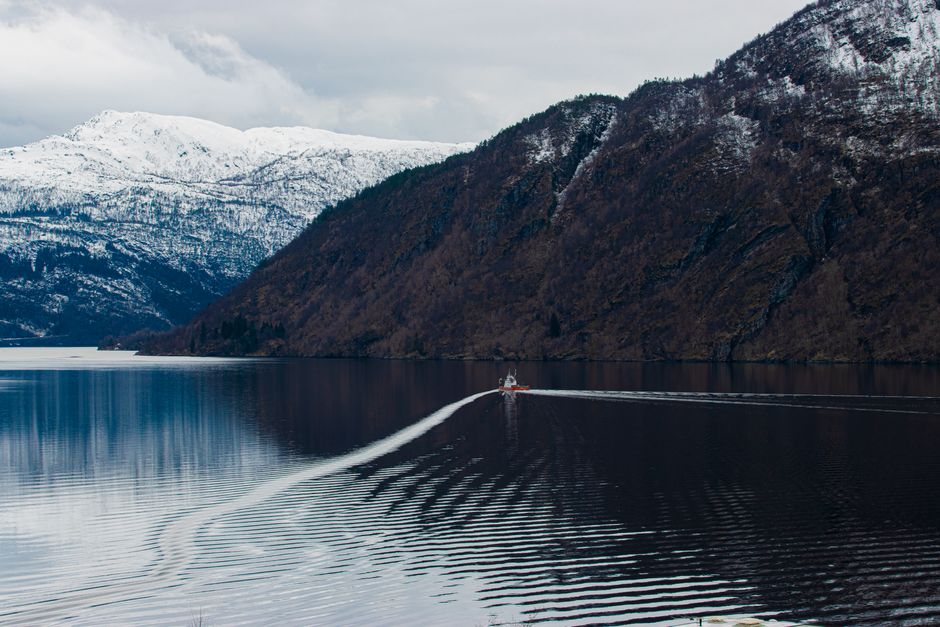
While cruise ships offer a glimpse of Norway’s majestic fjords, exploring them like a local means seeking a more intimate and immersive experience. This often involves smaller, community-based ferry services that connect remote villages and offer a true sense of local life. Instead of booking a large group tour, consider renting a kayak or a small boat. This allows you to paddle into hidden coves, witness waterfalls up close, and experience the silence of the fjords without the hum of an engine. For those seeking a more active adventure, hiking trails that hug the fjord edges offer breathtaking perspectives. Research trails that are less frequented by mass tourism. Consider destinations like the Lysefjord, but focus on hikes like Preikestolen (Pulpit Rock) during shoulder seasons or explore less-known trails in the Geirangerfjord area. Engage with the locals in small fjord-side towns. Strike up conversations, ask for recommendations, and perhaps even join them for a local fishing trip. This is where you’ll find genuine hospitality and insights into fjord life.
Embrace Local Transport: Trains, Buses, and Ferries as Scenic Adventures
Norwegians are adept at utilizing their extensive and efficient public transportation network. To travel like a Norwegian, embrace this system as an integral part of your exploration, not just a means to an end. The national railway company, Vy (formerly NSB), offers stunning journeys through diverse landscapes. The Bergen Railway, connecting Oslo and Bergen, is consistently ranked among the world’s most scenic train routes. Consider the Flåm Railway, a marvel of engineering descending from the mountains to the fjord, offering unparalleled views. Beyond trains, the bus network is extensive, reaching even remote areas. Factor in the ferry system, which is crucial for navigating the archipelagos and fjords. These ferry journeys are often social hubs, offering opportunities to interact with locals and witness daily life unfold. When planning your itinerary, look at booking train tickets in advance, especially for popular routes, and familiarize yourself with the timetables of local bus and ferry services. This approach not only aligns with Norwegian travel habits but also offers a more sustainable and affordable way to see the country.
Savor the Simplicity of Norwegian Cuisine: Focus on Fresh, Local, and Seasonal
Norwegian food is characterized by its freshness, simplicity, and deep connection to the land and sea. Forget elaborate fine dining and embrace the concept of husmannskost – traditional, hearty, home-style cooking. Seek out local bakeries for lefse (flatbread) and skillingsboller (cinnamon buns). Visit local fish markets for the freshest catch of the day, whether it’s salmon, cod, or mackerel. Embrace the practice of foraging where permitted and safe – berries like blåbær (blueberries) and tyttebær (lingonberries) are abundant in late summer and autumn. Seek out cafes and restaurants that prioritize local ingredients. Ask about the provenance of the food. Try traditional dishes like fårikål (mutton and cabbage stew) during the autumn season, or enjoy grilled fish by the coast. Understand that many Norwegians pack their own lunches for hikes and picnics, often consisting of simple sandwiches, hard-boiled eggs, and fruit. This is a practical and enjoyable way to experience Norwegian culinary traditions.
Understand the Importance of Hytte Liv: The Magic of the Mountain Cabin
For many Norwegians, a hytte (cabin) is more than just a vacation home; it’s a sanctuary, a place to disconnect from the stresses of modern life and reconnect with nature and loved ones. While renting a private hytte might be an option, understanding the hytte liv culture is key. This involves appreciating the simplicity of cabin life: the crackling fire, the shared meals, the quiet evenings. Many hiking trails are dotted with DNT (Norwegian Trekking Association) cabins, which are often basic but offer a warm bed and a communal atmosphere for trekkers. These are fantastic opportunities to experience hytte liv in a more accessible way. If you have the opportunity to stay in a hytte, embrace the self-sufficiency. Chop wood, prepare simple meals, and spend your days exploring the surrounding nature. This is a quintessential Norwegian experience that offers deep relaxation and genuine connection.
Embrace the Culture of Kos
Similar to the Danish hygge, Norwegian kos refers to a feeling of coziness, comfort, and contentment, often shared with others. It’s about creating a warm and inviting atmosphere, appreciating simple pleasures, and fostering a sense of togetherness. To experience kos like a Norwegian, prioritize creating moments of warmth and connection. This could be sharing a pot of coffee with new acquaintances, enjoying a leisurely meal with friends, or simply curling up by a fireplace with a good book. Look for local cafes that offer a relaxed and inviting ambiance. During winter, seek out opportunities to experience kos by a roaring fire after a day of outdoor activity. This cultural concept is about finding joy in the everyday and in the company of others, making your exploration of Norway richer and more meaningful.
Respect the Environment and the Allemannsretten
Norway’s pristine natural beauty is a source of national pride, and its preservation is a shared responsibility. The allemannsretten, or the "right to roam," allows everyone to access and enjoy the countryside, provided they do so responsibly. This is a privilege, not a right to be abused. As a visitor, it is paramount to understand and adhere to the principles of allemannsretten. This means leaving no trace behind. Pack out everything you pack in. Stick to marked trails to avoid damaging fragile ecosystems. Respect private property and be mindful of livestock and wildlife. Observe fire bans during dry periods. Learn about local conservation efforts and support businesses that demonstrate a commitment to sustainability. By embracing the spirit of responsible exploration, you contribute to the preservation of Norway’s natural wonders for future generations.
Plan Your Trip Around the Seasons, Understanding Each Offers Unique Beauty
Norway’s distinct seasons dictate its character and offer vastly different experiences. To explore like a Norwegian means understanding and appreciating the unique allure of each.
- Spring (March-May): Witness the awakening of nature. Fjords are often still framed by snow-capped mountains, and the first wildflowers begin to bloom. This is a great time for hiking at lower elevations and enjoying the longer daylight hours.
- Summer (June-August): The peak season for outdoor activities. Long daylight hours, known as the "midnight sun" in the north, provide ample time for exploration. This is ideal for hiking, kayaking, and experiencing the vibrant coastal towns.
- Autumn (September-November): A spectacular display of fall foliage, particularly in the inland forests. The air is crisp, and the crowds of summer have dwindled. This is a prime time for hiking and enjoying hearty seasonal cuisine.
- Winter (December-February): A magical season for winter sports, from skiing and snowboarding to dog sledding and Northern Lights viewing. Embrace the cozy atmosphere of kos and enjoy the unique beauty of a snow-covered landscape.
By aligning your travel plans with the seasonal characteristics of different regions, you can experience Norway in its most authentic and captivating forms, mirroring the way Norwegians themselves engage with their country throughout the year.


