
Best Museums In New York

New York City’s Premier Museums: A Comprehensive Guide for Art, History, and Science Enthusiasts
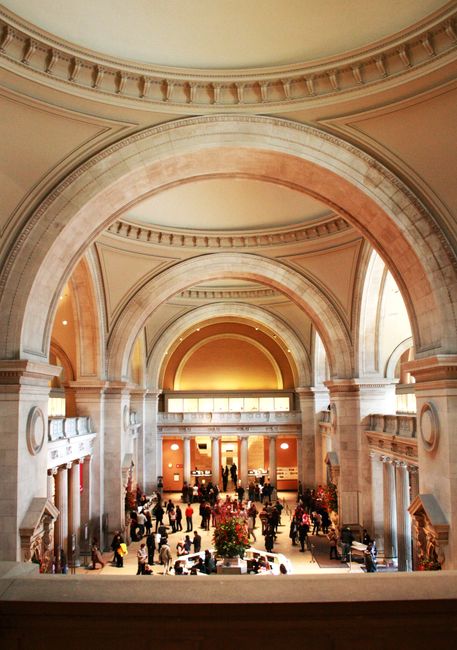
The Metropolitan Museum of Art, affectionately known as "The Met," stands as a colossal institution on Fifth Avenue, boasting an unparalleled collection spanning 5,000 years of art and culture from across the globe. Its sheer scale and diversity are breathtaking, offering visitors a journey through human creativity with no comparable equivalent. From ancient Egyptian sarcophagi and Greek and Roman sculptures to European paintings by masters like Rembrandt and Vermeer, and the vibrant textiles of the Costume Institute, The Met provides an immersive educational experience. Its Egyptian Wing, with the Temple of Dendur, is a perennial favorite, transporting visitors to the banks of the Nile. The European Paintings department houses an astonishing array of iconic works, making it a pilgrimage site for art lovers. Beyond the permanent collections, The Met consistently presents groundbreaking temporary exhibitions that draw international attention, covering everything from fashion retrospectives to explorations of contemporary artists. Navigating The Met requires strategic planning; it’s impossible to see everything in a single visit. Prioritizing sections based on personal interest is key, and embracing the serendipity of discovery is part of its magic. Annual membership offers a tangible benefit for frequent visitors, providing access to special exhibitions and events.
The Museum of Modern Art (MoMA), situated in Midtown Manhattan, is a titan in the realm of modern and contemporary art. Its collection is a testament to the 20th and 21st centuries’ artistic revolutions, featuring iconic masterpieces that have defined artistic movements. Visitors can stand before Vincent van Gogh’s "The Starry Night," Pablo Picasso’s "Les Demoiselles d’Avignon," and Andy Warhol’s silkscreens, among countless other seminal works. MoMA’s commitment extends beyond painting and sculpture to encompass photography, film, design, architecture, and media arts, offering a holistic view of creative expression in the modern era. The museum’s Film Department, with its extensive archives and screening schedule, is a vital resource for cinematic scholarship and appreciation. The Abby Aldrich Rockefeller Sculpture Garden, a serene oasis amidst the urban bustle, provides a tranquil setting for viewing monumental works. MoMA’s rotating exhibitions are crucial to its dynamic identity, consistently showcasing emerging artists and revisiting pivotal moments in art history. The museum’s design and layout, though modern and sleek, can sometimes feel overwhelming; focusing on specific galleries or artists can enhance the experience.
The American Museum of Natural History, located on the Upper West Side, is an institution dedicated to exploring the diversity of life on Earth and the universe. Its sprawling halls are filled with iconic dioramas, fossil halls, and scientific exhibits that captivate audiences of all ages. The Hall of Saurischian Dinosaurs and the Hall of Theropod Dinosaurs are legendary, showcasing the awe-inspiring skeletons of creatures that once roamed the planet. The Hall of Biodiversity offers a vivid depiction of Earth’s ecosystems, while the Milstein Hall of Ocean Life, with its colossal blue whale model suspended from the ceiling, is a truly unforgettable sight. The Rose Center for Earth and Space, with its Hayden Planetarium, provides an immersive journey through the cosmos, featuring stunning presentations and a captivating sphere that houses the planetarium. The museum’s extensive research collections underpin its exhibitions, making it a hub for scientific discovery and education. For families, the museum offers a treasure trove of learning opportunities, with interactive exhibits and educational programs designed to spark curiosity.
The Solomon R. Guggenheim Museum, an architectural marvel designed by Frank Lloyd Wright, presents a unique and circular approach to art viewing. Its iconic spiraling ramp allows visitors to ascend through galleries showcasing modern and contemporary art, creating an unconventional yet engaging exhibition experience. The Guggenheim’s collection emphasizes Impressionist, Post-Impressionist, early Modern, and contemporary art. While the architecture itself is a significant draw, the art housed within is equally compelling, featuring works by Kandinsky, Picasso, and Chagall. The museum’s rotating exhibitions are carefully curated, often highlighting a specific artist or thematic exploration. The central atrium, bathed in natural light, serves as a focal point, drawing the eye upward and outward. The experience of walking the ramp, with artwork positioned along its gentle incline, offers a continuous narrative flow that differs from traditional gallery layouts. Visiting the Guggenheim is as much about appreciating the building as it is about engaging with the art it contains.
The Whitney Museum of American Art, now housed in its stunning Renzo Piano-designed building in the Meatpacking District, is dedicated to the exhibition and interpretation of 20th- and 21st-century American art. Its diverse collection includes works by Edward Hopper, Georgia O’Keeffe, and Jasper Johns, among many other significant American artists. The Whitney’s focus on living artists and its commitment to showcasing emerging talent make it a vital platform for contemporary American culture. The museum’s outdoor terraces offer breathtaking views of the Hudson River and the city skyline, providing a unique and contextualized viewing experience. Its location in the vibrant Meatpacking District, adjacent to the High Line, further enhances its appeal as a cultural destination. The Whitney’s exhibitions are known for their critical engagement with contemporary issues and artistic trends, often provoking thoughtful discussion.
The Frick Collection, a gem on Fifth Avenue, offers an intimate and exquisite encounter with Old Master paintings, sculpture, and decorative arts. Housed in the former mansion of industrialist Henry Clay Frick, the museum retains the opulent ambiance of a private residence, allowing visitors to experience the artworks as they might have been displayed in their original context. The collection includes masterpieces by Vermeer, Rembrandt, Goya, and Bellini, displayed alongside rare furniture, porcelain, and decorative objects. The intimate scale and refined presentation create a sense of personal connection to the art. The Frick’s relatively small but impeccably curated collection makes it an ideal destination for those seeking a focused and contemplative art experience. The stunning courtyard garden provides a serene escape.
The New York Historical Society Museum & Library, also on the Upper West Side, is dedicated to the preservation and exhibition of American history, with a particular focus on New York City and State. Its extensive collections include paintings, sculptures, decorative arts, manuscripts, and photographs, offering a rich narrative of the nation’s past. The museum’s exhibitions delve into various aspects of American life, from colonial times to the present day, often highlighting untold stories and marginalized voices. The Library’s vast archives are a significant resource for researchers and historians. The New York Historical Society provides a crucial counterpoint to art-focused museums, offering deep dives into the social, political, and cultural evolution of America.
The Intrepid Sea, Air & Space Museum, docked on Pier 86 on the Hudson River, is an unparalleled destination for those fascinated by military history and technological innovation. Its centerpiece is the USS Intrepid, a former aircraft carrier that has been transformed into a captivating museum. Visitors can explore the flight deck, the ship’s interior spaces, and marvel at the array of historic aircraft. The museum also features the Space Shuttle Enterprise, a British Airways Concorde supersonic jet, and a Growler submarine, providing a comprehensive look at humanity’s endeavors in exploration and defense. The interactive exhibits and educational programs make it an engaging experience for all ages. The Intrepid offers a tangible connection to historical events and technological advancements that have shaped the modern world.
The Jewish Museum, located on Fifth Avenue along Museum Mile, explores the global history, art, and culture of the Jewish people. Its diverse collection encompasses over 30,000 works, including fine art, ritual objects, archaeological finds, and historical documents, spanning 4,000 years of Jewish life. The museum’s exhibitions often delve into specific historical periods, artistic movements, and contemporary Jewish identity, offering a nuanced and multifaceted perspective. The iconic building itself, a former mansion, adds to the dignified and inspiring atmosphere. The Jewish Museum provides essential context for understanding Jewish heritage and its contributions to global civilization.
The Brooklyn Museum, one of the oldest and largest art museums in the United States, boasts a vast and eclectic collection spanning ancient Egyptian art to contemporary works. Its strengths lie in its American art, Egyptian, African, and Japanese collections. The museum’s Elizabeth A. Sackler Center for Feminist Art, with its iconic installation "The Dinner Party" by Judy Chicago, is a significant landmark in feminist art history. The Brooklyn Museum is known for its vibrant and engaging exhibitions, often exploring diverse cultural perspectives and social issues. Its accessibility and commitment to community engagement make it a vital cultural institution in the borough.
The Tenement Museum, located on the Lower East Side, offers a profoundly moving and immersive experience into the lives of immigrants and working-class families who inhabited a historic tenement building. Through guided tours of restored apartments, visitors gain a visceral understanding of the challenges and triumphs of those who shaped New York City. The museum’s meticulously recreated living spaces and the deeply researched personal stories of former residents bring history to life in a way that few other institutions can. The Tenement Museum is a powerful testament to the immigrant experience and its enduring impact on the American narrative.
The Cooper Hewitt, Smithsonian Design Museum, also on Fifth Avenue, is the only museum in the United States dedicated exclusively to historical and contemporary design. Its extensive collection encompasses over 210,000 objects, ranging from architectural drawings and furniture to textiles, fashion, and graphic design. The museum’s innovative approach to exhibition design encourages visitor interaction and exploration. The Cooper Hewitt’s focus on design as a transformative force in society makes it a unique and relevant institution.
The Morgan Library & Museum, a historic institution on Madison Avenue, houses an extraordinary collection of rare books, manuscripts, drawings, and prints. Originally established as a private library by J.P. Morgan, the museum now offers public access to its treasures, including works by literary giants, artists, and historical figures. The stunning architecture of the original library building, with its ornate interiors, adds to the allure of the experience. The Morgan’s collection offers a deep dive into the history of the written word and artistic expression.
The Museum of the City of New York, situated on Fifth Avenue, is dedicated to preserving and presenting the history of New York City. Its diverse collections include photographs, maps, costumes, and artifacts that illuminate the city’s ever-evolving story. The museum’s exhibitions explore various facets of urban life, from its architectural development and cultural movements to the experiences of its diverse inhabitants. It provides an essential lens through which to understand the forces that have shaped one of the world’s most iconic metropolises.
The New Museum, located on the Bowery, is a vital center for contemporary art. It is the only museum in New York City exclusively devoted to presenting new art and new ideas. Its exhibitions champion emerging artists and explore critical issues facing society today. The New Museum’s bold programming and its commitment to pushing artistic boundaries make it a crucial destination for those interested in the cutting edge of the art world.
The Noguchi Museum, in Long Island City, Queens, is dedicated to the work of sculptor Isamu Noguchi. The museum, housed in a former photo-equipment factory, showcases Noguchi’s diverse artistic output, including sculptures, stage designs, and furniture. The serene sculpture garden provides a tranquil setting for appreciating his iconic works. The Noguchi Museum offers a focused and contemplative experience of a singular artistic vision.
The National Museum of the American Indian, part of the Smithsonian Institution and located on Fifth Avenue, is dedicated to the preservation, study, and exhibition of the life, languages, literature, history, and arts of the Indigenous peoples of the Americas. Its comprehensive exhibitions offer a vital platform for understanding the rich and complex histories and contemporary lives of Native American cultures. The museum’s commitment to Indigenous voices and perspectives makes it an essential cultural resource.


