
Best Time To Visit Mongolia

Best Time to Visit Mongolia: A Comprehensive Seasonal Guide
Mongolia, a land of vast steppes, rugged mountains, and a rich nomadic heritage, offers a unique travel experience. Determining the best time to visit Mongolia hinges on individual priorities, whether you seek sun-drenched adventures, the stark beauty of winter, or the vibrant cultural festivals. Understanding the nuances of each season is crucial for planning an unforgettable journey.
Summer (June to August): The Peak Season for Exploration
Summer is undeniably the most popular and arguably the "best" time for many travelers to visit Mongolia. The weather is at its most agreeable, with long daylight hours and temperatures that are generally warm and pleasant. This period is ideal for a wide range of outdoor activities, making it the prime season for exploration and experiencing the diverse landscapes.
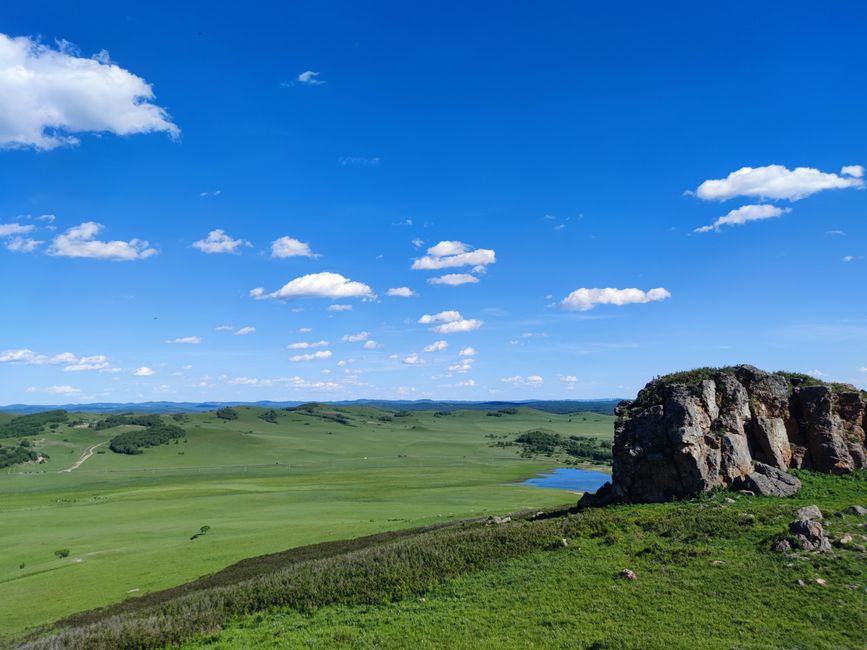
June marks the beginning of summer, with temperatures steadily rising and the landscape bursting into vibrant green after the long winter. Wildflowers bloom across the steppes, painting the rolling hills with a kaleidoscope of colors. Days are long, offering ample time for trekking, horseback riding, and exploring national parks. While comfortable, expect some rain showers, especially in the northern mountainous regions. However, these are usually brief and interspersed with sunshine.
July and August represent the height of summer and the peak tourist season. Temperatures are warmest, averaging between 15°C and 25°C (59°F and 77°F) across much of the country. The Gobi Desert, while always hot, becomes more manageable for exploration, though midday sun can still be intense. This is the prime time for multi-day treks, camel safaris in the Gobi, and extensive horseback riding expeditions. The long daylight hours (up to 16 hours) allow for maximum exploration time. The Naadam Festival, Mongolia’s national holiday celebrating traditional sports, typically falls in mid-July, drawing significant crowds and offering a unique cultural immersion. Booking accommodations and tours well in advance is highly recommended during these months.
The advantages of visiting in summer are numerous. The accessibility of remote regions is at its highest, with roads generally in better condition. Most tourist infrastructure, including guesthouses and tour operators, is fully operational. The vibrant green steppes are visually stunning, and the weather is conducive to all forms of outdoor adventure. However, the downsides include higher prices for flights and accommodation, increased competition for popular attractions, and larger crowds, especially around festivals and major tourist hubs. For those seeking a comfortable and comprehensive introduction to Mongolia’s natural beauty and nomadic culture, summer is the undisputed champion.
Autumn (September to October): The Golden Season of Culture and Color
Autumn in Mongolia, often referred to as the "Golden Season," offers a stunning visual spectacle and a more tranquil travel experience compared to the summer peak. The landscape transforms into hues of gold, amber, and rust, creating a breathtaking backdrop for exploration. The weather is generally crisp and clear, with cooler temperatures and less rainfall.
September is a transition month. While the days are still long and pleasant, the evenings begin to cool. The autumn foliage is at its peak in mountainous regions like Khuvsgul and the Altai Mountains, providing photographers with incredible opportunities. The crowds of summer have dissipated, offering a more serene and intimate experience. This is an excellent time for hiking, horseback riding, and cultural immersion, as nomadic families are busy with the autumn harvest and preparing for winter.
October sees temperatures dropping further, with daytime averages ranging from 5°C to 15°C (41°F to 59°F). Frost becomes common in the mornings and evenings, and snow is possible in higher altitudes. While outdoor activities are still feasible, particularly in the southern regions like the Gobi, warmer clothing is essential. The skies are often a brilliant, clear blue, offering exceptional stargazing opportunities. The reduced number of tourists means you can explore at your own pace and engage more deeply with local communities.
The benefits of visiting in autumn include the stunning scenery, fewer crowds, and potentially lower prices compared to summer. The crisp air is invigorating for outdoor activities, and the harvest season offers a glimpse into the traditional livelihoods of nomadic people. The Gobi Desert can be particularly appealing in autumn, with more moderate temperatures for exploring its unique geological formations. However, the decreasing daylight hours and the increasing likelihood of colder weather might limit certain activities. For travelers who appreciate dramatic landscapes, photographic opportunities, and a more peaceful journey, autumn presents a compelling choice.
Spring (April to May): The Awakening of the Steppes and Cultural Beginnings
Spring in Mongolia is a period of dramatic transition. After a long and harsh winter, the country slowly awakens, transforming from a frozen landscape into the beginnings of a vibrant green expanse. This season offers a unique perspective on Mongolia’s resilience and the return of life.
April is still very much a winter month in many parts of Mongolia. Temperatures are cold, with averages often below freezing, and snow is prevalent. However, daylight hours are increasing, and the first signs of spring begin to appear. Some hardy travelers might venture out during this time, attracted by the stark beauty of the winter landscape and the potential for lower prices. However, accessibility can be a significant challenge, with many roads still impassable due to snow and ice.
May is when spring truly begins to take hold. Temperatures rise significantly, and the snow melts rapidly, leading to muddy conditions in many areas. The steppes begin to turn green, and wildflowers start to bloom, though not with the same intensity as in summer. This is a time of great activity for nomadic herders as their livestock begin to give birth. The landscape is a mix of thawing earth and emerging greenery, offering a dynamic and evolving visual experience.
The primary advantage of visiting in spring is witnessing the country’s rebirth. The emergence of life from winter’s grip is a powerful and moving sight. It’s also a time when tourist numbers are at their lowest, offering a truly authentic and uncrowded experience. Prices for accommodation and tours might be more affordable. However, the significant downsides are the unpredictable weather, which can still be cold with potential for late snowfalls, and the muddy conditions that can make travel difficult, especially in rural areas. Some tourist facilities may still be closed or operating on limited hours. For those seeking a more adventurous and off-the-beaten-path experience, and who are prepared for variable weather, spring can be a rewarding time to visit. It’s particularly interesting for observing the beginning of the herding cycle.
Winter (November to March): The Harsh Beauty and Cultural Immersion
Winter in Mongolia is a truly extreme experience, characterized by incredibly cold temperatures, vast snow-covered landscapes, and a unique serene beauty. While not for the faint of heart, visiting during this season offers a distinct and unforgettable encounter with Mongolian culture and resilience.
November marks the onset of winter. Temperatures begin to plummet, and snow starts to fall more consistently. Daylight hours shorten considerably. While the landscape is still transitioning, the signs of winter are unmistakable. Many tourist facilities begin to close down, and travel becomes increasingly challenging.
December, January, and February are the coldest months, with average temperatures ranging from -15°C to -35°C (-5°F to -31°F), and often dropping much lower in remote areas. Mongolia experiences some of the coldest inhabited temperatures on Earth. However, the landscape is transformed into a pristine white wonderland. The sun, when it appears, is bright and casts a beautiful glow on the snow. This is the prime time for winter-specific activities.
The "Ice Festival" on Khuvsgul Lake, typically held in March, is a major attraction, showcasing ice sculptures, traditional games, and a unique glimpse into winter life. The Tsagaan Sar (Mongolian Lunar New Year), usually celebrated in February or March, is a significant cultural event where families gather and share traditional foods. Experiencing this festival offers deep cultural immersion.
The advantages of visiting in winter are the unparalleled tranquility, the stunningly dramatic landscapes, and the opportunity to experience authentic Mongolian hospitality without the crowds. It’s an excellent time for photography, particularly of snow-covered mountains and frozen lakes. The chance to witness and participate in winter festivals is a significant draw. However, the extreme cold is the primary challenge, requiring specialized gear and careful planning. Travel can be severely restricted due to snow and ice. Many tourist amenities will be unavailable. This season is best suited for experienced travelers comfortable with extreme conditions and those who prioritize cultural immersion and unique landscapes over comfortable weather.
Beyond the Seasons: Festivals and Specific Interests
Beyond the general seasonal considerations, specific festivals and individual interests can heavily influence the best time to visit Mongolia.
The Naadam Festival in mid-July is the most significant cultural event in Mongolia. It’s a celebration of traditional Mongolian sports: wrestling, horse racing, and archery. While a spectacular experience, expect large crowds and higher prices during this period. If your primary goal is to witness this iconic festival, then mid-July is your target.
The Golden Eagle Festival in Western Mongolia, typically held in early October, showcases the ancient tradition of eagle hunting practiced by Kazakh communities. This is a visually stunning event, and the autumn colors provide a magnificent backdrop. For photographers and cultural enthusiasts interested in this specific tradition, early October is ideal.
For those interested in nomadic life and homestays, summer and early autumn (June to September) are generally the most accessible and comfortable times. During these months, nomadic families are more likely to be settled in their summer pastures, and the weather is more conducive to travel between camps.
If stargazing is a priority, the clear, dry air of autumn and winter offers exceptional opportunities. The absence of light pollution in much of Mongolia makes for breathtaking celestial displays.
For trekkers and hikers, summer (June to August) provides the longest daylight hours and the most reliable weather. However, spring (May) and autumn (September) can also offer excellent trekking conditions with fewer people.
Conclusion
The best time to visit Mongolia is not a one-size-fits-all answer. It depends entirely on what you want from your Mongolian adventure. For the majority seeking comfortable weather and broad accessibility for all activities, summer (June to August) reigns supreme, particularly for experiencing the Naadam Festival. Autumn (September to October) offers a stunning visual feast with fewer crowds, making it a prime choice for photographers and those seeking a more tranquil experience, along with the Golden Eagle Festival. Spring (April to May) is for the adventurous, witnessing the land’s rebirth with fewer tourists but unpredictable weather. Winter (November to March) provides a starkly beautiful and culturally rich, albeit extremely cold, experience, ideal for those seeking unparalleled tranquility and unique winter festivals. By carefully considering the seasonal characteristics and your personal travel priorities, you can pinpoint the perfect time to embark on your journey to this extraordinary land.


