
Best National Parks Cambodia

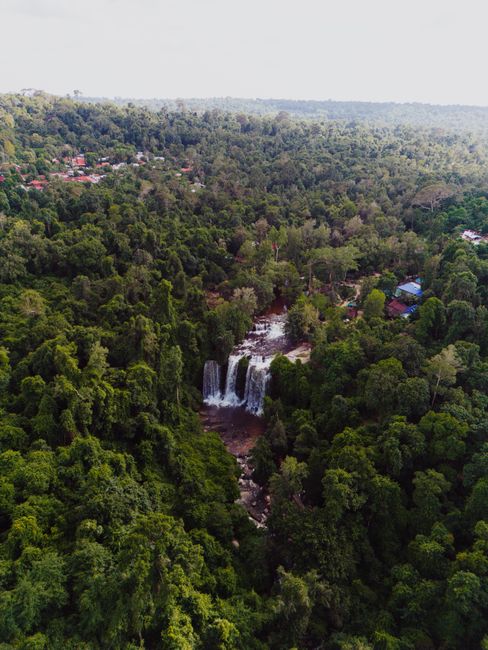
Cambodia’s Premier National Parks: An In-Depth Exploration for Eco-Tourists and Adventurers
Cambodia, a nation rich in history and vibrant culture, also boasts an astonishing array of natural beauty, largely preserved within its network of national parks. These protected areas offer a critical sanctuary for diverse flora and fauna, alongside opportunities for unparalleled adventure and cultural immersion. For travelers seeking an authentic and ecologically responsible experience, understanding Cambodia’s best national parks is paramount. This article delves into the top destinations, highlighting their unique ecosystems, wildlife, conservation efforts, and the activities that make them unmissable.
Virachey National Park: The Wild Heart of Cambodia
Situated in the northeastern province of Ratanakiri, Virachey National Park stands as Cambodia’s largest and most biodiverse protected area. Its remote location and rugged terrain have largely shielded it from extensive development, resulting in a remarkably pristine wilderness. Virachey is characterized by its dense evergreen forests, rolling hills, and significant mountain ranges, including the titular Mount Virachey, Cambodia’s highest peak. The park is a vital stronghold for a plethora of endangered species, many of which are rarely seen elsewhere.
Flora and Fauna: The park’s diverse topography supports a rich tapestry of plant life, from towering dipterocarp trees to rare orchids and medicinal plants. Its fauna is equally impressive, with confirmed sightings and strong evidence of Asian elephants, tigers, leopards, clouded leopards, sun bears, gibbons (including the endangered northern white-cheeked gibbon), various deer species, and an astonishing array of birdlife, including hornbills and pheasants. Reptiles and amphibians also thrive in this biodiverse environment.
Conservation Efforts: Virachey is a cornerstone of Cambodia’s conservation strategy, facing ongoing challenges from illegal logging, poaching, and encroachment. Efforts are primarily focused on anti-poaching patrols, habitat restoration, and community engagement to foster sustainable land use practices. International collaborations play a crucial role in supporting these initiatives.
Activities and Experiences: Exploring Virachey National Park is an undertaking for the truly adventurous. Multi-day treks are the primary way to experience its interior, often involving camping in remote jungle clearings. Guided expeditions are essential, not only for safety and navigation but also for understanding the intricate ecology and cultural significance of the region. Opportunities exist for wildlife spotting, birdwatching, and experiencing the traditional lifestyles of indigenous communities who inhabit the park’s periphery. The park’s inaccessibility contributes to its exclusivity, offering a profound sense of discovery for those willing to venture off the beaten path. Planning for Virachey requires significant preparation, including obtaining necessary permits and arranging experienced local guides.
Cardamom Mountains National Parks: A Biodiversity Hotspot
The Cardamom Mountains, a sprawling range in southwestern Cambodia, are not a single national park but rather a series of interconnected protected areas, including Phnom Samkos Wildlife Sanctuary, Phnom Aural Wildlife Sanctuary, and Kirirom National Park, all contributing to the vast ecological integrity of the region. This region is considered one of Southeast Asia’s last great wildernesses, a critical refuge for biodiversity.
Flora and Fauna: The Cardamoms are characterized by a mosaic of habitats, from humid evergreen forests and montane forests to savannas and significant river systems. This diversity supports an exceptional array of species, including the globally endangered Siamese crocodile, Irrawaddy dolphins in its rivers, Asian elephants, tigers, leopards, dholes (Asiatic wild dogs), sun bears, and a rich diversity of primates, such as the agile gibbon and the slow loris. The region is also a significant bird migration route and home to numerous endemic plant species.
Conservation Efforts: The Cardamom Mountains face threats from illegal logging, agricultural expansion, and wildlife poaching. Conservation efforts are multifaceted, involving protected area management, community-based conservation programs, habitat restoration, and the establishment of wildlife corridors to connect fragmented populations. Organizations like the Wildlife Conservation Society (WCS) and the Cambodian Ministry of Environment are instrumental in these efforts.
Activities and Experiences: The Cardamom Mountains offer a more accessible yet still wild experience compared to Virachey. Trekking is a popular activity, with trails ranging from moderate day hikes to multi-day expeditions. Kayaking and boating on the Tonle Sap river and its tributaries provide opportunities to spot riverine wildlife. Birdwatching is exceptional, with dedicated tours available. Responsible ecotourism initiatives are actively promoted, with opportunities to stay in eco-lodges and support community-based tourism projects that directly benefit local livelihoods and conservation. The contrast between the dense jungle, cascading waterfalls, and the resilience of endangered species makes the Cardamoms a compelling destination.
Kulen Mountain National Park (Phnom Kulen): A Sacred Natural and Historical Treasure
Located in Siem Reap province, Phnom Kulen National Park holds immense cultural and historical significance, in addition to its natural beauty. It is revered as a sacred mountain by Khmer people and was the site of the ancient capital of Mahendraparvata, the first capital established by King Jayavarman II in the 9th century, marking the beginning of the Angkorian Empire.
Flora and Fauna: While not as wild or as rich in large fauna as Virachey or the Cardamoms, Phnom Kulen is characterized by lush tropical rainforests, a cool microclimate, and numerous waterfalls, including the impressive Linga River and the multi-tiered cascade of the Grand Fall. The park is home to a variety of bird species, smaller mammals, and a significant population of macaques. Its primary draw, however, lies in its natural beauty combined with its profound historical and spiritual context.
Conservation Efforts: Conservation in Phnom Kulen focuses on protecting its natural resources from over-tourism and pollution, while also preserving its delicate ecosystem. Efforts include waste management, responsible visitor behavior promotion, and protecting the natural integrity of its water sources.
Activities and Experiences: Visitors to Phnom Kulen can explore its numerous attractions, including the River of a Thousand Lingas, carved with intricate phallic symbols, and the sacred Buddhist statues. The waterfalls offer opportunities for swimming and relaxation. The park is a popular day trip from Siem Reap, easily accessible by road. Guided tours often incorporate explanations of the historical significance of the site, its religious importance, and the geological features. It offers a unique blend of natural wonder, spiritual pilgrimage, and historical exploration.
Botum Sakor National Park: A Coastal Wilderness Under Threat
Botum Sakor National Park, located in the southwestern province of Koh Kong, is Cambodia’s second-largest national park and represents a significant coastal and estuarine ecosystem. It encompasses a vast area of mangrove forests, dense lowland evergreen forests, and a coastline that is home to a diverse range of marine and terrestrial wildlife.
Flora and Fauna: The park is crucial for coastal biodiversity, with its mangrove forests serving as vital nurseries for marine life and important habitats for numerous bird species, including kingfishers and egrets. The terrestrial forests are home to species like the Eld’s deer, banteng, and various primates. The park’s marine environment is also important for fish populations and potentially for marine mammals, although comprehensive surveys are ongoing.
Conservation Efforts: Botum Sakor faces significant threats from illegal land clearing for agriculture, illegal logging, and infrastructure development. Conservation efforts are challenging due to the park’s size and the complex socio-economic pressures in the region. Initiatives focus on strengthening park management, combating illegal activities, and exploring community-based conservation models. However, the park’s future remains a concern.
Activities and Experiences: Visiting Botum Sakor offers a glimpse into a threatened coastal wilderness. Ecotourism opportunities are developing, often focusing on boat trips through the mangrove forests to observe birdlife and the unique estuarine environment. Trekking can be undertaken in designated areas, but requires local guidance and a strong emphasis on responsible travel. The park’s remoteness and the ongoing conservation challenges make it a destination for those interested in understanding the complexities of conservation in developing nations and witnessing a fragile ecosystem.
Peam Krasaop Wildlife Sanctuary: A Coastal Mangrove Ecosystem
Adjacent to Botum Sakor and also within Koh Kong province, Peam Krasaop Wildlife Sanctuary is a vital protected area primarily characterized by its extensive mangrove forests and coastal mudflats. This sanctuary plays a crucial role in protecting the delicate balance of the coastal ecosystem and the diverse species that depend on it.
Flora and Fauna: The sanctuary’s primary ecological feature is its dense mangrove forest, a critical habitat for a wide array of bird species, including various herons, egrets, and migratory birds. The waters are important for fish populations, and the mudflats support invertebrates that form the base of the food web. While not typically associated with large terrestrial mammals like inland parks, its importance for avian life and marine productivity is undeniable.
Conservation Efforts: Conservation in Peam Krasaop focuses on managing the mangrove ecosystem, combating illegal fishing practices that can damage the habitat, and promoting sustainable use of coastal resources. Community involvement is key to its long-term protection.
Activities and Experiences: Peam Krasaop is ideal for birdwatching and experiencing the unique environment of mangrove ecosystems. Boat tours are the primary way to explore the sanctuary, offering excellent opportunities to observe the abundant birdlife and learn about the ecological significance of mangroves. Visitors can also witness the traditional livelihoods of communities that depend on the coastal resources. It’s a destination for those interested in coastal ecology and the importance of mangrove conservation.
Conclusion for SEO: Cambodia’s national parks offer an unparalleled opportunity to connect with nature, witness incredible biodiversity, and contribute to vital conservation efforts. From the remote wilderness of Virachey to the sacred beauty of Phnom Kulen and the critical coastal ecosystems of the Cardamoms and Koh Kong, these parks represent the crown jewels of Cambodia’s natural heritage. Responsible ecotourism is not just a travel choice; it’s a vital component of their continued existence, ensuring that future generations can experience the magic of these protected landscapes. Planning an adventure to these national parks requires research, preparedness, and a commitment to sustainable travel.


