Amazon Quick User Group United Kingdom Celebrates 2026 Yearly Roundup of Innovation, Agentic AI, and Collaboration


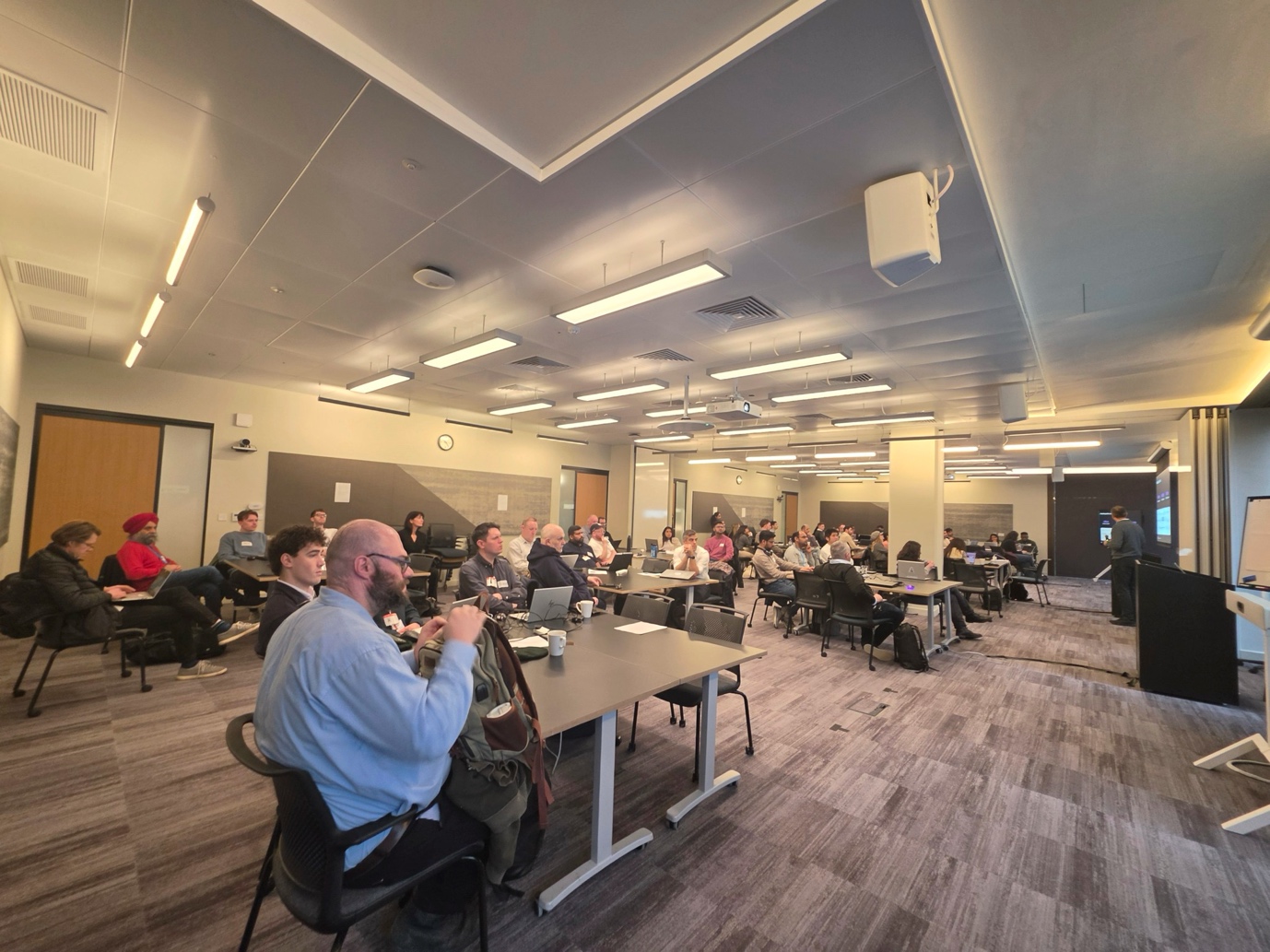
The Amazon Quick User Group United Kingdom has officially published its comprehensive 2026 yearly roundup, marking a transformative period of growth, technical collaboration, and community-driven innovation. Since its foundational launch earlier in the year, the collaborative forum has successfully convened more than 150 practitioners, developers, and analytics leaders across three high-impact quarterly meetups. Hosted at the Amazon UK Corporate Office in Shoreditch, London, these quarterly gatherings have evolved far beyond traditional slide-deck presentations into dynamic laboratories where data professionals build, test, and deploy real-world enterprise solutions.
Against a backdrop of rapidly accelerating technological expectations, organizations across industries are under immense pressure to convert data chaos into streamlined operational efficiencies. The United Kingdom chapter of the Amazon Quick community has positioned itself at the forefront of this movement, emphasizing the tangible application of agentic AI and advanced analytics infrastructure. By fostering an environment where members experiment directly with custom tools in provisioned sandbox accounts, the user group has redefined how modern enterprises approach decision-making, automated workflows, and governed data layers.
Chronology and Evolution of the Quarterly Meetups
The trajectory of the UK Amazon Quick User Group throughout 2026 illustrates a deliberate maturation from exploratory networking to intensive technical participation. The inaugural gathering in the first quarter established the foundational framework for the community. Focused heavily on introductions and live product demonstrations, Q1 addressed the universal corporate challenge of bridging the gap between raw analytical data and frontline operational teams. Early sessions highlighted systemic communication bottlenecks within complex logistical environments, setting the stage for collaborative problem-solving.
By the second quarter, the community had refined its structural approach to maximize audience engagement. Recognizing the necessity of breaking down traditional professional barriers early in the day, organizers introduced interactive icebreaker quizzes alongside highly targeted technical workshops. These sessions focused on optimizing foundational data definitions and deploying automated data flows. The intentional pivot toward hands-on experimentation immediately yielded higher satisfaction metrics from attendees, who appreciated the direct correlation between the workshop exercises and their daily corporate challenges.
Entering the third quarter, the user group solidified its reputation as an advanced incubator for agentic AI and multi-agent workflow automation. Q3 featured specialized panel discussions, peer-led presentations, and structured networking slots designed to accommodate the organic tendency of participants to remain long after formal sessions concluded. The inclusion of audience-sourced questions directed toward invited technical specialists elevated the intellectual rigor of the room, enabling practitioners to directly connect high-level architectural insights with their organization-specific operational hurdles.
Real-World Enterprise Implementations and Measurable Impact
The core strength of the UK Amazon Quick User Group has consistently resided in its commitment to authentic, peer-led case studies. Rather than relying on theoretical vendor narratives, each quarterly meetup features prominent organizations detailing their specific implementation hurdles, deployment strategies, and measurable business outcomes.
During the Q1 meetup, Sofia Bourika’s team at Arriva UK Trains presented a compelling case regarding critical information dissemination for mobile workforces. Station and train managers, perpetually on the move and reliant exclusively on mobile devices, previously struggled with delayed access to operational metrics. By developing dynamic, role-based dashboards coupled with pixel-perfect reports automatically delivered via scheduled email alerts, Arriva provided frontline managers with immediate visibility into performance and incident management. This strategic intervention fostered a more robust data-driven culture and accelerated emergency response times.
The Q2 narrative shifted toward the fundamental architecture required before scaling artificial intelligence initiatives. Tobi Daramola presented the analytics transformation at Carsa, a prominent used-car retailer. Historically, the company’s analytics department functioned as a traditional service desk, fielding isolated inquiries and generating disparate dashboards that frequently produced conflicting metrics. Recognizing this as a core definitions problem rather than a pure data storage issue, Carsa established a single governed data layer. By consuming these standardized metrics through Amazon Quick and integrated AI assistants, Carsa eliminated 50 percent of its redundant dashboards while simultaneously surfacing deeper insights. Consequently, the organization achieved a 10-percent improvement in customer satisfaction scores within 30 days, a 20-percent increase in same-day customer complaint resolution rates, and a reduction in recurring task completion times from 45 minutes to just five minutes.
By Q3, the focus advanced decisively into large-scale workflow automation and agentic architectures. Propulse Lab, a Swiss operating system provider for business-to-consumer subscription enterprises, detailed their experience handling approximately one million customer support tickets annually. Facing severe resource constraints, the company deployed a multi-agent AI pipeline built via Amazon Quick Automate, utilizing patterns derived from historical customer interactions. This implementation compressed average request handling times from seven minutes down to 70 seconds while fully automating 80 percent of routine operational workflows. Guirec Lecointre, Growth Operations Specialist at Propulse Lab, noted that what was once a traditional cost center evolved into an autonomous growth engine, allowing product managers to oversee the infrastructure without writing code while support teams redirected their focus toward proactive revenue-generation.
Interactive Workshops and Technical Empowerment
A defining characteristic of the UK Amazon Quick User Group meetups is the mandatory inclusion of a 75-minute hands-on workshop during every event. Moving past passive observation, attendees utilize provisioned sandbox accounts to construct functional solutions under the guidance of experienced practitioners.
Throughout the year, participants utilized these workshops to build custom chat agents capable of operating without traditional code development, test Amazon Quick Desktop applications integrated with local file systems and Microsoft Outlook connectors, and leverage Amazon Quick Apps to transform plain-language descriptions into functioning web applications. Additional sessions explored automated process orchestration through Amazon Quick Flows and Amazon Quick Automate, alongside research accelerators designed to minimize information retrieval overheads.
This experiential learning model consistently receives top marks in post-event feedback evaluations. Attendees frequently express a desire for extended access to the isolated workshop environments, underscoring the immediate practical utility of the exercises for their respective corporate projects.
Community Leadership and Ecosystem Support
The continuous success of the Amazon Quick User Group United Kingdom is heavily attributable to the dedicated collaboration of its multi-organizational leadership committee and key ecosystem partners. Instrumental in orchestrating the year’s milestones were Liam Yusuph (AI and Data Delivery Lead at Data Reply), Priyanka Bettaswamygowda (Solutions Architect at AWS), Sahar Shahbaz (Data Analyst at Data Reply), Sofia Bourika (Lead BI Developer at Arriva), Tobi Daramola (Senior Data and Analytics Lead at Carsa), Ali Hayat (AV Support Associate at Amazon), Lam Phan (BI Developer at AWS), and Rikhi Singh (ADC Engineer at AWS).
Furthermore, foundational contributions from AWS Partner Data Reply have significantly strengthened the thought leadership and operational execution of every meetup. This collaborative ecosystem extends globally through the broader Amazon Quick Community website, which boasts tens of thousands of registered members, thousands of searchable technical threads, and over 600 learning resources dedicated to maximizing enterprise productivity through agentic AI and advanced analytics.
Broader Industry Implications and Future Outlook
The maturation of regional user groups such as the UK Amazon Quick User Group reflects a broader structural evolution in enterprise technology adoption. As artificial intelligence and machine learning transition from experimental novelties into core operational necessities, localized peer communities serve as vital knowledge-transfer hubs. By emphasizing open dialogue regarding implementation failures alongside deployment successes, these forums significantly shorten the enterprise learning curve.
Analysis of the 2026 meetup metrics indicates that peer-validated implementations generate higher internal corporate buy-in than traditional vendor-led sales pitches. When enterprise data leaders observe tangible return on investment achieved by peer organizations facing identical regulatory and structural constraints, internal friction regarding digital transformation initiatives is markedly reduced.
As the UK chapter prepares for its upcoming programming cycle, the organizing committee remains committed to iterative refinement based on participant feedback. By maintaining a flexible agenda that prioritizes peer-led customer stories, rigorous technical workshops, and cross-industry networking, the community is well-positioned to continue shaping the future of data-driven decision-making across the United Kingdom. Professionals interested in joining the growing network or participating in upcoming quarterly sessions can engage directly through the official Amazon Quick User Group United Kingdom LinkedIn network or access global learning assets via the Amazon Quick Community platform.
Related posts: