Tag Low Cost Carriers
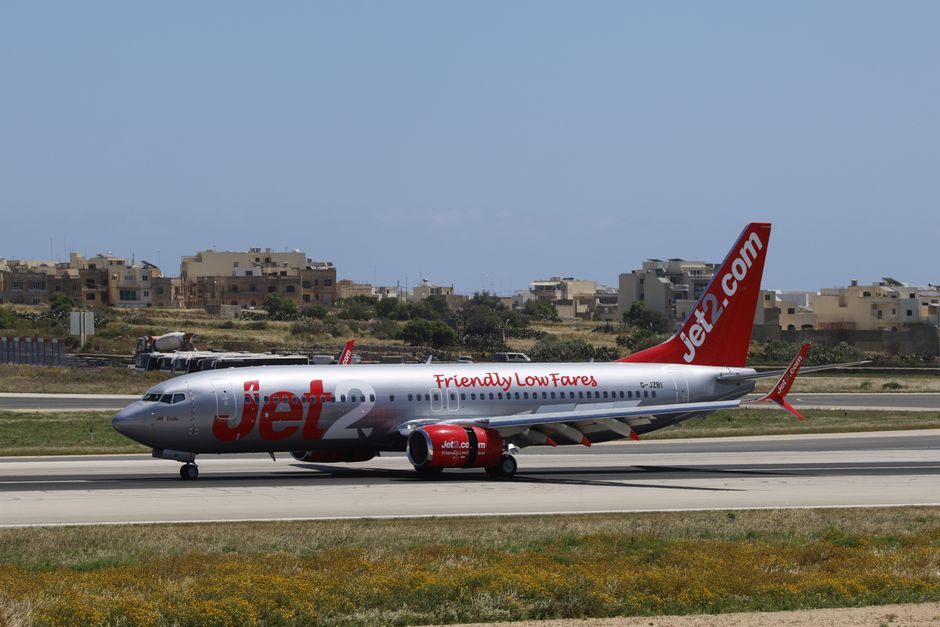
The Rise of Low-Cost Carriers: Revolutionizing Air Travel for the Budget-Conscious Traveler
The advent and subsequent proliferation of Low-Cost Carriers (LCCs), often referred to as budget airlines, have fundamentally reshaped the landscape of air travel. These airlines, characterized by their lean operational models and focus on affordability, have made flying accessible to a broader demographic than ever before. This paradigm shift has been driven by a strategic dismantling of traditional airline service structures, passing on significant cost savings to consumers. Understanding the core principles and operational efficiencies that define LCCs is crucial for any traveler seeking to maximize their budget without compromising on the ability to explore new destinations. The impact of LCCs extends beyond individual savings, influencing airport infrastructure, ancillary service markets, and even broader economic development through increased tourism.
The fundamental operational philosophy of LCCs revolves around cost minimization at every stage of the flight process. This begins with a simplified aircraft fleet, typically comprising a single type of aircraft, most commonly the Boeing 737 or Airbus A320 family. This standardization drastically reduces costs associated with pilot training, maintenance, spare parts inventory, and operational complexity. Mechanics are trained on fewer systems, and flight crews can operate across the entire fleet without extensive retraining. This uniformity also allows for quicker turnaround times at airports, as the same equipment and procedures can be applied to every flight. By maximizing aircraft utilization, LCCs ensure that their expensive assets are generating revenue for a greater proportion of the day, a critical factor in driving down per-seat costs.
A key element in the LCC model is the strategic selection of airports. Many LCCs opt to operate from secondary or smaller airports, often located further from major city centers. These airports typically have lower landing fees, less congested airspace, and a greater willingness from airport authorities to offer incentives to attract airlines. While this may require passengers to factor in additional ground transportation costs and time, the savings on airfare often far outweigh these considerations. Furthermore, these secondary airports are less prone to delays caused by air traffic control congestion, contributing to the LCCs’ reputation for relatively punctual operations, despite their budget focus. The lack of extensive gate infrastructure at these airports also facilitates quicker turnarounds, as aircraft can often park at remote stands and be boarded via stairs, eliminating the need for expensive jet bridges.
The LCC business model is intrinsically linked to high seat density within the cabin. To maximize revenue per flight, LCCs typically configure their aircraft with more seats than traditional carriers. This is often achieved by reducing seat pitch (the distance between rows) and eliminating premium cabin classes like first or business class. While this can result in a more cramped experience for some passengers, the significantly lower ticket prices are the primary draw. The focus is squarely on the essential service of transportation from point A to point B, with all other amenities treated as optional extras. This direct correlation between seat density and per-seat revenue is a cornerstone of their profitability, allowing them to offer fares that are often a fraction of what legacy carriers charge.
Ancillary revenue is another critical pillar supporting the LCC model. While base fares are kept exceptionally low, LCCs generate substantial income from a wide array of supplementary services that passengers can purchase. These include checked baggage fees, carry-on baggage fees (often for larger bags), seat selection fees, priority boarding, in-flight food and beverages, travel insurance, and even charging for printing boarding passes at the airport. This "unbundling" of services allows passengers to pay only for what they use, further enhancing the perceived value of the low base fare. For LCCs, these ancillary services are not just revenue streams; they are integral to their profitability, often carrying higher profit margins than the ticket itself. This has led to an innovative and often aggressive approach to offering and marketing these add-ons.
The distribution strategy of LCCs also plays a vital role in their cost efficiency. Many LCCs eschew traditional travel agents and global distribution systems (GDS) in favor of direct sales through their own websites and mobile applications. This direct-to-consumer model eliminates intermediary commissions and provides LCCs with greater control over their pricing and marketing. Online booking also allows for dynamic pricing, where fares can fluctuate based on demand and time of booking. Passengers are incentivized to book further in advance to secure the lowest fares, contributing to revenue management and forecasting. The simplicity of their booking platforms, often devoid of complex fare rules or booking classes, further streamlines the customer journey and reduces administrative overhead.
The operational efficiency of LCCs is further enhanced by their approach to aircraft maintenance and staffing. Many LCCs employ a lean workforce, with multi-skilled cabin crew who can perform various duties. Ground staff are often minimized, with passengers expected to handle more tasks themselves, such as self-check-in and self-baggage tagging. Maintenance schedules are optimized to minimize aircraft downtime, with many routine checks performed overnight or during short layovers. The single-fleet commonality simplifies maintenance procedures, as mechanics are already intimately familiar with the aircraft’s systems. This focused approach to operational management directly translates into lower labor and maintenance costs, which are then reflected in lower ticket prices.
The impact of LCCs on traditional, full-service carriers has been profound. Faced with the aggressive pricing of LCCs, legacy airlines have been forced to adapt. Many have introduced their own "basic economy" fares, stripping back services to compete with budget offerings. Others have established their own LCC subsidiaries to capture a different market segment. The pressure from LCCs has also driven greater efficiency across the entire industry, forcing all airlines to re-evaluate their cost structures and operational models. This competitive dynamic has ultimately benefited consumers, leading to a wider range of choices and more affordable air travel options.
For the budget-conscious traveler, understanding the LCC model is paramount to maximizing savings. It requires a shift in mindset from expecting a comprehensive service to embracing a transactional approach to air travel. Key strategies for successful LCC travel include booking well in advance, traveling with minimal luggage (ideally only a carry-on that fits the airline’s strict size and weight restrictions), being flexible with travel dates and times, and carefully reviewing all ancillary fees before booking. Passengers should also research ground transportation options from secondary airports to their final destination. By embracing the LCC philosophy of paying only for what you need, travelers can unlock access to destinations that were previously out of reach.
The environmental implications of LCCs are a complex and often debated topic. On one hand, the increased accessibility of air travel fueled by LCCs can lead to a rise in overall carbon emissions. However, LCCs often operate newer, more fuel-efficient aircraft due to their fleet standardization and the constant drive for cost reduction. Furthermore, by making flying more affordable, LCCs can potentially reduce reliance on more carbon-intensive forms of transportation for certain journeys, such as long-distance car travel. The debate continues as the industry grapples with sustainability, and LCCs, like all airlines, face increasing pressure to adopt greener practices.
The future of LCCs appears robust, with continued expansion into new markets and the exploration of innovative technologies to further reduce costs. As passenger expectations evolve, LCCs may also introduce tiered service levels within their budget framework, offering slightly more comfort or amenities for a marginally higher price, further segmenting the market. The ongoing digitalization of travel will also play a significant role, with LCCs likely to leverage artificial intelligence and big data to personalize offers and optimize operations. The core principles of efficiency, cost control, and direct passenger engagement are likely to remain central to their success, ensuring that low-cost carriers continue to be a dominant force in the global aviation industry and a crucial enabler of affordable travel for millions. The strategic focus on operational efficiency, secondary airports, ancillary revenue, and direct sales has created a sustainable and highly profitable business model that has democratized air travel.