Tag Mexico Travel Restrictions
Mexico Travel Restrictions: Navigating Entry and Stay Requirements for International Visitors
Navigating current Mexico travel restrictions is paramount for international visitors planning a trip. While Mexico has largely reopened its borders and aims to welcome tourists, understanding entry requirements, potential health protocols, and ongoing advisories is crucial for a smooth and enjoyable experience. This comprehensive guide will delve into the essential aspects of Mexico travel restrictions, focusing on visa requirements, health declarations, COVID-19 related measures, and other important considerations for a diverse range of nationalities.
Visa Requirements for Entry into Mexico:
Mexico’s visa policy is largely determined by a visitor’s nationality. For many countries, including most of North, Central, and South America, as well as numerous European nations, a visa is not required for tourist stays of up to 180 days. This category typically includes citizens of the United States, Canada, the United Kingdom, and the majority of the European Union member states. However, it is imperative to verify specific requirements based on your passport. The Mexican Secretariat of Foreign Affairs (Secretaría de Relaciones Exteriores – SRE) maintains an official list of countries whose citizens are exempt from requiring a visa for short stays. This list is subject to change, so always consult the most up-to-date information directly from the SRE website or the Mexican embassy or consulate in your country of residence.
For citizens of countries not on the visa-exempt list, obtaining a Mexican visa is a necessary step before travel. The process typically involves applying at a Mexican embassy or consulate, providing documentation such as a valid passport, proof of financial solvency (e.g., bank statements, pay stubs), a completed visa application form, and often a passport-sized photograph. Specific requirements may vary depending on the type of visa and the applicant’s circumstances. It’s advisable to initiate the visa application process well in advance of your planned travel dates to account for processing times and potential appointment availability. Tourist visas generally allow for stays of up to 180 days, but the exact duration will be specified on the visa stamp.
Immigration Forms and Declarations:
Upon arrival in Mexico, all international visitors will typically be required to complete an immigration form. This form, often referred to as the "Forma Migratoria Múltiple" (FMM) or its digital equivalent, is a declaration of entry and stay. Historically, this was a paper form distributed on aircraft or at ports of entry, with one part surrendered upon entry and the other kept by the traveler to be presented upon departure. Increasingly, Mexico is transitioning to digital FMMs, which can often be pre-filled online before arrival, streamlining the immigration process. Travelers should check with their airline or the Mexican immigration authority (Instituto Nacional de Migración – INM) for the most current procedure. The FMM requests information such as your name, nationality, passport details, port of entry, purpose of visit, and intended duration of stay. It is critical to retain the portion of the FMM issued to you, as failure to present it upon departure can result in fines or delays.
In addition to the FMM, visitors may be asked to complete a health declaration form, especially in the context of global health concerns. This form typically inquires about recent travel history, any symptoms of illness, and potential exposure to communicable diseases. Be prepared to answer these questions honestly and accurately. Compliance with these declaration requirements is a standard part of the immigration process.
Health and COVID-19 Related Travel Restrictions:
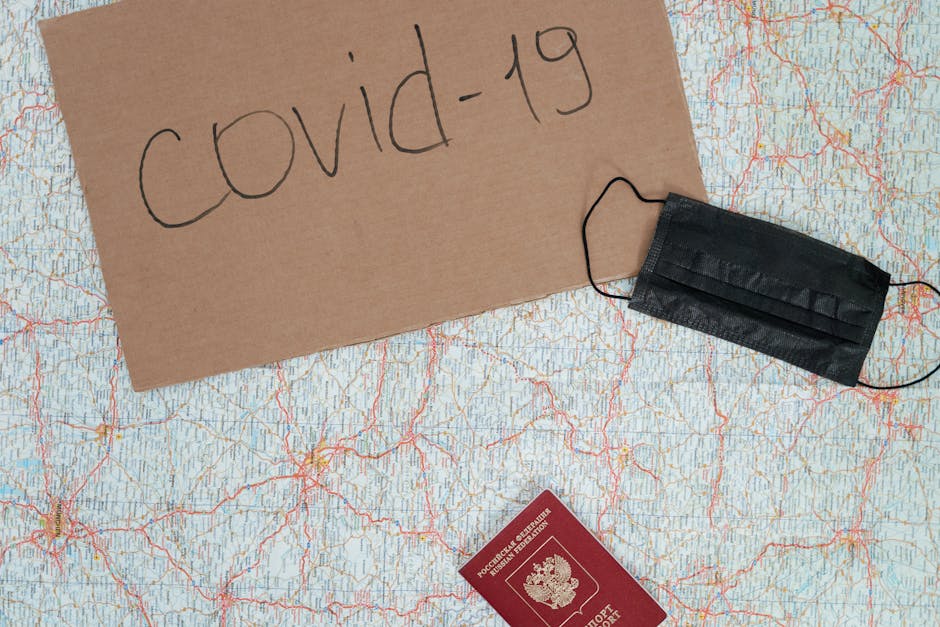
Mexico’s approach to COVID-19 related travel restrictions has evolved significantly since the pandemic’s outset. As of current regulations, pre-departure COVID-19 testing (PCR or antigen) is generally not a mandatory requirement for entry into Mexico for most international travelers. Similarly, proof of vaccination against COVID-19 is typically not a prerequisite for entry. This signifies a shift towards a more open travel environment compared to the earlier stages of the pandemic.
However, it is crucial to remain aware that health protocols can be dynamic. While formal testing and vaccination mandates have been lifted for entry, individual airlines or specific regions within Mexico might implement their own voluntary or advisory measures. For instance, some airlines might still recommend or require mask-wearing on board their flights. Upon arrival at Mexican airports, travelers may encounter temperature checks or other health screenings as part of routine public health surveillance. Should a traveler exhibit symptoms of illness, they may be subject to further assessment by health authorities.
It is highly recommended to monitor official advisories from the Mexican Ministry of Health (Secretaría de Salud) and your country’s foreign travel advice service. These sources will provide the most up-to-date information on any lingering or newly implemented health protocols. Travelers are also encouraged to practice good hygiene, including frequent handwashing and avoiding close contact with individuals who appear unwell. Travel insurance that covers medical emergencies, including those related to infectious diseases, is a prudent consideration for all international trips.
Customs and Import Restrictions:
Beyond entry and health protocols, travelers must also adhere to Mexico’s customs regulations regarding what can and cannot be brought into the country. There are limits on the quantity of certain items that can be imported duty-free. These typically include personal allowances for alcohol, tobacco, and perfumes. For example, there are specific limits on the number of liters of spirits, the number of packs of cigarettes, and the amount of perfume a traveler can bring for personal consumption without incurring duties. Exceeding these allowances will necessitate declaration and payment of applicable taxes.
There are also strict prohibitions on certain goods. These include firearms and ammunition (unless specifically authorized and declared through proper channels), illegal drugs, certain plant and animal products (to protect native ecosystems and prevent the spread of diseases), and counterfeit goods. It is essential to be aware of these restrictions to avoid confiscation of items, fines, or even legal repercussions. Travelers are encouraged to consult the Mexican Tax Administration Service (Servicio de Administración Tributaria – SAT) or the Mexican embassy for a comprehensive list of prohibited and restricted items. When in doubt, it is always best to declare items, as unintentional violations can still lead to penalties.
Vehicle Entry and Driving in Mexico:
For those planning to drive into Mexico, specific regulations apply. Tourists entering Mexico in their own vehicles will typically need to obtain a temporary import permit (Permiso de Importación Temporal de Vehículos) for their vehicle. This permit can often be arranged online through Banjercito (the Mexican customs bank) or at border crossings. The permit is usually linked to the tourist’s visa or entry stamp and is valid for the duration of their authorized stay, up to 180 days. It is crucial to have the vehicle’s title and registration readily available when applying for the permit.
Drivers in Mexico should be aware of local traffic laws and driving conditions, which can vary significantly from their home countries. It is advisable to obtain an international driving permit (IDP) in addition to your national driver’s license, although not always strictly mandatory for short tourist stays, it can facilitate interactions with authorities and car rental agencies. Ensure your vehicle is properly insured for driving in Mexico, as insurance purchased in your home country may not be valid. Road conditions can range from well-maintained highways to challenging unpaved roads, particularly in rural areas. It is also recommended to be aware of local driving customs and to exercise caution, especially when driving at night.
Currency and Financial Considerations:
While there are no specific currency restrictions for entering Mexico in terms of the amount of cash you can bring, it is advisable to be mindful of carrying excessive amounts of physical currency. The official currency of Mexico is the Mexican Peso (MXN). While US dollars are widely accepted in tourist areas, it is generally more advantageous to use local currency for better exchange rates and to avoid potential surcharges. ATMs are readily available in most cities and tourist destinations, offering a convenient way to withdraw Mexican Pesos. Credit and debit cards are also widely accepted, particularly in larger establishments, but it’s always wise to have some cash on hand for smaller vendors or markets.
Be aware of potential foreign transaction fees charged by your bank for purchases made in Mexico. Informing your bank of your travel dates and destinations can help prevent your cards from being flagged for suspicious activity and blocked. Exchange rates fluctuate, so checking the current rate before your trip is advisable.
Important Considerations for Specific Nationalities and Travelers:
While general guidelines cover most international visitors, certain nationalities or travel scenarios might have specific nuances to Mexico travel restrictions. For instance, citizens of countries with a higher risk of certain infectious diseases might be subject to additional health screenings or advisories. Travelers planning extended stays or engaging in activities other than tourism (such as work or study) will require different visa categories and will be subject to distinct regulations set by the INM.
Parents traveling with minors, especially if they are not accompanied by both biological parents, may need to carry notarized consent letters from the absent parent(s). This is a common immigration requirement to prevent child abduction. Always check the specific documentation requirements for minors traveling internationally.
For individuals with past immigration violations or criminal records, entry into Mexico could be denied. It is crucial to be transparent and declare any relevant information to Mexican immigration authorities to avoid complications. Proactive consultation with the nearest Mexican consulate or embassy is highly recommended in such circumstances.
Staying Updated on Mexico Travel Restrictions:
The landscape of travel restrictions can be fluid, influenced by global events and public health directives. Therefore, continuous monitoring of official sources is indispensable for anyone planning to travel to Mexico. The primary authorities to consult include:
- The Mexican Secretariat of Foreign Affairs (Secretaría de Relaciones Exteriores – SRE): This is the definitive source for visa requirements and general entry policies.
- The Mexican National Institute of Migration (Instituto Nacional de Migración – INM): This agency oversees immigration procedures at ports of entry.
- The Mexican Ministry of Health (Secretaría de Salud): For up-to-date information on health advisories and any lingering pandemic-related protocols.
- Your country’s Ministry of Foreign Affairs or State Department: These agencies provide essential travel advisories, safety warnings, and information on entry requirements for their citizens.
- Your airline: Airlines often have direct communication with immigration authorities and will provide guidance on necessary documentation and procedures.
By diligently researching and staying informed through these official channels, travelers can ensure they are well-prepared to comply with all current Mexico travel restrictions, facilitating a seamless and enjoyable journey.