University of Miami School of Architecture Selected to Represent the United States at the 2027 Venice Architecture Biennale

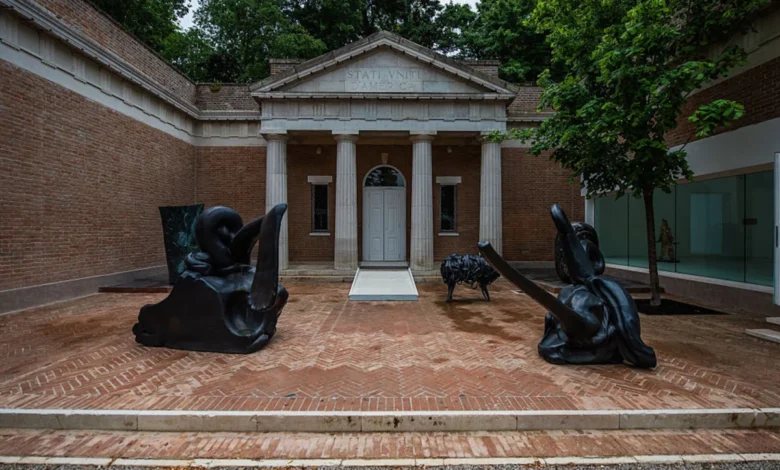
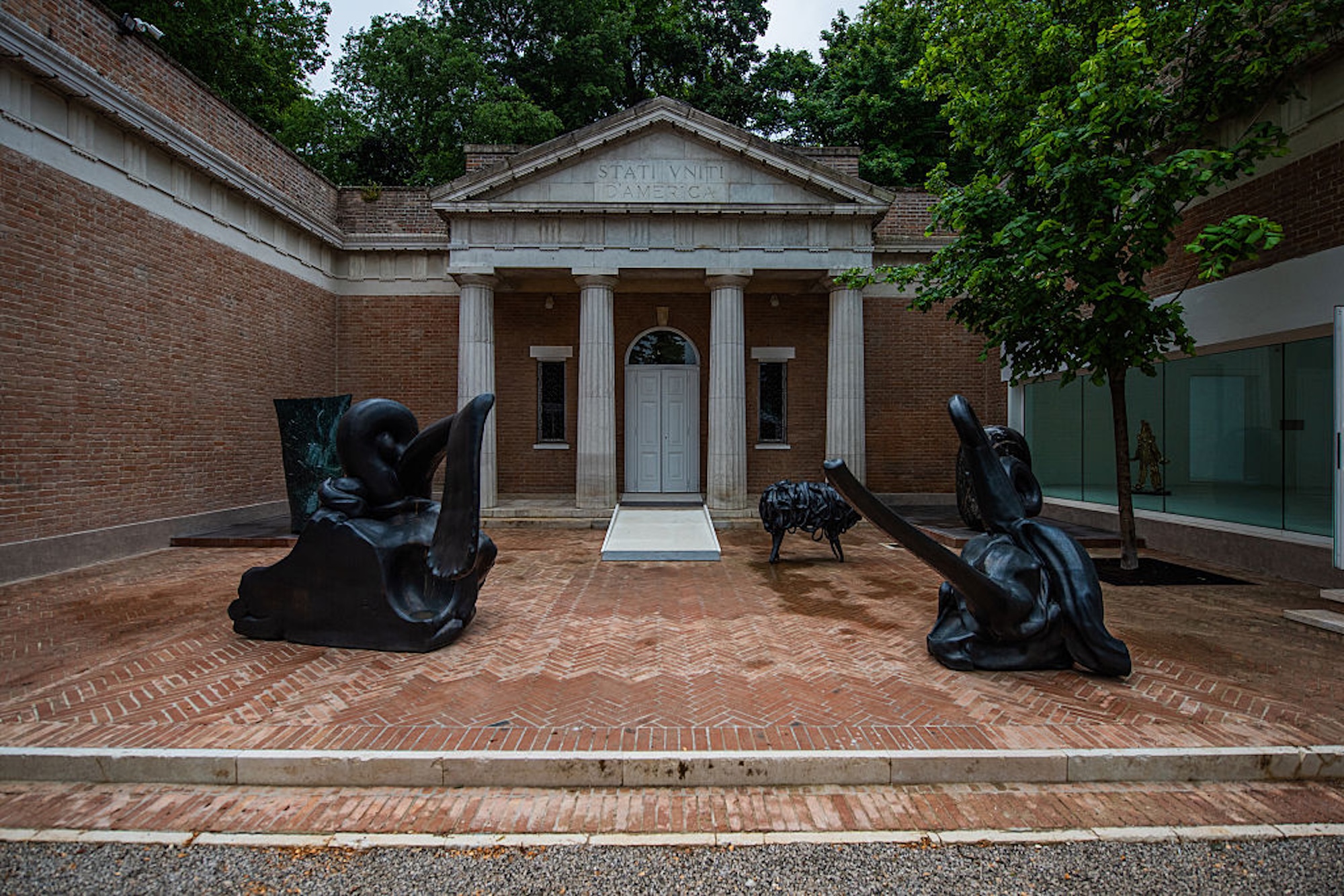
While the shifting tides of American political life dominated headlines this November, a significant cultural mandate was quietly issued by the United States Department of State. The federal agency has officially tapped the University of Miami School of Architecture (U-SoA) to helm the American presence at the 2027 Venice Architecture Biennale, the world’s most prestigious stage for architectural discourse. This selection marks a pivotal moment for U-SoA, positioning it to direct the narrative of the U.S. Pavilion, a 1930s Palladian-style structure nestled within the historic Giardini, during one of the most critical junctures for global architectural theory.
The curatorial team for the exhibition, titled Earth Craft, is led by the celebrated architect and educator Germane Barnes and architectural historian Vyta Pivo. Together, they intend to pivot away from the traditional, hero-centric architectural narratives that have long dominated such international exhibitions, focusing instead on the raw materials and the often-unacknowledged labor that physically manifests the American built environment.
The Curatorial Vision: Shifting Focus from Icon to Artisan
The thematic core of Earth Craft centers on the elemental substances that compose the nation’s infrastructure and housing stock. By centering the conversation on brick, adobe, rammed earth, and other foundational materials, the exhibition aims to reconcile the historical disconnect between the finished monument and the hands that shaped it.

"Most of the buildings we celebrate were made from ground somebody dug, shaped, and fired, and we rarely ask who did that or what they knew," Germane Barnes stated following the announcement. "Earth Craft represents the United States through its makers and not through its icons."
This perspective is deeply rooted in Barnes’ established body of work, which frequently interrogates the intersection of race, space, and identity. His previous contributions to the Venice Biennale, specifically the 2023 installation Griot, demonstrated a mastery of uncovering hidden histories. Griot explored the architectural legacy of the African diaspora, proving that Barnes is uniquely positioned to handle the complex, often fraught history of labor and construction in the United States.
Vyta Pivo, whose academic work focuses on the intersection of labor, environmental history, and industrial materials—specifically the history of the U.S. concrete industry—brings a structural rigor to the project. The synergy between Barnes’ design-led inquiry and Pivo’s historical research aims to present a comprehensive view of how the American landscape was, and continues to be, physically constructed.
A Multidisciplinary Collaborative Framework
The project is designed as an expansive, collaborative effort rather than a singular design statement. The preliminary roster of participants reflects a diverse array of expertise. It includes Nader Tehrani of the Boston-based firm NADAAA, known for his technical prowess in material assembly; Miami and Guatemala-based architects Carie Penabad and Adib Cúre; and U-SoA dean Rodolphe el-Khoury, who also leads the research group RAD-Lab.

Further expanding the exhibition’s scope, the team includes practitioner Leah Wulfman and the studio Merritt Chase. A vital component of the exhibition will be an installation within the pavilion’s courtyard, spearheaded by assistant professor Maxwell Jarosz and students from the University of Miami, ensuring that the next generation of architects is actively engaged in the production of the national pavilion.
The curatorial strategy explicitly addresses the role of technology in modern building practices. Rather than positioning computational design and robotics as the antithesis of traditional craftsmanship, the exhibition will explore their convergence. "The worker’s knowledge of soil, water, and heat is not a relic," Pivo noted. "We are putting it in the same building as robotic fabrication and computational design because the new tools work best when they learn from the hands that came first."
The Logistical and Financial Reality of the U.S. Pavilion
The responsibility of representing the United States in Venice is as much a logistical undertaking as it is a creative one. The U.S. Pavilion, managed by the State Department’s Bureau of Educational and Cultural Affairs, operates on a model that requires significant private fundraising. While the Department of State provides a $375,000 seed grant, the total cost of mounting a professional exhibition often exceeds $1 million.
Historical data from previous biennales highlights the immense pressure placed on academic and curatorial teams to secure corporate sponsorships, philanthropic grants, and institutional support. The 2027 team faces the challenge of not only executing a nuanced theoretical exhibition but also navigating the fiscal requirements necessary to transport, install, and maintain the pavilion for the duration of the six-month event.

Historical Context and the Biennale’s Evolution
The Venice Architecture Biennale has evolved significantly since its inception in 1980. Originally a platform to showcase individual architects and styles, it has increasingly become a venue for geopolitical reflection, climate change advocacy, and socio-economic critique. By selecting a theme that examines the very ground beneath American feet—quite literally—the U.S. Pavilion is signaling a move toward "material empathy" and a critical evaluation of supply chains and labor practices.
Previous American contributions have varied widely in their thematic focus. From 2025’s focus on regional design and cultural infrastructure to 2021’s Reconstructions: Architecture and Blackness in America—which featured Barnes—the U.S. has increasingly used the platform to address internal systemic issues rather than simply showcasing American technological superiority.
Implications for the Architectural Profession
The selection of Earth Craft suggests a growing consensus within the architectural establishment that the profession must reckon with its environmental and social footprint. By focusing on the "maker," the exhibition implicitly addresses the climate crisis; using traditional materials like rammed earth is often cited as a low-carbon alternative to modern, energy-intensive building materials.
Furthermore, the emphasis on the labor force touches on the ongoing debate regarding the "deskilling" of the construction industry. As architecture becomes increasingly digitized, the knowledge of materials—the nuances of brick-firing or the properties of local soil—risks being lost. The U.S. Pavilion aims to serve as a repository of this knowledge, advocating for a synthesis of high-tech innovation and ancestral technical intelligence.
A Chronology of the 2027 Project
While the exhibition will officially open its doors in May 2027, the groundwork is already underway. The following timeline outlines the development of the U.S. presence:
- Late 2026: Official announcement of the U-SoA as the representative institution.
- Early 2027: Intensive fundraising campaigns and finalization of collaborative research partnerships.
- Spring 2027: On-site workshops and fabrication phases, including the courtyard installation by U-SoA students.
- May 2027: The Venice Architecture Biennale officially opens to the public.
- November 2027: Conclusion of the exhibition, followed by post-biennale dissemination of research findings.
Conclusion: Reclaiming the Narrative of American Building
The choice of the University of Miami to lead this effort is a strategic one, reflecting the school’s commitment to regional research and its ability to synthesize global architectural trends with localized reality. Rodolphe el-Khoury, reflecting on the mission of the school, stated, "As an American school of architecture, we study the full range of what this country has built, and that includes the work of the people who built it—not just the designers whose names are bolded in textbooks."
As the world turns its eyes to Venice in 2027, the American Pavilion will offer a distinct, grounded, and human-centric perspective. By prioritizing the "Earth Craft" of the anonymous laborer over the celebrity architect, the exhibition promises to challenge viewers to look at the buildings around them not merely as static structures, but as complex records of human knowledge, labor, and history. Whether this effort will redefine the American approach to architecture remains to be seen, but the intention to bridge the gap between ancient technique and future-facing technology provides a compelling roadmap for the industry’s next evolution.