
What To Eat And Drink In China

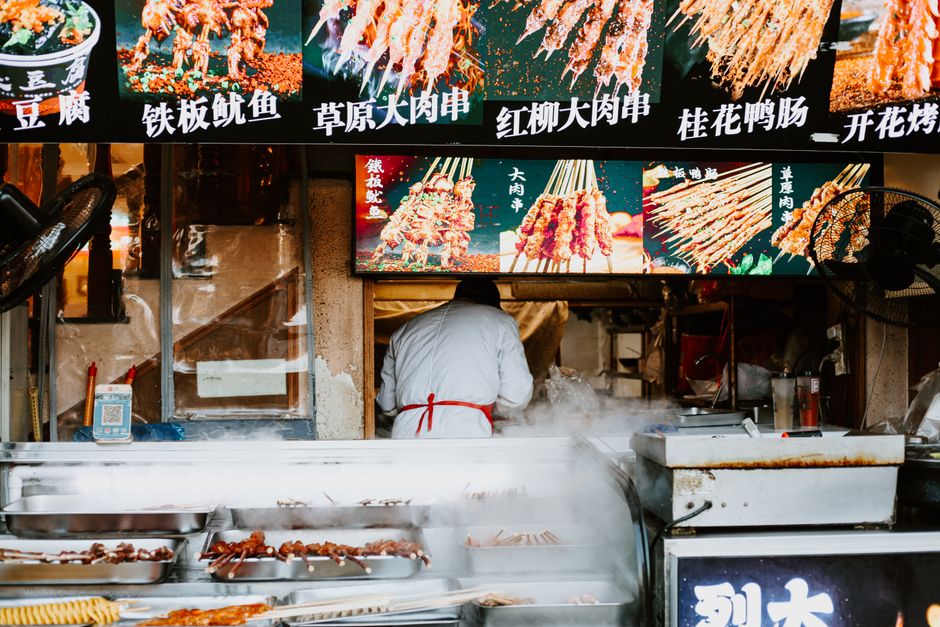
A Gastronomic Expedition: What to Eat and Drink in China
China’s culinary landscape is a vast and complex tapestry, woven from centuries of regional traditions, philosophical influences, and evolving agricultural practices. To navigate this gastronomic wonderland requires an understanding of its core principles, popular dishes, and essential beverages. From the fiery spice of Sichuan to the delicate steamed dumplings of Shanghai, each region offers a distinct flavor profile and a unique dining experience. This guide aims to provide a comprehensive overview of what to eat and drink in China, focusing on key regional cuisines, iconic dishes, and essential beverages, all presented with SEO in mind to facilitate discovery for eager travelers and food enthusiasts.
The Eight Great Cuisines: A Regional Culinary Atlas
Understanding Chinese cuisine begins with recognizing its regional diversity, often categorized into the "Eight Great Cuisines" (八大菜系 – Bādà cài xì). While variations exist in classification, these eight represent the most influential and widely celebrated culinary styles.
1. Shandong Cuisine (鲁菜 – Lǔ cài): Originating from the eastern province of Shandong, this cuisine is known for its emphasis on fresh seafood, particularly in coastal areas, and its use of aromatic herbs and spices. Techniques often involve braising, stewing, and deep-frying, resulting in dishes that are savory and flavorful. Key dishes include Gong Bao Ji Ding (Kung Pao Chicken, though its origins are debated, its popularization is linked to Shandong techniques), Dezhou Braised Chicken, and various seafood preparations like steamed fish. The broth is a fundamental element, often clear and refined, used to enhance the natural flavors of the ingredients. Shandong cuisine also heavily utilizes ingredients like scallions, ginger, garlic, and soy sauce.
2. Sichuan Cuisine (川菜 – Chuān cài): Renowned globally for its bold, pungent, and spicy flavors, Sichuan cuisine is characterized by the liberal use of chili peppers and Sichuan peppercorns, which impart a unique tingling sensation known as mala (麻辣). This cuisine embraces a wide spectrum of flavors, from sweet and sour to bitter and salty, but its hallmark remains the fiery heat. Essential ingredients include Pixian broad bean paste (郫县豆瓣酱 – Píxiàn dòubànjiàng), fermented black beans, and dried chilies. Iconic dishes include Mapo Tofu, Hui Guo Rou (Twice-Cooked Pork), Dan Dan Noodles, and Shui Zhu Yu (Boiled Fish in Chili Oil). The complexity of Sichuan flavors lies in their layering and balance, creating a symphony of tastes that is both challenging and addictive.
3. Cantonese Cuisine (粤菜 – Yuè cài): Hailing from Guangdong province, Cantonese cuisine prioritizes the natural flavors of its ingredients, employing cooking methods that preserve freshness and texture. Steaming, stir-frying, and roasting are prevalent techniques. This cuisine is celebrated for its dim sum offerings, a vast array of small, bite-sized dishes enjoyed with tea. Popular dim sum items include Har Gow (shrimp dumplings), Siu Mai (pork dumplings), Char Siu Bao (barbecued pork buns), and various steamed buns and rolls. Beyond dim sum, Cantonese cuisine features dishes like White Cut Chicken, Roast Goose, and Steamed Fish with Ginger and Scallions. The emphasis is on fresh, high-quality ingredients, with minimal seasoning to allow their inherent tastes to shine.
4. Jiangsu Cuisine (苏菜 – Sū cài): Jiangsu cuisine, often subdivided into styles like Huaiyang, is known for its refined and delicate flavors, often with a subtle sweetness. It emphasizes precise knife skills and meticulous preparation, resulting in beautifully presented dishes. Braising, steaming, and stewing are common, and the cuisine frequently features freshwater ingredients like fish and shrimp. Iconic dishes include Lion’s Head Meatballs (a large, tender pork meatball in a savory broth), Squirrel Fish (a crispy fried fish coated in a sweet and sour sauce), and Yangzhou Fried Rice. The Huaiyang style, in particular, is known for its artistry and delicate balance of flavors, often incorporating edible flowers and garnishes.
5. Zhejiang Cuisine (浙菜 – Zhè cài): From the eastern coastal province of Zhejiang, this cuisine is characterized by its light, fresh, and slightly sweet flavors, with an emphasis on seafood and vegetables. It is known for its delicate use of sugar and vinegar to balance tastes. Popular dishes include Dongpo Pork (a rich, braised pork belly dish, though also associated with other regions), West Lake Fish in Vinegar Gravy, and various steamed dishes featuring river shrimp and eels. The cuisine reflects the abundance of its fertile land and waterways, with a focus on seasonal ingredients.
6. Fujian Cuisine (闽菜 – Mǐn cài): Fujian cuisine, from the southeastern province, is known for its fresh ingredients, particularly seafood, and its use of vinegars and fermented ingredients. It’s also recognized for its soups and stews, often incorporating a range of exotic ingredients. Techniques include braising, steaming, and stir-frying. Notable dishes include Buddha Jumps Over the Wall (a rich, complex seafood and meat stew), Oyster Omelet, and various preparations of eel and shellfish. The cuisine often has a subtly sweet and sour profile.
7. Hunan Cuisine (湘菜 – Xiāng cài): Similar to Sichuan cuisine in its love for spice, Hunan cuisine distinguishes itself by its use of dried chilies and smoked ingredients, creating a deep, savory, and smoky heat. It is generally spicier and more intensely flavored than Sichuan cuisine. Common ingredients include smoked pork, fermented black beans, and fresh chili peppers. Popular dishes include Duojiao Yutou (Steamed Fish Head with Chopped Chilies), Mao Shi Hong Shao Rou (Chairman Mao’s Red Braised Pork), and La Rou (Smoked Pork belly). The flavors are robust and hearty, designed to stimulate the appetite.
8. Anhui Cuisine (徽菜 – Huī cài): Anhui cuisine, from the mountainous province, emphasizes local ingredients, particularly those found in the mountains and rivers. It is known for its use of braising and stewing, often in clay pots, to tenderize ingredients and develop deep flavors. It often utilizes wild herbs and mushrooms. Key dishes include Mao Shi Dun Rou (braised pork belly, similar to Hunan’s but often with different flavorings), Stinky Tofu (Fermented Tofu), and various dishes featuring local game and river delicacies. The focus is on natural flavors and the richness of slow-cooked dishes.
Essential Chinese Dishes Beyond the Eight Cuisines
While the Eight Great Cuisines provide a framework, countless other iconic dishes are beloved across China.
- Dumplings (饺子 – Jiǎozi): A ubiquitous staple, especially in Northern China, dumplings are filled with various meats, vegetables, or seafood and can be boiled, steamed, or pan-fried. They are a symbol of good fortune and are traditionally eaten during Chinese New Year.
- Noodles (面条 – Miàntiáo): Noodles are a fundamental food item, consumed in countless forms and preparations across the country. From the hand-pulled Lamian (拉面) of Lanzhou to the cold sesame noodles of Beijing, each region boasts its unique noodle dishes. Examples include Zhajiangmian (炸酱面 – noodles with fried bean sauce), Chow Mein (炒面 – stir-fried noodles), and various noodle soups.
- Fried Rice (炒饭 – Chǎofàn): A versatile and popular dish, fried rice can be customized with a wide array of ingredients, including vegetables, eggs, and various meats.
- Hot Pot (火锅 – Huǒguō): A communal dining experience, hot pot involves simmering a broth at the table into which diners dip thinly sliced meats, vegetables, tofu, and noodles. Regional variations exist in broth flavors, from the spicy mala broths of Sichuan to the mild herbal broths of the North.
- Peking Duck (北京烤鸭 – Běijīng Kǎoyā): A culinary icon of Beijing, Peking Duck is renowned for its crispy skin and tender meat, typically served with thin pancakes, scallions, and a sweet bean sauce.
- Baozi (包子): Steamed buns, often filled with pork, vegetables, or sweet fillings, baozi are a popular breakfast and snack item.
- Cong You Bing (葱油饼): Savory scallion pancakes, often pan-fried until crispy and golden brown.
- Spring Rolls (春卷 – Chūnjuǎn): Crispy fried rolls filled with vegetables and sometimes meat, popular as an appetizer.
Essential Chinese Beverages
No culinary exploration of China is complete without delving into its beverage culture.
- Tea (茶 – Chá): Tea is not just a drink in China; it’s a cultural institution. China is the birthplace of tea and boasts an incredible diversity of varieties.
- Green Tea (绿茶 – Lǜchá): Unfermented, known for its fresh, vegetal flavors. Popular varieties include Longjing (龙井 – Dragon Well) and Bi Luo Chun (碧螺春).
- Black Tea (红茶 – Hóngchá): Fully fermented, with richer, maltier notes. Keemun (祁门红茶) and Yunnan (滇红) are well-known examples.
- Oolong Tea (乌龙茶 – Wūlóngchá): Partially fermented, offering a spectrum of flavors from floral and light to roasted and dark. Tieguanyin (铁观音 – Iron Goddess of Mercy) and Da Hong Pao (大红袍 – Big Red Robe) are famous examples.
- White Tea (白茶 – Báichá): Minimally processed, known for its delicate flavor and subtle sweetness. Silver Needle (白毫银针) is a premium variety.
- Pu-erh Tea (普洱茶 – Pǔ’ěrchá): A fermented tea, typically from Yunnan province. It can be aged for years, developing complex earthy flavors.
- Baijiu (白酒 – Báijiǔ): A strong, clear distilled spirit made from grains, most commonly sorghum. It has a high alcohol content and is often consumed neat in small glasses during meals and celebrations. Maotai (茅台) is arguably the most famous and prestigious brand.
- Beer (啤酒 – Píjiǔ): China has a burgeoning beer market, with popular domestic brands like Tsingtao (青岛) and Snow (雪花) readily available. Craft beer scenes are also developing in major cities.
- Fruit Juices and Soft Drinks: A wide array of fresh fruit juices are available, and popular global soft drink brands are also widely consumed.
- Herbal Teas and Traditional Chinese Medicine Drinks: Beyond traditional tea, various herbal infusions and medicinally-inspired drinks are consumed for their perceived health benefits.
Navigating the Dining Experience
Dining in China is often a social and communal affair. Meals are typically served family-style, with multiple dishes placed in the center of the table for everyone to share. Chopsticks are the primary eating utensils, and understanding basic chopstick etiquette is helpful. Ordering can be done from menus, often with pictures, or by pointing at dishes displayed in restaurant kitchens. Tipping is generally not expected in China, although it is becoming more common in high-end establishments. Be adventurous, try local specialties, and embrace the vibrant and diverse culinary journey that China offers.


