
How To Plan A South African Safari

Planning Your Ultimate South African Safari: A Comprehensive Guide
South Africa, a jewel of the African continent, offers an unparalleled safari experience. From the iconic Big Five to diverse landscapes and rich cultural encounters, planning a successful safari requires meticulous attention to detail. This guide will equip you with the knowledge to craft your unforgettable adventure, covering everything from destination selection and optimal timing to accommodation, activities, and essential packing.
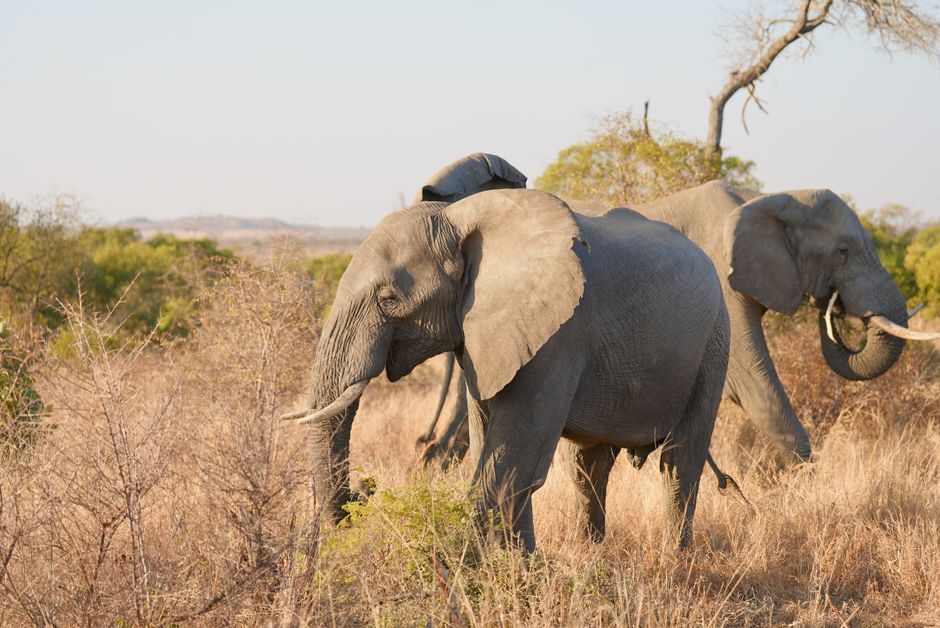
The first crucial step is selecting your safari destination. South Africa boasts a variety of world-renowned national parks and private reserves, each offering a unique wildlife viewing and conservation experience. Kruger National Park, the country’s largest and most famous, is a prime choice for first-time safari-goers due to its incredible biodiversity, excellent infrastructure, and high chances of spotting the Big Five (lion, leopard, elephant, rhino, and buffalo). Within Kruger, consider different regions like the central area for higher animal densities or the northern sections for a more remote and wild feel. Adjacent to Kruger, the private game reserves like Sabi Sands, Timbavati, and Balule offer exclusive, off-road driving, allowing for closer encounters and a more personalized safari experience, often with excellent leopard sightings. These private reserves typically operate on a concession system, limiting vehicle numbers and promoting responsible tourism.
Beyond Kruger, consider the Eastern Cape for malaria-free safaris, ideal for families or those with health concerns. Reserves like Shamwari, Addo Elephant National Park, and Amakhala Game Reserve are renowned for their successful reintroduction programs and abundant wildlife, including large herds of elephants and diverse antelope species. For a more arid, desert-like experience, the Kalahari Desert in the Northern Cape, particularly areas around Kgalagadi Transfrontier Park, offers unique desert-adapted wildlife such as meerkats, cheetahs, and black-maned lions. The Western Cape, while not traditionally a safari destination, has emerging wildlife areas like Aquila Private Game Reserve and Fairy Glen Nature Reserve, offering Big Five encounters in a stunning mountainous backdrop, though they are smaller and more curated experiences.
Timing your South African safari is paramount for maximizing wildlife sightings and enjoying favorable weather conditions. The dry winter months, from May to October, are generally considered the prime safari season. During this period, vegetation thins out, making animals easier to spot, and water sources become scarcer, concentrating wildlife around rivers and waterholes. Temperatures are milder, with sunny days and cooler evenings, making game drives comfortable. However, this is also peak tourist season, meaning higher prices and more crowded lodges. The shoulder seasons, late spring (September to October) and early autumn (April to May), offer a good balance of excellent wildlife viewing and slightly fewer crowds and potentially lower prices. The summer months (November to March) are the wet season, characterized by higher temperatures, humidity, and occasional heavy rainfall, especially in Kruger. While the landscape is lush and green, making for beautiful photographic opportunities, animals can be more dispersed, and some roads might be inaccessible. However, this is also the birthing season for many species, offering the chance to see young animals.
Accommodation options on a South African safari are diverse, catering to various budgets and preferences. Lodges range from rustic tented camps, offering an intimate connection with nature, to luxurious five-star properties with gourmet dining and private plunge pools. When choosing a lodge, consider its location within a park or reserve, its proximity to waterholes or game-rich areas, and the types of game drives and activities offered. Private reserves often offer all-inclusive packages that cover accommodation, meals, drinks, and scheduled game drives. For a more budget-friendly option, consider self-catering chalets or campsites within national parks like Kruger. These allow for greater flexibility and can significantly reduce costs, especially for families or groups. Look for lodges that emphasize sustainable tourism practices and community involvement, as this often translates to a more authentic and ethical safari experience. Booking in advance is highly recommended, especially for popular lodges during peak season, as they can fill up months, even a year, in advance.
Activities beyond traditional game drives are crucial for a comprehensive safari experience. Guided bush walks offer a different perspective, allowing you to learn about smaller creatures, tracks, and the intricate details of the bush from experienced rangers. Night drives, often conducted in private reserves, provide the opportunity to spot nocturnal animals like civets, genets, hyenas, and owls. Birdwatching is exceptional in South Africa, with a staggering array of species. Consider lodges that offer specialized birding excursions or have resident ornithologists. Some lodges also offer cultural experiences, such as visits to local villages or presentations on traditional life, adding another layer to your understanding of the region. For adrenaline seekers, options like hot air balloon safaris over the savanna at sunrise, offering a panoramic view of the awakening wilderness, or even guided walking safaris with armed rangers for a truly immersive experience, are available.
Practical considerations are vital for a smooth and enjoyable safari. Visa requirements vary by nationality; research and apply well in advance. Travel insurance is non-negotiable, covering medical emergencies, trip cancellations, and lost belongings. For South Africa, a valid passport with at least two blank pages and a six-month validity beyond your intended stay is typically required. Malaria precautions are necessary for the Kruger National Park and surrounding areas; consult your doctor about antimalarial medication and insect repellent strategies. While many private reserves and some areas of Kruger are malaria-free, it’s always best to be informed.
Transportation within South Africa can be managed in several ways. For the most flexibility, renting a 4×4 vehicle is ideal, especially if you plan to self-drive within national parks. However, this requires comfort with driving on the left side of the road and navigating potentially unpaved roads. Many lodges offer airport transfers and organize game drives, which can be a stress-free option. Internal flights are efficient for covering long distances between different regions of South Africa, such as flying from Johannesburg to the Eastern Cape or the Northern Cape. Booking internal flights in advance can secure better fares.
Packing for a South African safari requires a strategic approach, focusing on comfort, practicality, and blending in with the environment. Neutral-colored clothing (khaki, beige, olive green, brown) is essential to avoid startling wildlife. Avoid bright colors and black, which can attract insects and be uncomfortable in the heat. Pack layers, as temperatures can fluctuate significantly between day and night. Essential items include long-sleeved shirts and trousers for sun and insect protection, a warm fleece or jacket for cool mornings and evenings, comfortable walking shoes or hiking boots, and sandals or flip-flops for around the lodge.
Other crucial items include a wide-brimmed hat or cap, sunglasses, high SPF sunscreen, and a powerful insect repellent containing DEET. A good quality camera with a telephoto lens is a must for capturing wildlife. Binoculars are indispensable for spotting distant animals and birds. A headlamp or flashlight is useful for navigating at night and during power outages. A small backpack for day trips and game drives is practical for carrying water, snacks, and your camera. Don’t forget personal medications, a basic first-aid kit, and hand sanitizer. Power adapters for charging electronics are also important.
Responsible tourism is an integral part of a fulfilling safari. Respect wildlife by maintaining a safe distance and never feeding animals. Adhere to the rules and regulations of the national parks and private reserves. Support local communities by purchasing authentic crafts and engaging in respectful cultural exchanges. Minimize your environmental impact by reducing waste and conserving water. Choosing lodges and tour operators committed to conservation efforts will ensure your safari contributes positively to the preservation of South Africa’s natural heritage.
Budgeting for a South African safari requires careful consideration of various factors. Costs can range significantly depending on the level of luxury, the duration of your stay, and the chosen destinations. National park fees are typically modest, while private reserve access and lodge rates can be considerably higher. Factor in the cost of flights to and from South Africa, internal flights, accommodation, game drives, meals, drinks, park entrance fees, and any optional activities. Tipping is customary for guides, rangers, and lodge staff, so include this in your budget. A rough estimate for a mid-range safari can range from $2,500 to $6,000 per person for a 7-10 day trip, while luxury safaris can easily exceed $10,000 per person.
Planning your South African safari is a journey in itself, offering the reward of an unparalleled wildlife encounter. By carefully considering your destination, timing, accommodation, activities, and practical necessities, you can craft an unforgettable adventure that leaves you with memories to last a lifetime. Remember to be flexible, embrace the unexpected, and allow the magic of the African wilderness to captivate you.


