
Winter In Florida West Coast

Florida’s West Coast Winter: Sunshine, Seafood, and Solitude
Florida’s west coast undergoes a dramatic transformation as winter descends. The sweltering humidity of summer retreats, replaced by a gentle, refreshing breeze and consistently pleasant temperatures, making it an ideal destination for those seeking an escape from colder climes. This region, stretching from the Panhandle’s more temperate shores down to the vibrant metropolises of Southwest Florida, offers a unique blend of natural beauty, outdoor recreation, and refined cultural experiences, all bathed in abundant sunshine. Forget the predictable gray skies of many northern cities; here, winter is synonymous with clear blue skies, invigorating daytime temperatures typically ranging from the 60s to the 70s Fahrenheit, and cooler, comfortable evenings. This meteorological shift significantly influences visitor patterns, drawing a substantial influx of "snowbirds" – individuals from the northern United States and Canada seeking refuge from harsh winter weather – as well as international tourists and domestic travelers alike. The economic impact of this seasonal migration is substantial, with tourism serving as a cornerstone of the region’s economy. However, the appeal extends far beyond mere temperature; it’s the promise of a slower pace of life, the breathtaking coastal scenery, and the diverse array of activities that truly define a Florida west coast winter. From pristine beaches perfect for long walks and shell collecting to vibrant ecosystems teeming with wildlife, the opportunities for exploration and relaxation are virtually limitless. The absence of oppressive heat and high humidity makes outdoor activities far more enjoyable, whether it’s a round of golf, a fishing excursion, or simply soaking up the sun. This article delves into the multifaceted allure of Florida’s west coast during its winter months, exploring its natural wonders, culinary delights, recreational pursuits, and the unique cultural tapestry that makes it such a sought-after winter haven.
The natural splendor of Florida’s west coast during the winter months is a primary draw for visitors. The region boasts an extensive coastline characterized by miles of powdery white sand beaches, often less crowded and more serene than their summer counterparts. Popular destinations like Clearwater Beach, Siesta Key, and Sanibel Island are renowned for their exceptionally soft sand and clear, calm waters, ideal for swimming, sunbathing, and building sandcastles. Beyond the immediate coastline, a network of protected natural areas offers sanctuary to a diverse array of wildlife. The Everglades National Park, while extending into South Florida, has significant west coast access points and is a testament to the state’s commitment to conservation. Here, visitors can witness alligators basking in the sun, wading birds like herons and egrets gracefully hunting in the shallows, and a plethora of other native species in their natural habitat. Mangrove forests, a vital component of the coastal ecosystem, thrive in the warmer winter climate, providing essential nursery grounds for fish and shellfish and acting as natural buffers against storm surges. Estuaries, where freshwater rivers meet saltwater seas, are particularly vibrant during this season. Places like the Charlotte Harbor Estuary Preserve are critical habitats for manatees, the gentle giants of the sea that migrate to warmer waters during the cooler months. Boat tours and kayak expeditions offer unparalleled opportunities to observe these magnificent creatures up close, often feeding on seagrass beds. Further north, areas like the Crystal River National Wildlife Refuge offer similar opportunities for manatee encounters. The proliferation of birdlife is another significant natural attraction. Winter is a peak season for migratory birds, transforming coastal marshes and nature preserves into a birdwatcher’s paradise. Species such as the American white pelican, various species of ducks, and shorebirds can be observed in large numbers. The absence of biting insects, which are far more prevalent during the humid summer months, significantly enhances the outdoor experience for nature enthusiasts, allowing for extended periods of observation and enjoyment in areas like the J.N. "Ding" Darling National Wildlife Refuge on Sanibel Island, a renowned hotspot for birdwatching. The calm, clear waters also make for exceptional snorkeling and diving opportunities in areas with existing coral reefs or artificial reefs, allowing exploration of an underwater world populated by a variety of marine life.
The culinary landscape of Florida’s west coast in winter is a celebration of fresh, local ingredients, with an emphasis on the bounty of the sea. Seafood, naturally, takes center stage. The Gulf of Mexico provides an abundance of high-quality catches, including succulent stone crabs, sweet pink shrimp, flaky grouper, and briny oysters. Many coastal towns host lively fish markets where visitors can purchase the day’s catch directly from fishermen, or enjoy it prepared at numerous waterfront restaurants. These establishments often feature outdoor seating, allowing diners to savor their meals while taking in breathtaking sunset views over the Gulf. Beyond the classic seafood fare, the region’s culinary scene is influenced by a rich history of Cuban and Latin American immigration, particularly in cities like Tampa and St. Petersburg. This heritage is evident in the prevalence of vibrant Cuban sandwich shops, authentic Latin bistros, and restaurants offering a fusion of flavors. The winter months, with their cooler temperatures, also encourage a focus on more comforting and robust dishes, while still maintaining a connection to fresh, seasonal produce. Citrus groves, particularly in inland areas adjacent to the coast, yield an abundance of oranges, grapefruits, and other fruits, which find their way into fresh juices, marmalades, and desserts. Farmers’ markets are a delightful way to experience this local produce, offering a vibrant array of fruits, vegetables, artisanal cheeses, baked goods, and local honey. The craft beverage scene is also flourishing, with numerous breweries and distilleries offering tours and tastings. This trend aligns with a growing appreciation for local flavors and artisanal production. Restaurants across the west coast are increasingly focusing on farm-to-table and ocean-to-table philosophies, working directly with local farmers and fishermen to source the freshest ingredients. This commitment to local sourcing not only ensures superior quality but also supports the regional economy. Whether seeking a casual beachside eatery or an upscale dining experience, the west coast of Florida offers a diverse and satisfying culinary journey that perfectly complements its idyllic winter climate. The emphasis on fresh, seasonal ingredients, combined with a melting pot of cultural influences, creates a gastronomic experience that is both authentic and innovative.
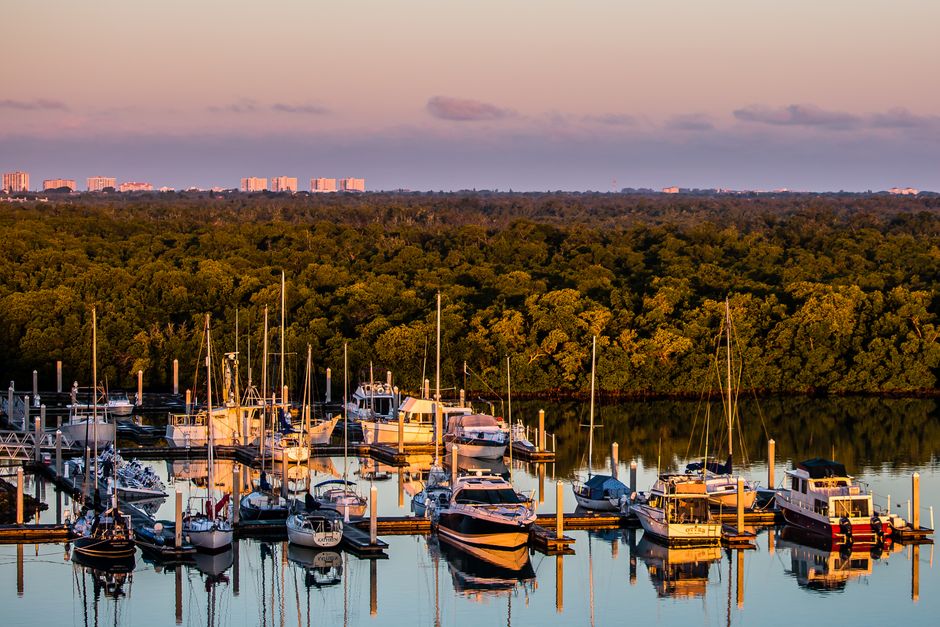
Winter on Florida’s west coast is a paradise for outdoor recreation enthusiasts, offering a plethora of activities to suit every interest and energy level. The mild weather is perfect for a round of golf, with numerous championship courses scattered throughout the region, many boasting stunning water views and challenging layouts. Tampa Bay, Sarasota, and Naples are particularly well-known for their exceptional golf offerings, attracting golfers of all skill levels. For those who prefer to explore on two wheels, the west coast offers a growing network of dedicated bike trails and scenic routes. The Legacy Trail in Sarasota County is a prime example, a paved, multi-use trail that winds through picturesque natural landscapes and charming small towns, offering a safe and enjoyable cycling experience. Kayaking and paddleboarding are incredibly popular during the winter months, allowing for quiet exploration of the intricate network of mangrove tunnels and shallow coastal waters. These activities provide an intimate connection with nature, offering opportunities to spot marine life like dolphins and manatees, as well as a diverse array of bird species. Numerous rental outfitters and guided tours are available throughout the coastal communities. Fishing, whether from the shore, a pier, or a charter boat, remains a quintessential Florida activity. The Gulf waters teem with various species, including redfish, snook, tarpon (in the warmer parts of winter), mackerel, and snapper, providing ample opportunities for both recreational and serious anglers. Charter fishing excursions are readily available, catering to all experience levels and offering the chance to catch a trophy fish. Boating, in general, is a significant part of the west coast lifestyle. With calm seas and pleasant temperatures, it’s the ideal time for cruising, exploring secluded coves, or visiting offshore islands. Marinas are plentiful, and boat rentals are widely accessible. For beach lovers, the winter offers a more relaxed experience. Long, uncrowded walks along the shore are a common pastime, with shelling being a popular activity, especially on islands like Sanibel and Captiva, known for their exceptional shell diversity. The gentle waves are also perfect for swimming and sunbathing without the oppressive heat of summer. Birdwatching is another rewarding winter activity. As mentioned previously, the influx of migratory birds transforms the coastal marshes and wildlife refuges into vibrant avian spectacles. Armed with binoculars and a good field guide, visitors can spend hours observing a dazzling array of feathered inhabitants. The region also boasts numerous state and local parks offering hiking trails through diverse ecosystems, from coastal scrub to pine forests, providing opportunities to connect with Florida’s unique natural heritage. The emphasis on outdoor activity is a defining characteristic of the west coast’s winter appeal, providing a healthy and invigorating way to experience its natural beauty.
The cultural and entertainment offerings on Florida’s west coast during winter provide a sophisticated counterpoint to its natural allure, catering to a diverse range of tastes. The region is home to a thriving arts scene, with numerous galleries, theaters, and museums. Cities like Sarasota are particularly renowned for their cultural institutions, including the Ringling Museum of Art, which boasts an impressive collection of European paintings, circus memorabilia, and a beautiful historic mansion. The Van Wezel Performing Arts Hall in Sarasota hosts a variety of Broadway shows, musical performances, and dance recitals. Tampa boasts the Tampa Museum of Art and the Florida Museum of Photographic Arts, while St. Petersburg is home to the Salvador Dalí Museum, a world-renowned institution dedicated to the surrealist master. Beyond visual arts, live music venues are abundant, offering everything from intimate jazz clubs to larger concert halls featuring touring artists. The winter months often see an increase in scheduled performances, as venues capitalize on the influx of visitors. For those interested in history, the west coast offers several significant sites. The Fort De Soto Park, south of St. Petersburg, not only offers beautiful beaches but also features historic fortifications that provide a glimpse into the area’s past. Ybor City in Tampa, a National Historic Landmark District, offers a rich Cuban and Italian heritage, with its historic cigar factories, cobblestone streets, and vibrant nightlife. Throughout the winter, numerous festivals and events celebrate the region’s unique culture and seasonal bounty. These can range from seafood festivals and art fairs to music festivals and holiday-themed celebrations. The energy of these events provides a lively atmosphere and an opportunity to engage with the local community. For those seeking a more relaxed form of entertainment, the west coast’s charming towns and cities offer boutique shopping, antique stores, and quaint cafes, perfect for leisurely strolls and discoveries. The presence of professional sports teams, particularly in the Tampa Bay area, adds another dimension to winter entertainment. Baseball spring training begins in late February, with several Major League Baseball teams holding their preseason camps in the region, drawing enthusiastic crowds. Golf tournaments, both professional and amateur, also contribute to the sports calendar. The emphasis on arts, culture, and community events throughout the winter season ensures that visitors have ample opportunities for engagement and enjoyment, complementing the natural beauty and outdoor recreation that define Florida’s west coast. The winter season, therefore, offers a well-rounded experience, combining the allure of nature with the sophistication of a vibrant cultural landscape.
In conclusion, Florida’s west coast during winter presents an unparalleled combination of favorable climate, stunning natural environments, diverse culinary experiences, abundant recreational opportunities, and a rich cultural tapestry. The absence of summer’s oppressive heat and humidity allows for the full appreciation of its pristine beaches, vibrant ecosystems, and abundant wildlife, from manatees and dolphins to a spectacular array of migratory birds. The culinary scene thrives on the freshest seafood and local produce, influenced by a rich melting pot of cultures. Outdoor enthusiasts can indulge in a wide range of activities, including golf, cycling, kayaking, fishing, and boating, all enhanced by the pleasant weather. Furthermore, the region’s commitment to arts, culture, and community events ensures a stimulating and engaging experience for all visitors. This multifaceted appeal solidifies Florida’s west coast as a premier winter destination, offering a rejuvenating escape and a wealth of experiences for those seeking sunshine, serenity, and adventure. The consistent sunshine, comfortable temperatures, and the sheer variety of attractions make it a truly exceptional place to experience the winter months.


