The Evolution of the Dedicated Writing Device
The concept of the dedicated digital typewriter is not new, yet it has seen a resurgence in the 2020s. For decades, the professional writer’s toolkit shifted from mechanical typewriters to word processors like the Alphasmart Neo, and eventually to the ubiquitous laptop. However, the rise of the "always-on" internet culture has created a demand for hardware that enforces deep work by removing the temptation of web browsing, social media, and persistent notifications.
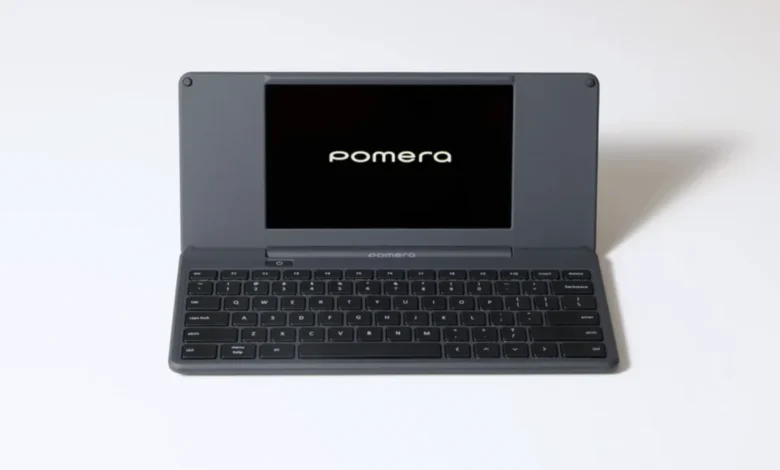
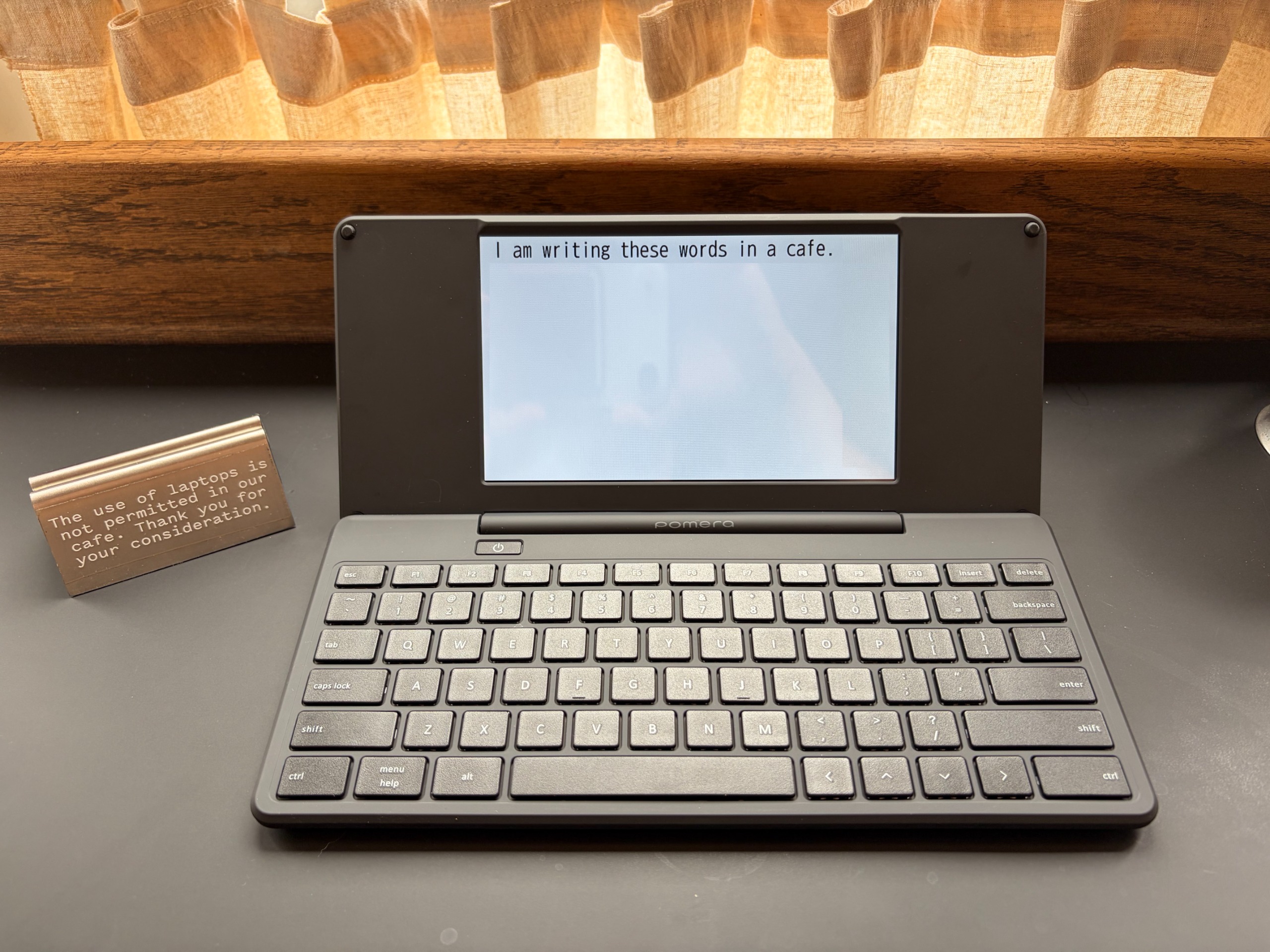
The Pomera series has been a fixture in the Japanese market for over 15 years, with the DM250 serving as the latest iteration of this design philosophy. While Western markets have recently been introduced to alternatives like the Freewrite Traveller—which utilizes an E-Ink display—the Pomera DM250 takes a different technical approach by employing a high-resolution LCD panel. This design choice is fundamental to its performance, providing a snappy, instantaneous feedback loop that avoids the ghosting and refresh-rate latency issues often cited by critics of E-Ink writing tablets.
Technical Specifications and Performance
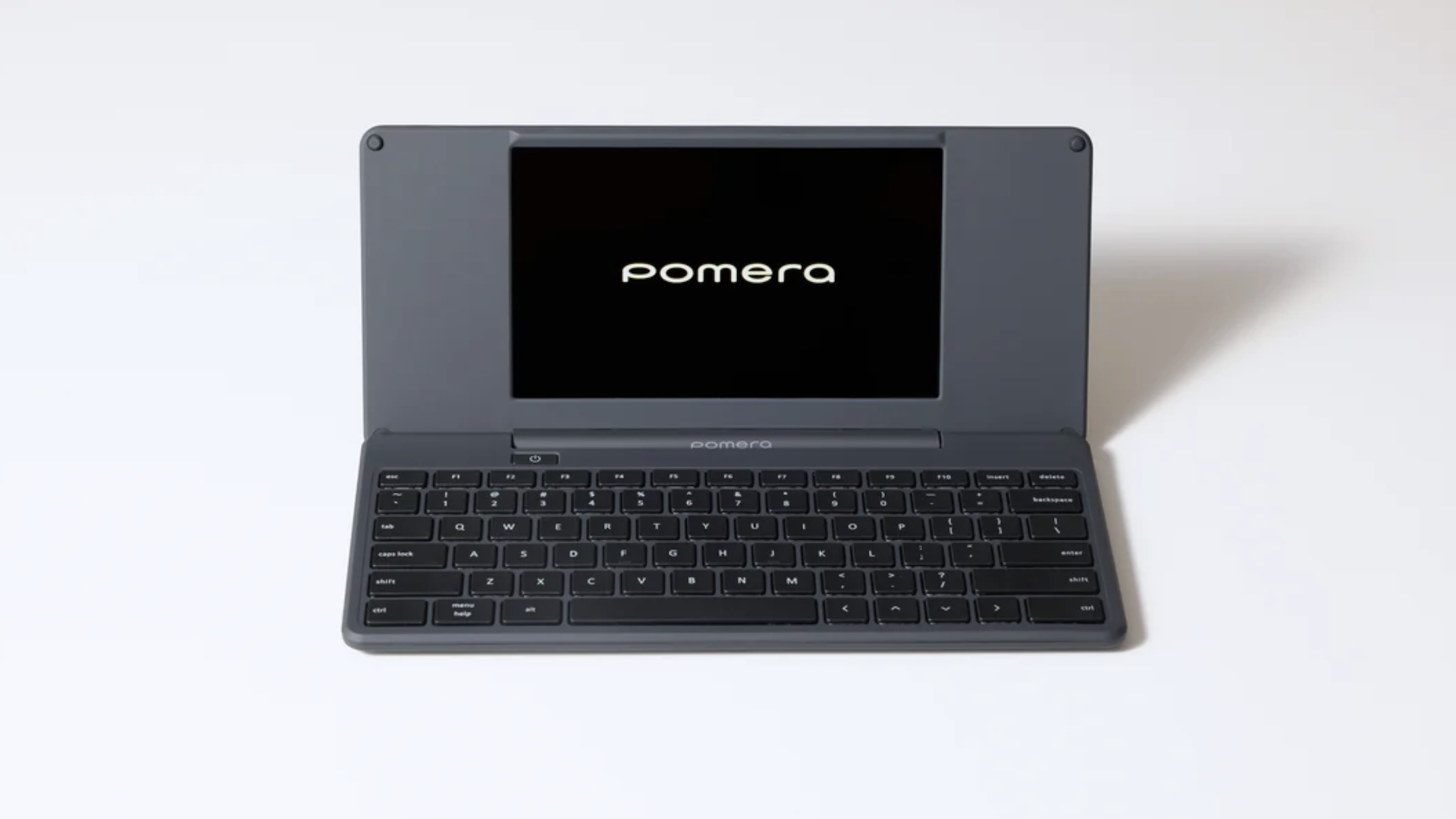
At its core, the Pomera DM250 is a clamshell device featuring a full-sized, foldable keyboard and a high-contrast monochromatic display. Unlike the mechanical switches found on some boutique typing devices, the DM250 utilizes a high-quality membrane keyboard designed for portability and endurance. The device is powered by a lithium-ion battery, which can be charged via USB-C, aligning it with modern connectivity standards.
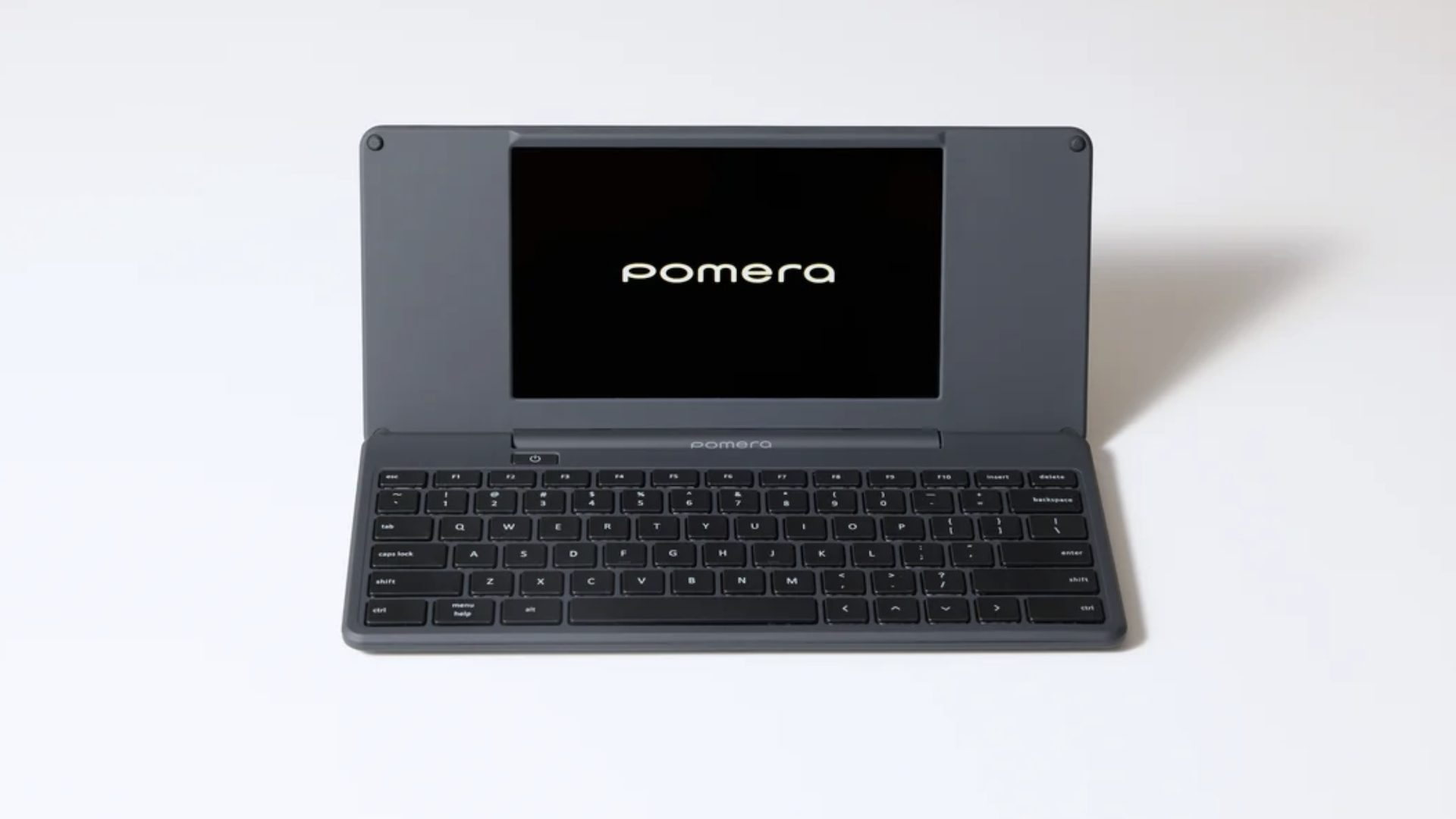
The internal architecture is intentionally limited. It runs a proprietary operating system that functions as a sophisticated text editor with basic file management capabilities. Users can organize documents into folders and utilize various keyboard shortcuts for text manipulation, formatting, and navigation.
Connectivity is handled through a restricted Wi-Fi implementation. Rather than providing a full web browser or cloud-syncing ecosystem that would invite distraction, the DM250 uses wireless connectivity primarily for file transfer. Users can email documents to themselves or sync them with dedicated cloud services, effectively acting as a bridge between the offline writing environment and the digital workflow required for publication or collaboration.
Market Context and Competitive Analysis
The "digital detox" movement has fundamentally altered the consumer electronics landscape. Data from industry analysts suggests a growing demographic of professionals who are willing to pay a premium for hardware that solves the problem of "attention economy" interference.
The Freewrite Traveller, priced in the same premium tier, has historically dominated the conversation in this space. However, user feedback regarding the Freewrite’s latency has created an opening for competitors. By utilizing an LCD screen, the Pomera DM250 offers a more fluid user experience that mimics the immediate response of a classic typewriter or a terminal-based text editor, without the physical bulk of vintage equipment.
Comparative market data indicates that while smartphones and tablets remain the primary tools for the general public, the "pro-sumer" and creative writer segments are increasingly splitting their workflows. Many writers now employ a "two-device strategy": one dedicated, offline machine for the drafting process, and a secondary computer for editing, formatting, and research.
Implications for Modern Workflow and Deep Work
The rise of devices like the DM250 speaks to a broader psychological shift in how creative professionals view their relationship with technology. Cal Newport, author of Deep Work, has long argued that the ability to focus without distraction is a "superpower" in the 21st century. The Pomera DM250 is essentially a physical manifestation of this theory.
By isolating the writing process from the connectivity of the internet, the device forces a shift in behavior. Users cannot look up a reference, check an email, or respond to a notification while in the middle of a drafting session. This "air-gapped" environment promotes a flow state, which is often interrupted by the multi-tasking capabilities of modern operating systems like macOS or Windows.
However, the cost of entry remains a significant barrier. At $549, the device is positioned as a professional tool rather than a casual accessory. This price point places it in direct competition with entry-level laptops, leading to a debate among technology analysts: Is the value of focus worth the price of a full-functioning computer? For many, the answer lies in the quantified increase in output and the reduction of the mental fatigue associated with task-switching.
Chronology of the Distraction-Free Trend
- 2008: King Jim launches the first Pomera device in Japan, targeting mobile professionals who require a lightweight, long-battery-life text entry tool.
- 2014-2016: The "dumbphone" and minimalist tech movement begins to gain traction in niche tech communities, fueled by concerns over screen time and mental health.
- 2017: The Astrohaus Freewrite is released, bringing the digital typewriter concept to a global, English-speaking audience via crowdfunding and direct-to-consumer sales.
- 2022-2023: The Pomera DM250 gains wider international recognition as enthusiasts look for alternatives to E-Ink devices, leading to increased demand via import channels and international retailers.
- 2024: The market for dedicated writing hardware matures, with a clearer distinction between E-Ink writing tablets (like reMarkable) and dedicated, keyboard-centric digital typewriters.
Official Responses and Industry Outlook
While companies like King Jim have remained relatively understated in their marketing—focusing on the "functional beauty" and "reliability" of their Japanese-engineered hardware—the response from the writing community has been robust. Online forums, such as those on Reddit and specialized creative writing subreddits, show a trend of users modifying their workflows to integrate these devices.
Industry analysts expect that as AI-driven writing tools become more prevalent, the value of "human-generated" raw text will increase. Consequently, the tools used to produce that text are being viewed with renewed scrutiny. The Pomera DM250 is likely to remain a niche product, yet its success suggests that there is a sustainable market for hardware that is defined by what it cannot do, rather than the breadth of its feature set.
Broader Impact on Design and Lifestyle Tech
The success of the Pomera DM250 highlights a paradox in contemporary product design: simplicity is becoming a luxury. In an era where devices are expected to be "everything machines," the intentional limitation of the DM250 is its greatest selling point. This trend is influencing other sectors of the electronics industry, from minimalist music players to "offline-first" cameras.
As users continue to grapple with the effects of constant connectivity, the demand for hardware that provides a "walled garden" for creativity will likely persist. Whether the Pomera DM250 becomes a mainstream staple or remains a connoisseur’s tool, it has successfully established the benchmark for what a dedicated digital typewriter should be in terms of latency, build quality, and portability. For the professional writer, the device is not merely a piece of hardware; it is an infrastructure for intent. By removing the friction of distraction, it allows the user to prioritize the act of writing above all other digital interactions, a prospect that carries significant weight in a world of fragmented attention.