Christopher Kane Makes a Striking Debut as Creative Director of Mulberry at London Fashion Week

The landscape of British luxury was fundamentally reshaped this afternoon at the Queen Elizabeth II Centre in Westminster, where Scottish designer Christopher Kane unveiled his inaugural collection as the creative director of Mulberry. This highly anticipated debut marks a significant turning point for the heritage leather goods brand, established in 1971 by Roger Saul, and signals a fresh, intellectually rigorous chapter for the house. For Kane, who famously shuttered his eponymous label in 2023, this appointment represents both a professional homecoming and a stylistic departure, as he seeks to harmonize the brand’s deep-rooted archival identity with his own subversive design vocabulary.
A Vision of Pruning and Growth
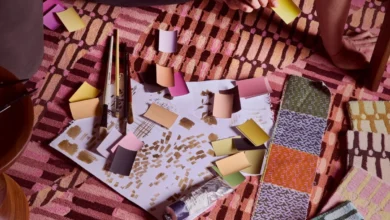
Kane described his creative process for this collection through the metaphor of a tree surgeon. By "chopping away the branches" of historical expectations and extraneous design elements, he aimed to stimulate new growth. This conceptual framework was teased on social media leading up to the show, with imagery of a figure hacking at the trunk of a mulberry tree—the brand’s literal namesake.
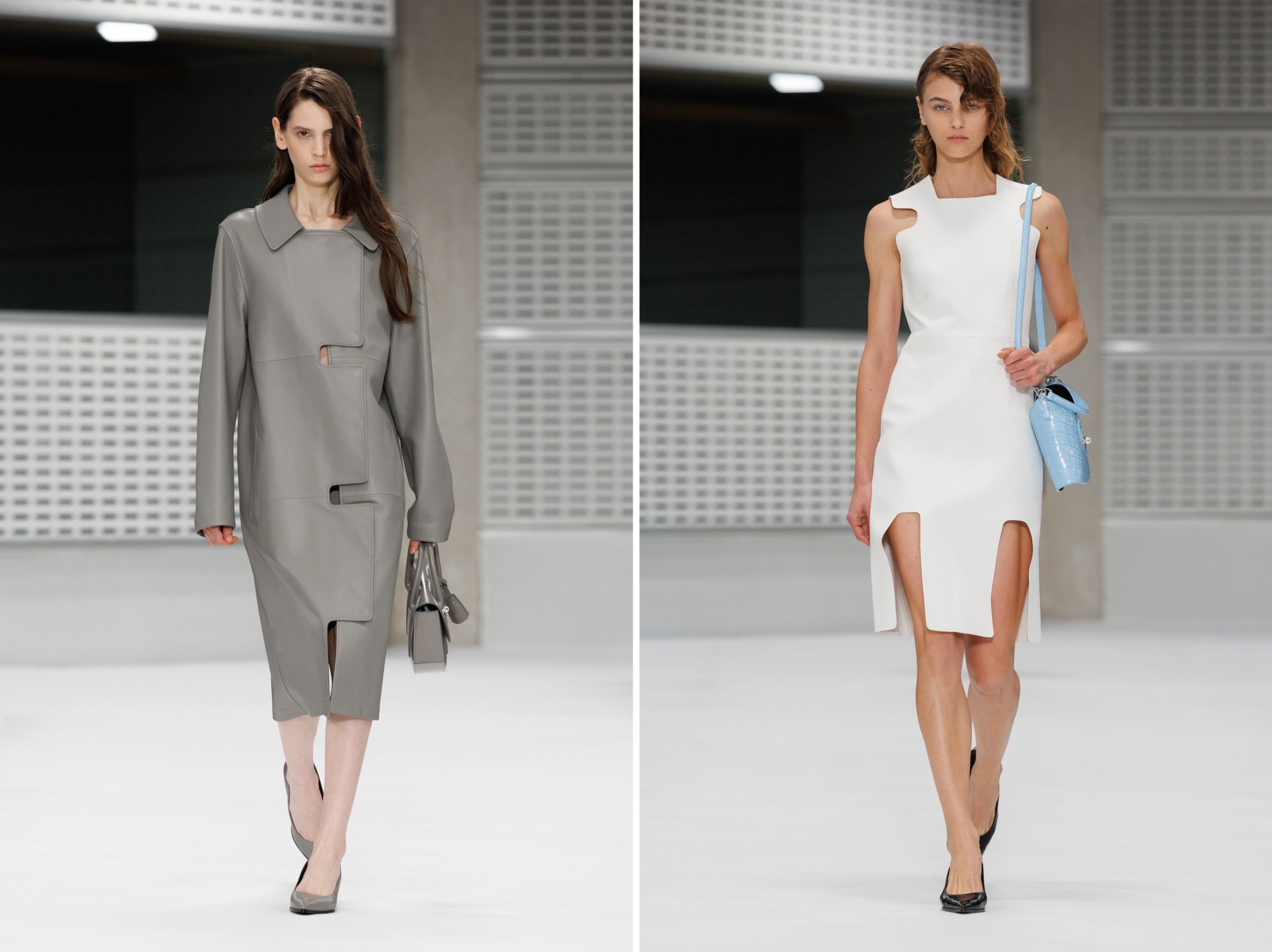
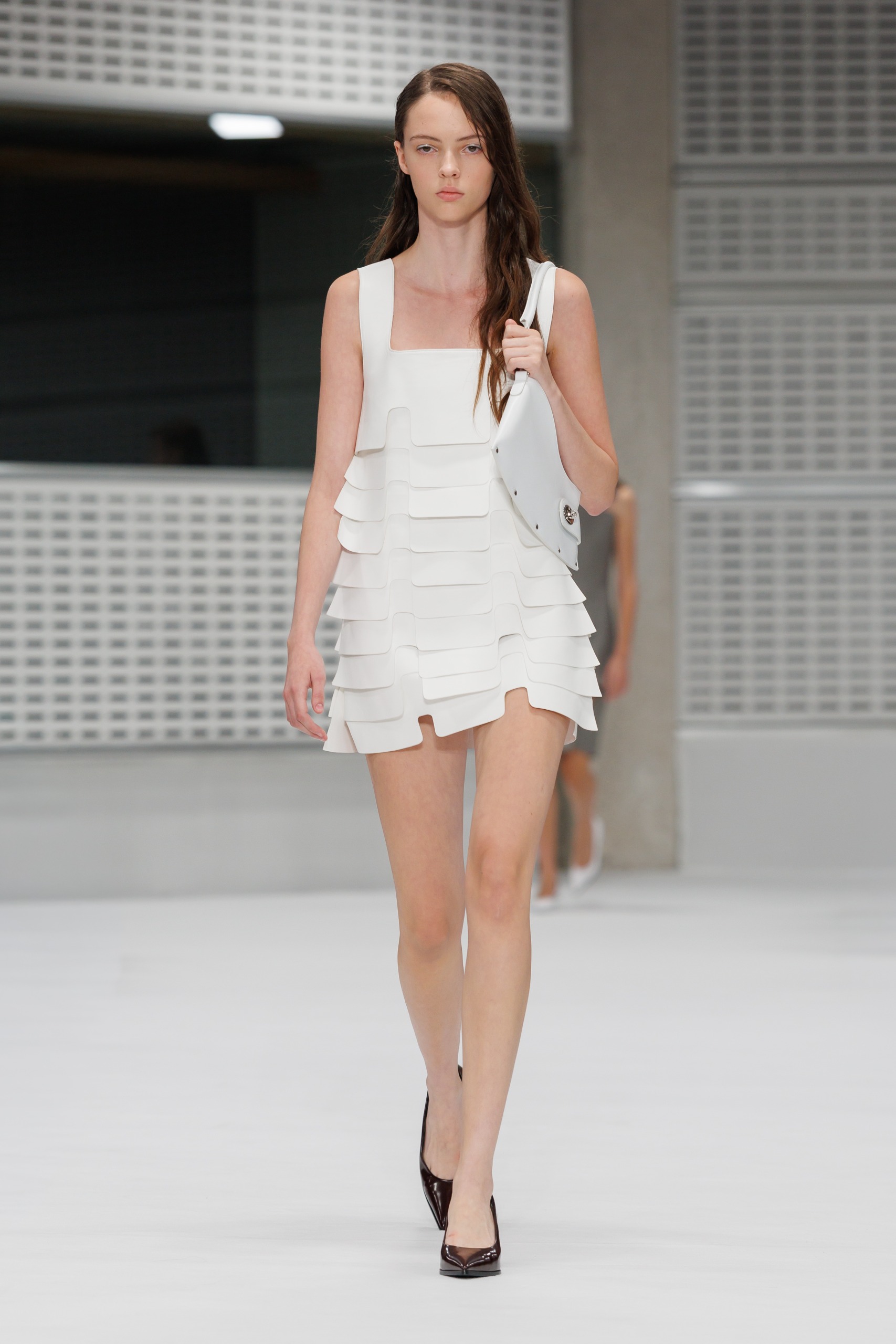
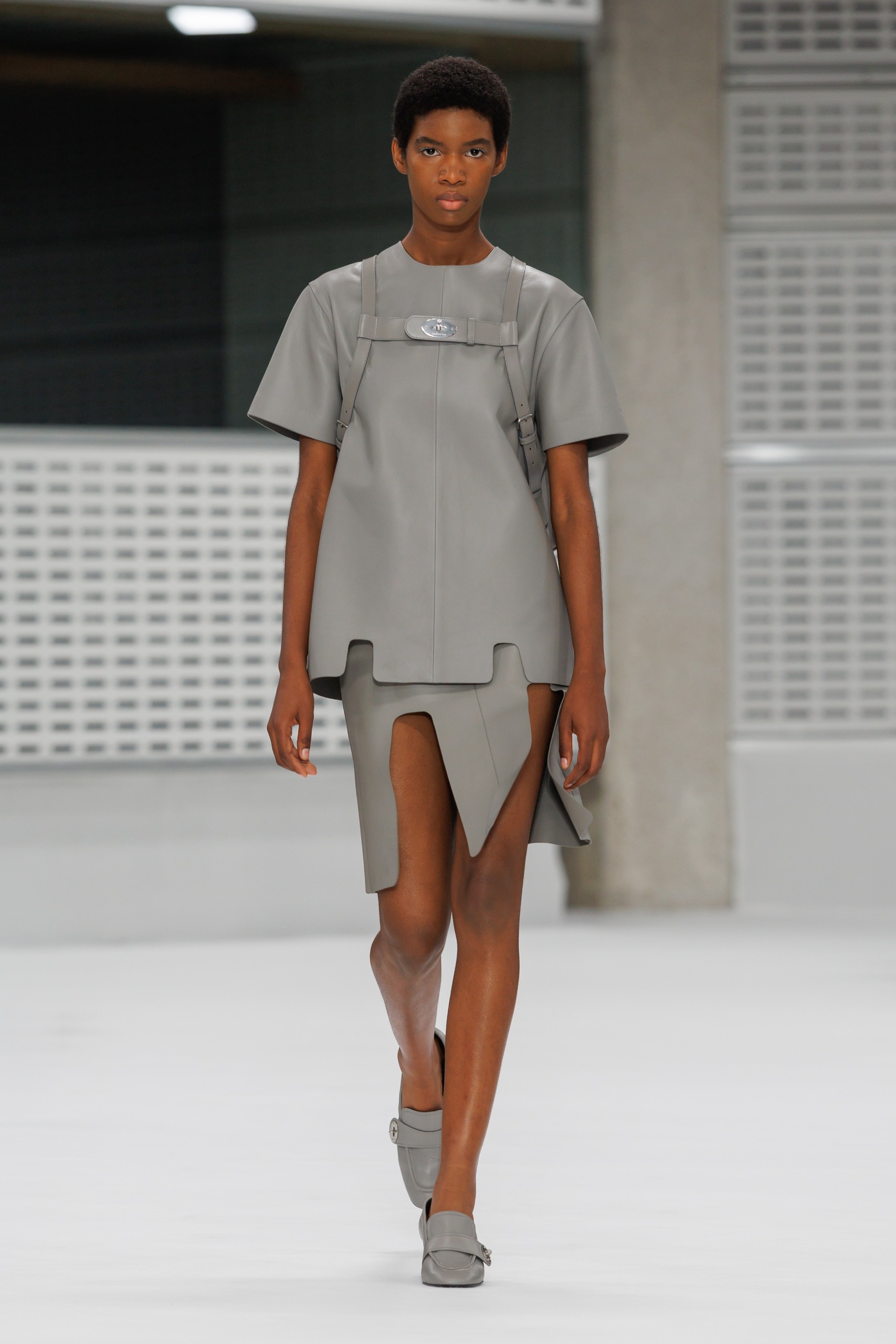
The runway presentation manifested this philosophy through a stark, architectural aesthetic. The garments were stripped of excessive ornamentation, favoring a streamlined, modern silhouette. A standout feature was the inclusion of bags shaped with sharp, angular, blade-like silhouettes, slung over the shoulder and secured with the brand’s iconic Postman’s Lock. This hardware, which has been central to Mulberry’s identity for decades, served as a recurring motif, appearing not only on bags but as a functional clasp on footwear.
Historical Context and Brand Evolution
Founded in Somerset, England, in 1971, Mulberry grew from a small rural enterprise into a global powerhouse of British leather craft. The brand’s trajectory was defined by its ability to balance country-house tradition with urban functionality. The 2003 launch of the "Bayswater" bag, designed by Nicolas Knightly, became a defining moment for the brand, cementing its status in the "It-bag" era of the early 2000s.
Christopher Kane’s arrival comes at a time when the fashion industry is increasingly focused on the preservation of heritage brands amidst a volatile retail climate. His appointment is widely viewed by market analysts as a strategic move to re-energize the house after a period of fluctuating creative direction. By tapping a designer of Kane’s pedigree—a graduate of Central Saint Martins and a four-time Fashion Award winner—Mulberry is positioning itself to capture a younger, more avant-garde demographic while retaining its core base of leather enthusiasts.
Chronology of a Career Pivot
The arc of Christopher Kane’s career provides necessary context for this transition:
- 2006: Kane launches his eponymous label following his graduation from the prestigious MA program at Central Saint Martins. His debut collection is met with immediate international acclaim.
- 2013: Kering, the luxury conglomerate, acquires a 51% stake in the Christopher Kane label, signaling his arrival as a major player in the global luxury market.
- 2018: Kane buys back his label from Kering, regaining full creative and operational independence.
- 2023: After a challenging period exacerbated by the post-pandemic economic landscape and the struggles faced by independent designers in London, the Christopher Kane label ceases operations.
- 2024: After a period of public speculation regarding his next move, it is officially announced that Kane will take the helm at Mulberry.
- 2025 (Present): The debut collection is presented at London Fashion Week, marking the official start of his tenure.
Technical Design and Materiality
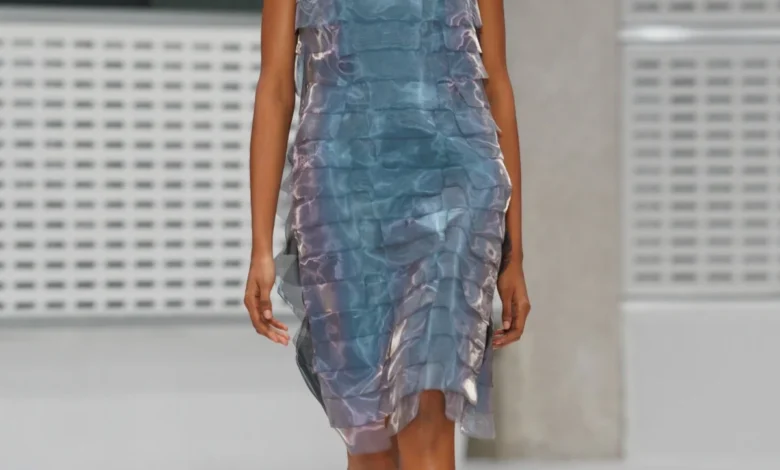
The collection leaned heavily into leather, Mulberry’s signature material. Boxy, structured silhouettes were characterized by "notched" edges—a subtle nod to the construction of the Bayswater flap. These notches were echoed in other parts of the collection, appearing as scale-like layers of iridescent, organza-like fabric on mini-dresses and as split-hem details on heavy-gauge wool sweaters.
Kane also reintroduced elements of the "fetish" aesthetic that defined his earlier work. He utilized vinyl and clear plastic, materials he historically manipulated to challenge conventional notions of beauty. A notable piece included a checkered overcoat crafted from wipe-clean vinyl with a trompe l’oeil tartan print. The color palette remained grounded in a "corporate" spectrum of grey, beige, and white, which provided a canvas for the more experimental cuts and textures.
Influences and Cultural Referencing
In conversation after the show, Kane noted that his inspiration was deeply personal, drawing from his upbringing near Glasgow. He referenced the "football casual" subculture, which manifested in oversized polo shirts featuring vintage-inflected Mulberry branding. The outerwear served as a deliberate homage to 1990s parkas, featuring elongated, funnel-like hoods that offered a protective, almost armored quality.
Beyond these personal memories, the collection interrogated the intersections of British life: the city, the country, and the uniform. Elements of school attire, rugby kits, and traditional British tailoring were deconstructed and reimagined, resulting in a collection that felt both nostalgic and radically forward-thinking.
Industry Impact and Market Implications
The reception of the show was marked by a palpable sense of relief and excitement within the fashion community. The return of a designer of Kane’s caliber is significant for London Fashion Week, which has grappled with the departure of several major brands in recent years. Sarah Mower, one of the industry’s most respected critics, had previously characterized the absence of Kane from the design sphere as a "criminal oversight," a sentiment that was echoed by the enthusiastic standing ovation he received upon his final walk.
From an economic perspective, Mulberry is navigating a market that demands both sustainability and innovation. By working alongside his sister and longtime creative partner, Tammy Kane, Christopher is attempting to implement a business-to-creative synergy that prioritizes longevity.
"I want to write my own codes," Kane stated following the presentation. This is an ambitious goal for a brand with such a distinct, pre-established legacy. The challenge for Kane will be to maintain the "Mulberry-ness" of the brand—the quality, the heritage, the craftsmanship—while injecting the raw, subversive edge that made his own brand a cult favorite for nearly two decades.
Future Outlook
The debut has provided a clear roadmap for the brand’s direction: a move toward a more curated, high-concept identity. By re-imagining the iconic Piccadilly bag in new mock-croc iterations and blowing up its proportions, Kane demonstrated that he is not afraid to tamper with the brand’s "sacred" items to make them feel relevant for a new generation.
As Mulberry moves forward, the market will be watching to see how these designs translate from the runway to the retail floor. If the response from this morning’s audience is any indicator, the "tree surgeon" has successfully pruned away the dead wood, leaving the house of Mulberry with the space, structure, and creative freedom to grow in a bold new direction. The marriage of British heritage and Kane’s singular, slightly perverse creative vision promises to be one of the most compelling narratives in luxury fashion for the coming seasons.