Translating the Whimsical World of Dr. Seuss into 3D Animation: The Technical Journey Behind The Cat in the Hat 2026

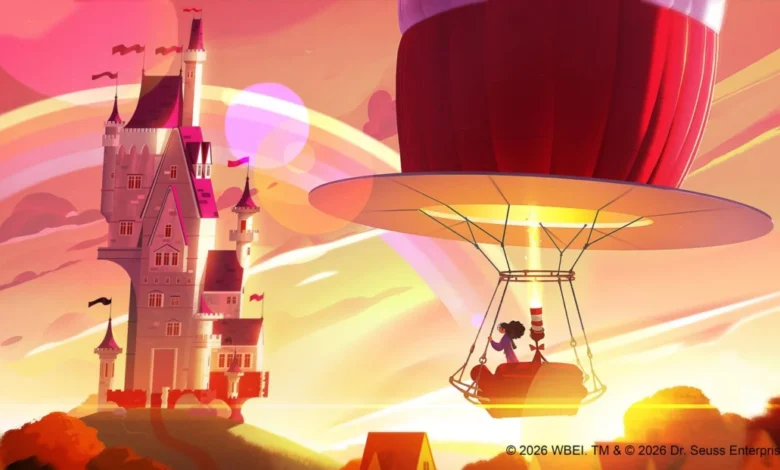
The adaptation of Dr. Seuss’s iconic literature into modern cinema has historically proven to be a complex undertaking, balancing the preservation of a beloved artistic legacy with the demands of contemporary visual storytelling. For the upcoming 2026 feature film The Cat in the Hat, directors Alessandro Carloni and Erica Rivinoja have steered Warner Bros. Pictures Animation toward a groundbreaking stylistic direction. Rather than relying on standard computer-generated imagery (CGI) to merely replicate the flat, paper-based aesthetic of the original illustrations, the production team has engineered a unique pipeline designed to marry the tactile, painterly quality of Seuss’s work with the immersive depth of modern 3D animation.
The Creative Philosophy: Beyond Simulation
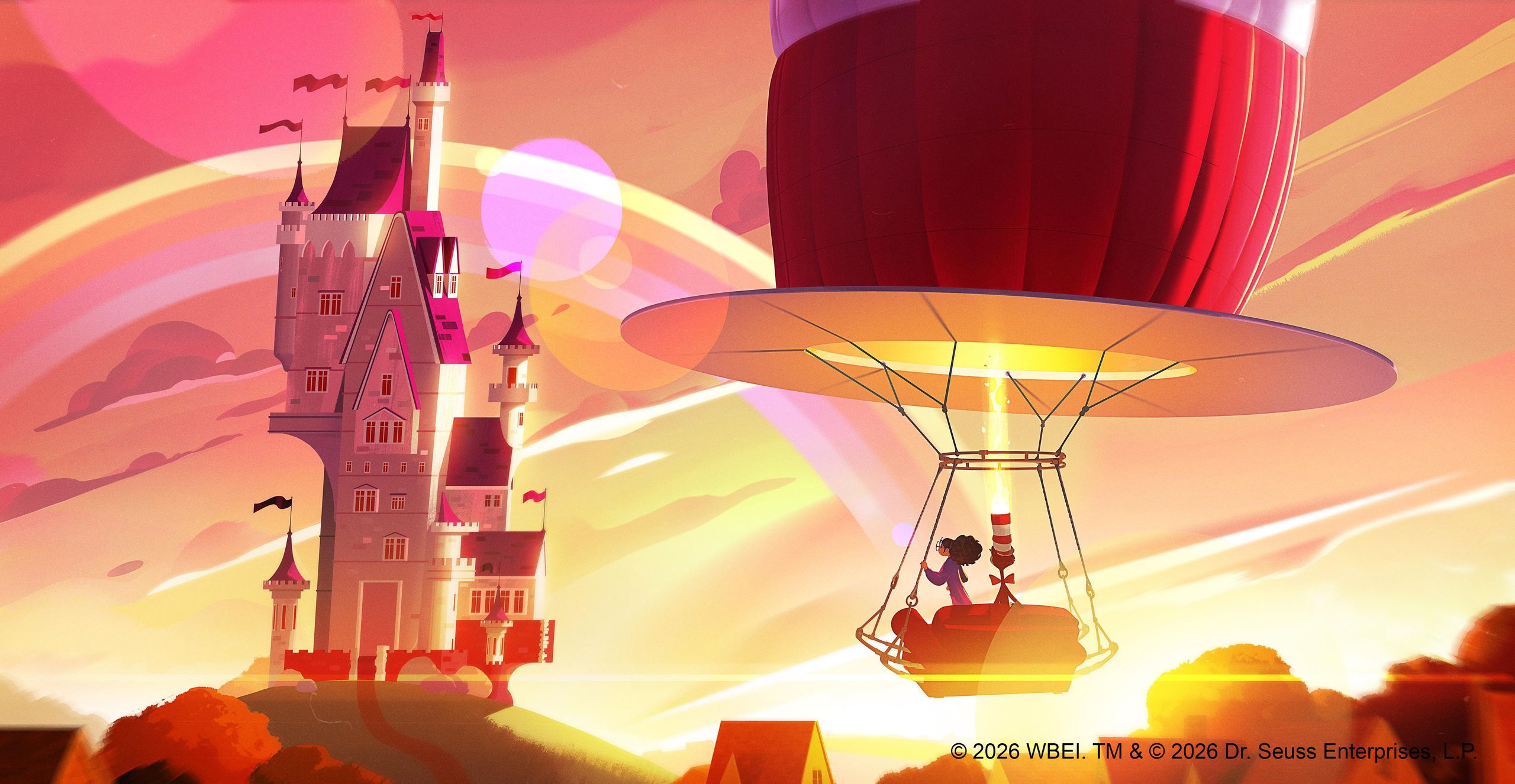
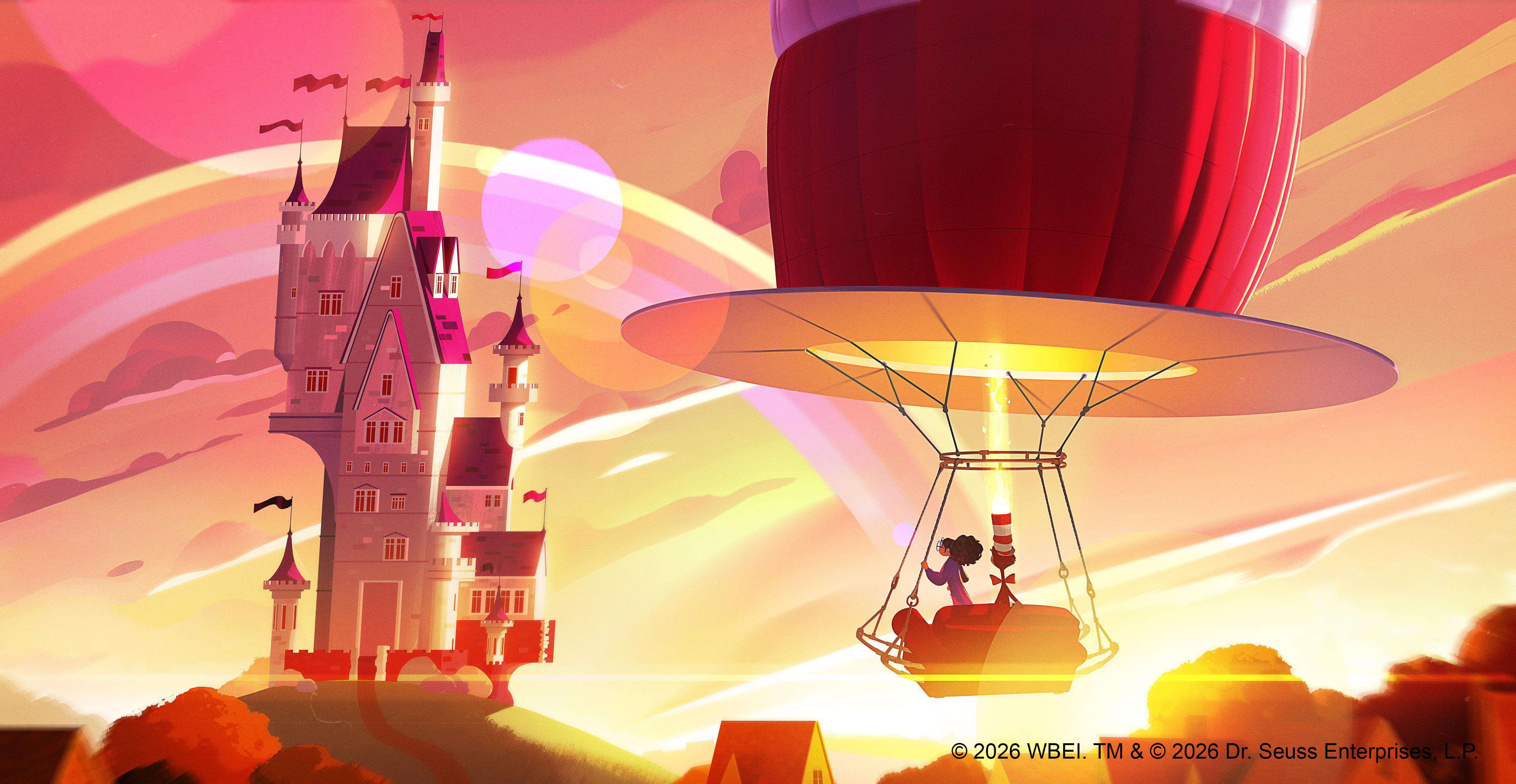
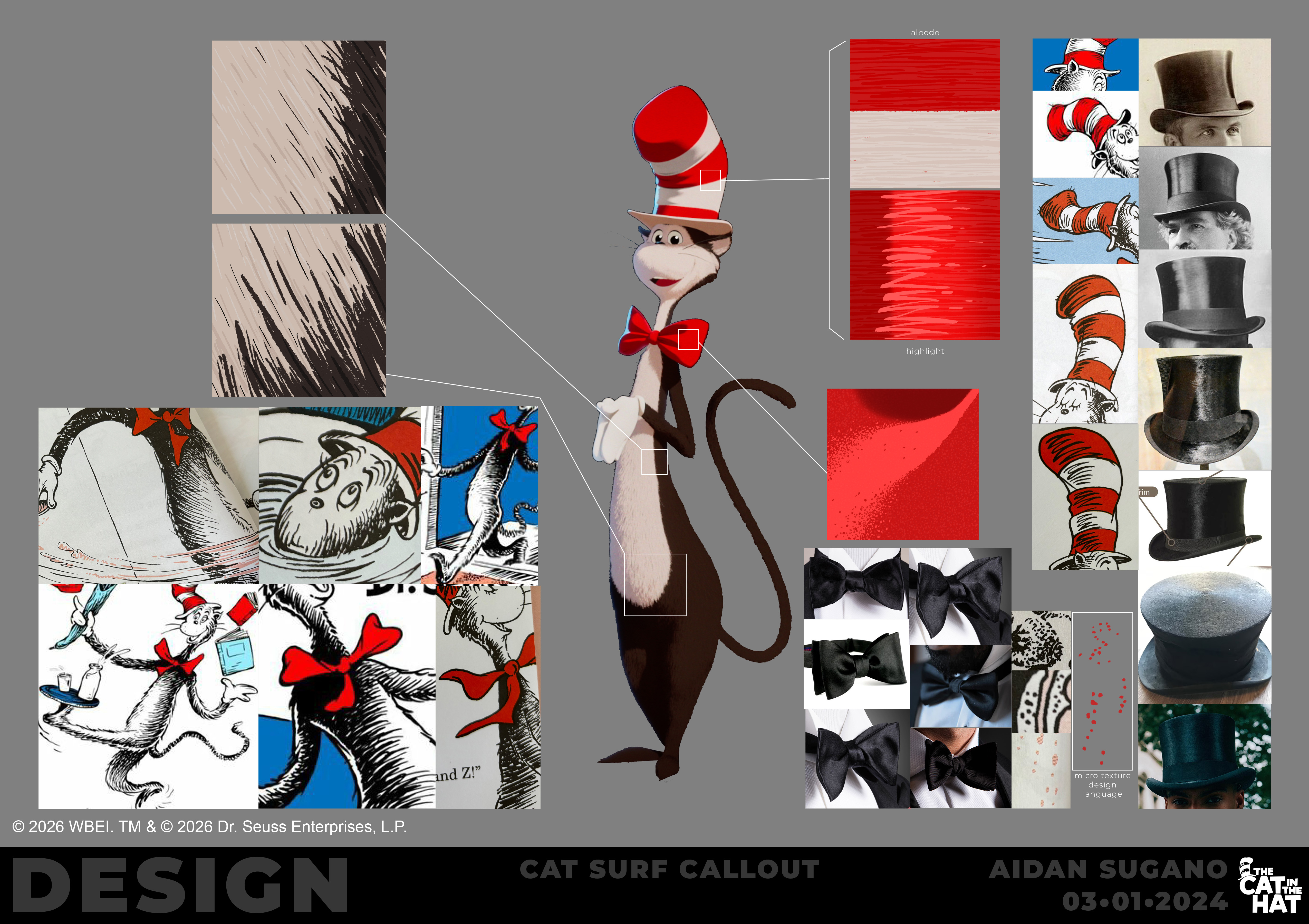
At the core of this project lies a fundamental rejection of digital mimicry. The production team, under the guidance of Carloni and Rivinoja, sought to avoid the common pitfall of "simulation," where 3D software is used to artificially flatten an image to look like a drawing. Instead, the team aimed to evoke the familiarity of Seuss’s original visual language—his signature hatch marks, bold color palettes, and distinctively rounded architectural forms—through a sophisticated integration of lighting and surfacing techniques.
This approach was not a matter of "divide and conquer" for the directing duo. Rivinoja emphasizes that the production was characterized by a unified creative vision. By maintaining constant collaboration, the directors ensured that every aesthetic choice, from the texture of the Cat’s fur to the atmospheric lighting of the interior scenes, remained cohesive throughout the multi-year production cycle.
The Technical Pipeline: Autodesk and Global Collaboration
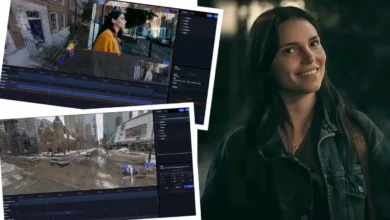
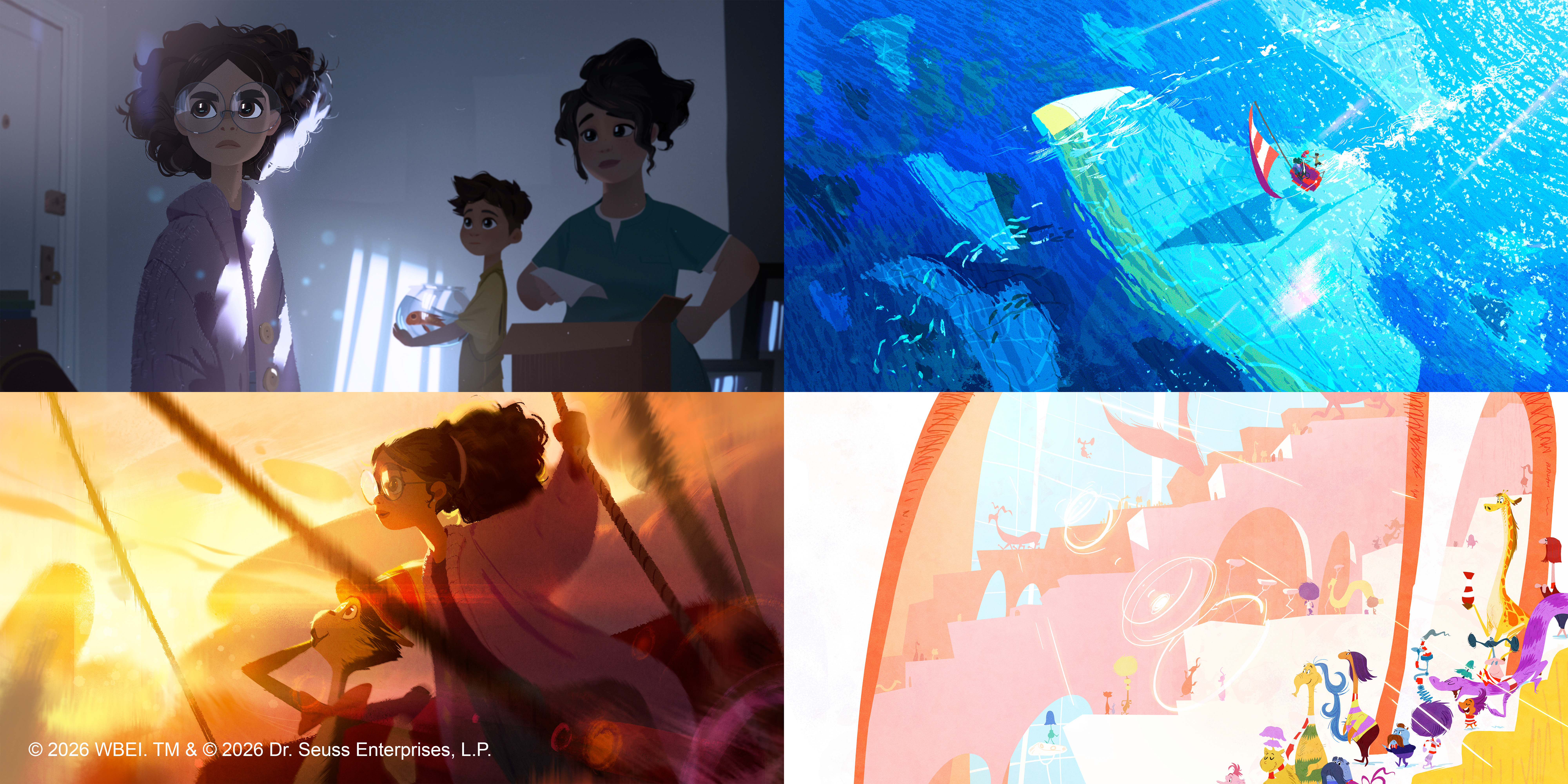
The production of a high-fidelity animated feature in the current era requires immense logistical and computational coordination. The film’s development relied heavily on a robust technological infrastructure, with Autodesk Maya serving as the primary hub for all creative assets. Production designer Aidan Sugano’s hand-drawn sketches served as the blueprint for the entire film, which were then meticulously translated into 3D geometry within Maya.
The scale of this operation was immense, involving cross-continental workflows spanning India, Montreal, London, and Los Angeles. To maintain continuity across these disparate regions, the studio utilized Autodesk Flow Production Tracking. This platform allowed for the management of thousands of individual assets—including character models, complex environmental props, and lighting rigs—from the initial storyboard phase to final compositing.
The use of real-time review tools, such as RV within the Flow Production ecosystem, enabled lead artists and supervisors to iterate on scenes in sync, regardless of their physical location. For the project’s security, the use of Autodesk Flow Capture provided the necessary oversight for executives and stakeholders to review encrypted, watermarked footage, ensuring that the film’s narrative details remained confidential until release.
Achieving the Seuss Aesthetic: Lighting and Lens Physics
To capture the "Seuss look" at a cinema scale, the visual effects team employed a layered approach to lighting and rendering. The goal was to remove the "harshness" often associated with digital surfaces. The team implemented a hybrid lighting model: they combined simple, almost flat base-lighting with soft, volumetric fill and bounce lights. This effectively mimics the soft, diffused quality of traditional paint while providing the spatial volume necessary for 3D depth.
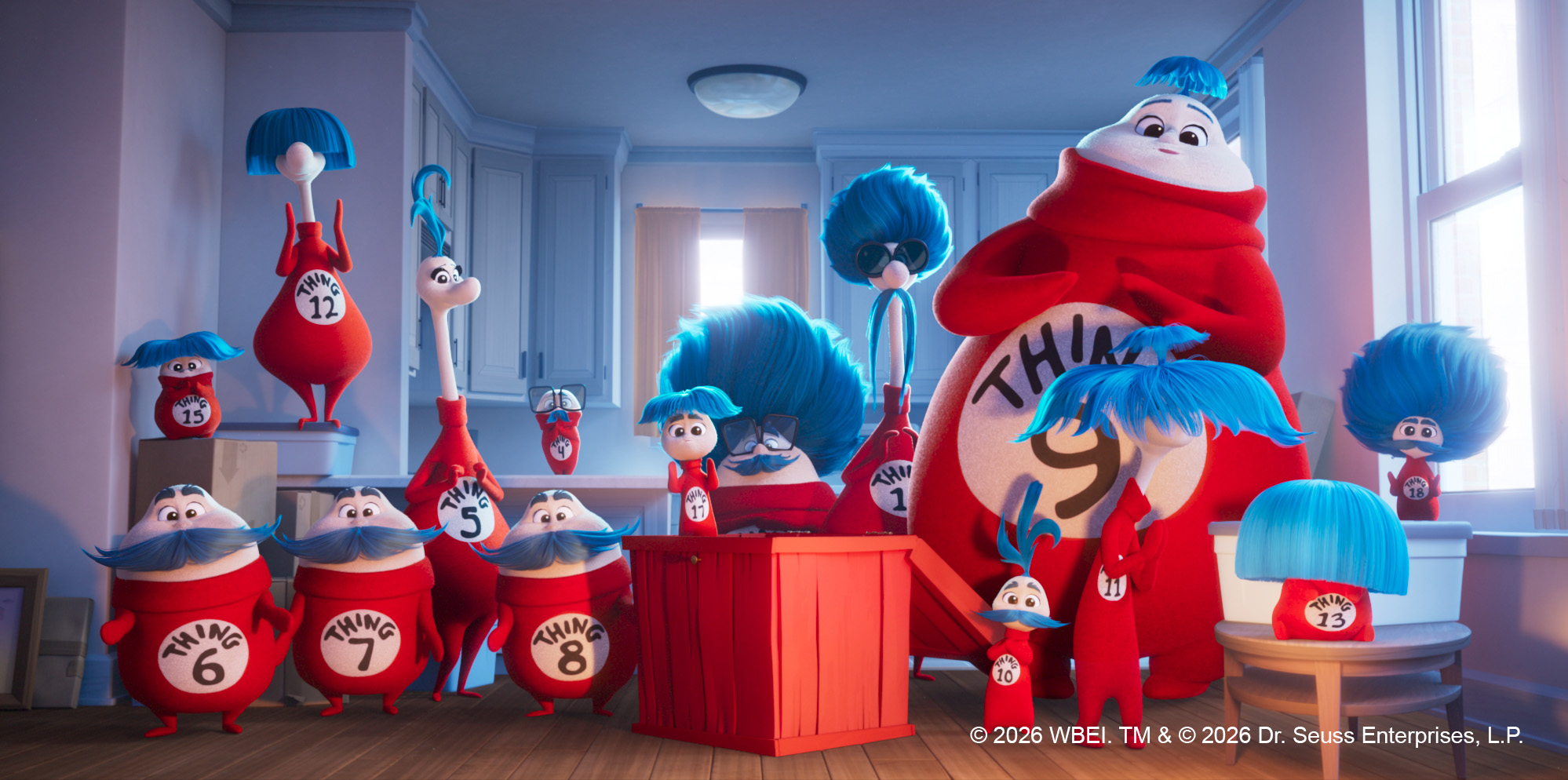
Furthermore, the team introduced realistic lens behaviors to bridge the gap between stylized art and cinematic reality. By incorporating subtle lens flares, halation (the spreading of light around bright objects), and chromatic aberration, the animators were able to ground the fantastical characters in a believable, physical space. These optical effects serve to soften the edges of digital objects, resulting in a look that feels handcrafted rather than procedurally generated.
Character Performance and the Art of Motion
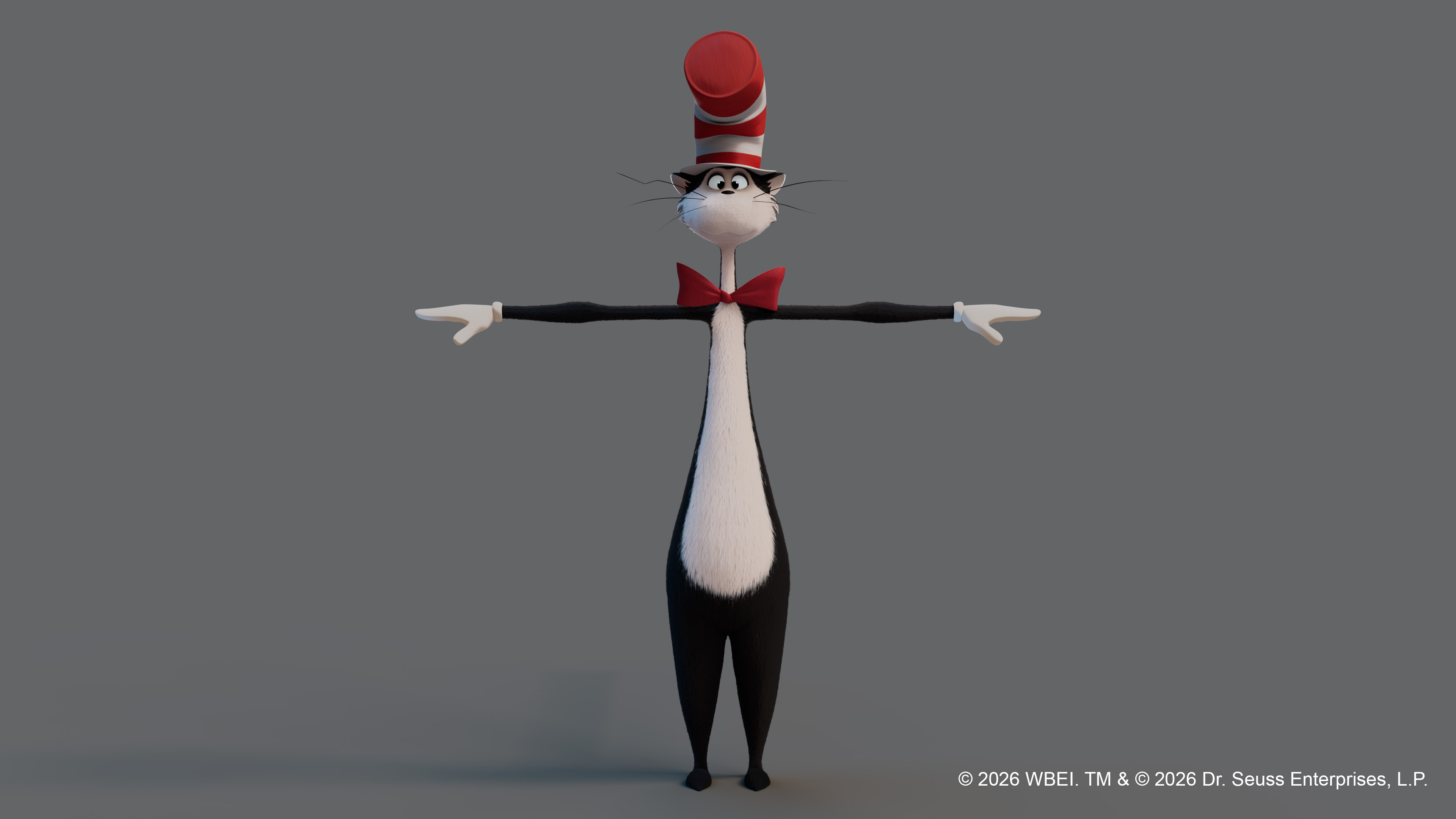
The Cat himself presented the most significant challenge for the animation department. For a character as iconic as the Cat in the Hat, the margin for error is razor-thin. If the character is not inherently lovable and charismatic, the narrative structure risks failing regardless of the visual spectacle.
Animators like Marek Kochout utilized Maya’s advanced animation tools to bring the character to life. The performance was refined through the Graph Editor, where the subtle nuances of the Cat’s movement were mapped out using complex, layered curves. To ensure consistency, the team developed a shared Pose Library. This internal database allowed animators to reference and reuse key expressions and body language, ensuring that the Cat’s "personality" remained consistent across thousands of frames produced by different artists in different time zones.
Expanding the Seuss Universe
Beyond technical execution, the narrative expansion of the story required a careful balance. The filmmakers were tasked with exploring what happens after the original book ends, introducing new worlds that exist outside the confines of the house on that rainy day.
The directors established that the Cat is essentially a professional entity, with his signature hat functioning as part of a uniform. By framing the Cat’s antics as a job, the film provides a logical underpinning for his chaotic behavior. The challenge, according to the team, was to build these expansive, colorful worlds without abandoning the consistent "shape language" established in the original book. The character designs remain static in their proportions, while the environments reflect the shifts in tone and color as the narrative progresses.
Industry Implications and Future Outlook
The release of the behind-the-scenes video series, "Made to Make," highlights a growing trend in the animation industry: the move toward highly specialized, software-driven pipelines that prioritize global collaboration. By leaning into the capabilities of AI-driven tools and cloud-based production tracking, studios are now able to maintain a unified visual language across massive, distributed teams.
The success of this film will likely set a new benchmark for how legacy intellectual property is handled in the 3D era. By focusing on "painterly" rendering and intentional lens physics, Warner Bros. Pictures Animation is positioning itself to satisfy both the nostalgia of older generations and the high expectations of modern audiences accustomed to the technical polish of blockbuster animation.
As the industry moves toward 2026, the case study of The Cat in the Hat serves as a testament to the evolution of digital artistry. The project illustrates that while the tools of the trade—Maya, Flow, and advanced rendering engines—provide the capacity for "limitless" possibilities, the true artistry remains in the human choice to define the boundaries of that style. Whether the film succeeds as a cultural touchstone remains to be seen, but the technical framework suggests a sophisticated, well-coordinated effort to respect the Seussian legacy while pushing the boundaries of what is possible in contemporary animation.
The Cat in the Hat is scheduled to hit theaters and IMAX screens in North America on November 6, 2026, with international territories launching the film on November 4. The project remains one of the most anticipated releases in the current Warner Bros. Pictures Animation slate, serving as a critical indicator of the studio’s commitment to high-end, stylistically daring animation.