
Once In A Lifetime Chance To Visit The Vatican Without Any Crowds

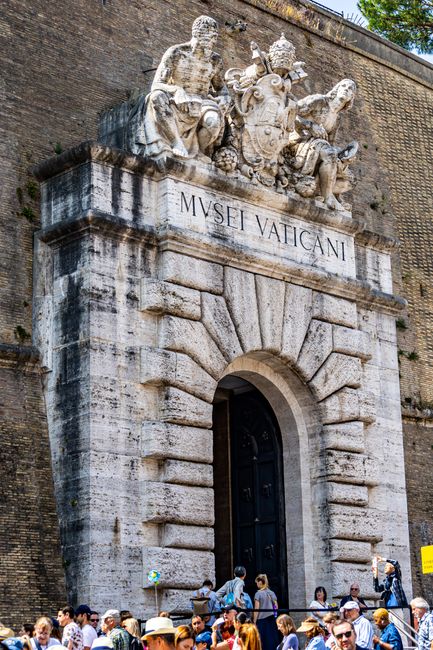
Unlock the Vatican: Your Once-in-a-Lifetime Opportunity for an Uncrowded Experience
Imagine standing in the Sistine Chapel, gazing at Michelangelo’s masterpiece without the jostling of hundreds of fellow tourists. Picture yourself wandering through the Raphael Rooms, absorbing their vibrant frescoes in serene contemplation. Envision exploring the vast Vatican Museums, from the Gallery of Maps to the Egyptian Museum, with ample space to truly appreciate each artifact. This isn’t a dream; it’s a once-in-a-lifetime chance to visit the Vatican, the heart of the Catholic Church and a treasure trove of art and history, without the overwhelming crowds that typically define the experience. The Vatican, a sovereign city-state within Rome, Italy, is one of the world’s most visited destinations, attracting millions of pilgrims and art enthusiasts annually. Its iconic landmarks – St. Peter’s Basilica, the Vatican Museums, and the Sistine Chapel – are breathtaking testaments to human creativity and faith. However, the sheer volume of visitors often diminishes the immersive quality of these encounters, turning awe-inspiring moments into a hurried shuffle. This article will guide you through understanding when and how this elusive opportunity can arise, what makes it so extraordinary, and practical advice for maximizing your visit to this unparalleled destination in its most tranquil state.
The "once-in-a-lifetime" aspect of visiting the Vatican without crowds hinges on a confluence of specific, often unpredictable, circumstances. These are not scheduled events but rather serendipitous windows of opportunity. The most significant factor is timing, specifically avoiding peak tourist seasons. The busiest periods for Vatican visits generally align with major European holidays, summer vacation months (June to August), and the weeks leading up to and following Easter and Christmas. During these times, the Vatican can feel like a human river, with queues stretching for hours and a constant hum of activity that can detract from the spiritual and artistic immersion. Conversely, the shoulder seasons – spring (April-May) and autumn (September-October) – offer a noticeable reduction in crowds, but even then, popular times of day can still be busy. True emptiness, or near-emptiness, is more likely to occur during the absolute low season, which typically falls during the winter months, excluding the Christmas and New Year period. January and February, especially on weekdays and outside of any local Roman festivals or significant religious observances, present the most realistic prospect for a less crowded experience.
Beyond seasonal considerations, specific events can create these rare moments of quietude. While seemingly counterintuitive, certain days of religious significance, when access might be altered or limited for specific ceremonies, can paradoxically lead to fewer general tourist admissions. For instance, during Holy Week leading up to Easter, many areas may be reserved for liturgical functions, and while St. Peter’s Square might be packed for papal events, the museums and other interiors could see reduced numbers on certain days or at specific times due to closures or limited access. Another significant, though less common, factor is unforeseen circumstances. Strikes within the museum staff, unexpected closures due to maintenance, or even severe weather events (though rare in Rome) can temporarily deter visitors, leading to an uncharacteristically quiet Vatican. These are, by their nature, unpredictable and cannot be planned for, but awareness of their potential can help those visiting during these periods capitalize on the unexpected lull.
The true value of experiencing the Vatican uncrowded lies in the profound shift in perspective it enables. Without the constant pressure of moving with the throng, one can engage with the art and architecture on a deeply personal level. Imagine spending twenty minutes, or even an hour, in the Raphael Rooms, studying the intricate details of "The School of Athens" without feeling rushed. You can move closer, examine the brushstrokes, and absorb the intellectual and artistic genius of Raphael and his contemporaries at your own pace. Similarly, the Sistine Chapel transforms from a visual spectacle seen from a distance amidst a sea of heads, to an intimate encounter with Michelangelo’s divine artistry. The silence, broken only by the hushed whispers of awe, allows the vibrant narratives of creation, judgment, and salvation to resonate directly with the viewer. You can truly appreciate the scale, the anatomy, the sheer emotional power of the frescoes without distraction.
This unhurried access extends to St. Peter’s Basilica, a monumental edifice that inspires reverence. Without the queues to enter, or the feeling of being pushed along the nave, one can linger before Michelangelo’s Pietà, contemplating its exquisite beauty and sorrow. You can descend into the crypts, exploring the tombs of popes and saints, and understand the layered history of this sacred site. The dome of St. Peter’s, offering panoramic views of Rome, becomes an even more breathtaking experience when you can stand at the windows, absorb the vista, and reflect in relative solitude. This level of personal connection with such historically and spiritually significant spaces is what elevates an uncrowded Vatican visit from a tourist excursion to a truly transformative experience. It allows for contemplation, introspection, and a deeper appreciation of the art, history, and faith that converge in this unique place.
To maximize your chances of seizing this once-in-a-lifetime opportunity, meticulous planning and a flexible approach are paramount. Researching the Vatican’s official website is your first and most crucial step. This is where you will find information on opening hours, any scheduled closures, and important announcements regarding events or special access. Pay close attention to their calendar. While tickets for the Vatican Museums and Sistine Chapel are essential and should ideally be booked well in advance regardless of crowd levels to save time, understanding the dynamics of admission for St. Peter’s Basilica is also important. While the Basilica itself is free to enter, queues can be substantial. Early morning, just as it opens, or late afternoon, an hour or so before closing, often offer slightly reduced waiting times even during busier periods.
Leveraging specific booking strategies can also play a role. Look for "early access" or "behind-the-scenes" tours. These premium options, while more expensive, often grant access to the Vatican Museums and Sistine Chapel before the general public. This allows you to experience these iconic spaces in relative quiet before the daily influx of visitors begins. Some of these tours might even include access to areas not generally open to the public, further enhancing the exclusivity of the experience. Consider booking a guided tour, not only for the educational value but also because some tours may have specific entry times that could align with quieter periods or offer expedited access. Read reviews carefully to ensure the tour focuses on in-depth exploration rather than just a rushed overview.
Furthermore, consider the timing of your visit within the day itself. While early mornings are often recommended, if you are aiming for absolute minimum crowds, consider a late afternoon slot. As the day progresses and tour groups begin to depart, there can be a natural lull in visitor numbers, particularly in the final hours before closing. This strategy requires careful time management to ensure you don’t feel rushed towards the end of your visit. However, if you are lucky enough to find the Vatican in a state of unusual quietness during these late hours, the experience can be incredibly rewarding.
Beyond the official Vatican channels, staying informed about potential local events or situations in Rome can also be beneficial. Following Roman news outlets or travel forums can alert you to any unexpected closures or events that might influence crowd sizes. Flexibility is key. If you are visiting Rome during the low season and learn of an unexpected opportunity for a less crowded Vatican, be prepared to adjust your itinerary. This might mean foregoing a planned activity in favor of seizing the moment. Remember, the "once-in-a-lifetime" aspect is about rarity, so when such an opportunity presents itself, it warrants a willingness to adapt.
The practicalities of visiting the Vatican, even in its quietest moments, remain crucial for a smooth and enriching experience. Dress modestly, adhering to the Vatican’s dress code: shoulders and knees must be covered. This applies to all visitors, regardless of the day or time. Comfortable footwear is essential, as you will be doing a significant amount of walking through vast museum halls and basilica interiors. Bring a small bag, as large backpacks and luggage are not permitted and can slow down your entry. Water bottles are generally allowed, but check specific regulations. Photography is permitted in most areas of the Vatican Museums, but always be mindful of signs indicating otherwise, especially within the Sistine Chapel where flash photography is strictly prohibited, and some areas may have restrictions on any photography at all.
Navigating the Vatican, even without crowds, can still be a complex undertaking. Familiarize yourself with the layout of the Vatican Museums beforehand. Having a map or using a reliable navigation app can save you time and prevent you from feeling lost. Prioritize the areas you most want to see. With ample time and space, you can delve deeper into each section, but it’s still wise to have a general plan. Consider purchasing an audio guide or hiring a licensed Vatican guide for an enhanced understanding of the art and history you are encountering.
Remember to factor in time for security checks, which are always in place, regardless of crowd levels. While the lines may be shorter, there will still be a process to go through before gaining entry to the Vatican Museums. If you’ve booked a tour with early access, confirm the exact meeting point and time. Allow ample buffer time for any unforeseen delays. The beauty of an uncrowded Vatican experience is the freedom to linger, but this freedom is best enjoyed when you have not had to rush to get there in the first place.
Finally, and perhaps most importantly, approach your visit with reverence and respect. The Vatican is not merely an art museum; it is a living religious site. Be mindful of pilgrims, prayer services, and the sacred nature of the spaces you are entering. Even in the absence of crowds, this fundamental aspect of visiting the Vatican should guide your behavior and your appreciation. This once-in-a-lifetime chance to experience the Vatican in its most serene state offers an unparalleled opportunity to connect with centuries of human endeavor, faith, and artistic brilliance. By understanding the dynamics of crowd flow, employing smart planning, and maintaining a flexible and respectful approach, you can unlock this extraordinary experience and create memories that will last a lifetime. The allure of the Vatican lies not just in its iconic masterpieces, but in the profound impact it can have on the soul, an impact amplified immeasurably when experienced in moments of tranquil contemplation.


