
Tag Afro Brazilian History

Afro-Brazilian History: A Legacy of Resilience, Resistance, and Cultural Fusion
The history of Afro-Brazilians is not merely a footnote in the grand narrative of Brazil; it is its very foundation, a complex tapestry woven from threads of forced migration, brutal enslavement, tenacious resistance, vibrant cultural contributions, and the ongoing struggle for equality and recognition. From the earliest days of Portuguese colonization, Africans were brought to Brazil in staggering numbers, far exceeding any other nation in the Americas, to fuel the insatiable demand for labor in sugar plantations, mines, and later, coffee estates. This transatlantic forced migration, the largest in history, irrevocably shaped Brazil’s demographics, social structures, and cultural landscape. The arrival of millions of Africans, representing a diverse array of ethnicities, languages, and spiritual traditions from across the African continent—Yoruba, Bantu, Fon, Ewe, and many others—laid the groundwork for a uniquely Brazilian identity that is inextricably linked to its African heritage. Understanding Afro-Brazilian history is crucial for comprehending the complexities of modern Brazil, from its persistent racial inequalities to its globally celebrated cultural exports.
The brutal reality of the transatlantic slave trade and its subsequent centuries of chattel slavery in Brazil form the grim bedrock of Afro-Brazilian history. Between the 16th and 19th centuries, an estimated 4.8 million Africans were forcibly transported to Brazil, a figure that dwarfs the number sent to the United States. This systematic dehumanization and exploitation were central to the Brazilian economy, particularly the lucrative sugar industry in the Northeast. Enslaved Africans endured unimaginable suffering: forced labor under relentless tropical sun, brutal punishments, the constant threat of violence, and the agonizing separation from families and homelands. The conditions on plantations were so harsh that mortality rates were extremely high, necessitating a continuous influx of new captives. Beyond the plantations, enslaved people were also vital to the burgeoning mining industry in Minas Gerais and later, the expanding coffee plantations of the Southeast. This pervasive system of slavery permeated every facet of colonial and imperial Brazilian society, embedding racial hierarchies and economic disparities that continue to cast a long shadow. The economic prosperity enjoyed by the Portuguese Crown and Brazilian elites was directly built upon the uncompensated labor and immense suffering of enslaved Africans.
Despite the oppressive conditions, enslaved Africans and their descendants in Brazil cultivated remarkable forms of resistance and self-preservation. These acts of defiance ranged from overt rebellion to subtle subversion. Quilombos, self-governing communities established by escaped slaves, represent the most potent and enduring symbol of this resistance. Palmares, the most famous and long-lasting quilombo, flourished for nearly a century in what is now Alagoas, providing a sanctuary and a model of independent governance for thousands of escaped Africans. Its leader, Zumbi dos Palmares, remains a powerful icon of Black liberation and resistance in Brazilian history. Beyond organized flight and rebellion, resistance manifested in everyday acts: the deliberate slowing of work, the destruction of tools, the preservation of African languages and customs in secret, and the formation of clandestine networks for mutual aid and support. The syncretic religions that emerged, like Candomblé and Umbanda, which blended African deities with Catholic saints, served not only as spiritual anchors but also as spaces for cultural preservation and community building, offering solace and a sense of shared identity in the face of profound adversity.
The abolition of slavery in Brazil on May 13, 1888, with the signing of the Lei Áurea (Golden Law), was a watershed moment, yet it marked not an end but a transition in the struggles of Afro-Brazilians. The law, championed by Princess Isabel, was the culmination of decades of abolitionist activism, slave revolts, and international pressure. However, abolition was not accompanied by any significant provisions for the newly freed population. Without land, education, or economic opportunities, millions of formerly enslaved people were left marginalized and vulnerable. They were largely relegated to precarious living conditions, often in overcrowded urban slums, facing persistent discrimination and lacking access to basic services. This immediate post-abolition period sowed the seeds for many of the social and economic inequalities that continue to plague Brazil today. The state’s failure to integrate the Black population into society as full citizens, coupled with the pervasive racism inherited from the slavery era, created a new set of challenges, forcing Afro-Brazilians to forge paths of survival and advancement through their own initiatives and resilience.
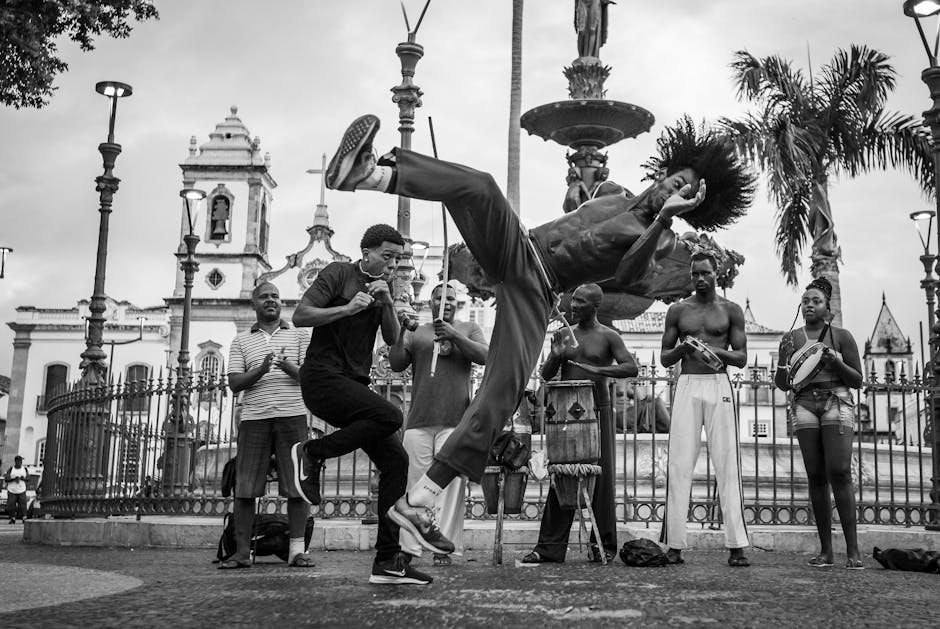
The cultural impact of Afro-Brazilians on Brazilian society is immeasurable and pervasive, enriching and defining the nation’s identity. From music and dance to cuisine and religion, African influences are woven into the very fabric of Brazilian life. Samba, Brazil’s national music genre and a quintessential expression of its culture, has deep roots in African rhythms and traditions. Capoeira, the unique martial art that combines dance, acrobatics, and music, evolved from the self-defense practices of enslaved Africans seeking to mask their fighting skills. Candomblé and Umbanda, as mentioned, are vibrant Afro-Brazilian religions that have shaped spiritual practices and festivals across the country. Brazilian cuisine is a testament to this fusion, with dishes like feijoada (a black bean stew), vatapá (a creamy shrimp and bread dish), and acarajé (black-eyed pea fritters) showcasing African ingredients and cooking techniques. The Portuguese language itself has absorbed a wealth of vocabulary from African languages. This cultural legacy is not merely a relic of the past; it is a dynamic, living force that continues to evolve and shape contemporary Brazilian art, music, and social life, often serving as a source of pride and a powerful assertion of identity.
The 20th century and beyond have seen a continuous struggle for racial equality and recognition for Afro-Brazilians. While Brazil often promoted a narrative of racial democracy, the reality on the ground was far from equitable. Throughout much of the 20th century, overt racial discrimination was often masked by this myth of harmonious race relations, making it difficult to address systemic inequalities. However, Afro-Brazilian intellectuals, activists, and artists consistently challenged this notion, highlighting the persistent racism embedded in Brazilian society. The Black Movement in Brazil gained significant momentum in the latter half of the 20th century, advocating for civil rights, affirmative action, and an end to racial prejudice. Figures like Abdias do Nascimento emerged as leading voices, denouncing racial injustice and promoting Black consciousness. The establishment of quotas for Black students in universities and public service positions, while still debated and facing challenges, represents a significant step towards rectifying historical injustices and increasing Black representation in institutions of power and influence. Contemporary Brazil continues to grapple with its legacy of slavery and racism, with ongoing debates about reparations, educational reform, and the dismantling of systemic barriers that continue to disadvantage Afro-Brazilians.
The diaspora of Afro-Brazilians, though not as extensively documented as some other diasporic movements, has also played a role in shaping the global understanding of Black culture and identity. Throughout history, and particularly in more recent times, Brazilians of African descent have migrated to other countries, carrying with them their rich cultural heritage. These movements, driven by economic, political, and social factors, have contributed to the global spread of Brazilian music, dance, and religious practices. The presence of Afro-Brazilians in countries like the United States, Portugal, and other parts of Europe has fostered intercultural exchange and enriched the cultural landscapes of their host nations. This diaspora also contributes to a broader understanding of the Black experience beyond the confines of a single nation, highlighting shared struggles and triumphs across different geographical contexts. The ongoing process of migration and cultural dissemination continues to forge connections and expand the reach of Afro-Brazilian cultural influence on a global scale, fostering a sense of interconnectedness within the broader African diaspora.
In conclusion, Afro-Brazilian history is a testament to the enduring spirit of a people who, despite centuries of oppression, have profoundly shaped Brazil and continue to fight for their rightful place in society. It is a narrative of immense suffering, unparalleled resilience, and extraordinary cultural innovation. From the dark days of the slave ships and brutal plantations to the vibrant rhythms of samba and the spiritual depth of Candomblé, the legacy of Africans and their descendants is woven into the very soul of Brazil. Recognizing and understanding this history is not just an academic exercise; it is essential for dismantling persistent racial inequalities, fostering genuine social justice, and celebrating the full, complex, and magnificent identity of Brazil. The ongoing struggle for recognition, equality, and the dismantling of systemic racism underscores that the history of Afro-Brazilians is a living, evolving narrative, demanding continuous attention and action to ensure a more just and equitable future for all Brazilians. The influence of Afro-Brazilians extends far beyond national borders, impacting global perceptions of race, culture, and the human capacity for resistance and creation in the face of overwhelming adversity.


