
Notre Dame Cathedral Rebuilt

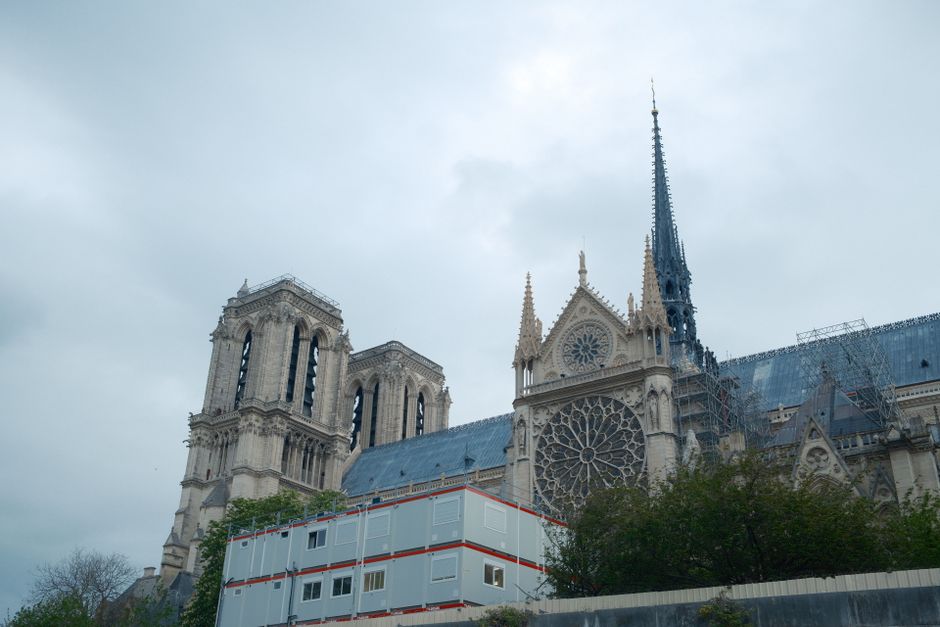
Notre Dame Cathedral Reborn: A Masterpiece of Resilience and Architectural Innovation
The dramatic inferno that ravaged Notre Dame Cathedral on April 15, 2019, sent shockwaves across the globe, a searing image of flames consuming a centuries-old icon of French history and gothic architecture. The cathedral, a spiritual heart for Paris and a UNESCO World Heritage site, faced an uncertain future. Yet, in a testament to human ingenuity, dedication, and a profound respect for heritage, Notre Dame is undergoing a monumental rebirth. This comprehensive exploration delves into the intricate process of its reconstruction, the architectural challenges and innovations, the meticulous restoration efforts, and the profound symbolism of its resurgence.
The immediate aftermath of the fire was a scene of devastation. Fifty-four years of scaffolding, erected for prior renovations, acted as a terrifying accelerant, contributing to the rapid spread of the blaze. The iconic spire, designed by Eugène Viollet-le-Duc in the 19th century, spectacularly collapsed, and a significant portion of the roof, the "forest" of ancient oak beams, was consumed. The vaulting, while heavily damaged in places, remarkably held, preventing the complete destruction of the nave and choir. The world watched, holding its breath, as firefighters battled for hours to save the main structure and its priceless artifacts. The initial assessment revealed extensive damage, but critically, the core structure of the cathedral remained standing. This proved to be the bedrock upon which the ambitious reconstruction project would be built.
President Emmanuel Macron, on the very evening of the fire, vowed to rebuild Notre Dame, declaring it a national mission. This commitment galvanized a global effort, drawing in skilled craftspeople, architects, engineers, and donors from every corner of the world. The initial phase involved an intensive stabilization operation. This was a monumental undertaking, requiring the removal of the melted scaffolding, the shoring up of weakened walls, and the protection of remaining structures from the elements. Cranes, some of the largest ever deployed in Paris, were essential for this delicate and dangerous work. Special tents were erected to shield the delicate stonework from rain and wind, and temporary supports were meticulously installed to prevent further collapse. The expertise of heritage restoration specialists was paramount in this critical, often unseen, stage of the project.
The decision regarding the spire’s reconstruction was a focal point of intense debate. Should it be rebuilt identically, as Viollet-le-Duc envisioned, or should a modern interpretation be introduced? After considerable deliberation and public consultation, the French government ultimately mandated an exact replica of Viollet-le-Duc’s spire. This decision underscored a commitment to historical fidelity and a desire to restore the cathedral to its pre-fire appearance, at least in its most recognizable features. The construction of this new spire became a symbol of the project’s ambition and its dedication to meticulous craftsmanship.
The reconstruction of the roof, a vast and complex undertaking, required the sourcing of thousands of ancient oak trees. This posed a unique logistical and environmental challenge. The selection process involved identifying trees of a specific age and diameter, mirroring the original construction. The Forestry Commission of France played a vital role in identifying suitable forests and ensuring sustainable harvesting practices. The felled timber then underwent a meticulous drying process, lasting for months, to ensure its stability and longevity. This painstaking attention to detail, from forest to structure, highlights the dedication to authenticity that defines the reconstruction.
Architectural and engineering challenges abounded throughout the project. The sheer scale of Notre Dame, combined with the complexities of its Gothic design, demanded innovative solutions. The restoration of the stonework involved identifying the original quarry sources for the limestone, a process of painstaking geological and historical research. Once identified, specialized masons, often carrying on centuries-old traditions, were employed to carve replacement stones with unparalleled precision. The vaulting, the intricate rib-and-panel ceilings, required extensive structural analysis to understand the extent of the damage and the best methods for repair. In some instances, entire sections had to be meticulously dismantled, cataloged, and reassembled.
The use of modern technology in tandem with traditional craftsmanship has been a defining characteristic of the Notre Dame reconstruction. Advanced scanning techniques, including 3D laser scanning and photogrammetry, were employed to create precise digital models of the cathedral’s pre-fire state. These models served as invaluable blueprints for restoration, allowing architects and engineers to recreate damaged elements with remarkable accuracy. Drones were utilized for aerial inspections of the upper reaches of the cathedral, providing detailed imagery of areas inaccessible to human inspection. This integration of cutting-edge technology with time-honored artisanal skills represents a new paradigm in heritage restoration.
The restoration of Notre Dame’s interior was equally intricate. The iconic stained-glass windows, while largely spared from direct fire damage, suffered from smoke and heat. Their delicate restoration involved cleaning, repairing fractured panes, and re-leading. The organ, a magnificent instrument with over 8,000 pipes, was also meticulously dismantled and cleaned. Each component, from the smallest pipe to the most intricate mechanism, was painstakingly restored to its former glory. The artwork and religious artifacts within the cathedral, many of which were heroically saved by firefighters, underwent specialized conservation efforts to preserve their integrity and beauty.
The human element of the reconstruction cannot be overstated. Thousands of skilled artisans – carpenters, stonemasons, glaziers, metalworkers, and more – have dedicated their expertise and passion to the project. Many of them are heirs to generations of craftsmen who worked on Notre Dame throughout its history. The transmission of these ancient skills, from master to apprentice, has been vital to the success of the reconstruction, ensuring that traditional techniques are not lost. The collaborative spirit among these diverse teams, working under immense pressure and public scrutiny, is a testament to their shared commitment to this iconic landmark.
The financial aspect of the reconstruction has been extraordinary. Billions of euros have been pledged and contributed by individuals, corporations, and governments worldwide. This overwhelming outpouring of generosity reflects the profound global connection to Notre Dame and its cultural significance. The management of these funds has been a critical aspect of the project, ensuring transparency and efficient allocation to the various stages of reconstruction.
The symbolism of Notre Dame’s rebirth extends far beyond its architectural grandeur. It represents resilience in the face of adversity, the power of collective action, and the enduring value of cultural heritage. The fire, while a tragedy, has also served as a catalyst for a deeper appreciation of Notre Dame’s history, its artistic merit, and its spiritual significance. The meticulous reconstruction process has reaffirmed the importance of preserving these historical treasures for future generations.
As the reconstruction progresses towards its anticipated reopening in 2024, the world eagerly awaits the return of Notre Dame to its rightful place as a beacon of Parisian and global culture. The renewed spire, reaching once again towards the heavens, will be a visible reminder of the unwavering spirit of those who dedicated themselves to its resurrection. The rebuilt cathedral will stand not only as a masterpiece of architectural restoration but also as a powerful symbol of hope, renewal, and the indomitable human spirit’s capacity to rebuild and reimagine. The digital footprint of its reconstruction, from the detailed 3D models to the historical documentation of materials and techniques, will serve as an invaluable resource for future heritage preservation projects globally, further cementing Notre Dame’s legacy. The story of Notre Dame’s rebirth is a compelling narrative of overcoming devastation, embracing innovation, and cherishing the irreplaceable threads that connect us to our past.


